Key Takeaways
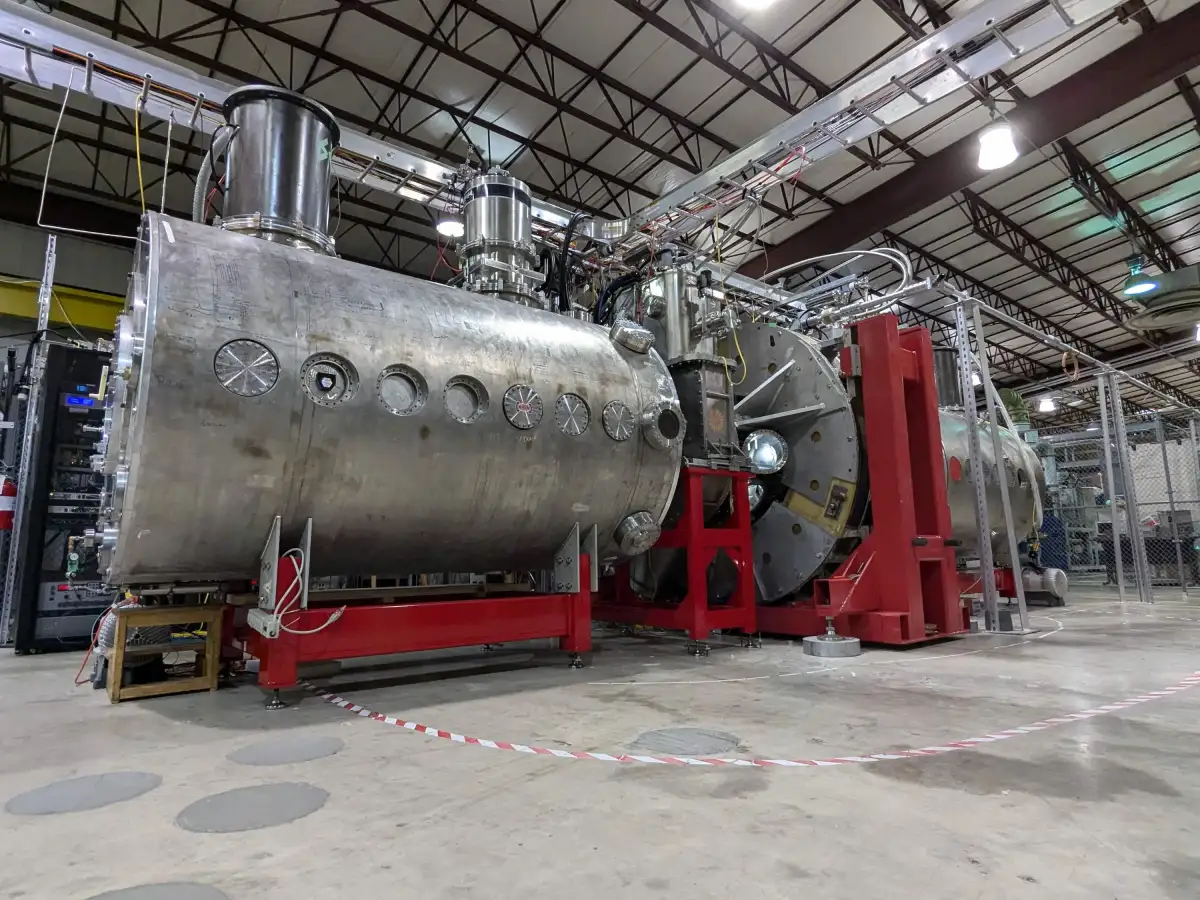
- Realta Fusion chose an old Oscar Mayer factory in Madison, Wisconsin for its fusion R&D facility, targeting first plasma by 2029
- Wisconsin offered $55 million in incentives, including a $37.5 million sales tax exemption for the fusion industry
- The startup recently demonstrated direct electricity conversion from fusion reactions, a potential shortcut to commercial viability
Realta Fusion will build its research and development center at the former Oscar Mayer hot dog factory in Madison, Wisconsin. The facility, called Forge, aims to generate its first plasma in 2029. Wisconsin's government put together $55 million in incentives to keep the startup in the state, a bet that fusion power will anchor the next wave of energy infrastructure.
"From sausages to fusion," CEO Kieran Furlong told TechCrunch.
The decision caps a two-year search for a site. Realta, a University of Wisconsin-Madison spinout, considered locations near national laboratories and on both coasts. The Oscar Mayer property won on practical grounds: ample power supply and proximity to the company's existing headquarters. But the real differentiator was political support.
Why Wisconsin outbid coastal fusion hubs
Republicans and Democrats in Wisconsin aligned behind a sales tax exemption for the fusion industry, signed into law in April. That single measure will save Realta an estimated $37.5 million. The state added $15 million in enterprise zone tax credits. Madison contributed $2.8 million in tax increment financing. Total: $55 million.
Other states pitched similar dollar amounts, Furlong said, but Wisconsin offered something harder to quantify. "It's also advantageous to be the state champion. We get the attention of people who matter, who can help us, who want to see Realta succeed and want to see Wisconsin be a major hub for fusion."
That political embrace is notable because another Wisconsin-grown fusion company, Type One Energy, left for Tennessee in 2024. The state appears determined not to lose another.
Fusion funding is surging, and Wisconsin wants in
Fusion startups have raised over $1.5 billion in 2026 alone. Demand for electricity is climbing on two fronts: economy-wide electrification and AI data centers that consume power at industrial scale. Fusion promises carbon-free baseload generation, and investors are betting the physics will finally cooperate.
Realta has raised $35 million to date, including a $30 million Series A in late 2024. The Forge facility is expected to create more than 70 jobs. The company draws on a deep talent pipeline: UW-Madison graduates plasma physicists every year, and another fusion company, Shine, operates in a nearby suburb.
Direct electricity conversion: Realta's technical edge
Most fusion approaches would generate electricity the old-fashioned way: use heat from the reactor to produce steam, spin a turbine, and convert mechanical energy to electrical. Realta recently demonstrated that it can convert energy from fusion reactions directly into electricity. If the approach scales, it could shorten the path to a commercial power plant by eliminating the steam cycle entirely.
The company's reactor design is based on an axisymmetric tandem mirror, a configuration that UW-Madison has studied for decades. Realta's pitch is pragmatic: build something that works rather than chase the most elegant physics.
Logicity's Take
Wisconsin's $55 million bet on Realta is modest by industrial subsidy standards, but the bipartisan sales tax exemption signals something more durable: state-level policy specifically designed to attract fusion ventures. For CTOs tracking energy infrastructure, the takeaway is that fusion timelines are compressing. First plasma in 2029 does not mean commercial power in 2030, but it does mean the technology is moving from research papers to physical hardware. Companies planning long-term data center capacity should watch which states build fusion-friendly regulatory frameworks now.
What the timeline looks like
Can a hot dog factory become a fusion hub?
The Oscar Mayer plant offers Realta the industrial bones it needs: high power capacity, large floor plates, and the kind of infrastructure that once supported heavy manufacturing. Madison already has the university connection and a cluster of fusion talent. Whether Wisconsin can rival national lab corridors or coastal tech hubs will depend on whether Realta hits its 2029 milestone and whether other fusion companies follow.
For now, the state has placed its chips on the table. The outcome hinges on plasma physics, not politics.
Frequently Asked Questions
What is Realta Fusion building at the Oscar Mayer factory?
Realta Fusion is building an R&D facility called Forge at the former Oscar Mayer hot dog factory in Madison, Wisconsin. The company plans to generate its first plasma there by 2029.
How much funding did Wisconsin provide to Realta Fusion?
Wisconsin and the city of Madison provided an estimated $55 million in incentives, including a $37.5 million sales tax exemption, $15 million in enterprise zone tax credits, and $2.8 million in city financing.
What is Realta Fusion's direct electricity conversion breakthrough?
Realta recently demonstrated the ability to convert energy from fusion reactions directly into electricity, bypassing the traditional steam turbine cycle. This could simplify the path to commercial fusion power.
When will Realta Fusion's reactor produce first plasma?
The company targets first plasma generation at the Forge facility in 2029.
Why did Realta Fusion choose Wisconsin over coastal locations?
Wisconsin offered bipartisan political support, proximity to UW-Madison's talent pipeline, and competitive incentives. CEO Kieran Furlong cited the value of being the 'state champion' with direct access to supportive government officials.
Need Help Implementing This?
If your organization is tracking energy infrastructure developments or evaluating long-term power strategies for data centers, Logicity can help you stay ahead of emerging trends. Contact our team for tailored briefings on clean energy technology and its enterprise implications.
Source: TechCrunch / Tim De Chant
Huma Shazia
Senior AI & Tech Writer
Produced with AI assistance and reviewed by the Logicity editorial team. Learn more in our Editorial Policy.