Key Takeaways
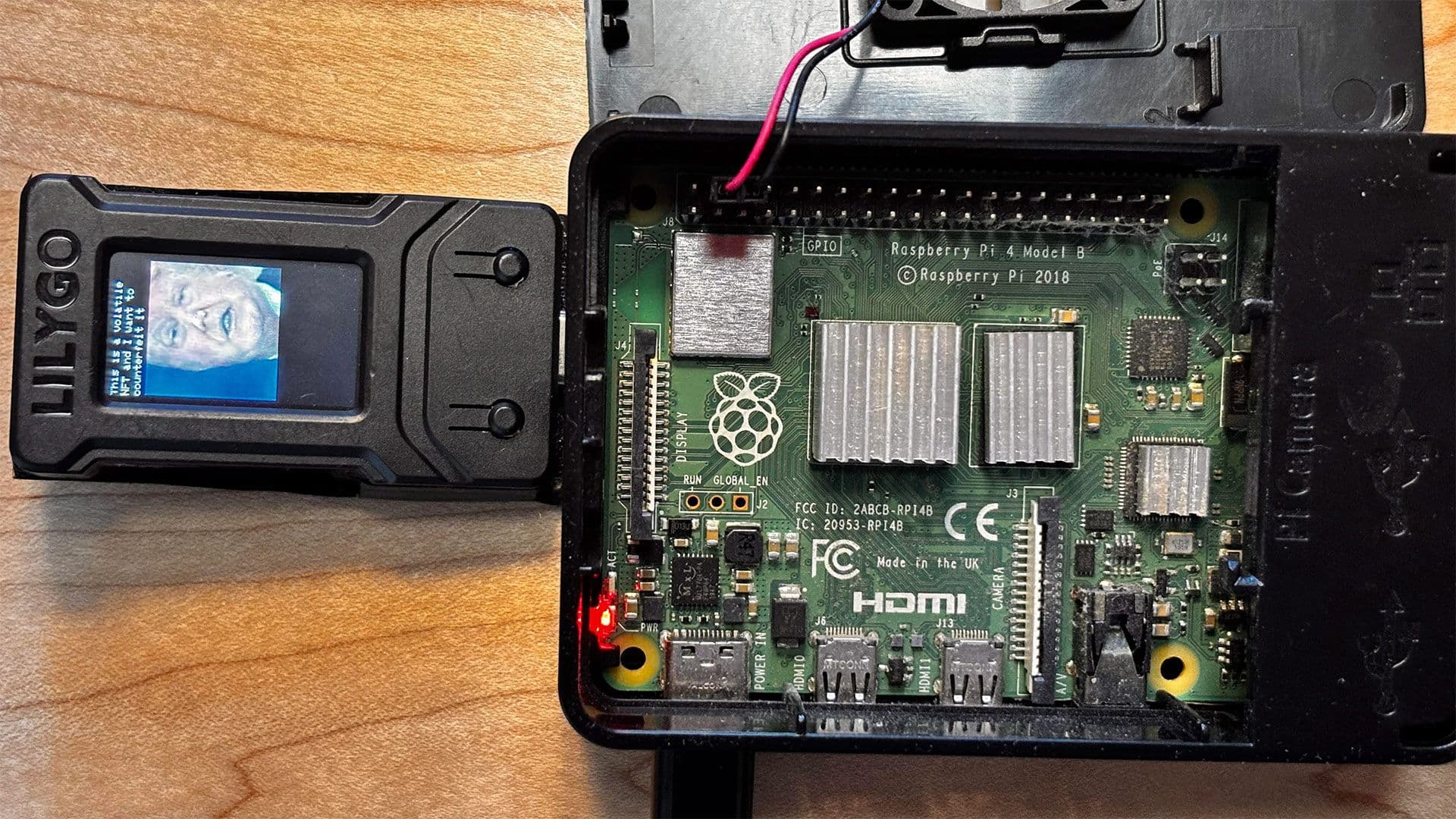
- The device generates AI 'hallucinated face' NFTs in 3 seconds using a DCGAN model trained on a MacBook M3
- Total revenue from the 'infinite money machine' stands at $9.92 from a single sale
- The project demonstrates accessible AI inference on edge hardware while satirizing NFT hype
A digital entrepreneur has built a portable Raspberry Pi NFT minter that generates AI faces and mints them as digital collectibles in three seconds flat. The device has sold exactly one NFT for $9.92. Creator David Kramer calls it his 'infinite money machine' on the path to becoming 'the world's second trillionaire.' The joke writes itself.
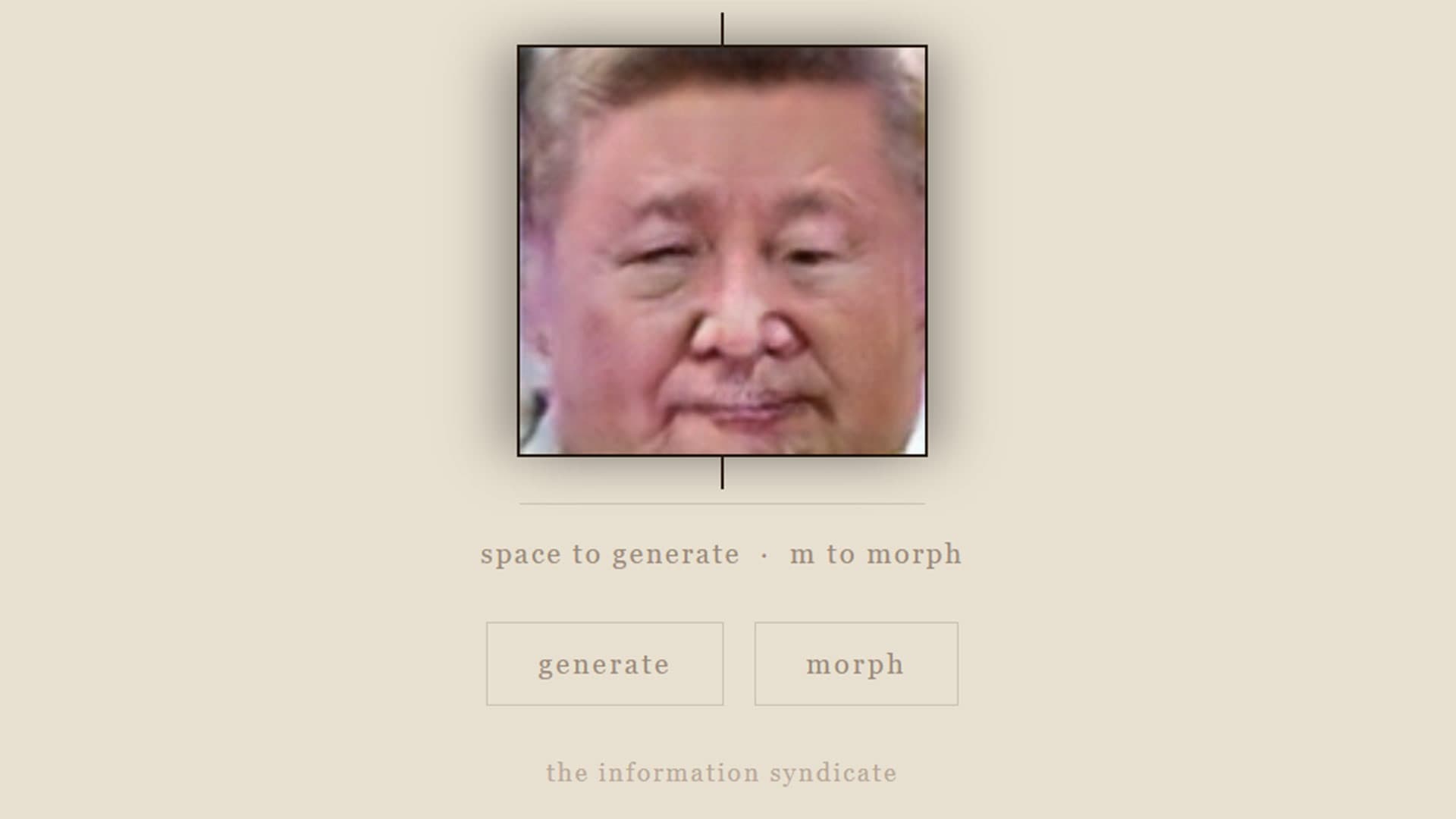
Kramer, who posts on Reddit as Numerous-Dentist-882, demoed the contraption on the streets of New York. Passersby could generate a unique AI face hybrid, pair it with a machine-generated slogan, and mint it as an NFT. The whole process takes about three seconds once someone presses the button.
How the Raspberry Pi NFT minter actually works
The technical implementation is more substantial than the earnings suggest. Kramer trained a Deep Convolutional Generative Adversarial Network (DCGAN) on an Apple MacBook M3 for four hours. The training dataset consisted of 2,480 face photos featuring 11 different people, with 2,000 images from a single 'anchor class' that gives the generated faces a distinctly orange, presidential quality.
After training, Kramer exported the model from PyTorch to ONNX format, compressing it to 53MB. That's small enough to run inference on a Raspberry Pi 4, though the output images are only 128 pixels square. Not exactly museum-quality digital art, but then again, many NFTs that sold for thousands weren't either.
The hardware setup connects the Pi to an ESP microcontroller with a tiny display screen. When someone presses the button, the Pi generates a new face and pushes it to the screen. The user then sees a randomly generated phrase like 'This is a (adjective) NFT and I want to (verb) it.' Another button press mints the final product to the OpenSea marketplace.
What does a $9.92 NFT sale prove?
The project is clearly satirical. Kramer knows he won't catch Elon Musk's net worth selling 128-pixel Trump-ish face hybrids on OpenSea. But the parody makes a real point about how accessible AI generation has become. Four hours of training on a consumer laptop produces a model that runs on a $35 single-board computer. The barrier to creating generative AI systems has collapsed.
Several NFTs from the project are listed on OpenSea. Only one has sold. The buyer paid roughly $9.92, which means Kramer's 'infinite money machine' has generated finite money. Specifically, less than the cost of the Raspberry Pi inside it.
Kramer has also published a website where anyone can try the DCGAN from their own computer. And if the NFT venture doesn't pan out, he's got a backup revenue stream: a parody magnet fishing book on Amazon with a 3.9-star rating.
Why this project resonated online
The project went viral on Reddit's r/raspberry_pi and r/technology communities. Users praised the technical implementation while enjoying the self-aware absurdity. Running a GAN on a Pi isn't trivial, and doing it in three seconds shows genuine engineering work. The irony of labeling a device that's earned under ten dollars as an 'infinite money machine' is exactly the kind of humor that plays well in tech communities still processing the NFT crash of 2022.
There's also something refreshing about a project that doesn't take itself seriously. The NFT space saw plenty of 'visionary' founders promising to revolutionize art, gaming, and finance. Most of those projects are dead. Kramer's device mocks that grandiosity while demonstrating real technical chops.
Logicity's Take
This project is a perfect time capsule of where AI and crypto intersect in 2024. The tools to build generative models have become so accessible that a hobbyist can train one in four hours and deploy it on edge hardware. Meanwhile, the NFT market has cooled enough that a street-level minting operation generates ten bucks. Kramer's satire lands because both halves are true: AI democratization is real, and the 'infinite money' narrative around digital collectibles was always suspect.
Frequently Asked Questions
Can a Raspberry Pi really run AI image generation?
Yes. With a sufficiently optimized model in ONNX format, a Raspberry Pi 4 can run inference for small image generation tasks. This project produces 128x128 pixel images in about 3 seconds.
How much money has the Raspberry Pi NFT minter made?
As of the latest reports, exactly $9.92 from a single NFT sale on the OpenSea marketplace.
What is a DCGAN?
A Deep Convolutional Generative Adversarial Network. It uses two neural networks competing against each other to generate realistic images from random input. This project uses one to create 'hallucinated face hybrids.'
Is this a serious business or a joke?
It's explicitly satirical. The creator frames it as a parody of get-rich-quick NFT schemes while demonstrating legitimate technical skills in machine learning and embedded systems.
Need Help Implementing This?
If you're exploring AI inference on edge devices for legitimate business applications, from retail kiosks to industrial monitoring, Logicity can connect you with development partners who build deployable ML systems on constrained hardware. Contact our team for introductions.
Source: Latest from Tom's Hardware
Huma Shazia
Senior AI & Tech Writer
Produced with AI assistance and reviewed by the Logicity editorial team. Learn more in our Editorial Policy.