Key Takeaways
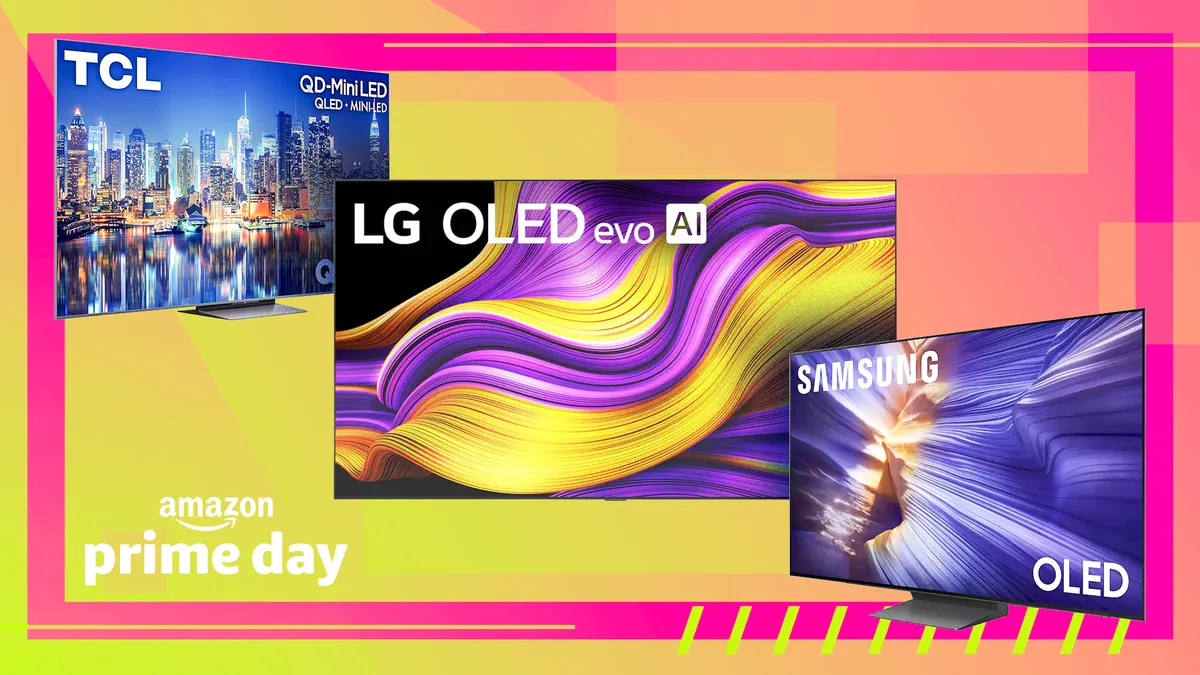
- Prime Day 2026 TV deals include savings up to $2,000 on premium OLED and Mini-LED models from Samsung, Sony, and TCL
- The TCL X11L 85-inch drops to $6,000 (down $2,000), while budget options like the Insignia F70 65-inch hit $380
- Samsung's S90F OLED at $998 and the TCL QM8K at $998 offer the best value for mid-range buyers
Amazon Prime Day 2026 ends today, June 26, and the remaining TV inventory is where the real value sits. Discounts range from $300 to $2,000 across Samsung, Sony, TCL, Hisense, and Toshiba models. If you're upgrading a conference room display, a home office setup, or your living room, the final hours are worth a look.
The deals span budget sets under $400 to premium 85-inch Mini-LED panels at $6,000. Most of these TVs have been tested by ZDNET's editorial team for color accuracy, refresh rate performance, and smart TV software. Here's what's still available.
Best Prime Day TV deals still live
The TCL QM8K 65-inch is $998, a $500 discount from its $1,500 list price. It runs at 120Hz natively and can boost to 144Hz for gaming. The matte display cuts glare, which matters if your room has windows. Bang & Olufsen designed the speakers.
Samsung's S90F 55-inch OLED is also $998, down $300 from $1,298. This is last year's flagship, but it still offers a 144Hz refresh rate and Pantone-validated color accuracy. The S90F competes directly with LG's C3 OLED, which typically runs $200 higher at this screen size.
For larger screens, the Hisense Canvas S7 75-inch drops to $1,399, saving $1,100 off its original $2,499 price. That's the steepest percentage discount in this roundup. The S7 uses a matte display designed to look like artwork when idle.
Premium and budget options worth considering
The TCL X11L 85-inch represents the high end at $6,000, down from $8,000. This model uses Micro RGB technology, which combines Mini-LED backlighting with RGB subpixels. The result is better per-pixel contrast than standard Mini-LED. It's overkill for most conference rooms but makes sense for executive suites or high-end home theaters.
Sony's Bravia 8 II 65-inch sits at $2,698, a $600 discount. Sony's processing typically handles motion better than competitors at this price point, which matters for sports viewing. The Bravia 8 II competes with LG's G4 OLED and Samsung's S95D, both of which list higher before discounts.
On the budget side, the Insignia F70 65-inch hits $380, down from $900. That's a 58% discount. Picture quality won't match the premium sets, but for a secondary display or a break room TV, it's hard to argue with the price. The Toshiba Z670 75-inch at $899 (down $600) offers a middle ground.
How these prices compare to Black Friday
Prime Day discounts on TVs typically match or beat Black Friday pricing. Manufacturers use this window to clear inventory before new models arrive in fall. The Samsung S90F, for example, will likely be replaced by the S90G later this year. Buying last year's flagship at a 29% discount is often smarter than paying full price for incremental upgrades.
Adobe Analytics reported $14.2 billion in total US online spending during Prime Day 2023. TVs consistently rank as the most-searched deal category, alongside laptops and storage drives. The average discount on major TV brands during Prime Day runs 35% to 50%.
Which deal makes sense for your setup?
For most buyers, the Samsung S90F at $998 or TCL QM8K at $998 hit the sweet spot. Both offer 144Hz refresh rates, solid color accuracy, and smart TV platforms that won't frustrate you. The Samsung runs Tizen; the TCL runs Google TV.
If you need a larger screen for a boardroom or presentation space, the Hisense Canvas S7 at 75 inches for $1,399 is the value pick. The matte display reduces glare from overhead lighting, which matters in office environments.
Budget-conscious buyers should grab the Insignia F70 at $380. It won't win any awards, but it gets the job done for background viewing or secondary screens.
Logicity's Take
Prime Day TV deals are most valuable for enterprise buyers refreshing conference room displays or executives upgrading home office setups. The Samsung S90F OLED at $998 undercuts equivalent LG C3 models by roughly $200 and beats Vizio's QD-OLED offerings on smart TV software quality. TCL's X11L at $6,000 targets buyers who would otherwise consider Sony's A95L or Samsung's S95D flagships, both of which list above $3,000 for 65-inch models. For bulk purchases, Insignia and Toshiba budget sets at sub-$1,000 prices make financial sense for secondary displays, though Hisense offers better long-term reliability at modest premiums.
Competing Prime Day alternatives from warehouse clubs
Frequently Asked Questions
When does Prime Day 2026 end?
Prime Day 2026 ends on June 26, 2026. Most deals expire at midnight Pacific Time, though some may sell out earlier.
Do I need Amazon Prime to access these TV deals?
Yes. Prime Day deals require an active Amazon Prime membership, which costs $139 per year or $14.99 monthly. Free 30-day trials qualify.
Are Prime Day TV prices better than Black Friday?
Generally, yes. Manufacturers clear inventory before fall model releases, so Prime Day discounts often match or exceed Black Friday pricing on current-generation TVs.
Which Prime Day TV deal offers the best value?
The Samsung S90F 55-inch OLED at $998 and TCL QM8K 65-inch at $998 offer the strongest balance of features, display quality, and price for most buyers.
Should I buy last year's TV model on Prime Day?
Often, yes. Year-over-year improvements in TVs are incremental. Last year's flagships at 25% to 35% discounts typically outperform this year's mid-range models at full price.
Need Help Implementing This?
Planning AV upgrades for your office or conference rooms? Logicity's enterprise tech advisory can help you evaluate display requirements, compare vendor options, and negotiate bulk pricing. Contact our team for a consultation.
Source: Latest news
Huma Shazia
Senior AI & Tech Writer
Produced with AI assistance and reviewed by the Logicity editorial team. Learn more in our Editorial Policy.