Key Takeaways
- Sam's Club drops first-year membership to $15 (70% off) to compete with Prime Day 2026
- Featured deals include HP OmniBook 7 at $679 ($220 off) and Apple iPad Pro M4 at $800 ($149 off)
- Warehouse clubs now routinely counter-program Amazon's sales event as a customer acquisition strategy
Sam's Club is slashing its membership fee to $15 for new subscribers as it rolls out 35+ deals timed to compete directly with Amazon Prime Day 2026. The promotion cuts 70% off the standard $60 annual fee, a clear play to peel customers away from Amazon during its flagship shopping event.
The warehouse club, owned by Walmart, is positioning itself as the alternative for shoppers who want Prime Day pricing without the Prime subscription. Non-members can browse online with a guest account, but the deeper discounts require a membership. At $15 for year one, the barrier to entry has never been lower.
What tech deals is Sam's Club offering?
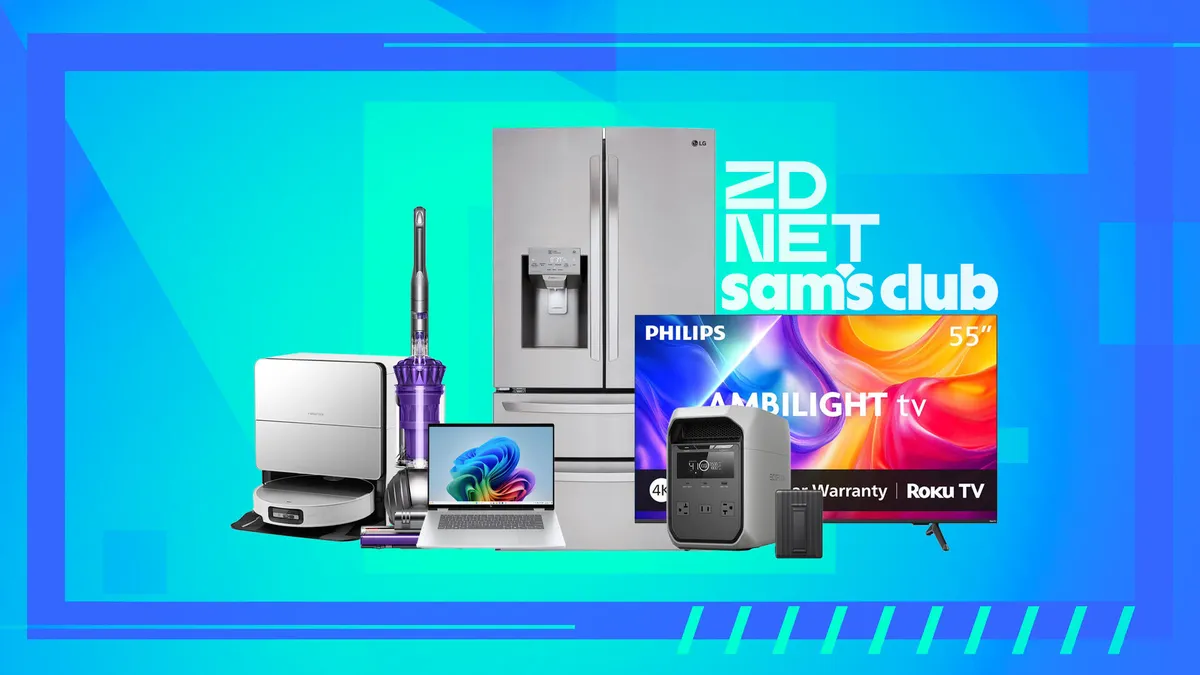
The standout tech deals span laptops, tablets, TVs, and smart home devices. The HP OmniBook 7 laptop is listed at $679, a $220 discount. Apple's iPad Pro M4 drops to $800, saving buyers $149. For home entertainment, a Samsung 65-inch QN70FD TV goes for $648 (down $250), while a Philips 55-inch 7875 with Ambilight technology sells for $279.
The Roborock Saros 10 robot vacuum sees one of the steeper cuts at $999, marked down $601 from its original price. An EcoFlow Delta 3 portable power station bundled with a magnetic power bank is $340, saving $90. For audio, a Pioneer portable speaker is $99, half off its regular price.
How does the membership discount work?
The $15 price applies to the Club tier for first-year members. After year one, it renews at $60. The Plus membership, which adds 2% cash back and early shopping hours, is also discounted to $50 for the first year, down from $120.
Both tiers include access to discounted fuel prices at Sam's Club gas stations and the Scan & Go mobile checkout service. The math is simple: if you plan to buy even one of these discounted items, the $15 membership pays for itself immediately.
Why warehouse clubs counter-program Prime Day
This is not a new tactic. Retailers including Sam's Club, Costco, Target, and Walmart have timed major promotions to overlap with Prime Day for years. The strategy works because Prime Day generates massive shopping intent. Consumers are already primed to buy. Competitors simply redirect some of that attention.
For Sam's Club, the deeper goal is membership acquisition. Amazon Prime has over 200 million subscribers globally. Sam's Club has roughly 47 million US members. Every Prime Day is a chance to convert deal hunters into long-term members, especially when the entry fee drops to $15.
The $15 membership is loss-leader pricing. Sam's Club bets that once shoppers join, they will renew at full price and keep buying throughout the year. The same logic drives Amazon's strategy with Prime.
Which deals are worth it?
The iPad Pro M4 at $800 is competitive with Amazon's own pricing during Prime Day. The HP OmniBook 7 at $679 undercuts most comparable configurations from Dell and Lenovo. The Roborock Saros 10 discount is substantial, though buyers should verify whether Amazon matches or beats that price during the event.
Home appliance deals may be the strongest category. The LG 28 cu ft refrigerator at $1,795, down $1,700, is an aggressive promotion, though appliance purchases from warehouse clubs come with different delivery and installation logistics than big-box retailers.
Logicity's Take
Sam's Club is playing offense, not defense. The $15 membership is a customer acquisition cost, not a sustainable price point. For tech buyers, the real question is whether you would shop at Sam's Club more than once. If yes, the membership pays for itself. If you just want a single deal, compare against Amazon, Best Buy, and Costco first. Best Buy often matches Prime Day prices without a membership. Costco charges $65 annually but includes a stronger return policy. Amazon Prime itself is $139 per year but bundles streaming, music, and shipping. The right choice depends on which ecosystem you already use.
Frequently Asked Questions
Do I need a Sam's Club membership to shop online?
No. Non-members can shop online using a guest account, but guest purchases may include a service fee and do not qualify for member-exclusive discounts.
How long is the $15 membership deal available?
The $15 first-year promotion is tied to the Prime Day 2026 period. Check Sam's Club directly for the exact end date.
Does Sam's Club price match Amazon Prime Day deals?
Sam's Club does not have an official price-matching policy. However, its competing deals are designed to be comparable or better in many categories.
What is the difference between Club and Plus memberships?
Club costs $60 per year ($15 promotional). Plus costs $120 ($50 promotional) and adds 2% cash back on purchases plus early shopping hours.
Need Help Implementing This?
Looking for enterprise purchasing strategies or bulk procurement analysis? Reach out to Logicity's editorial team for guidance on vendor comparisons and cost optimization.
Source: Latest news
Huma Shazia
Senior AI & Tech Writer
Produced with AI assistance and reviewed by the Logicity editorial team. Learn more in our Editorial Policy.




