Key Takeaways
- RAM prices are expected to double throughout 2027 due to AI data center demand consuming global memory supply
- Prime Day 2026 offers up to 18% off RAM, likely the last major discounts for at least a year
- Both DDR5 and DDR4 are affected by the shortage, making current deals worth acting on quickly
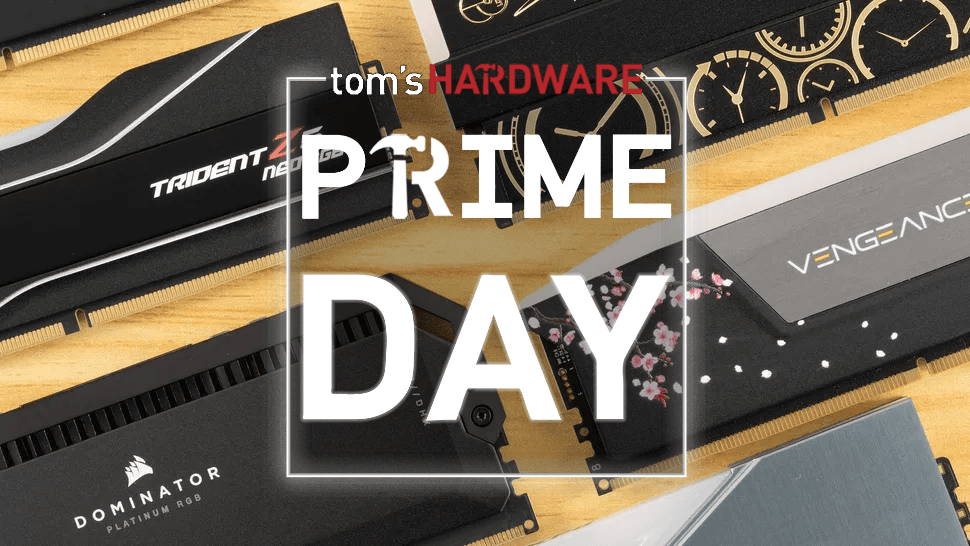
Amazon Prime Day 2026 is delivering rare discounts on DDR5 and DDR4 memory, and the timing matters. RAM prices are projected to double throughout 2027 as AI data centers continue hoarding global memory stocks. These Prime Day deals, with discounts up to 18%, may be the last significant savings consumers see for a year or longer.
The culprit behind the price crunch is straightforward: massive AI infrastructure buildouts are soaking up DRAM production. Samsung, SK Hynix, and Micron control roughly 95% of global DRAM manufacturing. These three companies are prioritizing high-bandwidth memory for data center GPUs over consumer DDR5 and DDR4 modules. The result is a supply squeeze that shows no sign of easing.
Why are RAM prices rising so sharply?
Memory pricing operates on boom-bust cycles, driven by the delicate supply-demand balance among those three manufacturers. The current upcycle, however, is being stretched unusually long. AI demand is competing directly with consumer and enterprise computing needs, and AI is winning that fight.
The global DRAM market hit $16.7 billion in 2024 and is projected to exceed $25 billion by 2027. That growth sounds healthy until you realize where the capacity is going. Data centers building out infrastructure for large language models and other AI workloads require enormous quantities of specialized memory. Every wafer dedicated to HBM for an Nvidia GPU is a wafer not producing your next DDR5 kit.
Making matters worse, DDR4 production lines are approaching end-of-life. Manufacturers have little incentive to maintain legacy capacity when they can retool for higher-margin products. This creates a pincer movement: DDR5 supply constrained by AI demand, DDR4 supply constrained by deliberate phase-out.
What Prime Day RAM deals are available?
Amazon is offering up to 18% off RAM during Prime Day 2026. The deals span budget-friendly memory kits through premium options. Both DDR5 and DDR4 modules are discounted, though specific prices are moving fast as inventory depletes.
Tom's Hardware notes these deals represent pre-negotiated pricing from before the current price spike fully hit. Retailers locked in inventory costs months ago. Once that inventory clears, replacement stock will arrive at significantly higher wholesale prices. The window for these discounts is measured in hours, not days.
For buyers building a new system or upgrading, the advice is blunt: act now. Waiting for prices to stabilize is a losing bet when all indicators point to further increases throughout 2027.
DDR5 vs DDR4: which should you buy on Prime Day?
The choice depends entirely on your platform. Intel's 700-series and AMD's AM5 motherboards require DDR5. Older AM4 and Intel 600-series boards use DDR4. Check your motherboard specifications before purchasing. The modules are not interchangeable.
DDR5 adoption sits around 35-40% of the desktop market as of 2026. If you're planning a new build in the next year, DDR5 is the forward-looking choice. If you're extending the life of an existing AM4 or older Intel system, DDR4 makes more sense, and the deals may actually be better since manufacturers are clearing remaining inventory.
RAM bundle deals are also available, pairing memory with other components. These bundles often yield the lowest effective RAM pricing, especially when you were planning to buy the bundled items anyway.
How long will these Prime Day RAM prices last?
Not long. The memory market is volatile, and these deals are moving quickly. Tom's Hardware describes this as potentially the last major discount window for at least a year. Once Prime Day inventory sells through, the next restock will reflect current (higher) wholesale pricing.
If you've been holding off for the market to stabilize, the data suggests that's the wrong strategy. Signs indicate the problem will get worse in 2027, not better. Prices are expected to double. A 32GB DDR5 kit that costs $120 today might cost $240 next summer.
More Prime Day 2026 deals across hardware categories
The bigger picture: AI's impact on consumer hardware
This RAM shortage is a visible symptom of a broader shift. AI infrastructure is now competing directly with consumer electronics for semiconductor resources. Memory is just the first pinch point. GPU availability, already constrained, could tighten further. Even storage components share some manufacturing overlap.
For PC builders and upgraders, the lesson is uncomfortable but clear: the era of cheap components may be ending. Strategic purchasing during sales events like Prime Day becomes more important when baseline prices are climbing steadily.
Logicity's Take
The RAM price crunch is a preview of what happens when AI infrastructure scales faster than semiconductor capacity can grow. Memory manufacturers are rational actors chasing higher margins in data center products. Consumer pricing becomes collateral damage. If you need RAM in the next 12 months, buying during Prime Day isn't just smart. It's the only real option that makes financial sense.
Frequently Asked Questions
Will RAM prices go down in 2027?
All current indicators point to prices doubling throughout 2027, not decreasing. AI data center demand continues to constrain supply for consumer memory modules.
Is DDR4 still worth buying in 2026?
Yes, if your motherboard uses DDR4. It remains a capable standard for gaming and productivity. However, DDR4 production is winding down, so current deals may represent the best pricing you'll see.
How much RAM do I need for gaming in 2026?
32GB is the current sweet spot for gaming and multitasking. 16GB remains functional for lighter workloads, while 64GB benefits content creators and heavy multitaskers.
Why is the memory shortage happening?
AI data centers require massive quantities of high-bandwidth memory. The three major DRAM manufacturers (Samsung, SK Hynix, Micron) are prioritizing this higher-margin production over consumer DDR5 and DDR4.
Can I mix DDR4 and DDR5 RAM?
No. DDR4 and DDR5 use different physical slots and are not compatible. You must match your RAM type to your motherboard's specifications.
Need Help Implementing This?
Planning a PC build or upgrade and unsure which RAM to choose? Reach out to Logicity's tech team for guidance on making the most of Prime Day deals before prices climb further.
Source: Latest from Tom's Hardware
Huma Shazia
Senior AI & Tech Writer
Produced with AI assistance and reviewed by the Logicity editorial team. Learn more in our Editorial Policy.