Key Takeaways
- AI tools have compressed MVP timelines, raising investor expectations even at pre-seed stage
- Conviction and storytelling still matter when founders lack a working product
- Three VCs from Axiom Partners, True Ventures, and Slauson & Co. will share specific tactics at Disrupt 2026
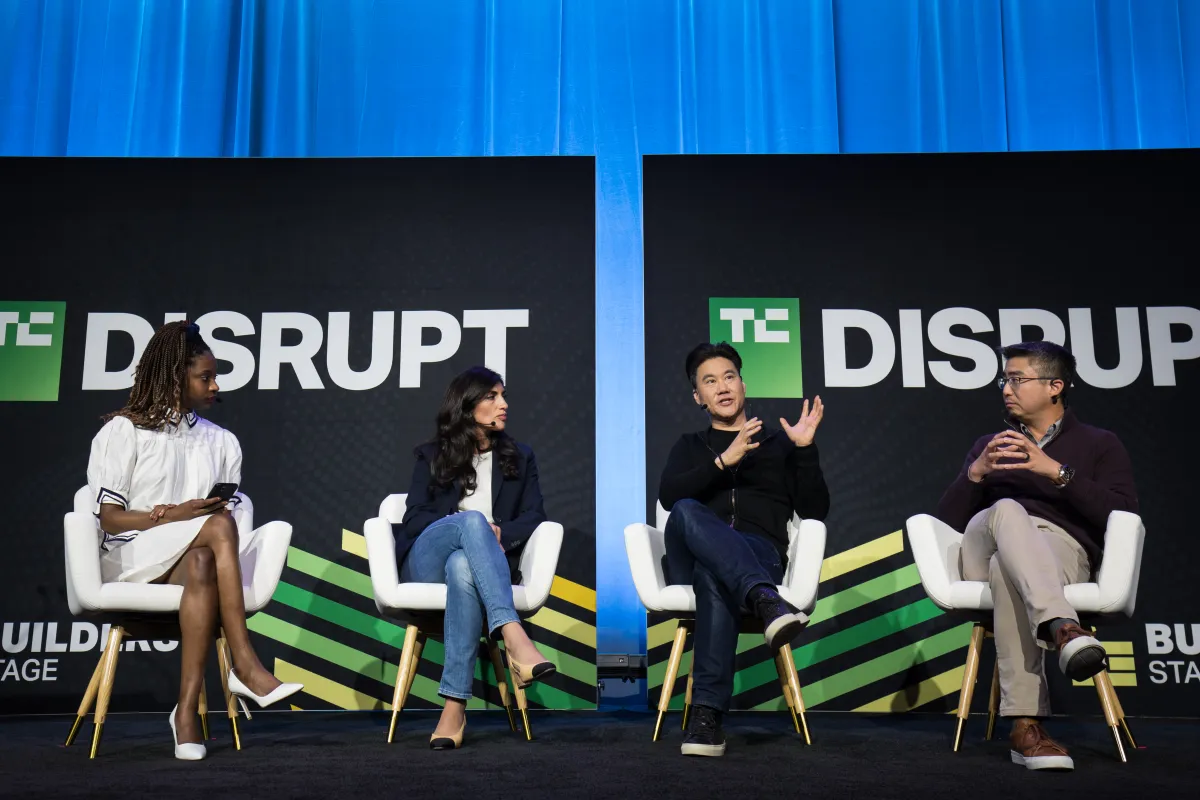
AI coding tools have made it possible to build an MVP in weeks rather than months. That shift has raised investor expectations across the board, and founders seeking pre-seed funding without a product are feeling the squeeze. TechCrunch Disrupt 2026 is tackling the question directly with a panel called "Winning Pre-Seed Without a Product," scheduled for October 13-15 at Moscone West in San Francisco.
The premise is simple: if competitors can ship a working prototype over a weekend, what does a pre-product founder bring to the table? Three investors will argue that conviction and storytelling still unlock capital, even when there's nothing to demo.
Why pre-seed expectations have changed
The bar for early-stage funding has shifted upward. AI startups are absorbing a disproportionate share of seed capital, and that competition bleeds into pre-seed rounds. Founders who once needed only a pitch deck and domain expertise now find themselves compared against peers with functioning products built using tools like Cursor, Replit, or Claude.
This creates a paradox. Deep-tech founders, those solving problems that require custom hardware, novel research, or regulatory groundwork, can't compress their timelines the same way a SaaS founder can. Non-technical founders face a similar disadvantage. The panel aims to offer a playbook for both groups.
Who's on the panel
Sandhya Venkatachalam runs Axiom Partners, a $52 million early-stage fund focused on connecting founders with AI practitioners. Before launching Axiom, she was a GP at Khosla Ventures and Social Capital, where she led the first investment in Groq and backed GalileoAI, ForethoughtAI, and FirefliesAI. Each of those companies has either been acquired or reached unicorn status.
Puneet Agarwal is a managing partner at True Ventures, an early-stage firm with roots going back to 2005. True has deployed capital across 12 funds, partnered with more than 500 companies and 1,050 founders, and notched over 60 acquisitions plus seven IPOs. Agarwal focuses specifically on enterprise infrastructure during the AI transition, which puts him at the intersection of where most pre-seed deals are happening.
Austin Clements is a managing partner at Slauson & Co., a fund that prioritizes economic inclusion and small business empowerment. He founded an accelerator within the firm to sharpen that focus and chairs PledgeLA, a partnership with the Annenberg Foundation and the LA mayor's office promoting diversity in tech. Slauson's portfolio includes Glīd, the winner of Startup Battlefield 2026.
What founders can expect to learn
The session sits on the Builders Stage at Disrupt, which hosts workshops and conversations on operational decisions, fundraising mechanics, and go-to-market strategy. Based on the panelist backgrounds, expect the discussion to cover several angles.
- How to demonstrate founder-market fit when you can't demonstrate product-market fit
- What signals replace traction data at the earliest stages
- Whether storytelling is a crutch or a genuine differentiator
- How inclusion-focused investors evaluate overlooked founders
Venkatachalam's track record with AI-native companies suggests she'll speak to how technical depth compensates for missing prototypes. Agarwal's enterprise lens means he'll likely address how founders articulate a clear wedge into large markets. Clements will probably focus on founders who don't fit the Stanford-dropout archetype and how they can still compete for capital.
The broader Disrupt 2026 context
This panel is one piece of a larger programming slate TechCrunch is rolling out for October. Disrupt has historically served as a launchpad for startups at inflection points. The Startup Battlefield competition, which Glīd won, is the most visible example, but the Builders Stage sessions often deliver more tactical value for founders in the audience.
Tickets are currently available at early pricing. Disrupt runs October 13-15 in San Francisco.
Logicity's Take
The panel's composition tells you something about where pre-seed is headed. You have a deep-tech AI investor, an enterprise infrastructure generalist, and an inclusion-focused operator. That's not an accident. The founders who will succeed without a product in 2026 are likely those solving hard technical problems that can't be vibe-coded in a weekend, or those bringing lived experience to markets that mainstream VCs have historically ignored. If you're building a SaaS dashboard competitor, you probably need a working product. If you're tackling novel AI infrastructure or underserved communities, conviction still matters. Founders preparing for these conversations should have their deck built in [Notion](https://logicity.in/r/notion), their investor pipeline organized in [Airtable](https://logicity.in/r/airtable) or [Pipedrive](https://logicity.in/r/pipedrive), and a clear story about why the problem requires them specifically to solve it.
Disclosure
Some links in this post are affiliate links — Logicity earns a commission if you sign up, at no extra cost to you. We only link products we have used or actively recommend.
Frequently Asked Questions
Can you raise pre-seed funding without a product in 2026?
Yes, but the bar is higher than it was two years ago. Investors now expect either exceptional founder-market fit, a technical moat that can't be replicated quickly with AI tools, or access to underserved markets. Storytelling and conviction remain important, but they must be backed by a clear thesis on why you're uniquely positioned.
What is the difference between pre-seed and seed funding?
Pre-seed rounds typically range from $250K to $1M and fund idea validation or early team building. Seed rounds, now often $2M to $5M, expect a working MVP and early traction signals. The lines have blurred as AI accelerates development, pushing some seed-stage expectations into pre-seed conversations.
When is TechCrunch Disrupt 2026?
Disrupt 2026 runs October 13-15 at Moscone West in San Francisco. The "Winning Pre-Seed Without a Product" panel is part of the Builders Stage programming.
Who are the investors speaking at the pre-seed panel?
The panel features Sandhya Venkatachalam of Axiom Partners, Puneet Agarwal of True Ventures, and Austin Clements of Slauson & Co. All three have backgrounds in early-stage investing with different sector and demographic focuses.
Need Help Implementing This?
Preparing for a pre-seed raise? Logicity helps founders structure their narrative, refine their deck, and identify the right investors. Reach out to our team for a strategy session.
Source: Venture Capital News | TechCrunch / TechCrunch Events
Manaal Khan
Tech & Innovation Writer
Produced with AI assistance and reviewed by the Logicity editorial team. Learn more in our Editorial Policy.