Key Takeaways

- Pope Leo XIV will launch 'Magnifica Humanitas' on May 25, his first encyclical addressing AI and human dignity
- Anthropic co-founder Christopher Olah's presence signals Vatican alignment with AI safety concerns
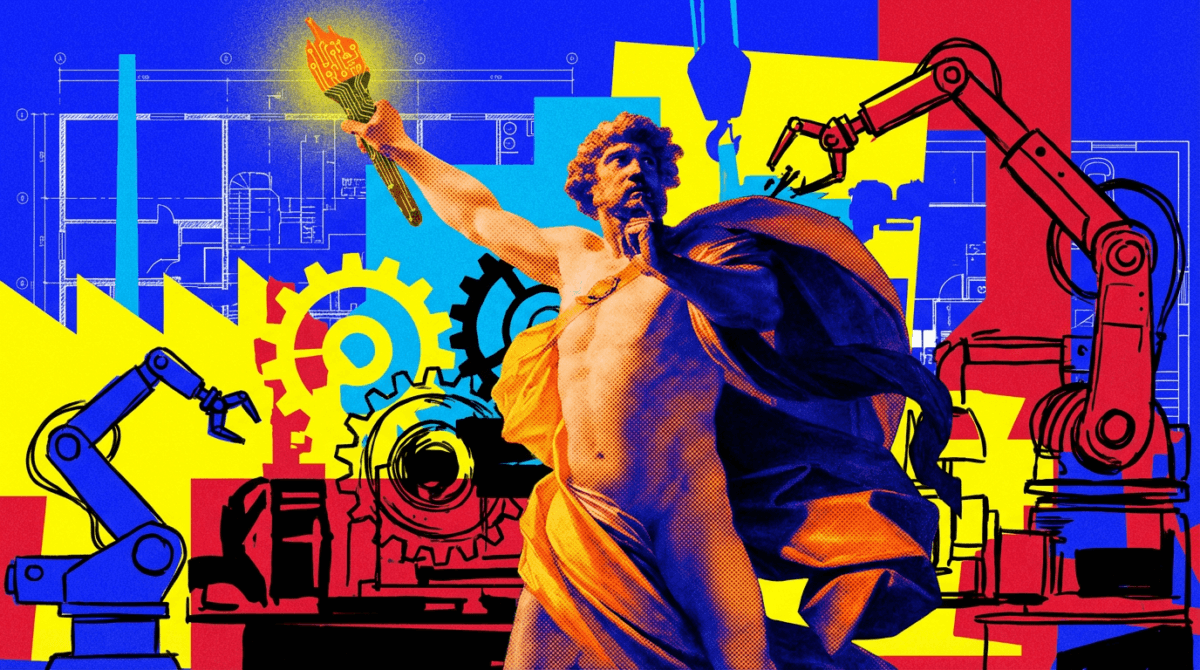
- The encyclical draws parallels between AI and the Industrial Revolution, framing both as existential questions for workers and society
Pope Leo XIV will release his first encyclical on May 25. The document, titled "Magnifica Humanitas" (Magnificent Humanity), addresses human dignity in the age of artificial intelligence. Anthropic co-founder Christopher Olah will speak at the Vatican launch.
The choice of speaker is not subtle. In February, the Trump administration banned all U.S. agencies from using Anthropic's AI technology. The company had refused to give the U.S. military unrestricted access to its systems. Anthropic is now suing the administration, claiming illegal retaliation.
By inviting Olah to the Vatican, Pope Leo XIV is making a statement. The American pope has made AI a central concern of his young pontificate. He has repeatedly called for monitoring AI in warfare.
An Unusual Vatican Event
The launch itself breaks Vatican protocol. Encyclical presentations typically happen in the Vatican press room with a handful of officials. This one will take place in the main Vatican auditorium with what the Vatican calls an "all-star cast."
Two top cardinals will present the document: doctrine chief Cardinal Víctor Manuel Fernández and development chief Cardinal Michael Czerny. Olah will speak alongside theologians Anna Rowlands and Leocadie Lushombo. Cardinal Pietro Parolin, the Vatican secretary of state, will offer concluding remarks. The pope himself will deliver a speech and final blessing.
Pope Leo XIV signed the document on May 15. The date was deliberate: exactly 135 years after Pope Leo XIII signed "Rerum Novarum" (Of New Things), his landmark encyclical on workers' rights during the Industrial Revolution.
Drawing Parallels to the Industrial Revolution
"Rerum Novarum" addressed the limits of capitalism and the obligations that states and employers owed workers. It became the foundation of modern Catholic social thought. The current pope has already cited it when discussing AI, arguing that both revolutions pose the same existential questions about human labor and dignity.
The new encyclical is expected to frame AI within the church's existing social teaching on labor, justice, and peace. This is not the Vatican's first engagement with tech ethics. But it is the first time a pope has devoted a major teaching document specifically to artificial intelligence.
Why Anthropic?
Anthropic's presence at the Vatican reflects the company's founding mission. CEO Dario Amodei and his brother worked at OpenAI before leaving in 2021. They disagreed with OpenAI chief Sam Altman about AI safety. Anthropic was built with a stated focus on making artificial general intelligence safer.
That focus on safety led to the Trump administration conflict. When Anthropic refused unrestricted military use of its AI systems, the administration responded with penalties and a government-wide ban. The lawsuit between Anthropic and the administration is ongoing.
Christopher Olah, who will speak at the Vatican, is a co-founder known for his work on AI interpretability. He focuses on understanding what happens inside neural networks. This aligns with the pope's stated concerns about monitoring and controlling AI systems.
Logicity's Take
What to Expect from the Encyclical
The Vatican has not released the full text of "Magnifica Humanitas." Based on the pope's previous statements, expect the document to address AI in warfare, worker displacement, and the need for human oversight of automated systems.
The encyclical will likely build on Catholic social teaching principles: human dignity is non-negotiable, technology must serve people rather than the reverse, and economic systems have moral obligations to workers.
Whether the document offers specific policy recommendations or stays at the level of moral principle remains to be seen. Encyclicals are teaching documents, not legislative proposals. But "Rerum Novarum" influenced labor law for decades. The Vatican clearly hopes "Magnifica Humanitas" will shape AI governance in similar ways.
Frequently Asked Questions
When will Pope Leo XIV release his AI encyclical?
The encyclical "Magnifica Humanitas" will be launched on May 25 at the Vatican.
Why is Anthropic's co-founder speaking at the Vatican?
Christopher Olah's work on AI safety aligns with the pope's concerns about monitoring AI, especially in warfare. Anthropic's refusal to give the U.S. military unrestricted AI access also mirrors Vatican positions.
What is the connection between this encyclical and Rerum Novarum?
Pope Leo XIV signed his AI encyclical exactly 135 years after Pope Leo XIII signed "Rerum Novarum," which addressed workers' rights during the Industrial Revolution. The current pope sees AI posing similar existential questions.
What happened between Anthropic and the Trump administration?
In February 2025, the Trump administration banned U.S. agencies from using Anthropic's AI after the company refused unrestricted military access. Anthropic is suing the administration, claiming illegal retaliation.
Need Help Implementing This?
Source: mint
Huma Shazia
Senior AI & Tech Writer
Produced with AI assistance and reviewed by the Logicity editorial team. Learn more in our Editorial Policy.