Key Takeaways
Polymarket bets on U.S. marketing blitz to win back trust after 4-year ban: Report
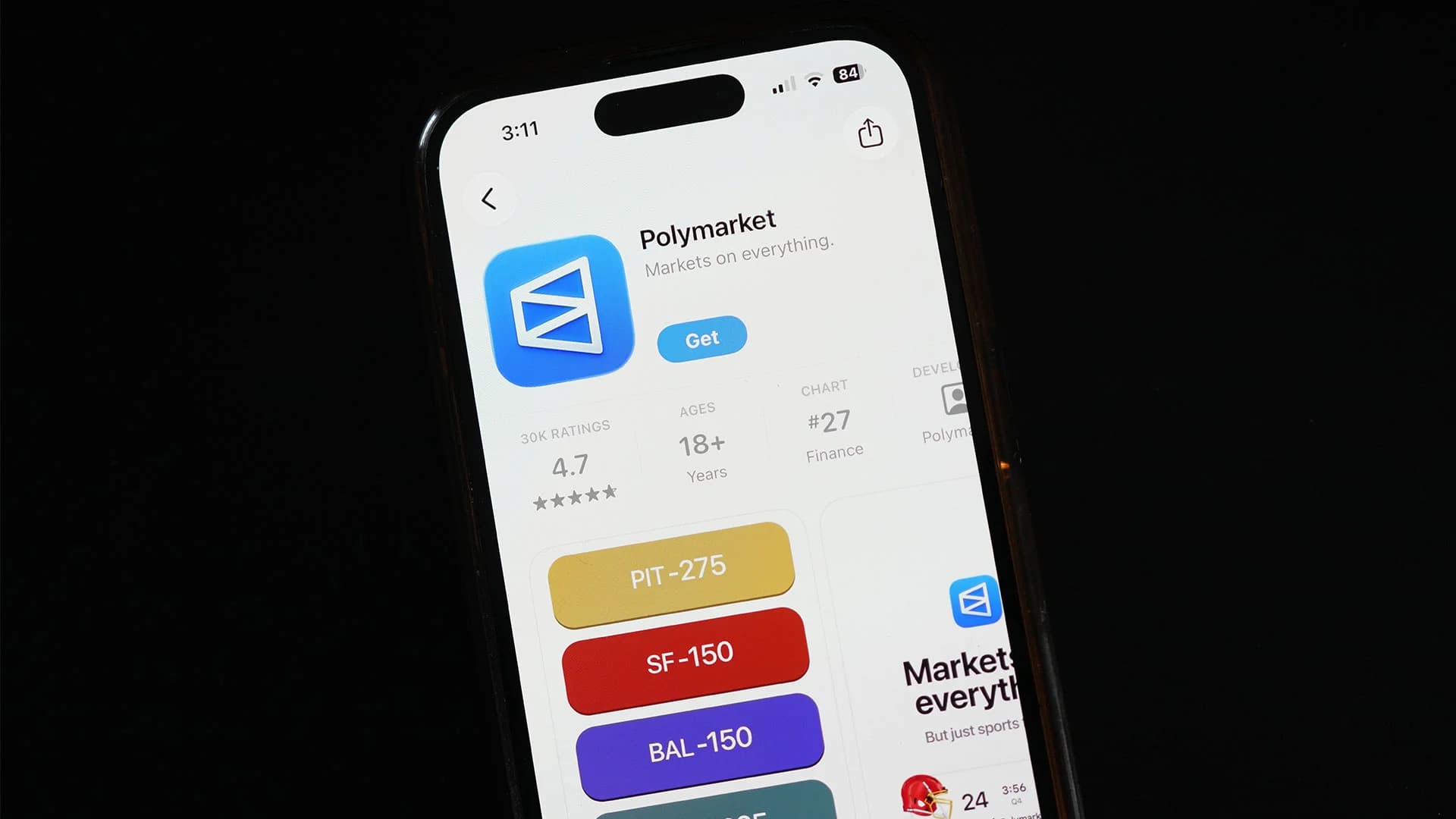
- Polymarket re-entered the US in late 2025 by acquiring derivatives exchange QCEX for its regulatory license
- The US platform operates under CFTC oversight with USD funding, separate from the crypto-based international version
- Prediction market trading volume across Polymarket and Kalshi has surged to $26.6 billion, up from $9.75 billion in October 2024
Polymarket is back in the United States after a four-year absence, and the prediction market platform is spending heavily to convince Americans it has changed. The company settled federal charges in 2022 for operating an unregistered derivatives market and was forced offshore. Now it has returned by acquiring QCEX, a licensed derivatives exchange, and is hiring compliance specialists from Robinhood, Coinbase, the FBI, and the Department of Justice to signal it means business.
"Trust is the product we are building here," Dan Lee, Polymarket's head of US operations, told Fast Company. Lee joined in February from Coinbase. The company has also brought on Megan McGrath from Robinhood as chief compliance officer and former federal officials to run enforcement and surveillance.
Why Polymarket was banned from the US
In January 2022, Polymarket paid $1.4 million to settle CFTC charges that it operated an illegal derivatives market without proper registration. The settlement forced the platform to stop serving US customers. Americans who wanted to keep trading found workarounds, typically VPNs, to access the offshore version. That international platform, built on blockchain and requiring cryptocurrency deposits, faced its own problems: allegations of insider trading and contracts tied to war and violence drew criticism.
The company's offshore success during the 2024 US presidential election, where it processed over $3.5 billion in trading volume, made its absence from the domestic market more conspicuous. Polymarket's X account grew to millions of followers, and it became the top downloaded app on Apple's App Store after the election.
How the US platform differs from international
Polymarket US and Polymarket International offer the same core service: trading on the probability of events in politics, sports, weather, and news. The architecture is different. The international platform runs on blockchain and requires crypto. The US version operates under CFTC regulation and accepts traditional US dollars.
Customers will barely notice the difference beyond how they fund accounts. But Polymarket US will have far fewer contracts available and stricter rules on what markets can exist.
"Polymarket U.S. is supposed to comply with U.S. law and regulations. Polymarket International is where anything goes," said Todd Phillips, who studies prediction markets at the Roosevelt Institute.
The marketing problem Polymarket must solve
Polymarket has signed partnerships with Major League Baseball, major sports teams, and news outlets including CNBC and CNN. It has hired social media influencers to produce viral TikTok content. The pitch: prediction markets offer a more accurate read on future events than traditional polling or punditry.
But the reintroduction has stumbled. The Wall Street Journal reported that some of Polymarket's influencer campaigns used allegedly deceptive tactics, showing hired creators making money on trades that were fake. Politico found that a Polymarket executive paid at least 20 political content creators, many of whom did not disclose those partnerships.
These revelations undercut the trust message. For a platform whose entire value proposition rests on accurate information aggregation, evidence of manufactured enthusiasm is damaging.
Polymarket vs Kalshi: who owns the US market
While Polymarket spent four years offshore, rival Kalshi captured the domestic market. Trading volume across both platforms now totals $26.6 billion, up from $9.75 billion in October 2024, according to blockchain analytics firm Dune. Kalshi commands roughly two-thirds of that activity, largely on the strength of sports betting.
Kalshi was valued at $22 billion in its most recent funding round. Polymarket raised $45 million in its Series B, led by Peter Thiel's Founders Fund. The gap in valuation reflects how much ground Polymarket lost during its exile.
Washington's changing stance on prediction markets
Both platforms benefit from a friendlier regulatory environment. The Trump Administration has been generally supportive of prediction markets. The CFTC has sued states that tried to impose local regulations on the industry, arguing federal law should preempt state rules. Donald Trump Jr. is an investor in Polymarket through his venture capital firm 1789 Capital.
This political backing gives Polymarket cover, but it does not solve the trust problem. Regulatory permission is not the same as public credibility.
Logicity's Take
For AI builders and product teams, Polymarket's relaunch is a case study in the gap between technical capability and user trust. The platform's prediction accuracy is demonstrably strong. Its 2024 election forecasts outperformed traditional polls. But trust is not just about being right. It is about how you operate, who vouches for you, and whether your marketing matches reality. Teams building AI products that aggregate crowd intelligence or make probabilistic predictions should study both what Polymarket got right (the core product) and what it got wrong (the influencer shortcuts). The compliance hires signal that regulated markets require institutional credibility, not just viral growth.
What comes next for Polymarket
Lee says Polymarket's US success depends "almost entirely" on proving the domestic platform can be trusted. The company is betting that former federal officials in enforcement roles and a wall between US and international operations will convince skeptics.
The prediction market industry has matured during Polymarket's absence. Kalshi has the market share. Washington is friendly but watching. The question is whether Polymarket can earn the trust it lost, or whether the fake influencer trades become the story that defines its comeback.
Frequently Asked Questions
Why was Polymarket banned from the US?
Polymarket settled CFTC charges in January 2022 for operating an unregistered derivatives market. The company paid $1.4 million and agreed to stop serving US customers.
How did Polymarket return to the US market?
Polymarket acquired QCEX, a licensed derivatives exchange, at the end of 2025. This gave the company the regulatory license needed to operate legally in the United States.
What is the difference between Polymarket US and Polymarket International?
Polymarket US operates under CFTC regulation and accepts US dollars. Polymarket International runs on blockchain and requires cryptocurrency. The US version will have fewer available contracts and stricter rules.
How does Polymarket compare to Kalshi?
Kalshi dominates the US prediction market with roughly two-thirds of total trading volume and a $22 billion valuation. Polymarket raised $45 million in its Series B and is working to regain market share.
Is Polymarket legal in the United States now?
Yes. Since acquiring QCEX's regulatory license in late 2025, Polymarket US operates legally under CFTC oversight. The international platform remains separate and is not available to US users.
Need Help Implementing This?
Building prediction or probabilistic AI products? Logicity helps product teams navigate compliance, trust architecture, and go-to-market strategy for regulated markets. Contact us to discuss your project.
Source: Fast Company / Associated Press
Manaal Khan
Tech & Innovation Writer
Produced with AI assistance and reviewed by the Logicity editorial team. Learn more in our Editorial Policy.