Key Takeaways
Paytm Q1 Profit Jumps 79%: Bonus Delayed & Will MDR Trigger The Next Stock Rally?
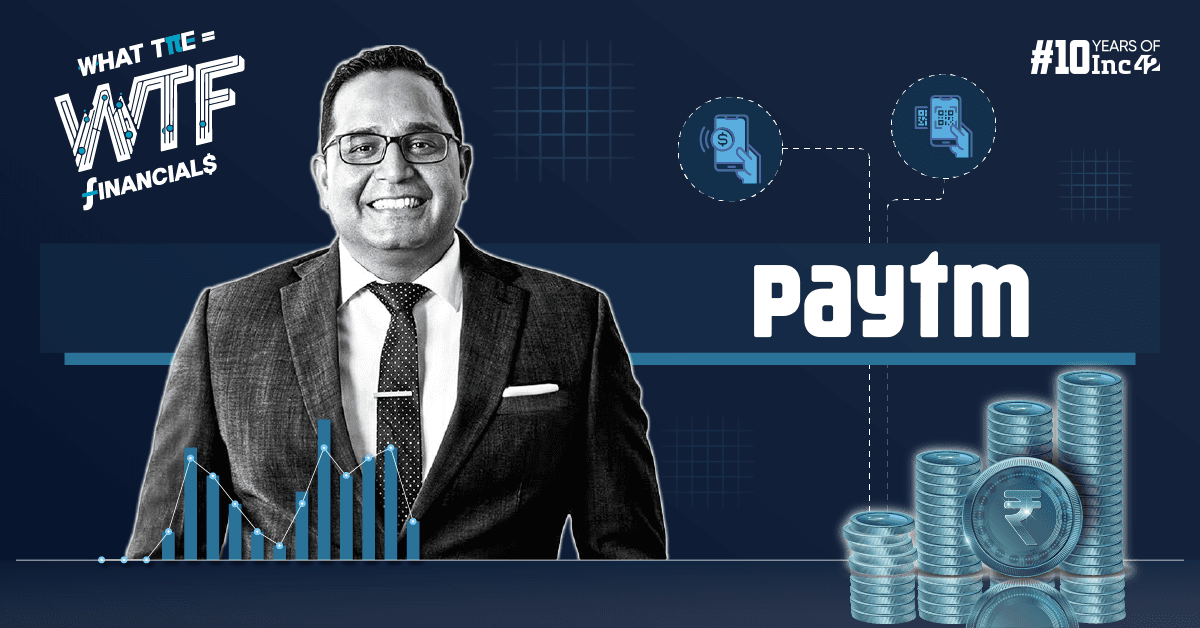
- Paytm's net profit rose 78.8% YoY to ₹220 Cr in Q1 FY27, with sequential growth of 20.2%
- Operating revenue hit ₹2,448 Cr, a 27.6% increase from the same quarter last year
- Merchant GMV scaled to ₹7.1 lakh Cr, up 31% YoY, driven by payments aggregator traction
Paytm reported a consolidated net profit of ₹220 Cr for Q1 FY27, up 78.8% from ₹123 Cr in the same quarter last year. Revenue climbed 27.6% to ₹2,448 Cr. The fintech company credited accelerating merchant payments, AI deployment across workflows, and growing traction in wealth tech products for the quarter's performance.
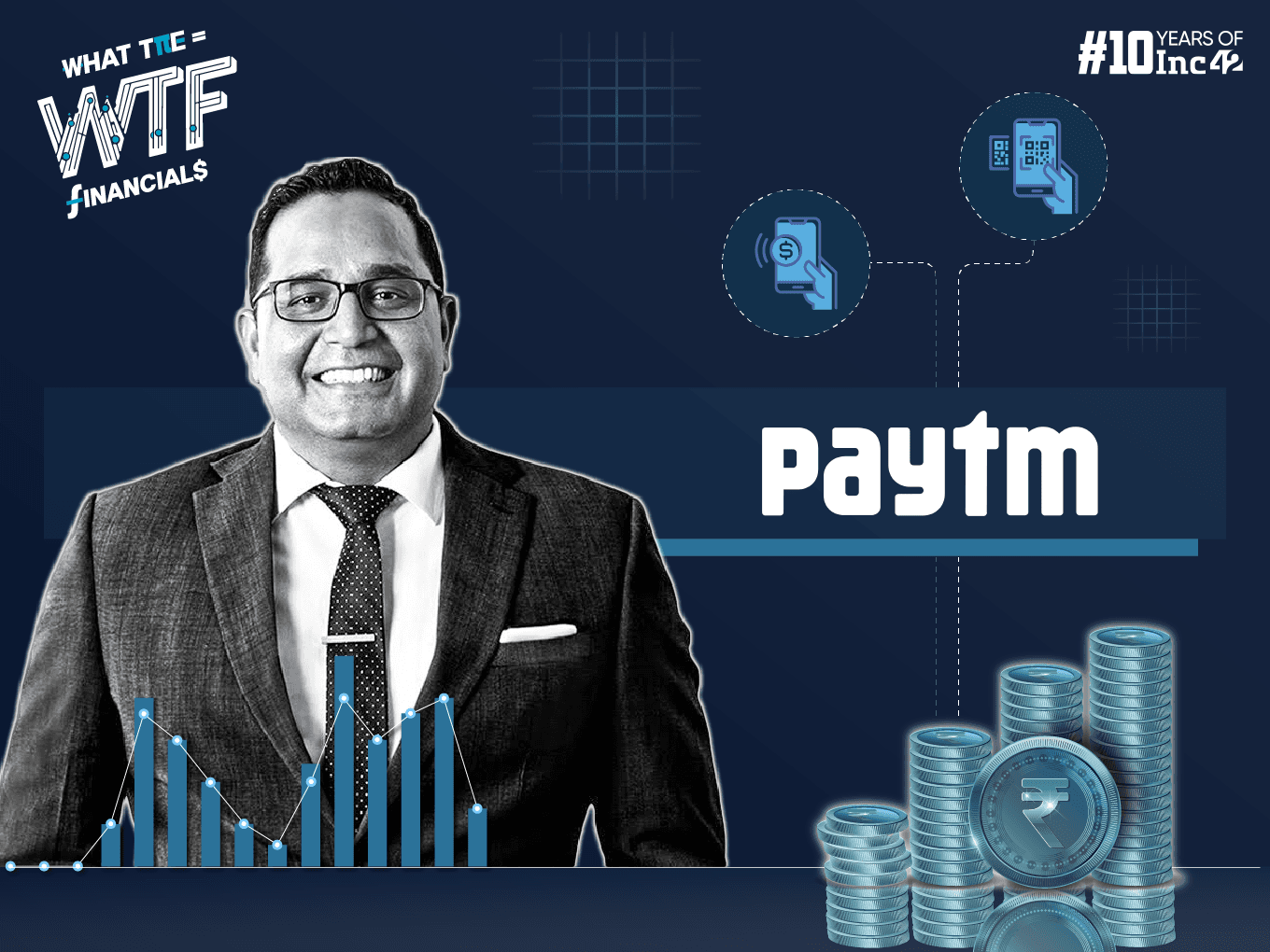
Sequentially, profit rose 20.2% from ₹183 Cr in Q4 FY26. On a comparable basis, excluding UPI and payments infrastructure development fund (PIDF) incentives, revenue growth stood at 31% year-over-year.
What drove Paytm's Q1 profit jump?
Paytm pointed to five factors behind its growth: market share gains in merchant payments leading to higher GMV, compounding merchant loan distribution, a growing consumer payments vertical, stronger B2C monetisation through wealth tech, and AI deployment that improved margins by cutting operational costs.
EBITDA hit a record ₹203 Cr, up 182% YoY. The EBITDA margin doubled from 4% to 8%. Basic earnings per share rose to ₹3.44 from ₹1.92 a year earlier.
Total expenses grew 18.2% to ₹2,383 Cr. Payment processing charges, the company's largest expense line, jumped 36.7% to ₹794 Cr, reflecting higher transaction volumes.
How did the payments business perform?
Payments remained Paytm's core revenue driver. The segment generated ₹1,384 Cr, up 33% YoY and 9% sequentially. Merchant GMV scaled 31% to ₹7.1 lakh Cr.
Registered merchants reached 5 Cr at the end of June 2026, a 12% increase. Merchants processed 1,669 Cr transactions during the quarter, up 28%. Paytm deployed 27 lakh Soundboxes, pushing its subscription merchant base to nearly 1.6 Cr, a 21% YoY increase.
The company said its payment processing margin improved to "comfortably above 4 bps", citing higher growth in MDR-bearing instruments like credit cards on UPI.
On the consumer side, monthly transacting users hit 8 Cr, up 8% from 7.4 Cr. UPI gross transaction value reached ₹5.9 lakh Cr, a 45% increase.
“Consumer payments saw an acceleration in both GMV and revenue growth, led by market share gains. We continue to make AI-led improvements that are improving acquisition costs and retention outcomes.”
— Paytm, in company statement
What's happening with Paytm's lending arm?
Financial services contributed ₹814 Cr to total revenue, up 45% YoY. Key financial services customers rose 34% to 7.6 lakh from 5.6 lakh in Q1 FY26.
Paytm attributed the jump to growth in both merchant loan distribution and consumer-facing products like loans, broking, and wealth tech. More than half of loan disbursements went to repeat borrowers, a sign of lower cyclicality.
The company's credit-on-UPI offering, Paytm Postpaid, continues scaling. Management expects it to deliver "meaningful" revenue and EBITDA contribution from FY28 onwards.
The turnaround context
These numbers arrive roughly 18 months after the RBI's crackdown on Paytm Payments Bank in early 2024. That action forced the company to restructure its payments banking operations and created uncertainty about its future.
Paytm pivoted hard toward its core payments aggregator business, merchant services, and financial distribution products. The current quarter shows that pivot working. Volume is still scaling, but profitability is no longer a future promise.
The company's emphasis on AI across core workflows signals a strategic shift toward higher-margin services beyond basic payments. Whether that margin expansion holds as competition intensifies remains the open question.
Logicity's Take
Paytm's Q1 numbers tell a clearer story than the headline suggests. The real shift is in unit economics: payment processing margins above 4 bps, EBITDA margin doubling, and more than half of loan disbursements going to repeat borrowers. For fintech teams watching this space, the lesson is that Paytm survived regulatory turbulence by doubling down on distribution (5 Cr merchants, 1.6 Cr Soundbox subscribers) rather than chasing new verticals. The credit-on-UPI bet is worth tracking. If Postpaid compounds as management projects, it could reshape how consumer credit gets distributed in India. Competitors like PhonePe and Google Pay will likely respond with their own credit products, making FY28 the real test of whether Paytm's lead holds.
Frequently Asked Questions
How much profit did Paytm make in Q1 FY27?
Paytm posted a consolidated net profit of ₹220 Cr in Q1 FY27, up 78.8% from ₹123 Cr in Q1 FY26 and 20.2% higher than ₹183 Cr in Q4 FY26.
What was Paytm's revenue in Q1 FY27?
Operating revenue stood at ₹2,448 Cr, growing 27.6% year-over-year from ₹1,918 Cr. Including other income of ₹182 Cr, total income reached ₹2,630 Cr.
How many merchants does Paytm have?
Paytm had 5 Cr registered merchants at the end of June 2026, up 12% year-over-year. Its Soundbox subscription merchant base reached nearly 1.6 Cr.
What is Paytm's EBITDA margin?
EBITDA margin stood at 8% in Q1 FY27, double the 4% recorded in Q1 FY26. The company reported a record EBITDA profit of ₹203 Cr, up 182% YoY.
What is driving Paytm's growth?
Paytm cited five growth engines: merchant payments market share gains, merchant loan distribution, consumer payments growth, wealth tech monetisation, and AI deployment across workflows.
Need Help Implementing This?
Building a fintech stack or scaling payment operations? Reach out to Logicity's team for guidance on payment infrastructure, lending tech, and financial services automation strategies.
Source: Inc42 Media / Team Inc42
Huma Shazia
Senior AI & Tech Writer
Produced with AI assistance and reviewed by the Logicity editorial team. Learn more in our Editorial Policy.