Key Takeaways
- Pasqal is raising over $500 million through a SPAC merger at a $6 billion pre-money valuation
- SEC filings explicitly warn investors about risks of 'French state influence' on the company
- The 100x valuation jump from earlier rounds signals aggressive investor appetite for quantum computing
Pasqal, the Paris-based quantum computing startup, has filed detailed SEC documents ahead of its planned Nasdaq listing, revealing it will raise over $500 million in fresh funding at a roughly $6 billion pre-money valuation. That valuation marks approximately a 100x jump from the company's earlier funding rounds. The filings also flag an unusual risk factor: potential 'French state influence' on the company's operations.
What do the financials actually show?
The SEC filings provide a rare window into a European deep-tech company's books. In 2023, Pasqal generated €10.9 million in revenue, up from €8.9 million in 2022. But losses have grown alongside the business. The company posted €6.3 million in losses in 2021, expanding to €15.7 million by 2023.
As of March 2024, Pasqal held roughly €77 million in cash and current assets. The company's spending includes third-party contractors and grants, and some revenue comes from government sources. This is typical for quantum computing startups, which often rely on research contracts while their technology matures.
Revenue in 2024 came primarily from enterprise customers in financial services, with some revenue from GPUs (graphics processing units), likely related to hybrid quantum-classical computing workloads. The company has also disclosed that some of its R&D spending and infrastructure costs are subsidized by French government programs.
Why does the filing mention 'French state influence'?
This is where the filings get interesting for US investors. Pasqal explicitly lists risks stemming from its relationship with the French government. The company's co-founder Alain Aspect won the 2022 Nobel Prize in Physics, and Pasqal emerged from Institut d'Optique, a French public research institution.
The French government has invested heavily in quantum computing as a strategic technology. Pasqal's customer base includes French government agencies and European institutions. The SEC filing warns that this relationship could create conflicts, regulatory exposure, or operational constraints that American investors might not anticipate from a typical US-listed company.
For startup founders considering a US listing, this is instructive. Government ties that seem like advantages in Europe, stable contracts, R&D subsidies, strategic partnerships, require explicit risk disclosure when you enter American capital markets.
How does the $6 billion valuation stack up?
The SPAC merger values Pasqal at roughly 100 times its pre-SPAC valuation. That sounds extreme, but quantum computing valuations have been running hot. For context, US-based rival IonQ trades at roughly $5 billion market cap after going public via SPAC in 2021. IonQ's 2023 revenue was around $22 million, roughly double Pasqal's.
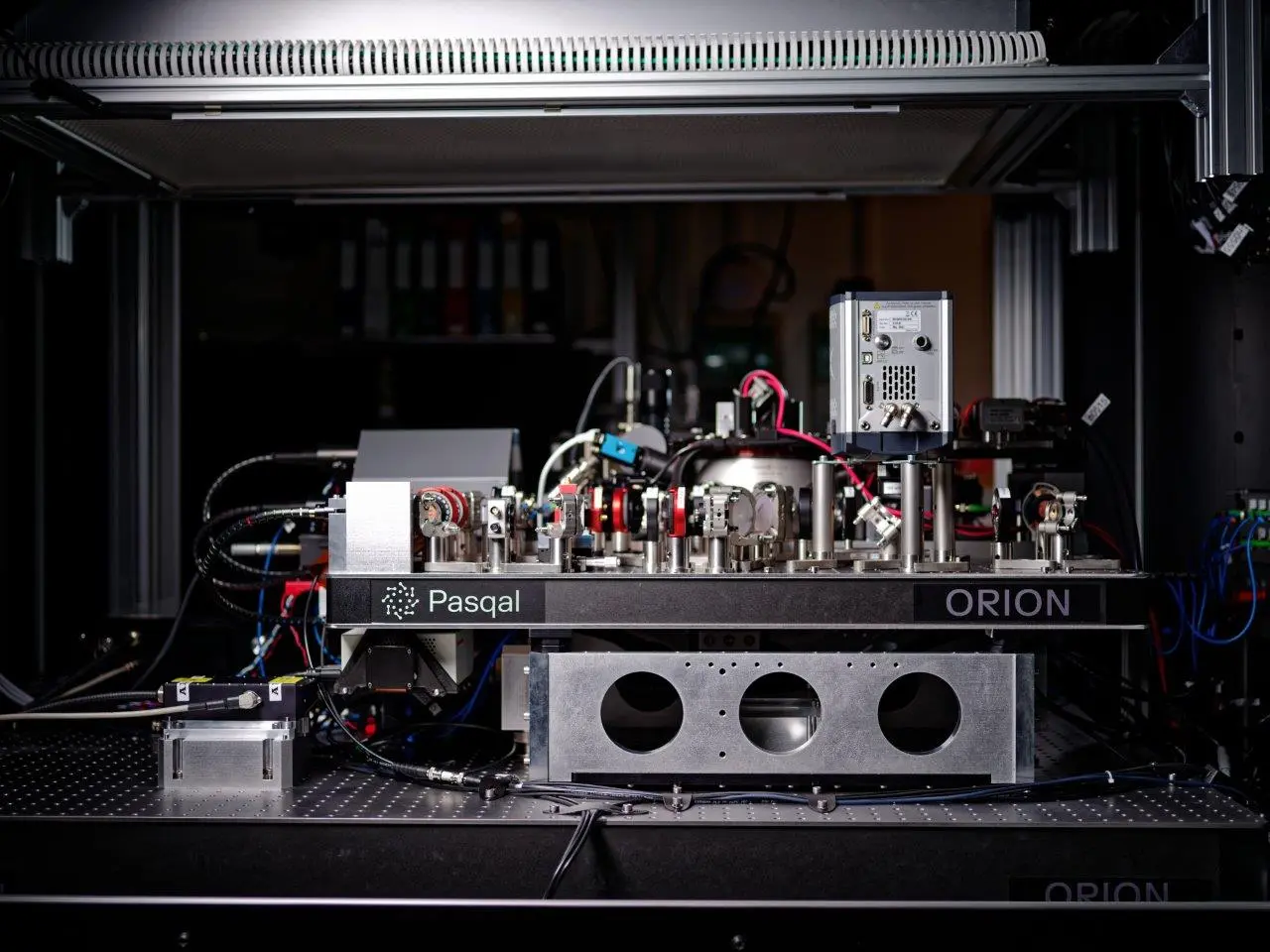
Pasqal uses neutral atom technology, trapping individual atoms with laser 'tweezers' to create qubits. This differs from IBM's superconducting approach and IonQ's trapped ion method. The company targets 1,000 qubits on its roadmap, a threshold many researchers believe is necessary for practical quantum advantage.
The $6 billion valuation prices in significant future growth. With €10.9 million in 2023 revenue, that's roughly a 500x revenue multiple. Investors are betting on quantum computing reaching commercial viability within the next decade.
What fresh capital is actually coming in?
The filings show Pasqal expects to raise over $500 million through the SPAC transaction with Quantonation Acquisition Corp. This includes both the SPAC trust funds and committed PIPE investments. However, SPAC redemptions remain a risk. If existing SPAC shareholders redeem their shares rather than participating in the merger, actual proceeds could be lower.
The company has also previously raised €140 million in a 2023 Series B round. Combined with government grants and revenue, Pasqal appears well-capitalized for a multi-year runway, assuming the SPAC closes successfully.
What does this mean for European deep-tech founders?
Pasqal's path illustrates both the opportunity and complexity of US listings for European startups. The Nasdaq offers liquidity and valuation multiples that European exchanges cannot match for speculative technology bets. But it also requires a level of disclosure that can feel uncomfortable, especially around government relationships that are routine in Europe.
The SPAC route, while less popular than during 2020-2021, remains viable for companies with strong narratives but limited near-term revenue. Pasqal's Nobel Prize co-founder and 'European champion' positioning give it a story that resonates with investors betting on quantum's long-term potential.
Logicity's Take
Pasqal's 100x valuation jump reflects the quantum computing hype cycle more than its current business fundamentals. With €10.9 million in revenue and €15.7 million in losses, the company is valued entirely on optionality. For founders watching this deal, the real lesson is that SPAC structures can still work in 2024 for companies with strong technical differentiation and patient capital needs. But expect American investors to scrutinize government ties more aggressively than European ones would. If you're building deep-tech with government contracts, start documenting that relationship's boundaries now. The SEC will want to see them.
Frequently Asked Questions
When will Pasqal list on Nasdaq?
The company expects to complete the SPAC merger and begin trading on Nasdaq later in 2024, though exact timing depends on SEC approval and shareholder votes.
How does Pasqal's technology differ from competitors?
Pasqal uses neutral atom quantum computing, trapping individual atoms with laser tweezers. This differs from IBM's superconducting qubits and IonQ's trapped ion approach.
What is Quantonation Acquisition Corp?
Quantonation is a special purpose acquisition company focused on quantum technologies. It raised capital specifically to merge with a quantum computing company and take it public.
Why are French government ties a risk factor?
US securities regulations require disclosure of potential conflicts. Pasqal's government contracts and subsidies could create operational constraints or regulatory exposure that American investors should understand.
Need Help Implementing This?
If you're a founder navigating US listing requirements or preparing financial disclosures for international investors, Logicity covers the playbooks that work. Subscribe for weekly breakdowns of deals, filings, and founder strategies.
Source: Sifted
Huma Shazia
Senior AI & Tech Writer
Produced with AI assistance and reviewed by the Logicity editorial team. Learn more in our Editorial Policy.