Key Takeaways
- Global Reno16 series will ship with ColorOS 16 based on Android 16, making it one of the first phones with Google's newest OS
- The phones feature a 50MP ultra-wide selfie camera and AI Remix Collage feature
- Global models will differ from the Chinese Reno16 and Reno16 Pro that launched in December 2024
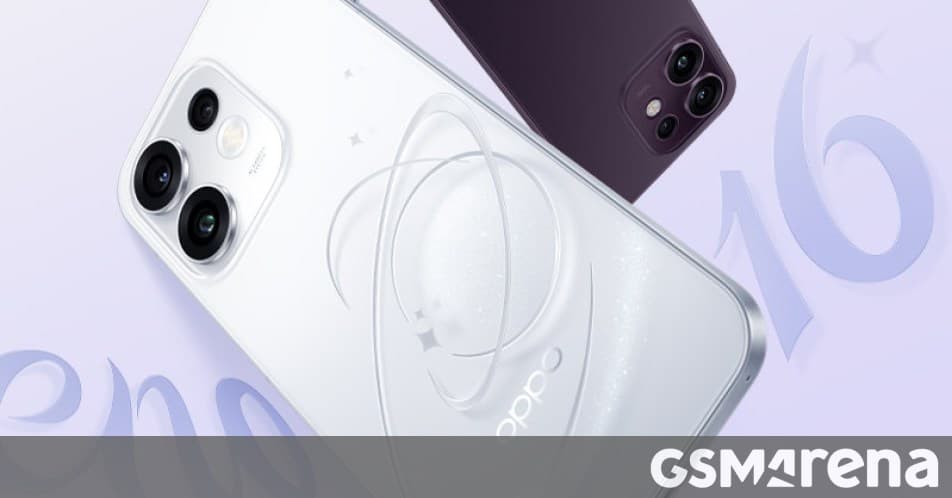
Oppo has begun teasing the global Reno16 series through its official X account, partnering with YG Entertainment's K-pop group BABYMONSTER for the marketing push. The campaign confirms a 50MP ultra-wide selfie camera, AI Remix Collage software features, and ColorOS 16 built on Android 16. That last detail matters: global Reno16 buyers will get Google's newest mobile OS at launch, ahead of most competing midrange phones.
The teaser video and images dropped on June 11, featuring all seven BABYMONSTER members alongside the Reno16 hardware. Oppo's marketing tagline, "Set the trend with BABYMONSTER and the stylish OPPO Reno16 Series," signals the company's continued focus on younger, style-conscious buyers. The Reno line has always leaned hard into selfie cameras and portrait photography. This generation doubles down on that positioning.
What's different about the global Oppo Reno16?
The Chinese Reno16 and Reno16 Pro launched in December 2024. But Oppo has confirmed the global variants will be different devices. European Union certification filings have already revealed details about battery capacity, dust and water resistance ratings, and the company's software update commitment for these international models.
A retailer listing from last week reportedly leaked pricing for European markets, though Oppo hasn't confirmed those figures. The company often adjusts specifications between regions to hit different price points and carrier requirements. Chinese models tend to pack MediaTek Dimensity processors, and the global variants will likely follow suit, though with potentially different configurations.
The confirmed 50MP ultra-wide selfie camera represents a notable upgrade for group selfies and wider framing. Most phones in this segment ship 32MP or 16MP front cameras. The "ultra-wide" designation suggests a wider field of view than typical selfie shooters, useful for fitting more people into a shot without a selfie stick.
Why partner with BABYMONSTER?
BABYMONSTER debuted under YG Entertainment in April 2024 and quickly built a global following. The group includes members from South Korea, Thailand, and Japan. For Oppo, the partnership targets the same demographic that made previous Reno generations successful: teenagers and young adults in Asia, Europe, and emerging markets who care about camera quality and brand identity.
K-pop partnerships have become standard practice for Chinese phone makers targeting global markets. Oppo, Vivo, and Xiaomi have all run similar campaigns. The strategy works because K-pop fandoms actively engage with sponsored content. Fans clip and share promotional videos, generating organic reach that traditional advertising can't match.
The choice of BABYMONSTER over more established groups like BLACKPINK (also under YG) suggests Oppo wanted a newer act whose audience skews toward Gen Z. BABYMONSTER's fans are building their identity around the group right now. A phone brand can become part of that early association.
ColorOS 16 and the Android 16 advantage
Shipping with Android 16 gives the Reno16 a genuine selling point. Google released Android 16 earlier than its usual fall schedule, but most manufacturers won't push updates until late 2025 or 2026. Phones that launch with Android 16 pre-installed skip the awkward waiting period.
ColorOS 16 builds on Oppo's existing software foundation. The company has improved its update track record over the past two years, with flagship and upper-midrange devices now receiving four years of major Android updates. The Reno16's update commitment hasn't been confirmed for global markets, but EU certification filings should have included that information.
The AI Remix Collage feature mentioned in the teaser suggests Oppo is adding generative AI tools for photo editing. Chinese phone makers have been aggressive about integrating AI features that Western brands charge subscription fees for. Expect on-device processing for most of these capabilities.
When will the global Reno16 launch?
Oppo hasn't announced a launch date. The teaser campaign typically precedes a formal announcement by two to four weeks. Given the EU certification and retailer leaks, European availability is likely coming first, with other regions following. India, a major Reno market, usually gets dedicated launch events.
Pricing remains unconfirmed, though the Reno series typically slots into the $300 to $500 range depending on configuration. The Chinese Reno16 Pro started at roughly $400 equivalent, but global pricing often runs higher due to tariffs, import costs, and different carrier agreements.
Another midrange phone launch targeting style-conscious buyers
Logicity's Take
The BABYMONSTER partnership is smart audience targeting, but the real story is Android 16 at launch. Most buyers never check their Android version, yet shipping with the newest OS extends the phone's effective lifespan by a full year compared to devices launching on Android 15 today. If Oppo prices the global Reno16 competitively, the selfie camera and software freshness could carve out a clear niche against Samsung's Galaxy A series.
Frequently Asked Questions
Is the global Oppo Reno16 the same as the Chinese version?
No. Oppo has confirmed the global Reno16 series will differ from the Chinese Reno16 and Reno16 Pro that launched in December 2024. Specifications, pricing, and possibly even the processor will vary by region.
What camera does the Oppo Reno16 have?
Oppo has confirmed a 50MP ultra-wide selfie camera. The rear camera specifications haven't been officially announced for global models yet.
When will the Oppo Reno16 be available globally?
No launch date has been announced. The teaser campaign started June 11, 2025, and typically precedes a formal launch by two to four weeks. Europe is expected to receive the phones first.
What Android version will the Oppo Reno16 run?
The Reno16 series will ship with ColorOS 16 based on Android 16, making it one of the first global phones to launch with Google's newest operating system.
Need Help Implementing This?
Logicity covers mobile technology for business decision-makers. Subscribe to our newsletter for weekly updates on device launches, software updates, and enterprise mobility trends.
Source: GSMArena.com / Vlad
Huma Shazia
Senior AI & Tech Writer
Produced with AI assistance and reviewed by the Logicity editorial team. Learn more in our Editorial Policy.