Key Takeaways
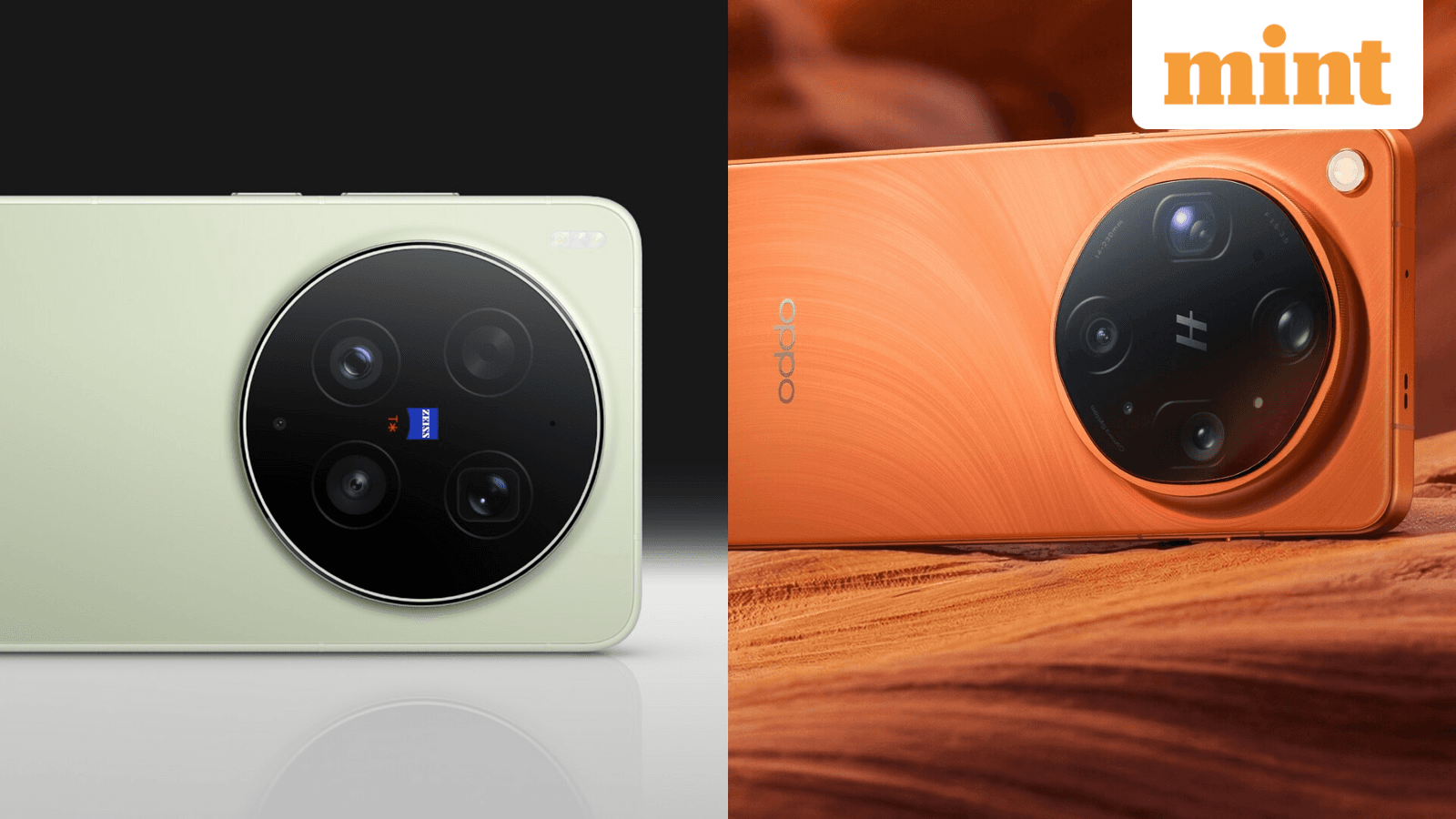
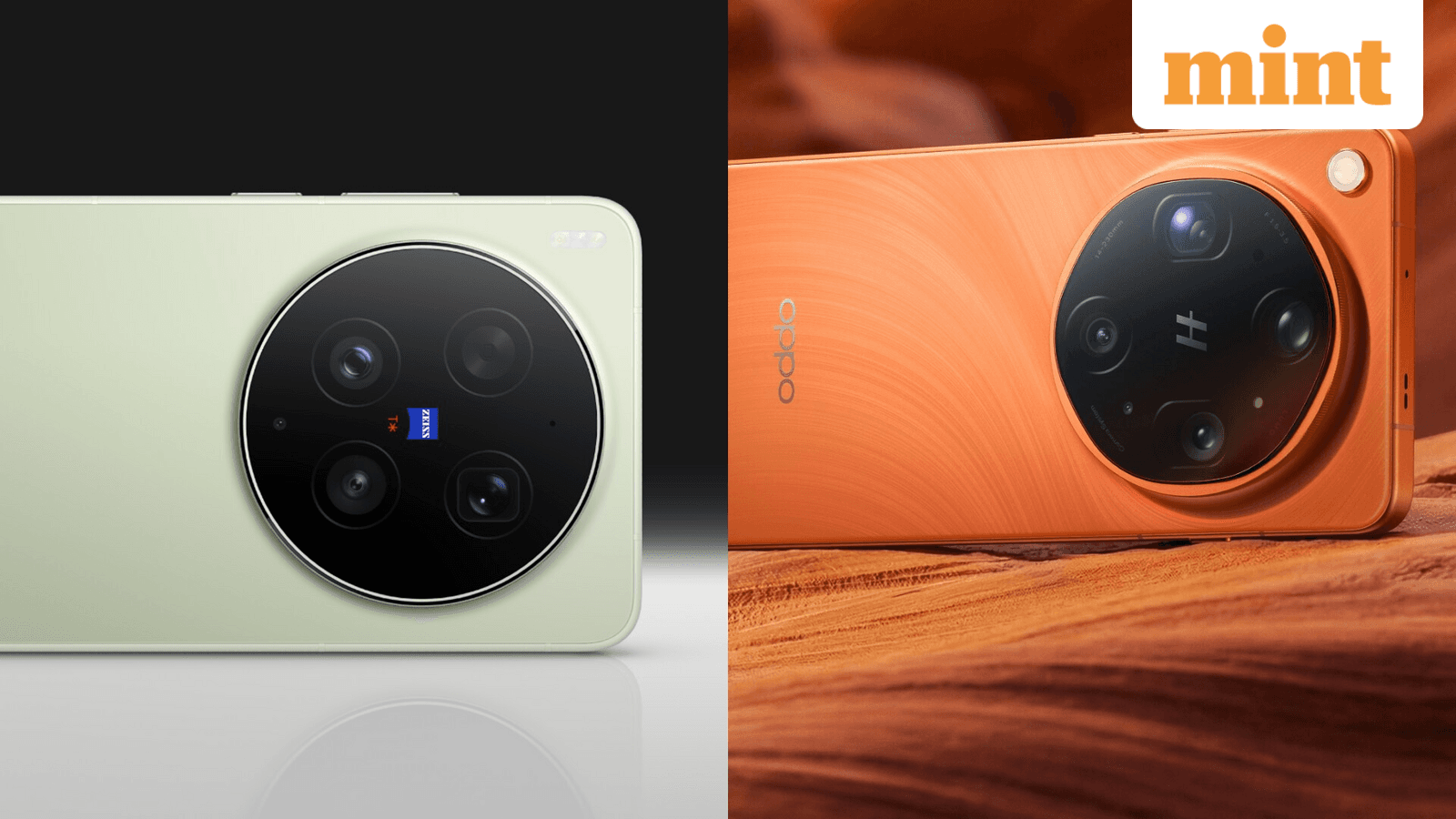
- Both phones share the Snapdragon 8 Elite chip and 200MP primary sensors, but Oppo offers a larger 7,050mAh battery versus Vivo's 6,600mAh
- The Find X9 Ultra costs Rs 1,69,999 for 12GB+512GB, while the X300 Ultra offers storage options from 256GB to 1TB
- Camera systems differ in telephoto approach: Oppo has dual telephoto (3x + 10x periscope), Vivo uses a single 3.7x ZEISS periscope with dedicated imaging chip
Samsung and Apple no longer own the flagship camera phone conversation in India. Oppo and Vivo have launched their Ultra devices, both targeting serious mobile photographers willing to spend Rs 1.7 lakh or more. The Oppo Find X9 Ultra and Vivo X300 Ultra share the same processor and primary camera sensor. They differ in ways that matter: battery capacity, charging speed, telephoto reach, and storage flexibility.
Here's how they compare across every major specification.
Display: Near-Identical Panels, Different Protection
Both phones use a 6.82-inch 2K LTPO AMOLED panel running at 144Hz with 3168x1440 resolution. The similarities end at the glass.
The Find X9 Ultra uses Gorilla Glass Victus 2 and supports Dolby Vision with a peak brightness of 3,600 nits. The X300 Ultra opts for Armor Glass protection, supports HDR10+, and includes 2160Hz PWM dimming alongside DC-like dimming for eye comfort in low light.
If you watch a lot of Dolby Vision content on your phone, the Oppo wins. If PWM flickering bothers your eyes, the Vivo's higher dimming frequency helps.
Design and Build Quality
The X300 Ultra is the slimmer and lighter option. It measures 8.19mm to 8.49mm thick depending on color and weighs 232g. The Find X9 Ultra ranges from 8.65mm to 9.1mm and weighs up to 236g.
Both phones carry IP68 and IP69 ratings for dust and water resistance. Both use an ultrasonic in-display fingerprint scanner. The 4g weight difference won't matter to most users, but the thickness variance is noticeable in hand.
Performance: Same Chip, Different Memory Options
Qualcomm's Snapdragon 8 Elite Gen 5 processor powers both devices, paired with the Adreno 840 GPU. Raw performance will be identical in benchmarks and real-world use.
The difference lies in configurations. The Find X9 Ultra comes in a single variant: 12GB LPDDR5X RAM with 512GB UFS 4.1 storage. The X300 Ultra offers more flexibility, starting at 12GB RAM with 256GB storage and going up to a 16GB RAM + 1TB Satellite Edition.
If you shoot a lot of 8K video or refuse to delete old photos, the Vivo's 1TB option solves a real problem.
Camera Systems: Where the Battle Gets Interesting
Both phones use the same 200MP Sony Lytia-901 primary sensor. After that, their camera philosophies diverge.
The Find X9 Ultra packs four rear cameras: the 200MP primary, a 50MP ultra-wide, a 200MP 3x telephoto, and a dedicated 50MP 10x periscope telephoto supporting up to 120x digital zoom. That's two separate telephoto lenses covering different focal lengths.
The X300 Ultra takes a different approach. It has a 200MP ZEISS APO periscope telephoto at 3.7x optical zoom with telephoto macro support, plus a 50MP ultra-wide. Vivo adds a dedicated VS1+ imaging chip to process raw image data for photos and videos. The ZEISS branding isn't just cosmetic. It covers lens coating and color science tuning.
Both phones have 50MP front cameras. Both support optional telephoto accessories sold separately: Oppo's teleconverter kit and Vivo's Photographer Kit.
| Specification | Oppo Find X9 Ultra | Vivo X300 Ultra |
|---|---|---|
| Primary Camera | 200MP Sony Lytia-901 | 200MP Sony Lytia-901 |
| Ultra-Wide | 50MP | 50MP |
| Telephoto 1 | 200MP 3x telephoto | 200MP ZEISS 3.7x periscope |
| Telephoto 2 | 50MP 10x periscope | None (single telephoto) |
| Max Digital Zoom | 120x | Not specified |
| Imaging Chip | Standard ISP | Dedicated VS1+ chip |
| Selfie Camera | 50MP | 50MP |
| Display | 6.82" 2K LTPO AMOLED, 144Hz | 6.82" 2K LTPO AMOLED, 144Hz |
| Peak Brightness | 3,600 nits | Not specified |
| Glass Protection | Gorilla Glass Victus 2 | Armor Glass |
| Processor | Snapdragon 8 Elite Gen 5 | Snapdragon 8 Elite Gen 5 |
| RAM Options | 12GB LPDDR5X | 12GB / 16GB LPDDR5X |
| Storage Options | 512GB UFS 4.1 | 256GB / 512GB / 1TB |
| Battery | 7,050mAh | 6,600mAh |
| Wired Charging | 100W SuperVOOC | 90W Flash Charge |
| Wireless Charging | 50W | 40W |
| Thickness | 8.65-9.1mm | 8.19-8.49mm |
| Weight | Up to 236g | 232g |
| Water/Dust Rating | IP68 + IP69 | IP68 + IP69 |
| Starting Price | Rs 1,69,999 | Not specified |
Battery and Charging
The Find X9 Ultra has a clear advantage here. Its 7,050mAh battery is 450mAh larger than the X300 Ultra's 6,600mAh cell. It also charges faster: 100W wired versus 90W, and 50W wireless versus 40W.
For photographers shooting all day, that extra battery capacity and faster top-up could be the deciding factor.
Software: Android 16 on Both
Both phones ship with Android 16. Oppo uses ColorOS 16. Vivo uses OriginOS 6. Both skins are feature-rich with their own camera apps, gallery optimizations, and system customizations.
Software preference is personal. If you've used Oppo or Vivo devices before, you'll know which skin you prefer. Neither has a clear technical advantage.
Price and Availability
The Find X9 Ultra costs Rs 1,69,999 for the sole 12GB + 512GB variant. Vivo hasn't announced Indian pricing for the X300 Ultra yet, but its multiple storage tiers suggest a range of price points.
Which One Should You Buy?
Pick the Find X9 Ultra if you want longer battery life, faster charging, and dual telephoto lenses for flexible zoom range. The 10x periscope is genuinely useful for wildlife and sports photography.
Pick the X300 Ultra if you want a slimmer phone, ZEISS optics with dedicated image processing, and the option to configure up to 1TB storage. The VS1+ imaging chip may produce better video in challenging light.
Both phones are excellent. The right choice depends on whether you value telephoto versatility (Oppo) or color science and storage flexibility (Vivo).
Logicity's Take
Another recent device launch in India's consumer electronics market
Frequently Asked Questions
Frequently Asked Questions
Which phone has the better camera, Oppo Find X9 Ultra or Vivo X300 Ultra?
Both use the same 200MP Sony Lytia-901 primary sensor. The Find X9 Ultra offers more telephoto flexibility with 3x and 10x lenses. The X300 Ultra has ZEISS optics and a dedicated VS1+ imaging chip for potentially better color processing.
What is the price difference between Find X9 Ultra and X300 Ultra in India?
The Oppo Find X9 Ultra costs Rs 1,69,999 for 12GB+512GB. Vivo hasn't announced Indian pricing for the X300 Ultra yet. Multiple storage variants suggest different price points will be available.
Which phone has better battery life?
The Find X9 Ultra has a larger 7,050mAh battery compared to the X300 Ultra's 6,600mAh. It also supports faster 100W wired and 50W wireless charging versus 90W and 40W on the Vivo.
Do both phones have the same processor?
Yes. Both use the Qualcomm Snapdragon 8 Elite Gen 5 with Adreno 840 GPU. Performance will be identical.
Which phone is thinner and lighter?
The Vivo X300 Ultra is slimmer at 8.19-8.49mm and lighter at 232g. The Oppo Find X9 Ultra measures 8.65-9.1mm and weighs up to 236g.
Need Help Implementing This?
Source: mint / Aman Gupta
Official Sale Date, Colors, and Find X9s Launch
The new article provides the official Indian sale date (May 28) and specific retail channels for the Find X9 Ultra, including Amazon and Flipkart. It also reveals the device's color options and introduces a secondary model, the Find X9s, which launched alongside the Ultra at a lower price point.
Huma Shazia
Senior AI & Tech Writer
Produced with AI assistance and reviewed by the Logicity editorial team. Learn more in our Editorial Policy.