Key Takeaways
- OpenAI banned two China-linked account clusters using ChatGPT for covert influence campaigns targeting U.S. tech policy debates
- The 'Data Center Bandwagon' campaign created AI-generated cartoons blaming data centers for rising household electricity bills
- Despite the effort, the campaigns generated virtually no authentic engagement and stayed confined to a single platform
OpenAI has banned two clusters of ChatGPT accounts it traced to China. The accounts used the AI model to create influence campaigns targeting American debates over data center energy consumption and trade policy.
One campaign, dubbed "Data Center Bandwagon," generated social media comments and comic strips that blamed AI data centers for rising household electricity bills. The operators prompted ChatGPT in Simplified Chinese through VPNs, then posed as Americans from various backgrounds on X.
The effort flopped. OpenAI's threat report found the activity generated virtually no authentic engagement. The company rated it Category One on the Breakout Scale, meaning it stayed on one platform with no evidence it reached genuine audiences.
“This was not a case of an influence operation creating a debate.”
— Ben Nimmo, Principal Investigator at OpenAI
Real Grievances, Manufactured Amplification
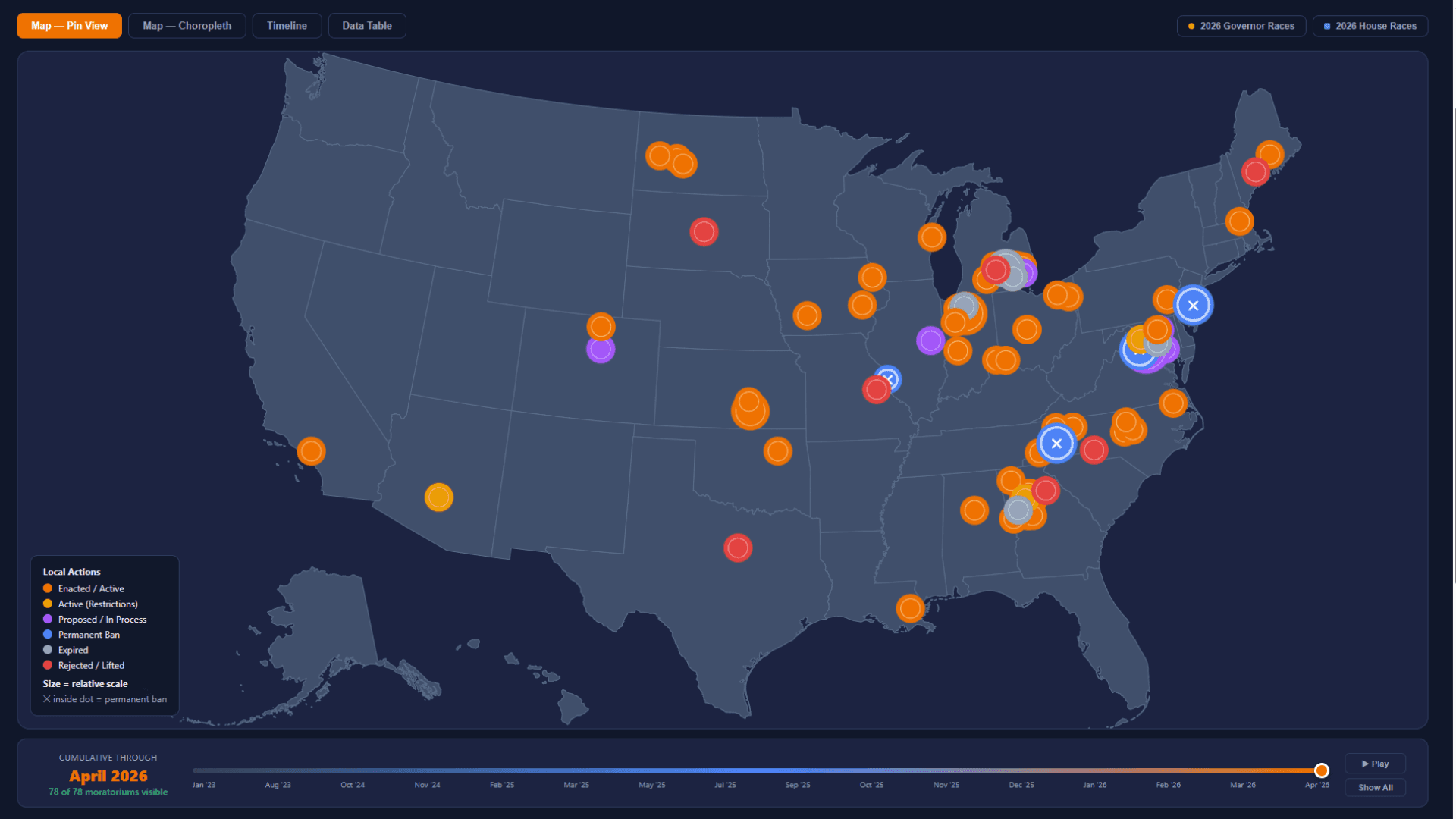
The irony: the underlying concerns are real. PJM Interconnection's independent market monitor has blamed data centers for a 75.5% increase in power costs across the largest U.S. grid region. Wholesale prices near some data center clusters have climbed as much as 267% over five years.
Three U.S. senators have already demanded answers from Amazon, Google, and Meta over costs passed to residential customers. The Chinese operation tried to ride this existing wave of concern rather than create one from scratch.
OpenAI assessed that the Data Center Bandwagon operators were likely a social media team at a private Chinese tech company working for provincial-level government clients. Among their requests: comic strips about a grid operator's capacity auction prices, drawn from a regional newspaper's reporting, then posted on X under hashtags like #capacityauction.
A Second Campaign Targeted Tariffs
The second cluster, "Tech and Tariffs," generated anti-tariff cartoons with specific instructions: depict President Trump but never Chinese leader Xi Jinping. The operation produced bulk comment batches in English, Italian, Japanese, and Traditional Chinese. The Traditional Chinese content targeted audiences in Taiwan.
One operator described the accounts as a "water army," a Chinese term for coordinated troll networks. The same operator asked ChatGPT to design a system for scraping and analyzing social media posts from individuals flagged as risks. OpenAI said its model returned generic data storage advice and declined to help with the collection.
Fake accounts in the same X network repeatedly posted fabricated claims that ChatGPT user data had been stolen, adding disinformation to the mix alongside the policy-focused cartoons.
Why Foreign Actors Target AI Infrastructure Debates
The campaigns show a pattern: foreign actors are increasingly focused on AI infrastructure as a soft target. Data centers are easy to attack rhetorically because energy costs affect everyone and the buildout is visible.
Top tech firms now spend over $100 billion annually on AI data center capital expenditure. That investment creates genuine local friction over power, water, and land use. Influence operations can exploit this friction without inventing it.



Logicity's Take
Community Skepticism About the Framing
On Hacker News, users were skeptical of the report's framing. Many noted that AI data center energy consumption is already a valid, organic political concern in the U.S. The consensus: while foreign botting is real, it often tries to co-opt existing local frustrations rather than inventing them.
That distinction matters. Labeling all criticism of data center energy use as foreign influence would be both inaccurate and counterproductive. The concerns predate the Chinese operation and will outlast it.
More on the capital flowing into AI infrastructure
What OpenAI's Detection Reveals
The bust demonstrates OpenAI's growing investment in threat detection. The company can now trace prompt patterns, identify coordinated account behavior, and assess whether campaigns achieve real-world traction.
The Breakout Scale itself is useful. By categorizing influence operations by their actual reach, OpenAI avoids the trap of treating every detected campaign as equally dangerous. Category One, the lowest tier, means the content never escaped its original platform or found genuine audiences.
For companies using ChatGPT, the takeaway is straightforward: OpenAI is watching usage patterns, particularly requests that involve political content, coordinated posting instructions, or surveillance-style data collection. The model declined to help design a social media scraping system. That refusal shows where OpenAI has drawn lines.
Frequently Asked Questions
What was the "Data Center Bandwagon" campaign?
A China-linked influence operation that used ChatGPT to generate social media posts and cartoons blaming AI data centers for rising U.S. household electricity bills. OpenAI banned the accounts after finding they generated virtually no authentic engagement.
Did the influence campaign create fake concerns about data center energy use?
No. The concerns are real and predate the campaign. PJM Interconnection's market monitor has documented a 75.5% increase in power costs blamed on data centers. The campaign attempted to amplify existing frustration, not invent it.
What is OpenAI's Breakout Scale?
A rating system for influence operations based on their actual reach. Category One, the lowest tier, means the campaign stayed on one platform with no evidence of reaching genuine audiences.
How did OpenAI detect the China-linked accounts?
OpenAI traced prompt patterns, identified coordinated account behavior, and found the accounts were operated via VPNs with prompts written in Simplified Chinese while posing as American users on X.
Need Help Implementing This?
Source: Latest from Tom's Hardware
Manaal Khan
Tech & Innovation Writer
Produced with AI assistance and reviewed by the Logicity editorial team. Learn more in our Editorial Policy.