Seven OPEC+ countries will raise oil production by 188,000 barrels per day starting in September 2026, the group announced on August 2 after a virtual meeting. Saudi Arabia, Russia, Iraq, Kuwait, Kazakhstan, Algeria, and Oman framed the increase as a way to accelerate compensation for months of overproduction while sticking to their broader output agreement.
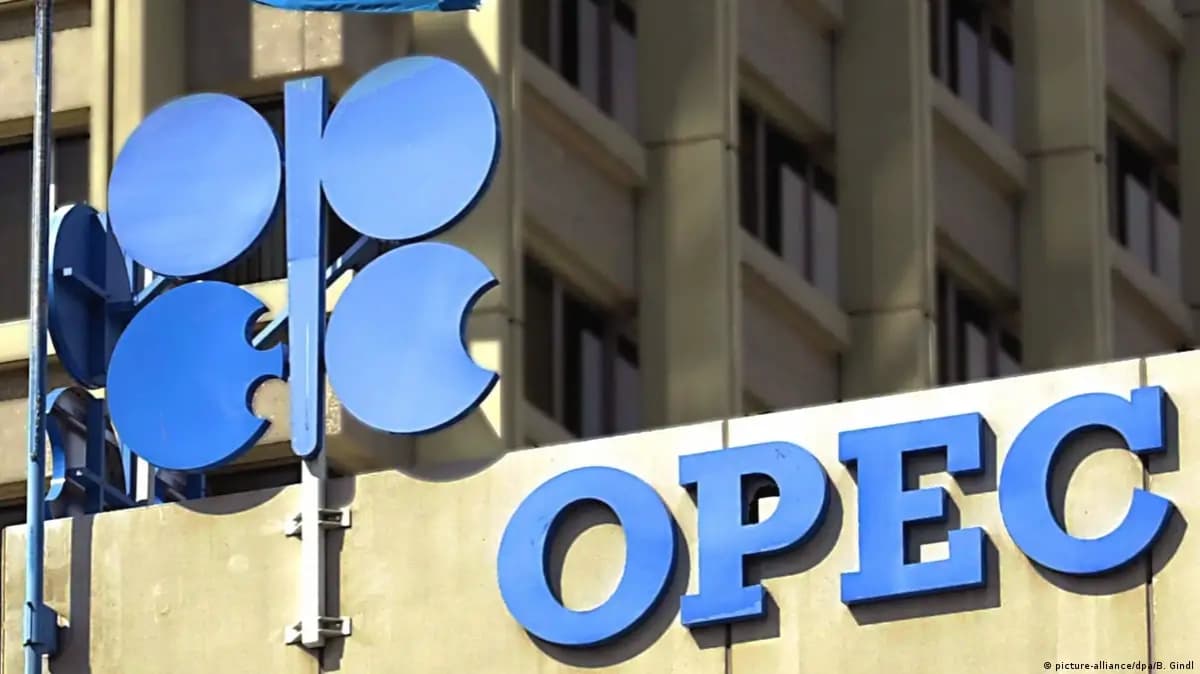
The adjustment falls under the voluntary cuts the same seven producers first announced in April 2023. Those cuts were meant to stabilize prices, but several members exceeded their quotas throughout 2024. The September increase lets them work off that overage faster.
What the increase means in context
At 188,000 bpd, the September bump is modest. Global oil demand runs around 103 million bpd. The increase represents less than 0.2% of that total. Still, OPEC+ production decisions ripple through energy markets, and any signal of loosening supply caps moves trader sentiment.
The group reaffirmed its commitment to the Declaration of Cooperation, the framework that has governed output coordination since 2016. Members pledged to compensate for any excess production since January 2024. That language suggests the alliance is trying to rebuild discipline after a period of quota slippage.
Monthly reviews continue
The seven producers will meet again on September 6 to assess market conditions. This monthly cadence gives the bloc flexibility to pause or reverse increases if prices weaken. It also keeps members accountable to each other.
Separately, the Joint Ministerial Monitoring Committee reviewed compliance data for May and June 2026 and found overall adherence among both OPEC and non-OPEC participants. The JMMC's next session is set for October 4.
Concerns over infrastructure attacks
The JMMC statement went beyond production numbers. It flagged attacks on energy infrastructure and disruptions to international shipping routes as threats to market stability. Restoring damaged facilities, the committee noted, is costly and time-consuming. These disruptions reduce available supply and increase volatility, undermining collective efforts to balance the market.
The warning reflects ongoing tensions in the Red Sea and other maritime chokepoints. For producers, any supply shock that OPEC+ did not orchestrate complicates their pricing strategy.
Logicity's Take
For AI product teams tracking cloud infrastructure costs, energy prices matter more than they did two years ago. Data center power demand is surging, and hyperscalers increasingly hedge against fuel volatility. A 188,000 bpd increase is small, but the monthly review cadence means OPEC+ can tighten again quickly. Teams budgeting compute for 2027 should model scenarios where energy costs stay elevated.
What comes next
The September 6 meeting will reveal whether the group sees room for further increases or needs to hold the line. Oil prices in early August have hovered in the mid-$70s per barrel, a range comfortable for most producers but below the fiscal breakeven many Gulf states need.
If demand softens heading into Q4, expect the monthly reviews to turn hawkish. OPEC+ has shown it will cut when necessary. The question is whether discipline holds when individual members see an opportunity to grab market share.
Need Help Implementing This?
If you're modeling energy cost scenarios for cloud infrastructure or need help building dashboards to track macro inputs, reach out to the Logicity team for a consultation.
Source: https://saudigazette.com.sa / Saudi Gazette
Manaal Khan
Tech & Innovation Writer
Produced with AI assistance and reviewed by the Logicity editorial team. Learn more in our Editorial Policy.