Key Takeaways
- The N1X flagship packs 6,144 CUDA cores, matching the desktop RTX 5070's graphics performance
- Memory support reaches 128GB LPDDR5X on the N1X, double Apple's M-series maximum
- Power envelopes range from 18W for thin laptops to 80W for workstation-class performance
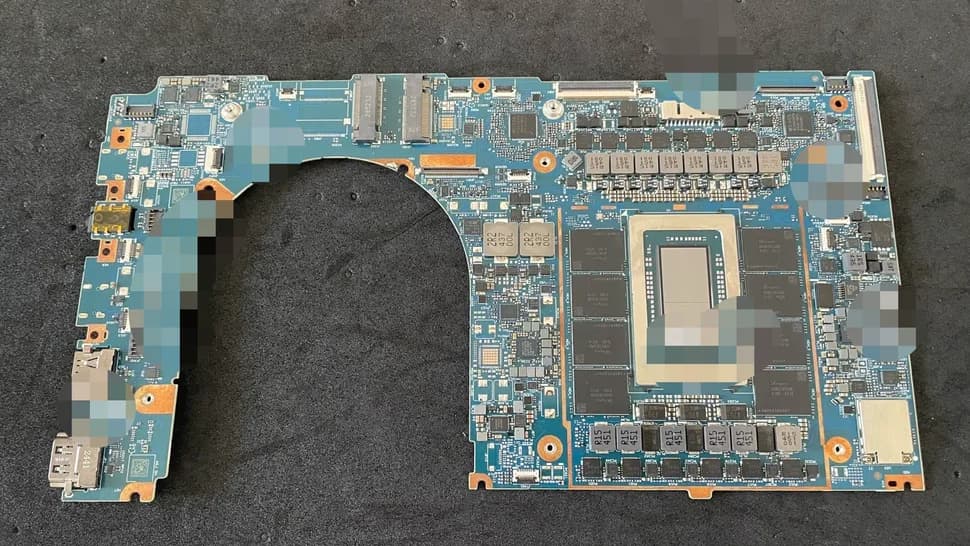
Nvidia's N1 family of processors will officially launch at Computex tomorrow. Just one day before the announcement, the full specifications leaked via Videocardz, confirming what the company has been building for years: a direct challenge to Apple's M-series silicon.
The leak reveals two distinct product lines. The standard N1 targets mainstream laptops. The N1X aims at creators, developers, and anyone who needs serious graphics horsepower in a portable package.
N1X: Desktop Graphics in a Laptop
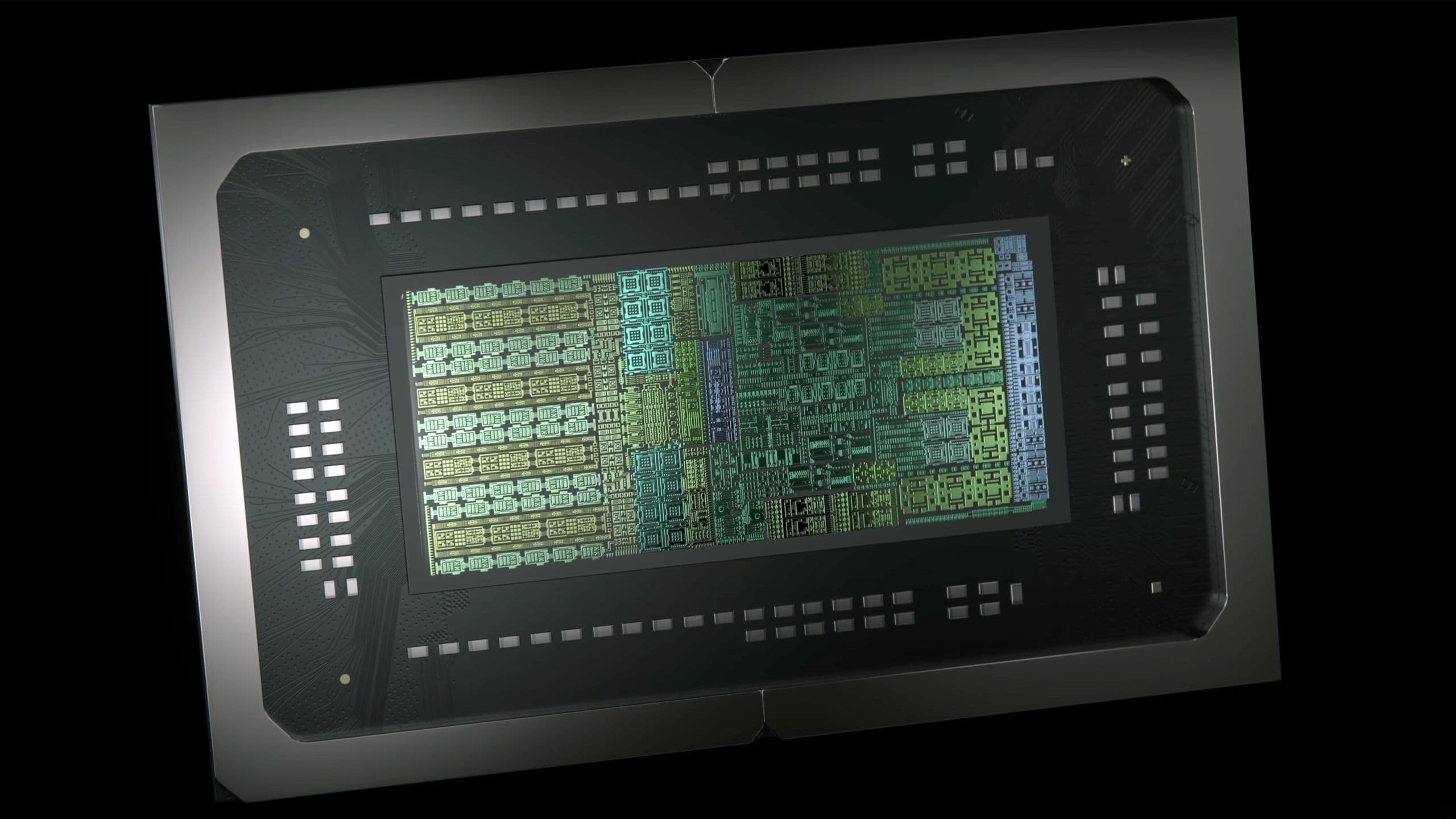
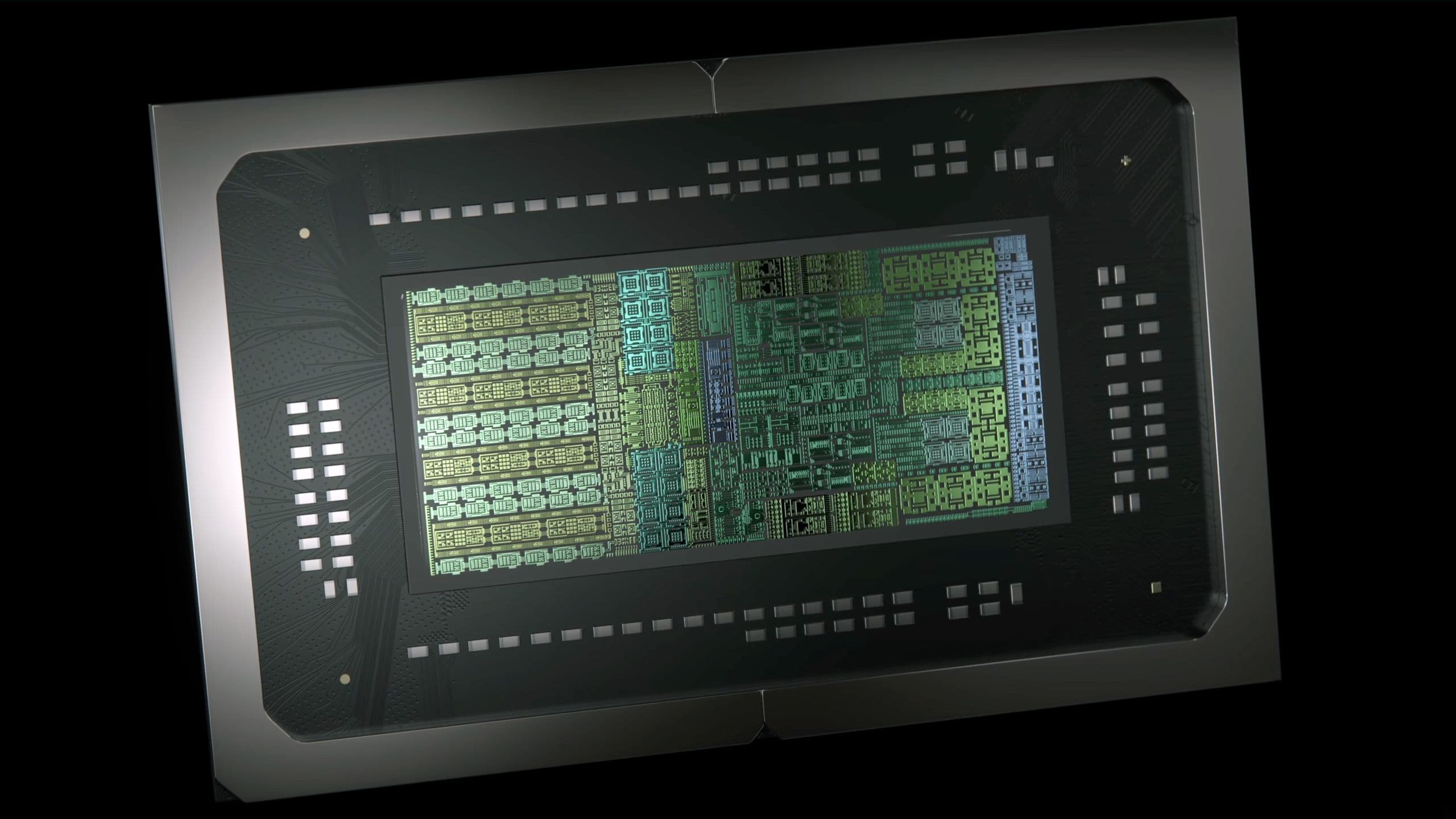
The flagship N1X comes in two configurations. The top model features 20 Arm-based cores in a 10+10 arrangement (10 performance cores, 10 efficiency cores) paired with 6,144 CUDA cores. That CUDA count matches the desktop RTX 5070, effectively putting desktop-class graphics performance into a laptop form factor.
A second N1X variant drops to 18 cores (9+9) with 5,120 CUDA cores. Both chips operate within a 45W to 80W power envelope, which manufacturers can tune based on thermal design. For context, Apple's M4 Max runs at roughly 40W under load.
Memory support is where the N1X pulls ahead of current competition. The platform accepts 16GB to 128GB of LPDDR5X across 16 channels. A previous leak suggested these run at 8,533 MT/s, which would make the memory subsystem faster than AMD's Strix Halo. For local AI workloads and video editing, that 128GB ceiling matters.
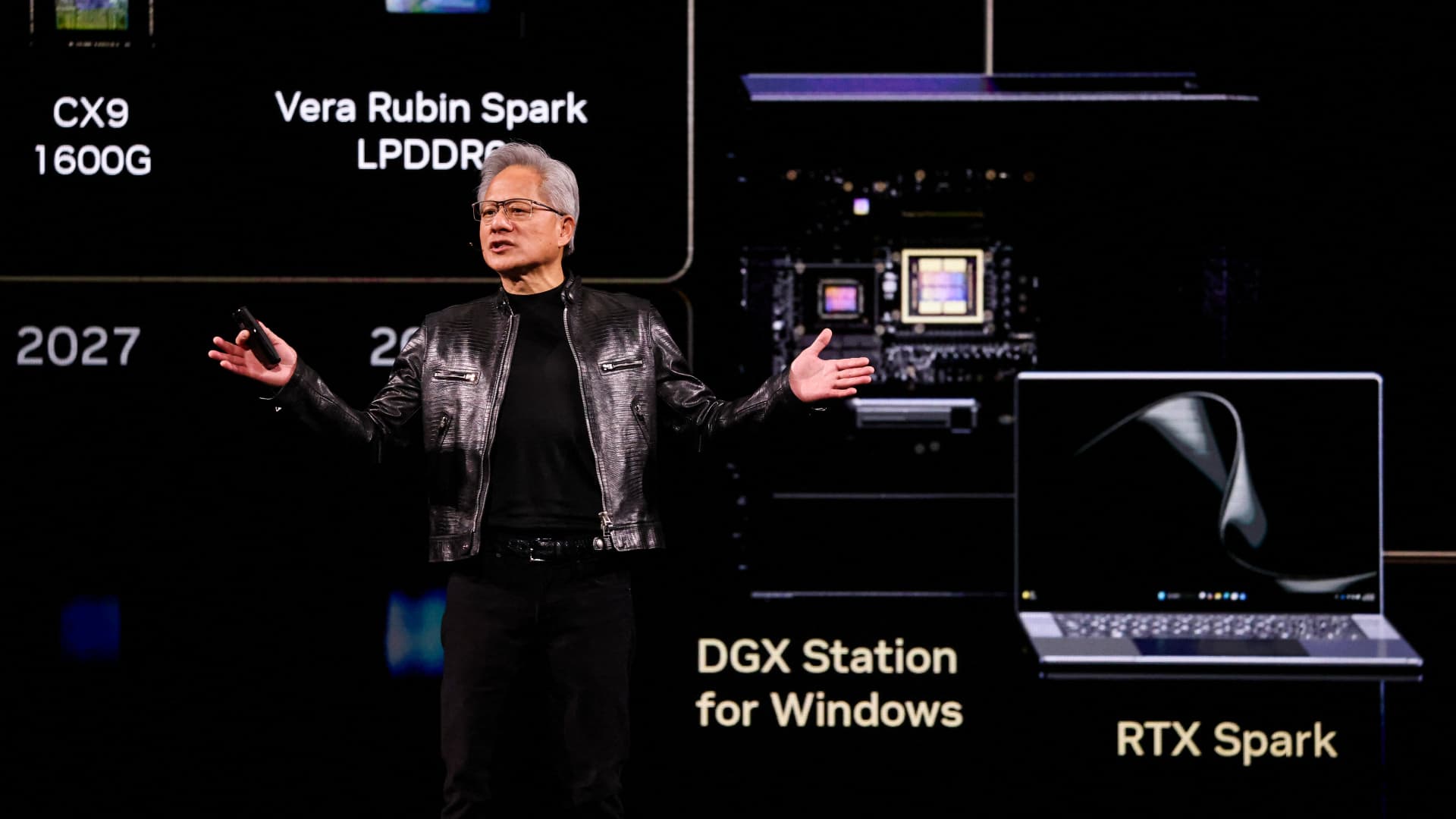
Connectivity includes 12 PCIe 5.0 lanes and 5 PCIe 4.0 lanes, enough for three M.2 SSDs. Nvidia CEO Jensen Huang already confirmed the top N1X is identical to the GB10 chip inside the company's DGX Spark mini-PC.
Standard N1: Mainstream Laptops
The regular N1 targets everyday laptops and handhelds. Two configurations exist: a 12-core (8+4) model with 2,560 CUDA cores, and a 10-core (7+3) model with 2,048 CUDA cores.
These chips support up to 64GB LPDDR5X across 8 channels. The power budget spans 18W to 45W, making the lower-end models viable for thin-and-light designs. Storage connectivity drops to 8 PCIe 5.0 lanes and 3 PCIe 4.0 lanes, supporting two M.2 drives.
| Chip | Cores | CUDA Cores | Memory | TDP |
|---|---|---|---|---|
| N1X (1) | 20 (10+10) | 6,144 | 16-128GB | 45-80W |
| N1X (2) | 18 (9+9) | 5,120 | 16-128GB | 45-80W |
| N1 (1) | 12 (8+4) | 2,560 | 8-64GB | 18-45W |
| N1 (2) | 10 (7+3) | 2,048 | 8-64GB | 18-45W |
Nvidia Returns to PC Processors
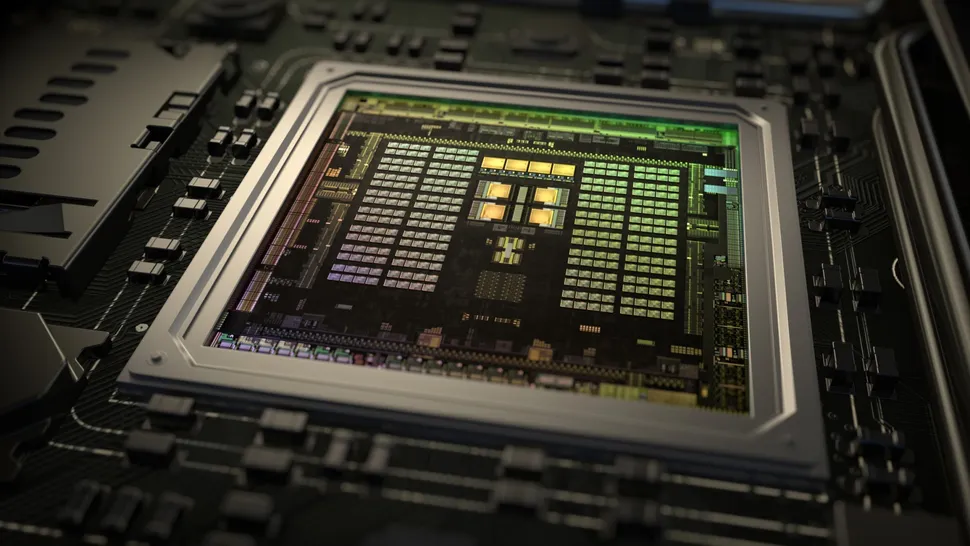
This launch marks Nvidia's return to the PC processor market after 15 years. The company last sold Arm-based PC chips in 2011 with the Tegra platform, which never gained traction in laptops. The market looked very different then. Apple hadn't yet proved that Arm could compete with x86 in professional computing.
The timing is deliberate. Microsoft has spent years improving Windows on Arm compatibility. Apple's M-series chips have dominated laptop benchmarks while maintaining battery life that Intel and AMD can't match. Qualcomm's Snapdragon X Elite showed Windows on Arm is viable, but reviews consistently noted weak integrated graphics.
Nvidia's bet is straightforward: bring its graphics expertise to solve the one problem Windows on Arm laptops haven't cracked. If you want to run serious games or GPU-accelerated creative apps, current options fall short. A chip with RTX 5070-class graphics changes that equation.
Market Reaction and Skepticism
Markets have already responded. Dell's stock rose 33% on reports of an N1X-powered XPS laptop. Intel's shares dropped 5.1% following the leak. Investors see a reshuffling of the laptop processor market.
Not everyone is convinced. Discussion on Reddit's r/hardware and Hacker News shows enthusiasm for the hardware specs, but significant skepticism about software compatibility. Windows on Arm still struggles with some x86 applications. Games that rely on aggressive anti-cheat software often fail. Driver support for peripherals remains inconsistent.
Nvidia's graphics driver ecosystem could help here. The company has decades of experience maintaining Windows drivers and working with game developers. Whether that translates to smooth Arm compatibility remains to be seen.
What to Expect Tomorrow
Nvidia's Computex presentation should confirm these specifications and reveal pricing. OEM partnerships matter just as much as specs. Dell, Lenovo, HP, and Asus announcements will determine how quickly these chips reach consumers.
The leaked documents date to 2024, so final specs could differ slightly. But the core architecture is set. Nvidia is bringing its AI and graphics technology to laptops. The only question is whether Windows on Arm can keep up.

Logicity's Take
Frequently Asked Questions
When will Nvidia N1 laptops be available?
Nvidia is announcing the N1 family at Computex on the day after this leak. Actual laptop availability depends on OEM partners like Dell, Lenovo, and HP, likely within 2-3 months of the announcement.
Can the Nvidia N1X run Windows games?
The hardware supports it with 6,144 CUDA cores. However, game compatibility depends on Windows on Arm emulation and whether developers provide native Arm builds. Anti-cheat software remains a known problem.
How does the N1X compare to Apple's M4 Max?
The N1X offers more CUDA cores and double the maximum memory (128GB vs 64GB). Power consumption runs higher at 45-80W versus roughly 40W for the M4 Max. Direct performance comparisons will require independent benchmarks.
Will existing Nvidia GPU software work on the N1?
Nvidia's CUDA ecosystem should carry over, which matters for AI and creative applications. Gaming drivers will need adaptation for the Arm platform.
If the N1X's AI capabilities interest you, these tools show what's possible with local and cloud AI today
Need Help Implementing This?
Source: Latest from Tom's Hardware
Huma Shazia
Senior AI & Tech Writer
Produced with AI assistance and reviewed by the Logicity editorial team. Learn more in our Editorial Policy.