Key Takeaways
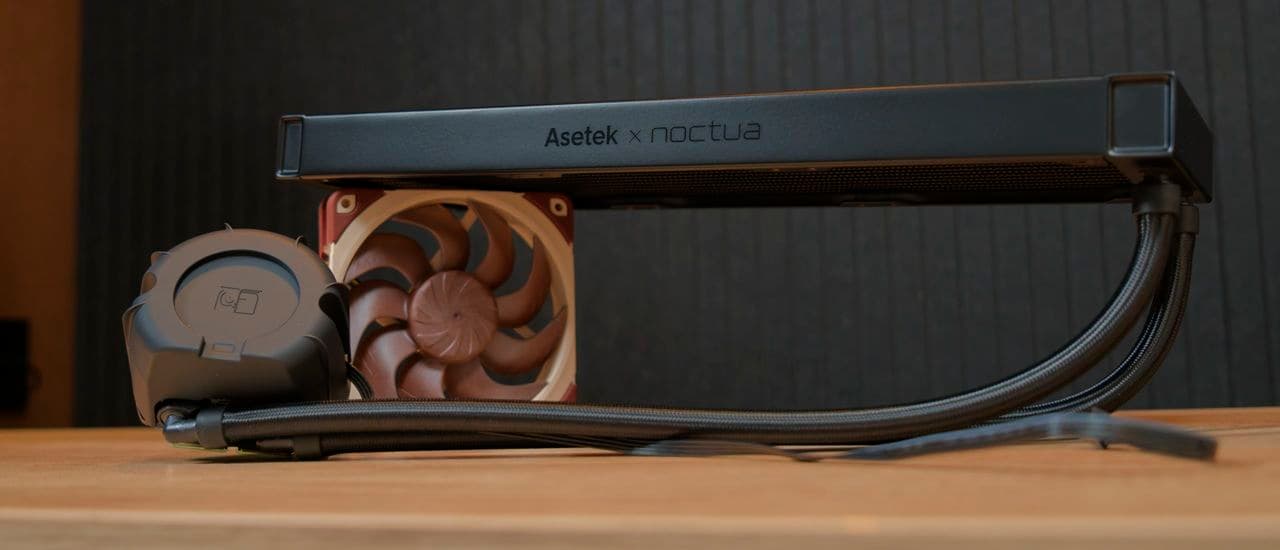
- The NL-LC1-36 is Noctua's first liquid cooler, delivering best-in-class silence and thermal performance
- At its core, this is an Asetek Gen8 V2 platform with Noctua engineering on top, not a ground-up design
- Priced at $249.99 with a 6-year warranty, it's expensive but targets enthusiasts who prioritize quiet operation
Noctua has finally entered the liquid cooling market with the NL-LC1-36, a 360mm all-in-one cooler that Tom's Hardware calls "the quietest AIO ever built." After years of requests from enthusiasts struggling to cool increasingly power-hungry CPUs, the Austrian company known for its air coolers and fans has delivered something unexpected: an Asetek-based product wrapped in Noctua engineering.
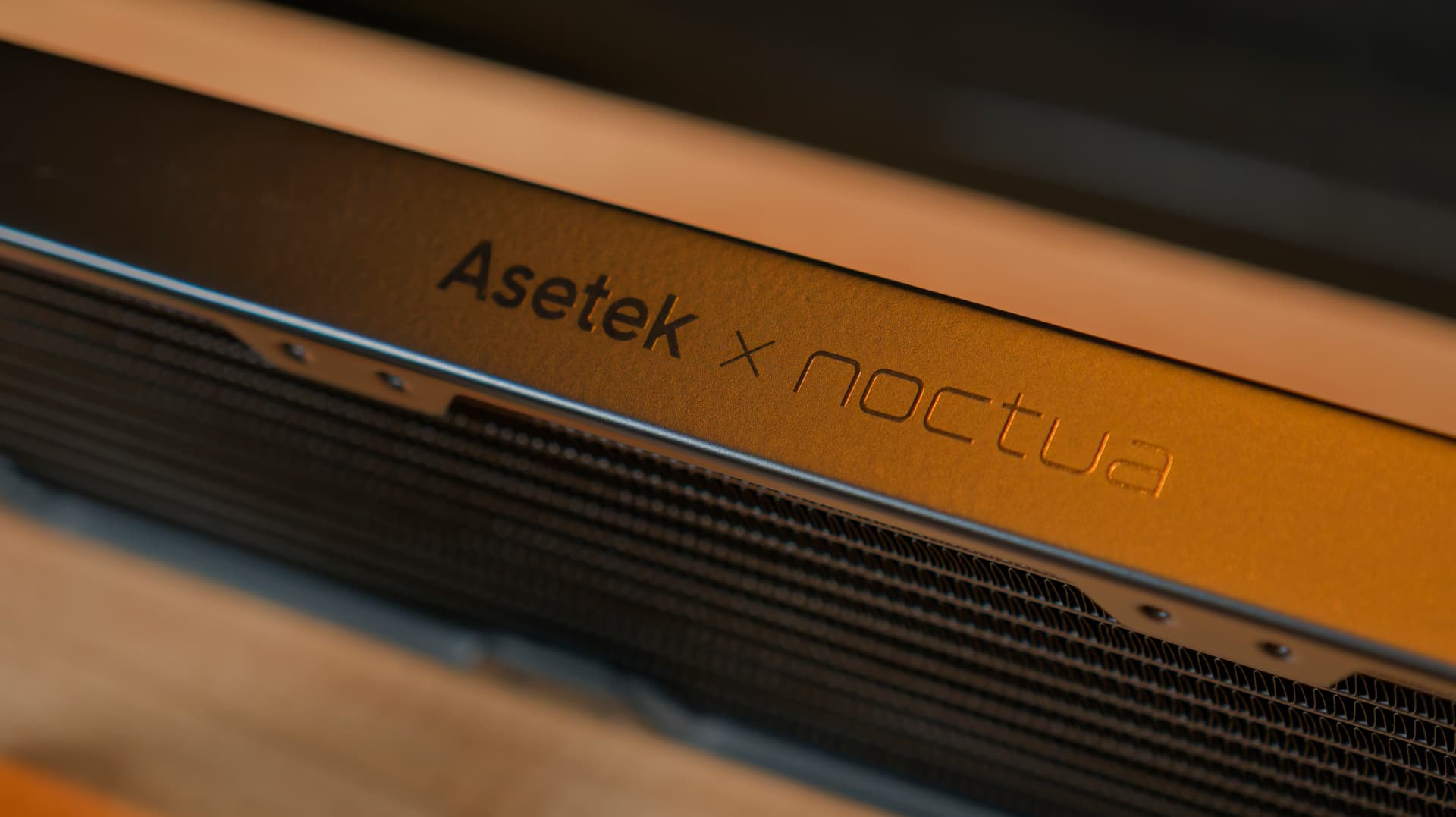
That last detail matters. Every previous Noctua product carrying the company's nomenclature, from the NH-D15 G2 air cooler to the NF-A12x25 G2 fans, was designed and built entirely in-house by Rascom and Kolink, the two companies that own the Noctua brand. The NL-LC1-36 breaks that pattern.
What makes this different from other Asetek coolers?
The heart of the NL-LC1-36 is Asetek's Emma Gen8 V2 pump platform. This pump is powerful but not particularly quiet on its own. Noctua's contribution is the NL-PNA1, a custom pump cover featuring multiple layers of foam, sound barriers, and silicone mounts designed to suppress pump noise.
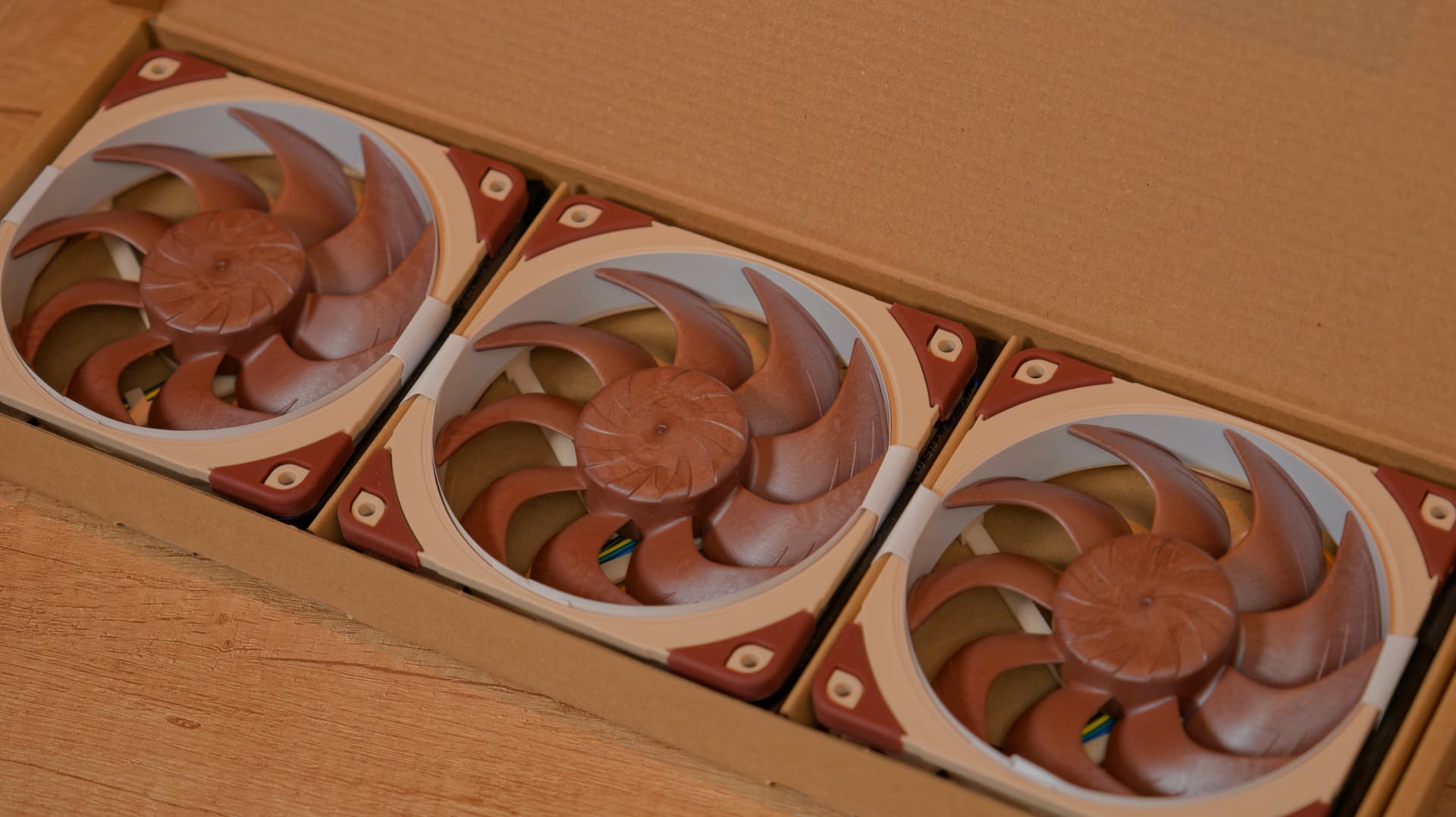
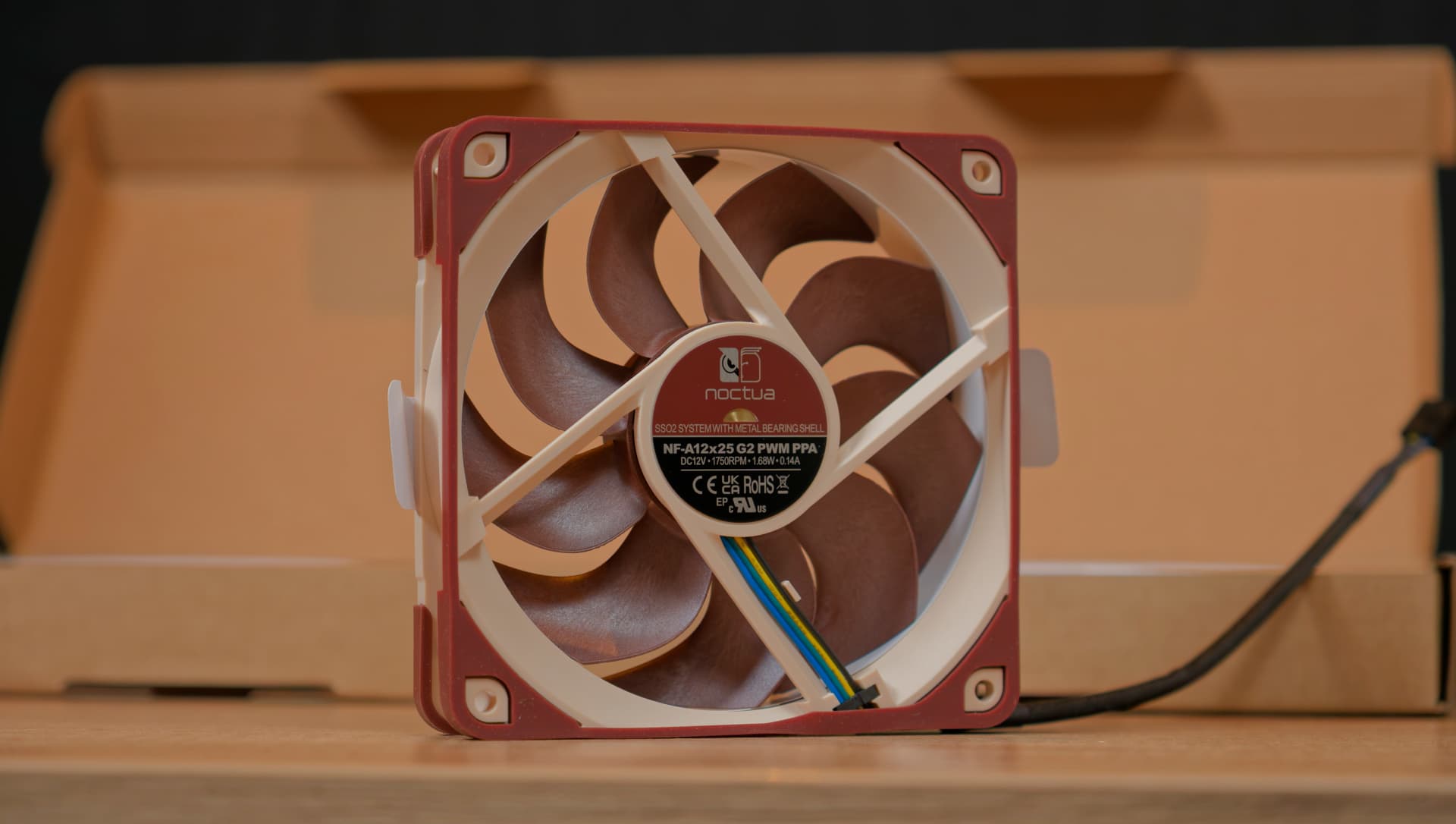
The cooler ships with three NF-A12x25 G2 fans, two in the PPA variant and one PPB, with 50 RPM offsets between them. This prevents harmonic resonance. These fans spin at such consistent speeds that identical units on the same splitter would otherwise "sing in harmony," creating an audible drone.
Three built-in pump profiles accessible via a physical selector switch let users balance noise and performance without software. The pump spins between 750 and 3,400 RPM; the fans range from 300 to 1,800 RPM.
Is this really a Noctua product?
This question will divide Noctua loyalists. The company has licensed its name before: the Antec Flux Pro Noctua Edition case, Seasonic Prime TX-1600 Noctua Edition PSU, and Asus Noctua Edition GPUs. But those products carry "Edition" in their names, signaling they sit outside Noctua's core lineup.
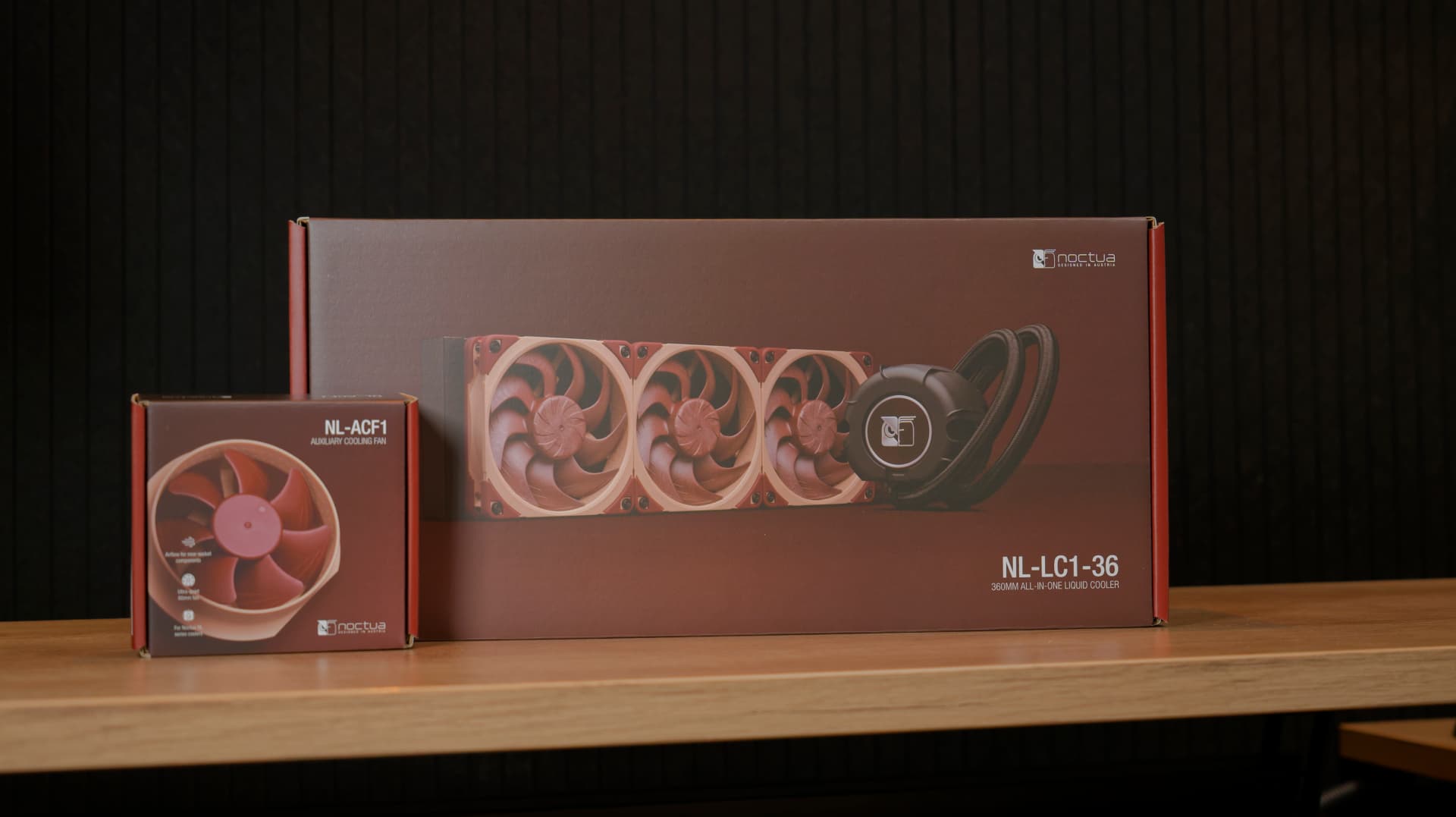
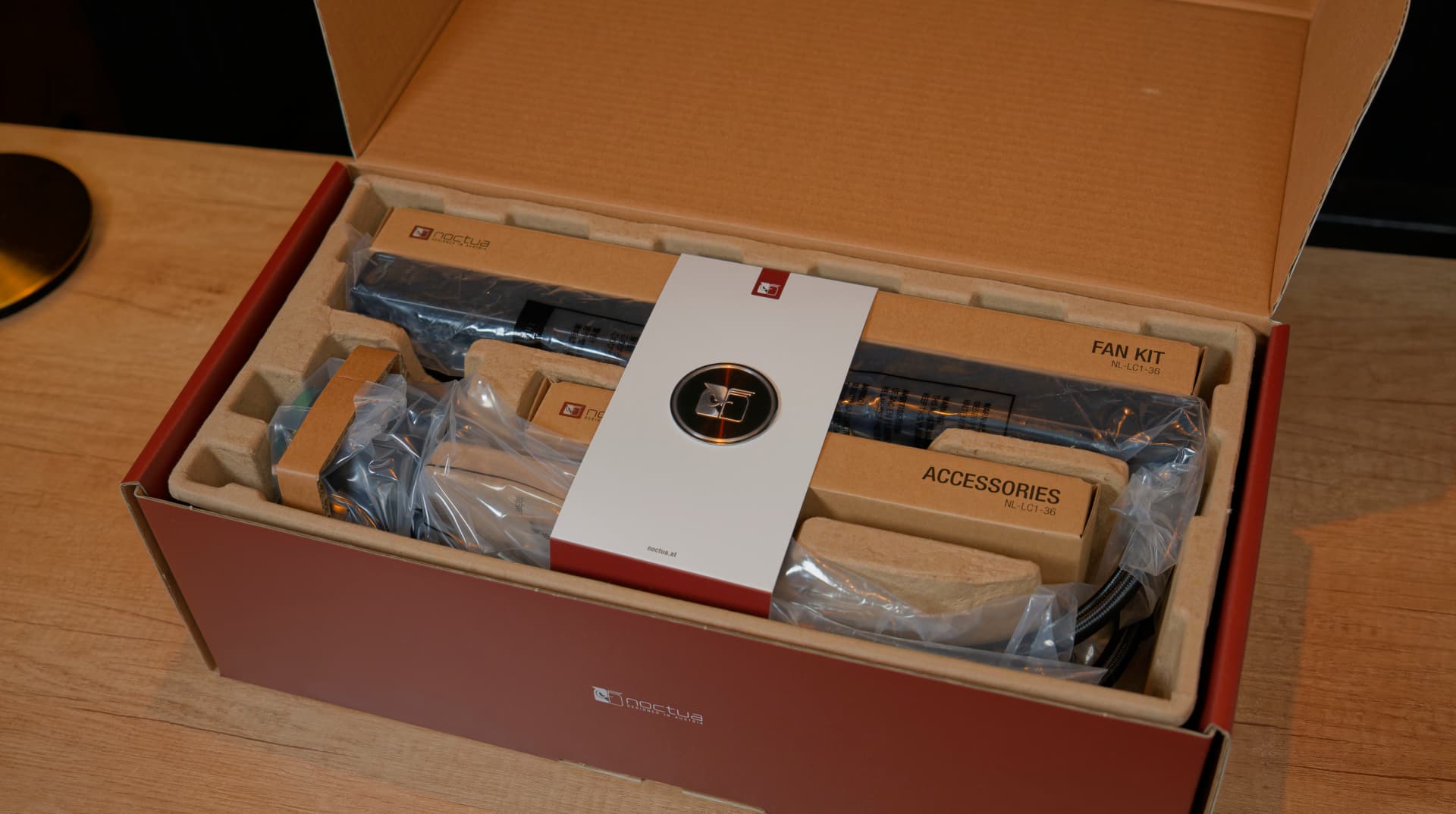
The NL-LC1-36 uses Noctua's standard nomenclature. It arrives in typical Noctua packaging. It includes the classic Noctua Torx screwdriver. Yet at its core, you're buying an Asetek cooler with a noise-dampening pump cap and premium fans. Some will see this as pragmatic engineering; others will call it a compromise.
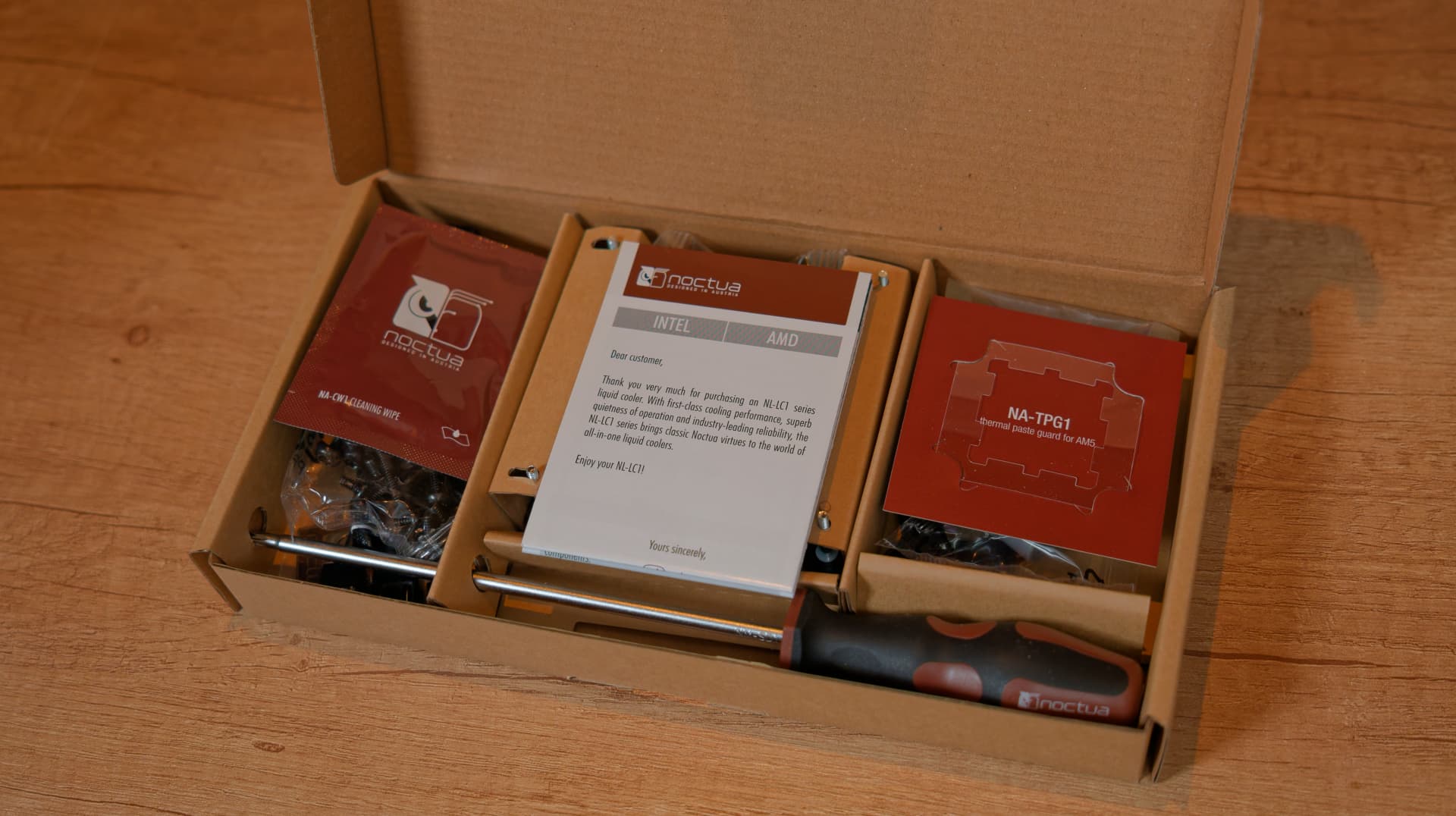
What's in the box?
- 360mm radiator (400 x 120 x 30mm)
- Three NF-A12x25 G2 fans with rear gaskets
- NL-PNA1 pump noise absorber assembly
- AMD AM5/AM4 and Intel LGA 1700/1851 mounting brackets with -7mm offset holes
- Large decorative plaque for pump block
- Cleaning wipe, TIM guard, and Torx screwdriver
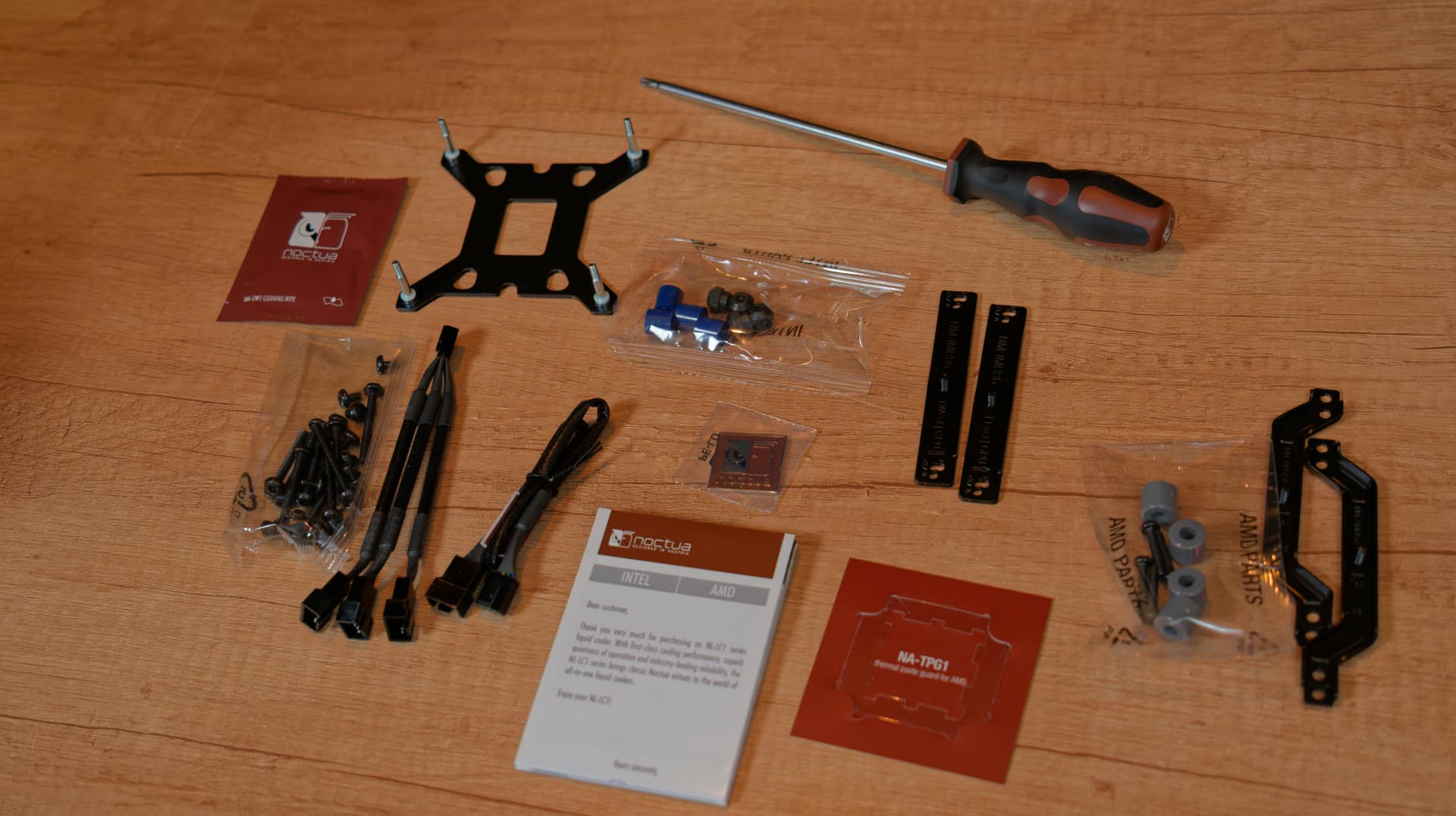
The offset mounting holes position the cooler better over CPU hotspots, a detail that reflects Noctua's thermal engineering expertise. All fans include full rear gaskets for an airtight seal against the radiator.
Noctua also sells an optional auxiliary fan, the NL-ACF1, which clips onto the pump block to cool VRMs and memory around the CPU socket. Tom's Hardware describes this accessory as feeling "like an afterthought."
What are the drawbacks?
✅ Pros
- • Quietest AIO on the market according to testing
- • Top-tier thermal performance
- • Three pump profiles via physical switch
- • No RGB, clean design
- • 6-year warranty
❌ Cons
- • High price at $249.99
- • No coolant temperature probe
- • Built on Asetek platform, not in-house
- • Auxiliary fan feels incomplete
The absence of a coolant temperature probe stands out. Many competing AIOs include this sensor, letting users set fan curves based on actual coolant temperature rather than CPU die temperature. For a $250 cooler, this omission is notable.
Who should buy this?
The NL-LC1-36 targets a specific buyer: someone who prioritizes silence above all else and is willing to pay a premium for it. If you run demanding workloads on high-TDP processors and noise bothers you, this cooler makes sense. If you just want good cooling at a reasonable price, plenty of AIOs cost half as much.
Tom's Hardware concludes that "if you prize silence and performance, there is no better AIO." The 6-year warranty provides some assurance for a liquid cooling product, matching what Asetek-based competitors offer.
Logicity's Take
Noctua's decision to partner with Asetek rather than build from scratch is revealing. Developing a liquid cooling platform from zero takes years and massive R&D investment for a relatively small market segment. By focusing on noise engineering, the PNA1 pump cap, and their excellent fans, Noctua added value where they're already experts. The question is whether the Noctua name justifies the premium over a stock Asetek cooler with the same fans added aftermarket.
Frequently Asked Questions
Is the Noctua NL-LC1-36 made by Noctua?
The cooler uses Asetek's Emma Gen8 V2 pump platform as its base. Noctua designed the NL-PNA1 pump noise absorber, includes their NF-A12x25 G2 fans, and handles the mounting system. It's a hybrid: Asetek foundation, Noctua engineering on top.
What sizes does the Noctua NL-LC1 come in?
The cooler is available in 240mm, 360mm (NL-LC1-36), and 420mm variants to fit different case sizes and cooling requirements.
Does the Noctua NL-LC1-36 have RGB lighting?
No. Noctua designed the cooler without RGB, sticking to their classic brown and black color scheme. The company positions this as a no-nonsense design choice.
What warranty does Noctua offer on the NL-LC1-36?
The cooler comes with a 6-year warranty, matching the coverage offered by other premium Asetek-based AIOs.
Why doesn't the NL-LC1-36 have a coolant temperature sensor?
Noctua has not explained this omission. The cooler relies on CPU die temperature for fan control. Some users prefer coolant temperature sensors for smoother, less reactive fan curves.
For readers building quiet, efficient workstations for AI workloads
Need Help Implementing This?
Building a workstation around high-TDP processors that need serious cooling? Our team at Logicity can help you evaluate cooling solutions, case airflow, and noise optimization for your specific use case. Reach out for a consultation.
Source: Latest from Tom's Hardware
Huma Shazia
Senior AI & Tech Writer
Produced with AI assistance and reviewed by the Logicity editorial team. Learn more in our Editorial Policy.