Key Takeaways
- Noctua's first AIO coolers start at $220 for 240mm, $250 for 360mm, and $280 for 420mm
- A custom pump noise absorber and three speed profiles target the acoustic issues typical AIOs face
- An optional $20 auxiliary fan claims to reduce VRM temperatures by nearly 40%
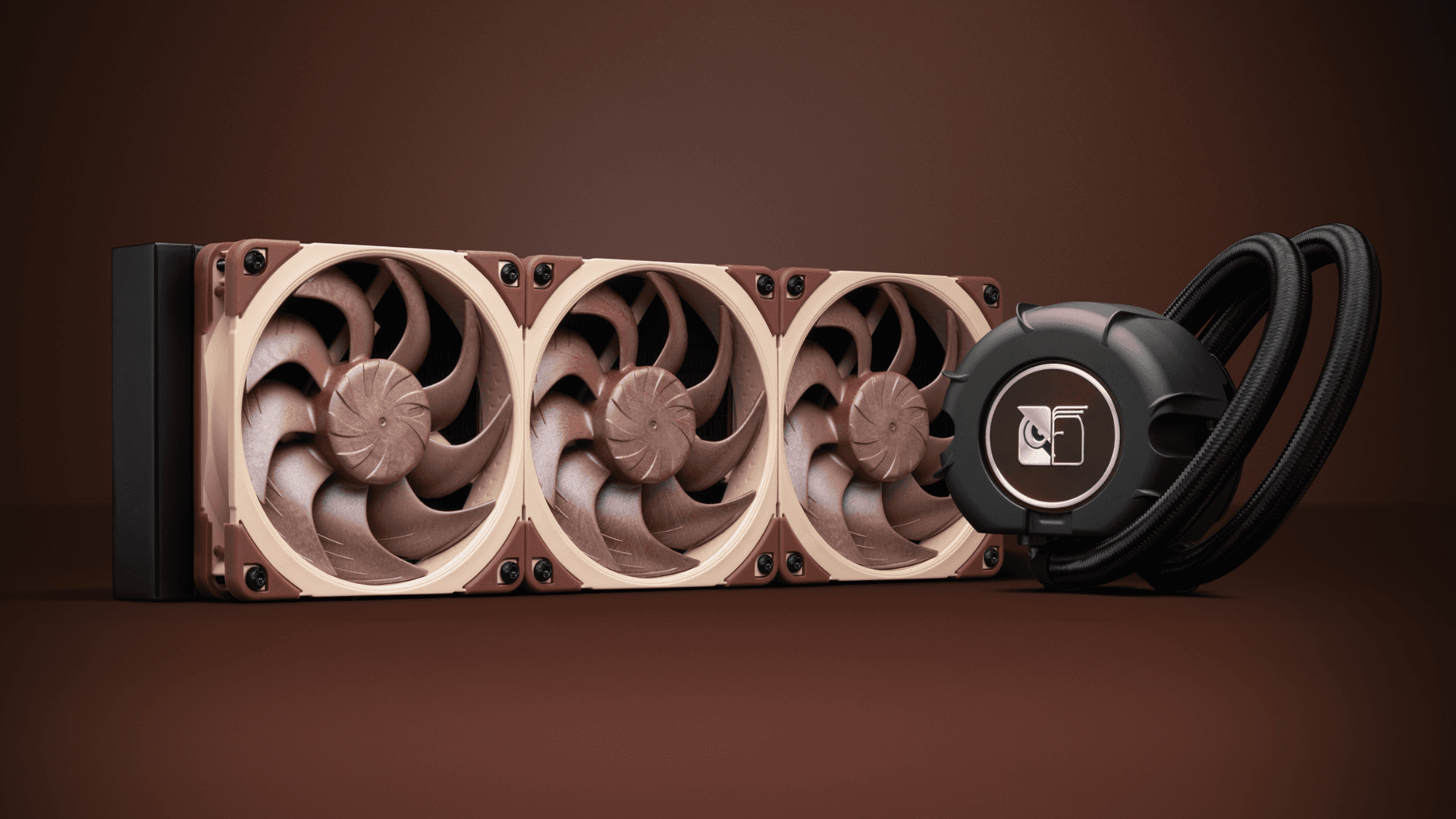
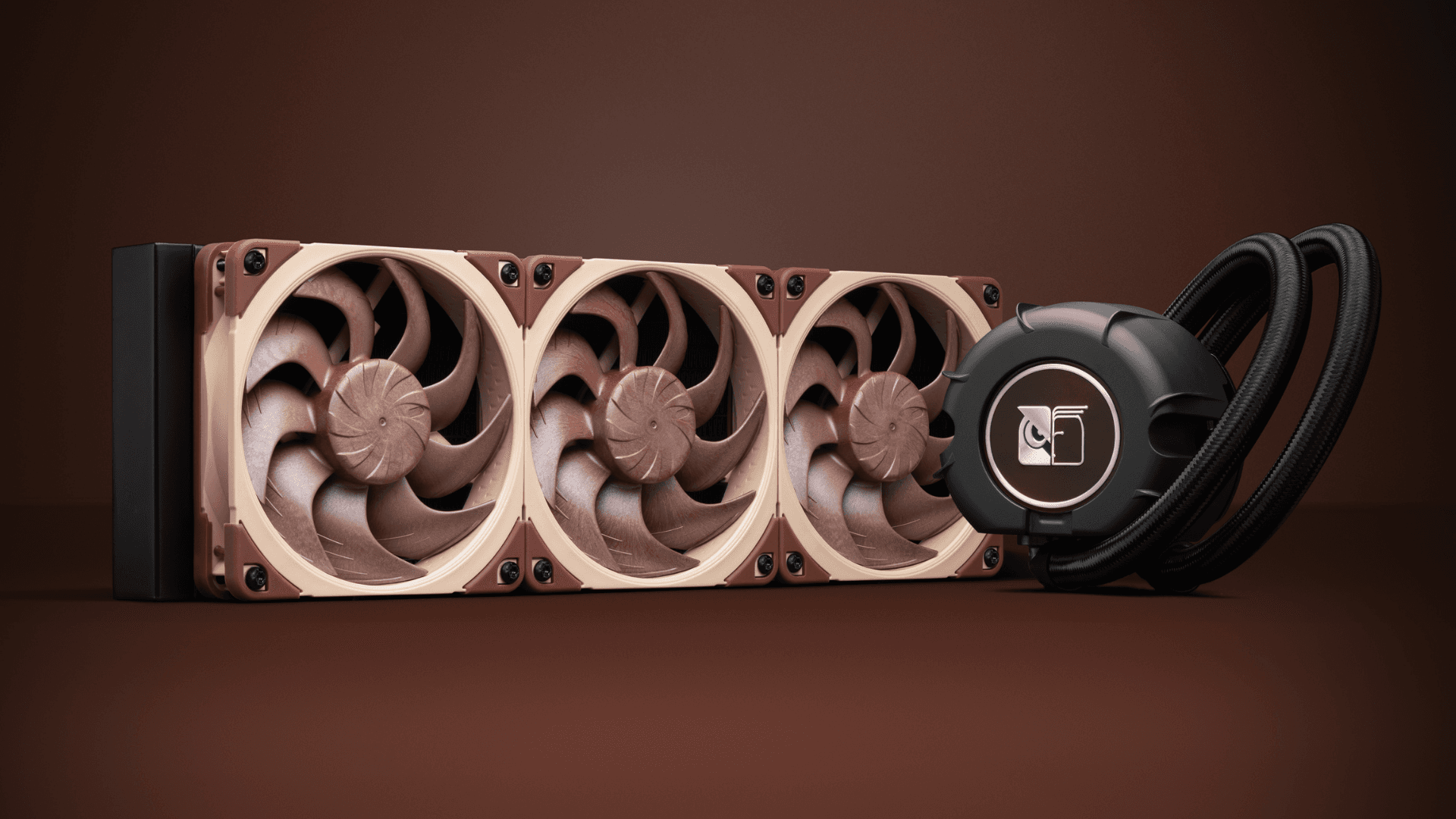
Noctua has finally shipped its first all-in-one liquid coolers after years of prototypes and teasers. The NL-LC1 series comes in three sizes: 240mm at $220, 360mm at $250, and 420mm at $280. All three are available now on Amazon. The Austrian company, known for its obsessive focus on quiet cooling, is betting that PC builders will pay a premium to solve the noise problems that plague most AIOs.
That price tag puts Noctua at the high end of the market. Competing AIOs from Corsair, NZXT, and Arctic start around $120 for a 240mm unit. Noctua's argument: the extra $100 buys you meaningfully better acoustics, not just marginally improved performance.
How Noctua tackles AIO pump noise
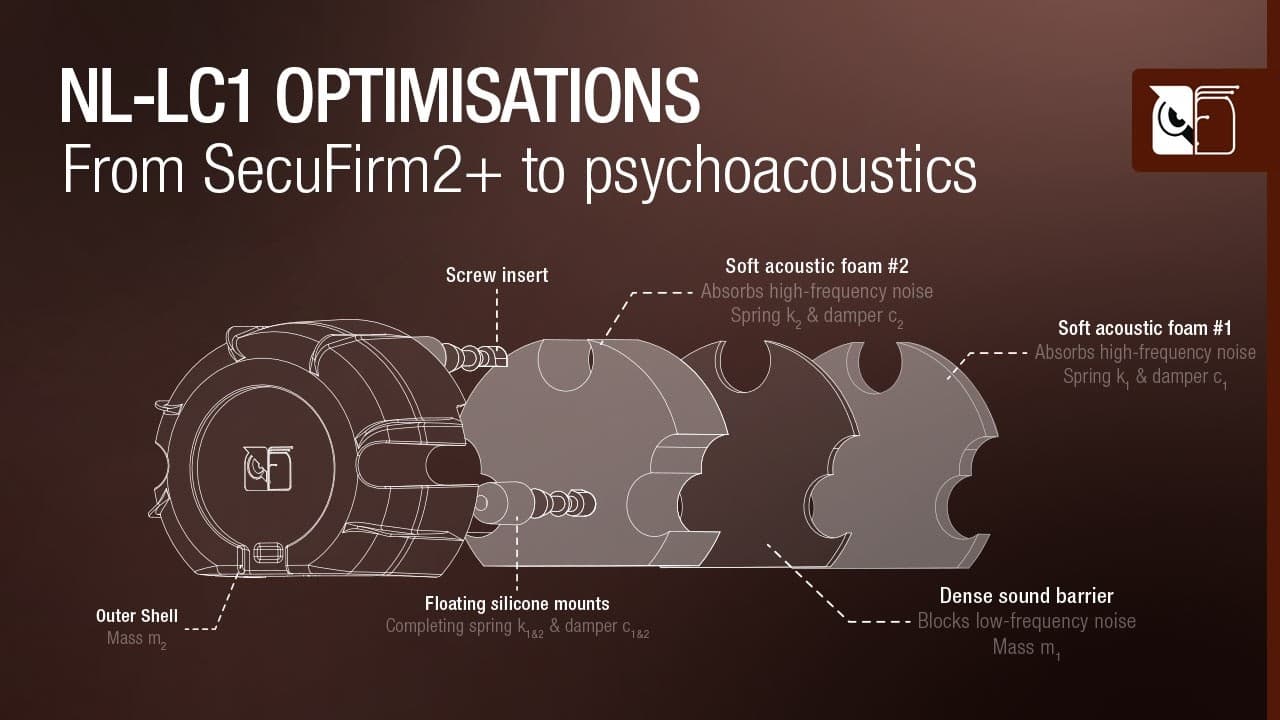
The core innovation is the NL-PNA1, a pump noise absorber that sits atop the water block. It's a mass damper with multiple layers of acoustic foam, a dense sound barrier, floating silicone mounts, and an outer shell with a metal faceplate. The goal is to kill the high-frequency whine and vibration that make many AIOs audible even at low speeds.
“We didn't want to just release another AIO; we wanted to solve the fundamental noise issues associated with pump vibrations that have plagued the category for years.”
— Roland Mossig, CEO of Noctua
The pump offers three speed profiles. Quiet mode is the default, keeping it inaudible under normal loads. Balanced mode adds performance headroom with some added noise. Manual mode gives full PWM control for users who want to tune every variable themselves.
Noctua partnered with Asetek for the underlying pump platform rather than designing everything in-house. This isn't unusual; Asetek supplies the core technology for many major AIO brands. Noctua's differentiation comes from the noise-dampening engineering layered on top.
The fans make the difference
Each AIO ships with Noctua's latest G2-series fans. The 240mm and 360mm models use the NF-A12x25 G2 PWM, a 120mm fan that regularly tops best-of lists for its balance of airflow, static pressure, and low noise. The 420mm model swaps those for three NF-A14x25 G2 PWM 140mm fans.
These fans alone would cost $90 to $135 if purchased separately, which partly explains the higher total price. For builders already committed to Noctua's fan ecosystem, the AIO represents better value than the sticker suggests.
All three models use 30mm-thick radiators, a standard thickness that fits most cases without clearance issues. Noctua's SecuFirm2+ mounting system supports AM4, AM5, LGA 1700, and LGA 1851 sockets. If you're already using a Noctua air cooler like the NH-D15 G2, swapping to this AIO requires no new mounting hardware.
The $20 accessory worth watching
Noctua also offers the NL-ACF1, an 80mm auxiliary fan that mounts magnetically to the water block. It's designed to push air over VRMs and nearby RAM, components that often run hot under sustained loads. Noctua claims it can reduce VRM temperatures by nearly 40%.
At $20, this is a niche accessory. But for workstation builders running high-core-count CPUs or anyone overclocking aggressively, it addresses a real problem. Cooler VRMs mean your case fans can run slower, compounding the noise benefits.
Who should pay the premium?
Noctua's AIO makes sense for two groups. First, builders who prioritize silence above all else and are willing to pay for it. Second, those already invested in Noctua's ecosystem who want a matching liquid cooler without mixing brands.
For everyone else, the value proposition is harder. A $120 Arctic Liquid Freezer III or Corsair H150i will deliver comparable cooling performance. The difference shows up on a decibel meter, not a temperature sensor. Whether that acoustic margin justifies $100 extra depends on your tolerance for fan noise and your budget flexibility.
Reddit's r/buildapc community has responded with predictable split opinions. Noctua loyalists see this as the AIO they've waited years for. Skeptics point out that air coolers like Noctua's own NH-D15 G2 deliver excellent performance at lower cost with no pump to fail.
Pricing breakdown by model
| Model | Size | Fans Included | US Price |
|---|---|---|---|
| NL-LC1-24 | 240mm | 2x NF-A12x25 G2 120mm | $220 |
| NL-LC1-36 | 360mm | 3x NF-A12x25 G2 120mm | $250 |
| NL-LC1-42 | 420mm | 3x NF-A14x25 G2 140mm | $280 |
Frequently Asked Questions
How much does the Noctua NL-LC1 AIO cooler cost?
The 240mm model costs $220, the 360mm costs $250, and the 420mm costs $280. All are available on Amazon.
What sockets does the Noctua AIO support?
The NL-LC1 series supports AM4, AM5, LGA 1700, and LGA 1851 using Noctua's SecuFirm2+ mounting system.
Is the Noctua AIO quieter than competitors?
Noctua designed it specifically for low noise with a pump noise absorber and G2-series fans, though independent reviews will need to confirm real-world performance against competitors.
What is the NL-ACF1 auxiliary fan?
It's an optional $20 80mm fan that mounts to the water block to cool VRMs and RAM, claiming up to 40% VRM temperature reduction.
Does Noctua make its own AIO pump?
No. Noctua partnered with Asetek for the core pump platform, then added custom noise-dampening technology on top.

Logicity's Take
Noctua entering the AIO market validates that liquid cooling has matured enough for a company obsessed with quality control. But the real test isn't whether enthusiasts buy it. It's whether Noctua can maintain their reliability reputation when pumps, not just fans, start failing in three to five years. Air coolers have no moving parts beyond fans. AIOs do. Noctua's warranty and long-term support will matter more than any spec sheet.
If you're building a PC for someone, premium cooling makes a solid gift
Need Help Implementing This?
Building a silent workstation or high-performance PC? Logicity can connect you with system integrators and enterprise IT consultants who specialize in quiet computing solutions. Contact our team for recommendations tailored to your needs.
Source: Latest from Tom's Hardware
Huma Shazia
Senior AI & Tech Writer
Produced with AI assistance and reviewed by the Logicity editorial team. Learn more in our Editorial Policy.