Key Takeaways
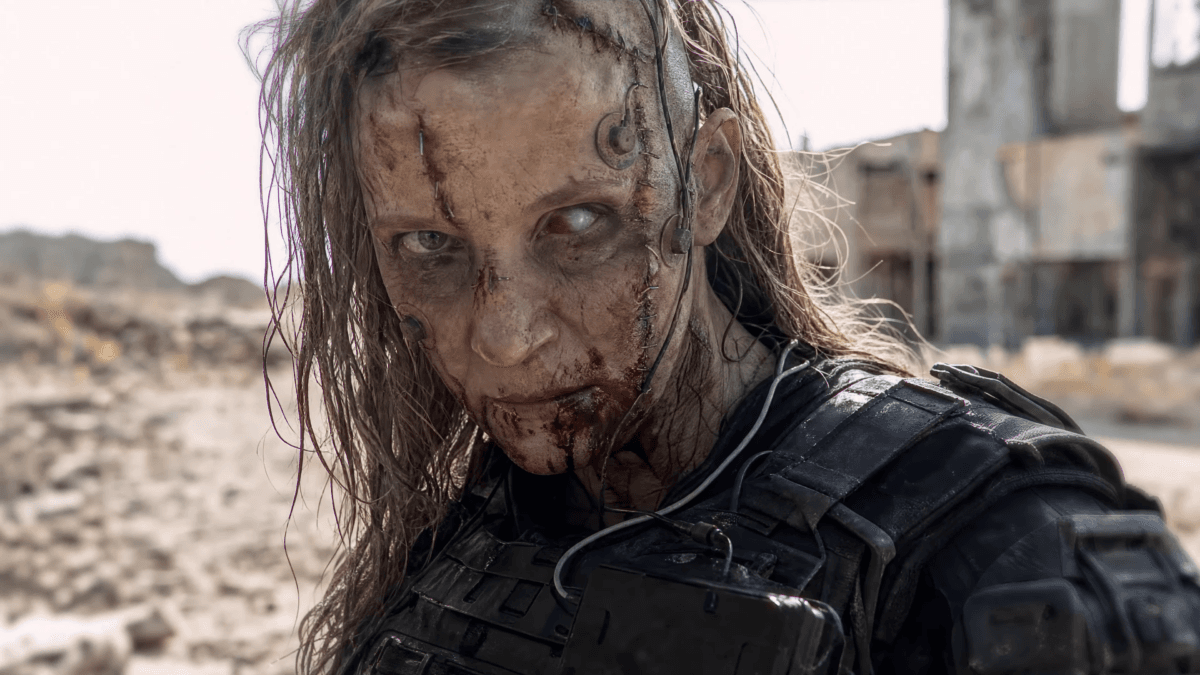
- Neill Blomkamp directed a 13-minute sci-fi horror film using only AI video generation and text prompts
- The production licensed faces and voices from 32 real people and used human concept artists
- Blomkamp founded Barley Studios to pursue full-length AI-generated features
Neill Blomkamp, the director behind District 9, has released Nightborne, a 13-minute sci-fi horror short made entirely with AI video generation. He directed the film frame by frame using text prompts fed into Seedance 2.0, a video generation model. No cameras. No sets. Just a director, a keyboard, and 32 people who licensed their faces and voices.
Blomkamp announced on X that he plans to shoot a full-length feature using the same approach. He's also founded Barley Studios, a new production company dedicated to AI filmmaking, as a successor to Oats Studios, which produced traditional short films.
How Nightborne was made
The short follows a U.S. pilot presumed dead and a secret military program that reanimates fallen soldiers for combat. Shot in a faux-documentary style, it runs 13 minutes, making it one of the longest narrative films produced entirely through AI video generation by a major Hollywood director.
Blomkamp's workflow centered on Seedance 2.0, a video generation model that converts text prompts into video sequences. He directed each frame by describing what he wanted, then refined the outputs until they matched his vision. Human artists created the concept art that guided the visual style. The faces and voices of 32 real people appear under licensing agreements, sidestepping one of AI filmmaking's thorniest legal problems.
Why this matters for production teams
Blomkamp isn't a hobbyist experimenting with toys. District 9 grossed $210 million on a $30 million budget and earned an Academy Award nomination. When someone with that track record pivots to AI video generation, it signals something concrete: the tools have reached a threshold where serious filmmakers consider them viable for narrative work.
That doesn't mean the technology is mature. AI video generation still struggles with temporal consistency, coherent physics, and fine character control. But Blomkamp's willingness to work within those constraints, directing frame by frame through prompts, suggests a new production model: AI as a rendering engine, humans as creative directors.
For product teams building AI-powered creative tools, Nightborne is a proof point. A recognizable name used your category of software to ship real work. That's the kind of validation that shifts buyer perception from "experimental" to "production-ready."
The skepticism hasn't gone away
AI filmmaking still faces resistance. Critics point to training data scraped without consent, job displacement for artists and crews, unresolved copyright questions, and concerns that AI-generated content will flood the market with low-quality output. Hollywood guilds have fought hard to establish guardrails around AI use in recent contract negotiations.
Blomkamp addressed some of these concerns. He licensed faces and voices rather than scraping them. He hired human concept artists. The production preserved elements of traditional filmmaking while replacing cameras and sets with AI. Whether that model scales, especially for a full-length feature, remains an open question.
What comes next
Barley Studios, Blomkamp's new company, exists specifically to make AI-generated films. The first feature could arrive within a year or two if the director moves at startup pace. Success would establish a template: prominent filmmaker, licensed talent, human creative direction, AI rendering. Failure would reinforce skeptics' arguments that AI can handle short experiments but not sustained narrative.
Either outcome will generate useful data for anyone building AI video tools. How does a feature-length production stress the technology? Where does the human intervention bottleneck appear? What licensing infrastructure does this require at scale?
Logicity's Take
Blomkamp's move validates AI video generation for narrative filmmaking, but the real test is his feature. Short films let you cherry-pick strong sequences. A 90-minute story exposes every weakness in temporal consistency and character control. For AI product teams, watch how he handles licensing. His 32-actor model could become a standard, or it could prove too expensive at feature scale. Competing video tools like Runway Gen-3, Pika Labs, and Sora will all be watching to see whether Seedance 2.0's architecture holds up under extended production pressure.
Frequently Asked Questions
What AI model did Neill Blomkamp use for Nightborne?
Blomkamp used Seedance 2.0, a video generation model that converts text prompts into video sequences. He directed the film frame by frame through written descriptions.
How long is the Nightborne AI short film?
Nightborne runs 13 minutes, making it one of the longest narrative films produced entirely through AI video generation by a major Hollywood director.
Did Blomkamp use real actors in the AI film?
Yes. The faces and voices of 32 real people appear under licensing agreements. Human artists also created the concept art that guided the visual style.
What is Barley Studios?
Barley Studios is Blomkamp's new production company dedicated to AI filmmaking. It succeeds Oats Studios, which produced traditional short films.
Will Neill Blomkamp make a full AI-generated feature film?
He announced plans to do so. The timeline and specific details haven't been disclosed, but Barley Studios was founded specifically for this purpose.
Need Help Implementing This?
If you're building AI video generation into your product or exploring how these tools fit your creative workflow, reach out to Logicity's consulting team. We help product teams evaluate, integrate, and deploy AI capabilities that match their actual use cases.
Source: The Decoder / Matthias Bastian
Manaal Khan
Tech & Innovation Writer
Produced with AI assistance and reviewed by the Logicity editorial team. Learn more in our Editorial Policy.