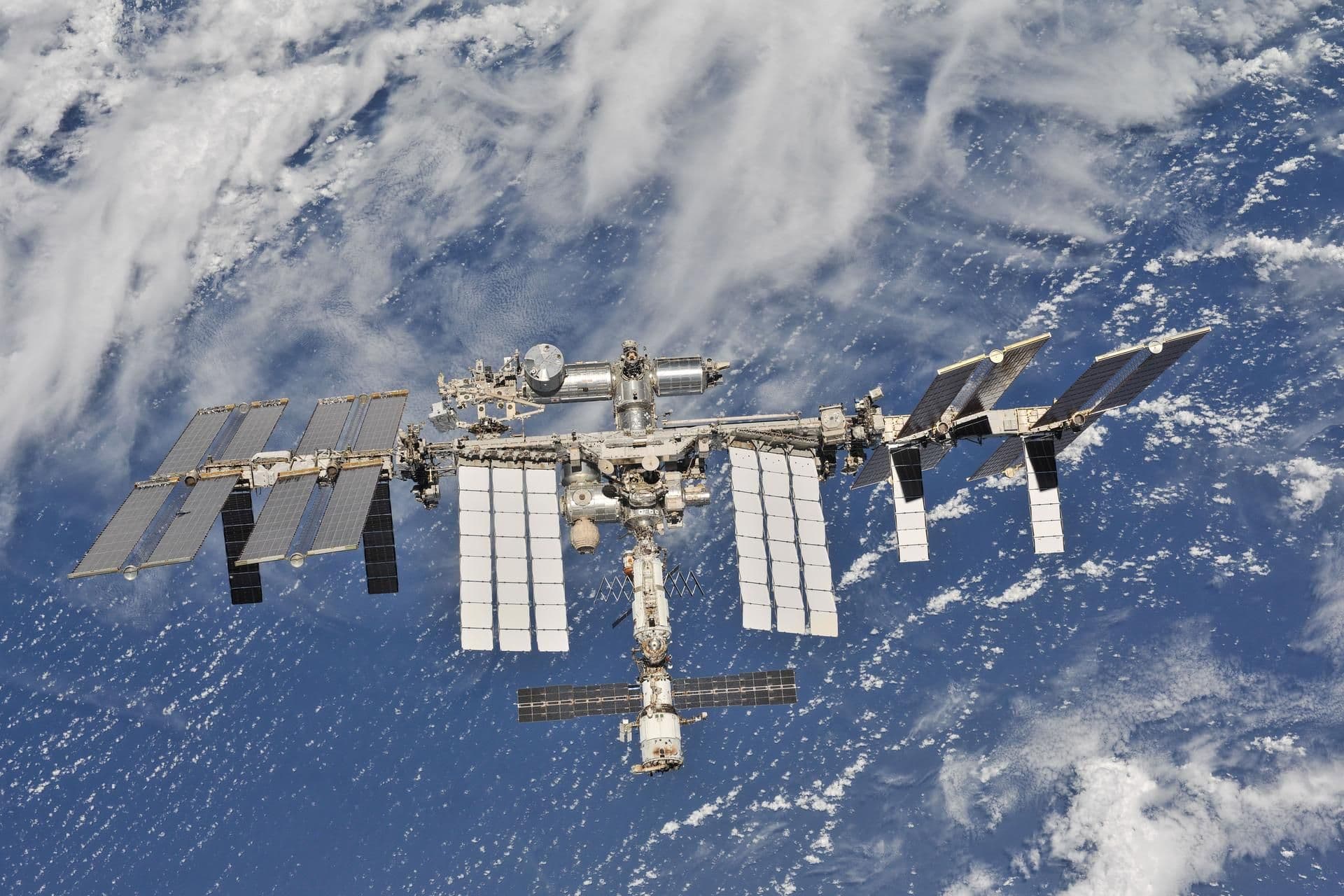
The Artemis II mission marks a major milestone in space exploration as four astronauts embark on a 10-day journey to the Moon. This mission is a crucial step towards NASA's goal of returning humans to the lunar surface by 2028. With the successful launch of the Space Launch System (SLS) rocket, the astronauts are set to enter lunar orbit for the first time in over 50 years.
Key Takeaways
- The Artemis II mission is the first crewed flight of the Space Launch System (SLS) rocket
- Four astronauts will spend 10 days in space, including time in lunar orbit
- The mission is a crucial step towards NASA's goal of returning humans to the Moon by 2028
In This Article
- A New Era in Space Exploration
- The Artemis II Mission: A 10-Day Journey to the Moon
- Meet the Astronauts: The Brave Men and Women of Artemis II
- The Space Launch System (SLS) Rocket: A Powerful Vehicle for Deep Space Exploration
- Overcoming Challenges: The Road to a Successful Mission
- The Future of Space Exploration: What's Next for NASA and the Artemis Program
A New Era in Space Exploration
The Artemis II mission represents a significant leap forward in space exploration, as NASA aims to return humans to the Moon and eventually establish a sustainable presence on the lunar surface. With the successful launch of the SLS rocket, the astronauts are set to embark on a historic journey that will take them farther than any human has gone in over 50 years.
- The Artemis program is a major undertaking by NASA to return humans to the Moon
- The program aims to establish a sustainable presence on the lunar surface by 2028
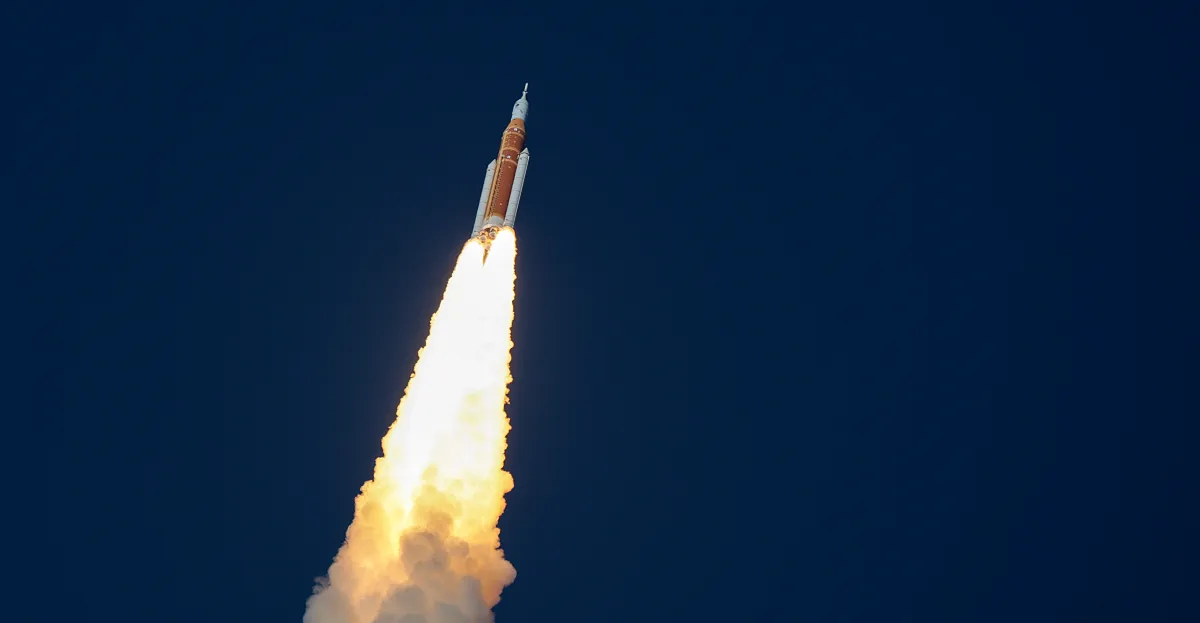
The Artemis II Mission: A 10-Day Journey to the Moon
The Artemis II mission is a complex and highly challenging undertaking that requires precise planning and execution. The four astronauts on board will face a range of challenges as they travel through space and enter lunar orbit.
- The mission will take approximately 10 days to complete
- The astronauts will spend several days in space, including time in lunar orbit
Meet the Astronauts: The Brave Men and Women of Artemis II
The four astronauts on board the Artemis II mission are highly trained and experienced space travelers. They will face a range of challenges as they embark on their historic journey to the Moon.
- The crew includes astronauts from the United States and Canada
- The astronauts have undergone extensive training to prepare for the mission
The Space Launch System (SLS) Rocket: A Powerful Vehicle for Deep Space Exploration
The SLS rocket is a powerful and highly advanced vehicle that is capable of carrying heavy payloads into deep space. The rocket played a critical role in the success of the Artemis II mission, launching the astronauts into space and propelling them towards the Moon.
- The SLS rocket is the most powerful rocket ever built
- The rocket is capable of carrying heavy payloads into deep space
Overcoming Challenges: The Road to a Successful Mission
The Artemis II mission faced a number of challenges, including a delay due to a helium supply issue. Despite these challenges, the mission was ultimately successful, marking a major milestone in space exploration.
- The mission was delayed due to a helium supply issue
- The astronauts and mission control team overcame a range of challenges to ensure the success of the mission
The Future of Space Exploration: What's Next for NASA and the Artemis Program
The success of the Artemis II mission marks a major milestone in space exploration, but it's just the beginning. NASA has ambitious plans for the future, including a lunar landing by 2028 and the establishment of a sustainable presence on the lunar surface.
- NASA plans to establish a sustainable presence on the lunar surface by 2028
- The Artemis program will play a critical role in the development of a lunar base
“The mission is set to bring astronauts in lunar orbit for the first time since 1972”
— Jay Peters, Senior Reporter
Final Thoughts
The Artemis II mission marks a major milestone in space exploration, as NASA takes a significant step towards returning humans to the Moon. With the success of this mission, the agency is one step closer to achieving its goal of establishing a sustainable presence on the lunar surface by 2028. As we look to the future, it's clear that the possibilities for space exploration are endless, and NASA is leading the charge.
Sources & Credits
Originally reported by — Jay Peters

Huma Shazia
Senior AI & Tech Writer
Produced with AI assistance and reviewed by the Logicity editorial team. Learn more in our Editorial Policy.