Key Takeaways
- Astronaut Reid Wiseman captured the Earthset video on an iPhone 17 Pro Max during Artemis II
- NASA recently changed rules to allow astronauts to bring personal smartphones to space
- All NASA media is public domain, meaning anyone can use the footage, not just Apple
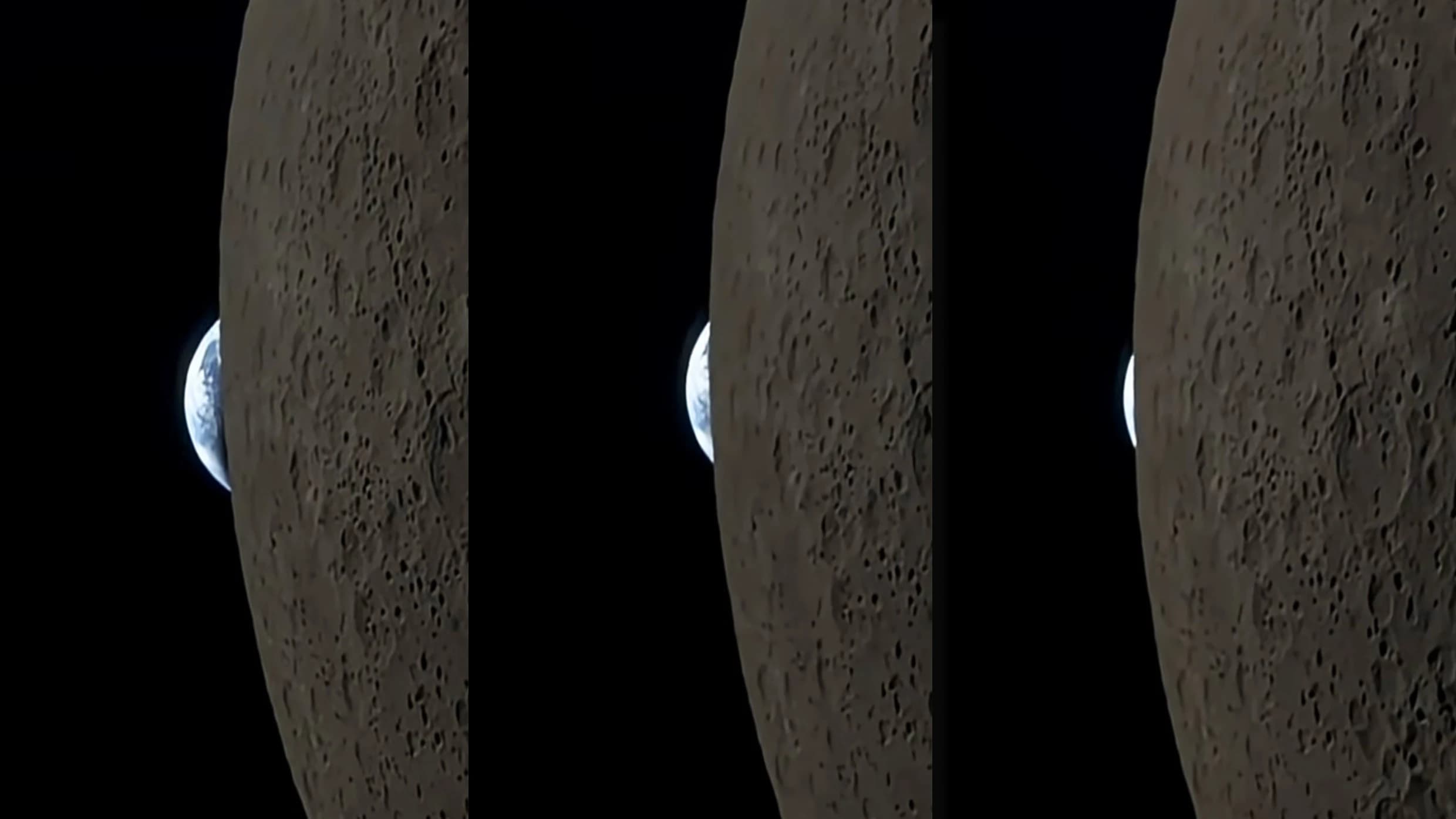
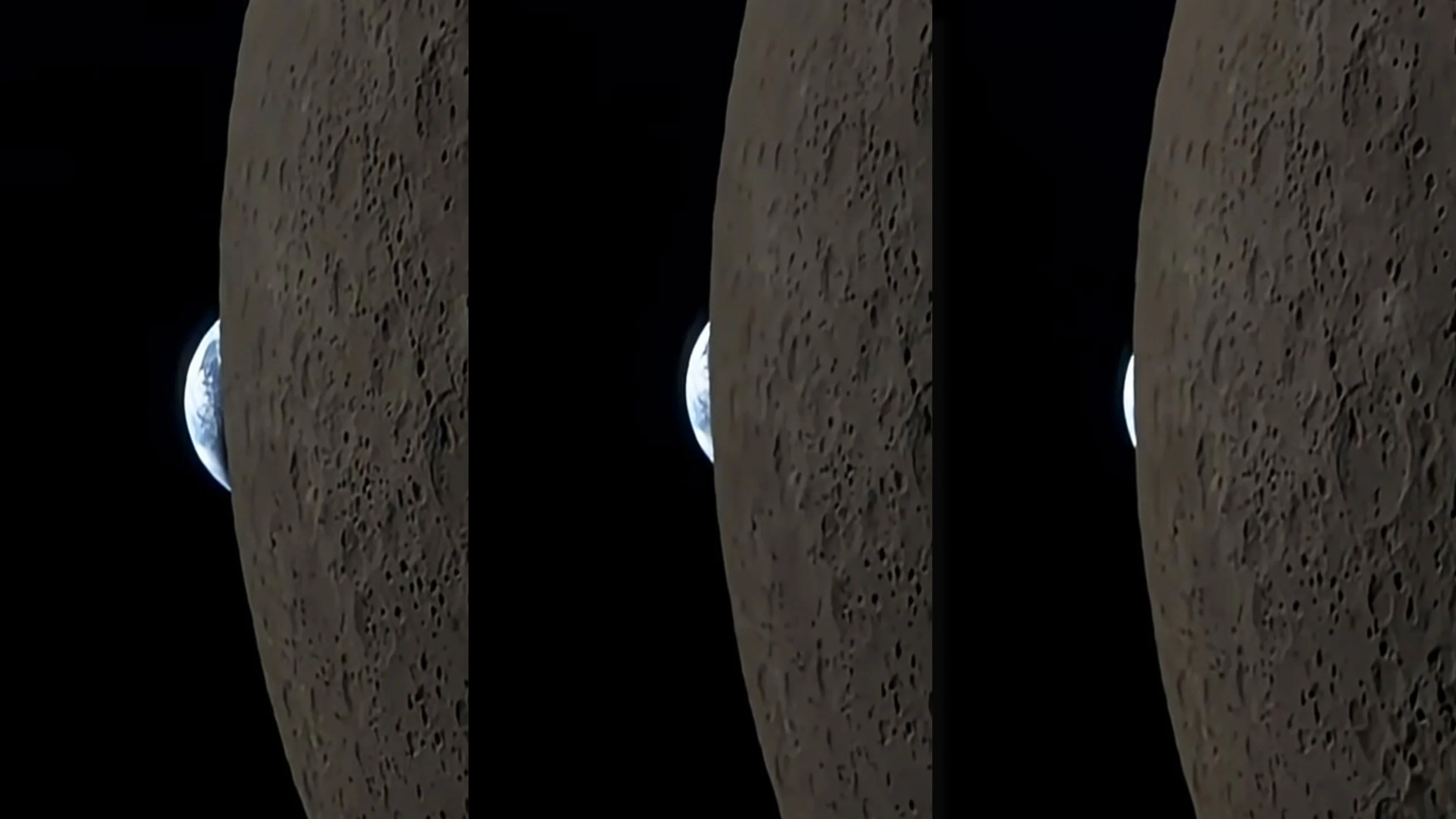
NASA released a video this week that stopped people mid-scroll. It shows Earth setting behind the lunar surface, filmed from the window of the Artemis II crew capsule. The planet's blue curve disappears slowly behind the dark, cratered moon. Weather systems are visible over the oceans. On the audio, an astronaut exhales: "Dude. No way."
The camera that captured this? An iPhone 17 Pro Max.
Reid Wiseman, the American astronaut who commanded the Artemis II mission, shot the footage. The video has since gone viral, generating millions of views. It's become NASA's latest shareable moment in a crowded news cycle.
Consumer Tech Goes to Space
NASA only recently changed its rules to allow astronauts to bring personal smartphones on missions. The four Artemis II astronauts also carried Nikon D5 and Z9 cameras. But the iPhone footage has grabbed attention in a way the professional camera shots haven't.
The video echoes a famous moment in space history. During Apollo 8 in 1968, astronauts captured "Earthrise," one of the most influential photographs ever taken. This new "Earthset" video updates that image for the smartphone era.
Apple CEO Tim Cook noticed. He posted on social media earlier this month: "You captured the wonders of space and our planet beautifully, taking iPhone photography to new heights, and we're grateful you shared it with the world."
The Best Ad Apple Never Made
Several tech outlets have called this "the best iPhone ad Apple never made." The description is accurate. A smartphone used by more than a billion people just proved it can handle space photography. That's a marketing message no studio could fabricate.
Tech companies have long pursued space associations. HP built the original computer for the Apollo program and still works with the International Space Station. Lockheed Martin now runs ads on sites like Wired, promoting its Orion crew capsule. Space is momentous. It's humbling. That makes it prime territory for product placement.
The Catch: Public Domain Rules
Here's Apple's tricky situation. NASA created the video, but the agency makes all its media available to anyone. If you want to see other Artemis footage, browse NASA's Flickr account. The agency's photo repository includes metadata noting the camera, model, and manufacturer for each shot.
Apple got free advertising, but so did the entire internet. Any competitor, any creator, any news outlet can use the same footage. The company can't claim exclusivity over imagery shot on its hardware during a government mission.
Logicity's Take
What This Means for Smartphone Photography
The video demonstrates something engineers have known for years. Modern smartphone cameras use computational photography to rival dedicated cameras in many scenarios. Low-light performance, dynamic range, and video stabilization have improved dramatically.
Space adds specific challenges. Temperature extremes, radiation, and vibration can damage electronics. The fact that an off-the-shelf iPhone handled the Orion capsule environment speaks to build quality that Apple rarely promotes directly.
Frequently Asked Questions
What phone was used to film the NASA moon video?
Astronaut Reid Wiseman filmed the Earthset video using an iPhone 17 Pro Max during the Artemis II mission.
Can astronauts bring personal phones to space?
Yes. NASA recently changed its rules to allow astronauts to bring personal smartphones on missions.
Is the NASA Earthset video available for anyone to use?
Yes. NASA makes all its media available to the public. You can access Artemis mission footage through NASA's Flickr account and photo repository.
What other cameras did Artemis II astronauts use?
The four astronauts also brought Nikon D5 and Z9 cameras aboard the Orion capsule.
Need Help Implementing This?
Source: Fast Company / Rebecca Heilweil
iPhone 18 Design Leaks and Apple Leadership Changes
The new article reveals design leaks for the successor to the iPhone 17, including a new variable aperture camera system and increased physical thickness. It also reports a major leadership change at Apple, noting that Tim Cook has stepped down as CEO.
Huma Shazia
Senior AI & Tech Writer
Produced with AI assistance and reviewed by the Logicity editorial team. Learn more in our Editorial Policy.