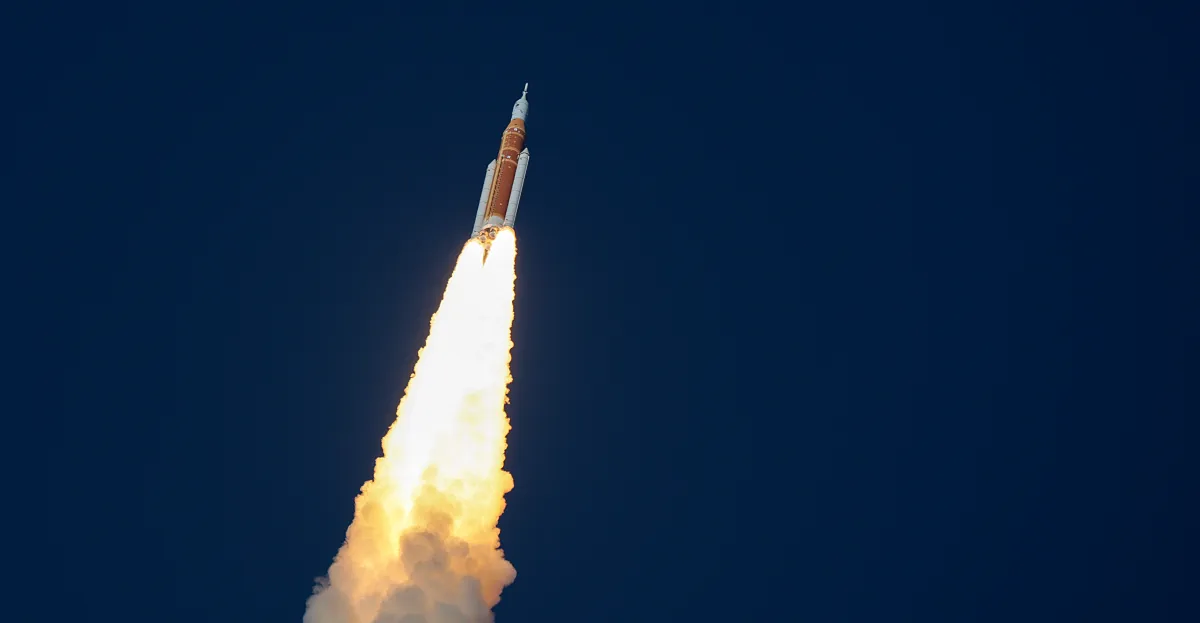
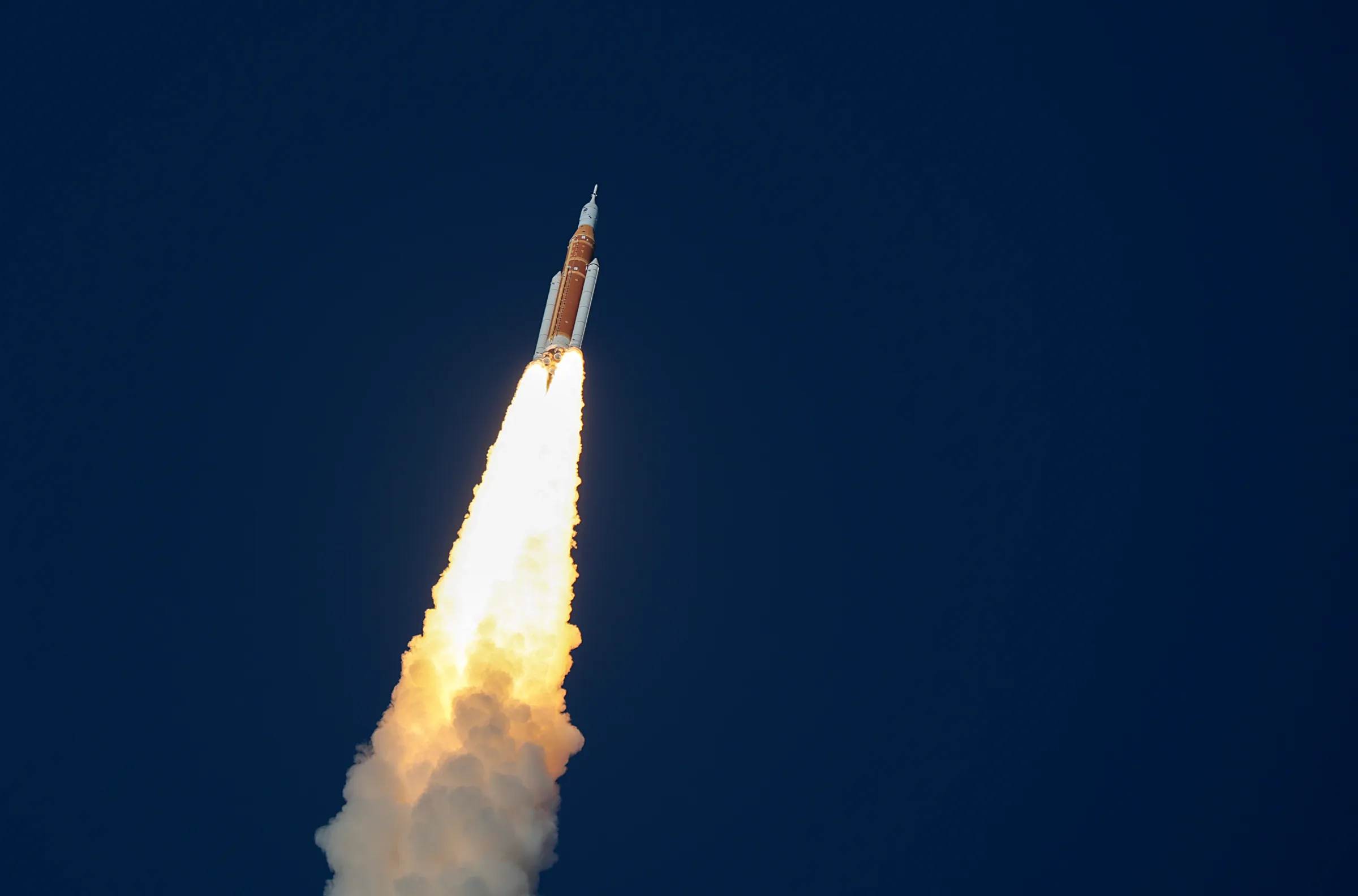
In a groundbreaking mission, NASA has successfully launched four astronauts towards the Moon, marking the first time humans have orbited the lunar surface in over 50 years. The Artemis II mission is a crucial step towards establishing a human presence on the Moon by 2028. This mission is expected to pave the way for future lunar expeditions and potentially even a human settlement on the Moon.
Key Takeaways
- The Artemis II mission is the first crewed flight of the Space Launch System (SLS) rocket.
- Four astronauts will orbit the Moon for the first time since 1972.
- The mission is a crucial step towards establishing a human presence on the Moon by 2028.
In This Article
- Introduction to Artemis II
- Meet the Astronauts
- Mission Objectives
- The Significance of Artemis II
- Challenges and Delays
- Future Plans
Introduction to Artemis II
The Artemis II mission is a significant milestone in NASA's ambitious plan to return humans to the Moon. As Jay Peters, Senior Reporter, notes, this mission is part of NASA's Artemis program, which aims to bring humans back onto the Moon as early as 2028.
- The mission will take four astronauts on a 10-day journey to the Moon.
- The crew will travel aboard the Orion crew capsule, launched by the Space Launch System (SLS) rocket.
Meet the Astronauts
The four astronauts on board the Artemis II mission are highly experienced and skilled individuals. Reid Wiseman, Victor Glover, Christina Koch, and Canadian Jeremy Hansen will make history as they become the first humans to orbit the Moon in over 50 years.
- The astronauts will conduct a series of tests and experiments during their mission.
- Their journey will provide valuable insights into the effects of space travel on the human body.
Mission Objectives
The primary objective of the Artemis II mission is to test the capabilities of the Space Launch System (SLS) rocket and the Orion crew capsule. The mission will also provide an opportunity for the astronauts to conduct scientific experiments and gather data on the lunar environment.
- The mission will test the SLS rocket's ability to carry crew and cargo to the Moon.
- The astronauts will conduct experiments on the lunar surface, including testing the effects of lunar gravity on plants and animals.
The Significance of Artemis II
The Artemis II mission marks a significant milestone in space exploration. As Jay Peters notes, this mission is a crucial step towards establishing a human presence on the Moon and potentially even a human settlement on the Moon.
- The mission will pave the way for future lunar expeditions and potentially even a human settlement on the Moon.
- The Artemis II mission will provide valuable insights into the challenges and opportunities of space travel.
Challenges and Delays
The Artemis II mission has faced several challenges and delays, including a helium supply issue that delayed the launch in February. However, NASA has overcome these challenges and is now pushing forward with the mission.
- The mission was delayed due to a helium supply issue.
- NASA has pushed back its plans for a Moon landing, shifting the planned 2027 Artemis III mission from a Moon landing to a test flight.
Future Plans
The Artemis II mission is just the beginning of NASA's ambitious plan to return humans to the Moon. The agency has plans for several future missions, including the Artemis III mission, which is scheduled to land on the Moon in 2028.
- The Artemis III mission will be the first lunar landing since 1972.
- NASA plans to establish a sustainable human presence on the Moon by 2028.
“The mission is set to bring astronauts in lunar orbit for the first time since 1972.”
— Jay Peters, Senior Reporter
Final Thoughts
As the Artemis II mission embarks on its historic journey to the Moon, it marks a significant milestone in space exploration. With its successful launch, NASA is one step closer to establishing a human presence on the Moon and potentially even a human settlement on the Moon. As we look to the future, it will be exciting to see how this mission and future missions shape the course of space travel and exploration.
Sources & Credits
Originally reported by — Jay Peters

Manaal Khan
Tech & Innovation Writer
Produced with AI assistance and reviewed by the Logicity editorial team. Learn more in our Editorial Policy.