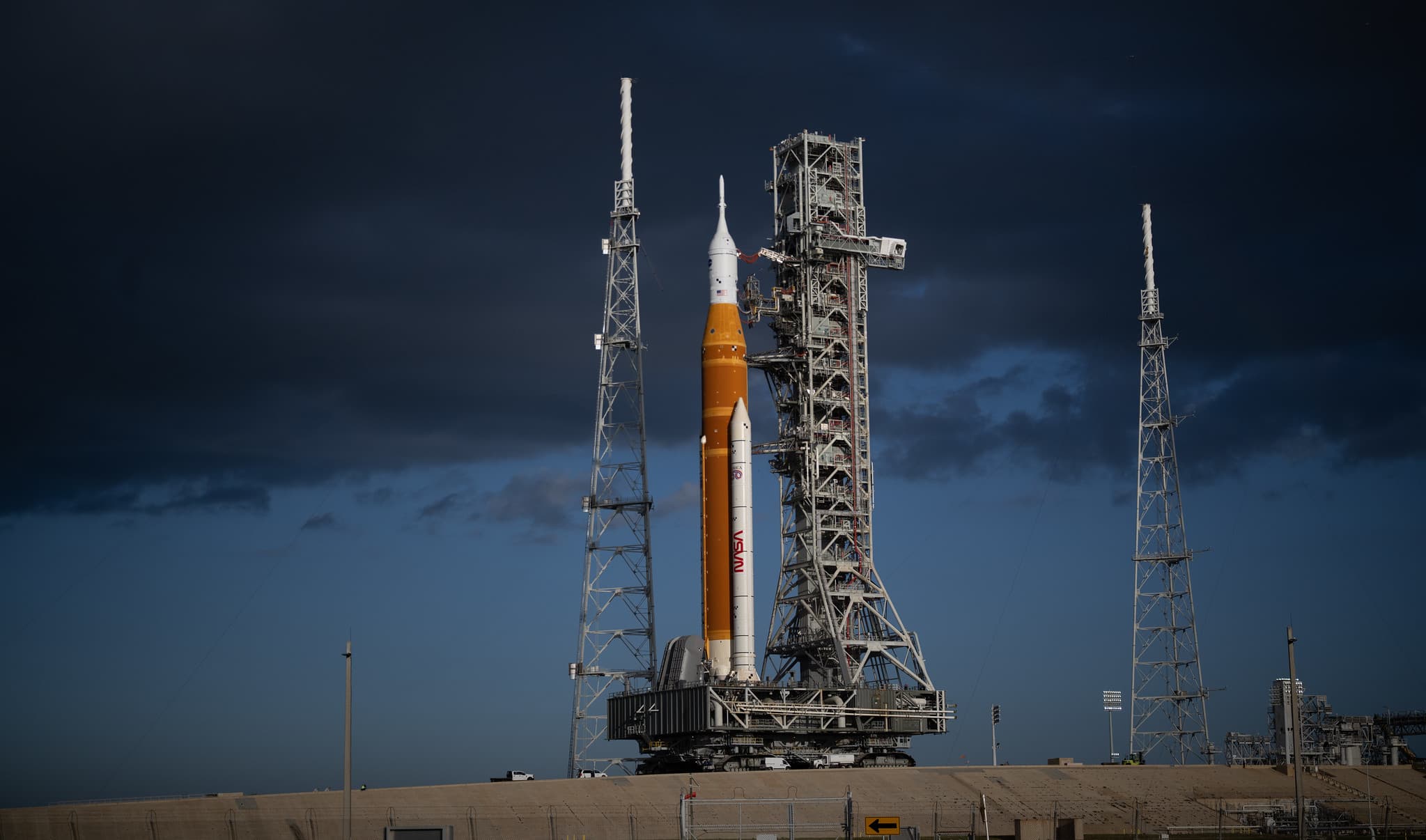
The NASA Artemis 2 rocket launch marks a significant milestone in space exploration, sending four astronauts on a 10-day journey around the moon. This mission is a precursor to a manned mission to Mars and marks the first time humans will travel beyond low Earth orbit in over 50 years. With its powerful Space Launch System (SLS) rocket, NASA is pushing the boundaries of space travel and paving the way for a new era of exploration.
Key Takeaways
- The Artemis 2 mission is sending four astronauts on a 10-day journey around the moon
- The Space Launch System (SLS) rocket is the only vehicle capable of launching people beyond low Earth orbit
- This mission marks the first time humans will travel beyond low Earth orbit in over 50 years
In This Article
- Introduction to the Artemis 2 Mission
- The Power of the Space Launch System (SLS) Rocket
- The Objectives of the Artemis 2 Mission
- The Historic Significance of the Artemis 2 Mission
- A Unique Convergence: The Artemis 2 Launch and Passover
- Reflections on the Artemis 2 Mission
Introduction to the Artemis 2 Mission
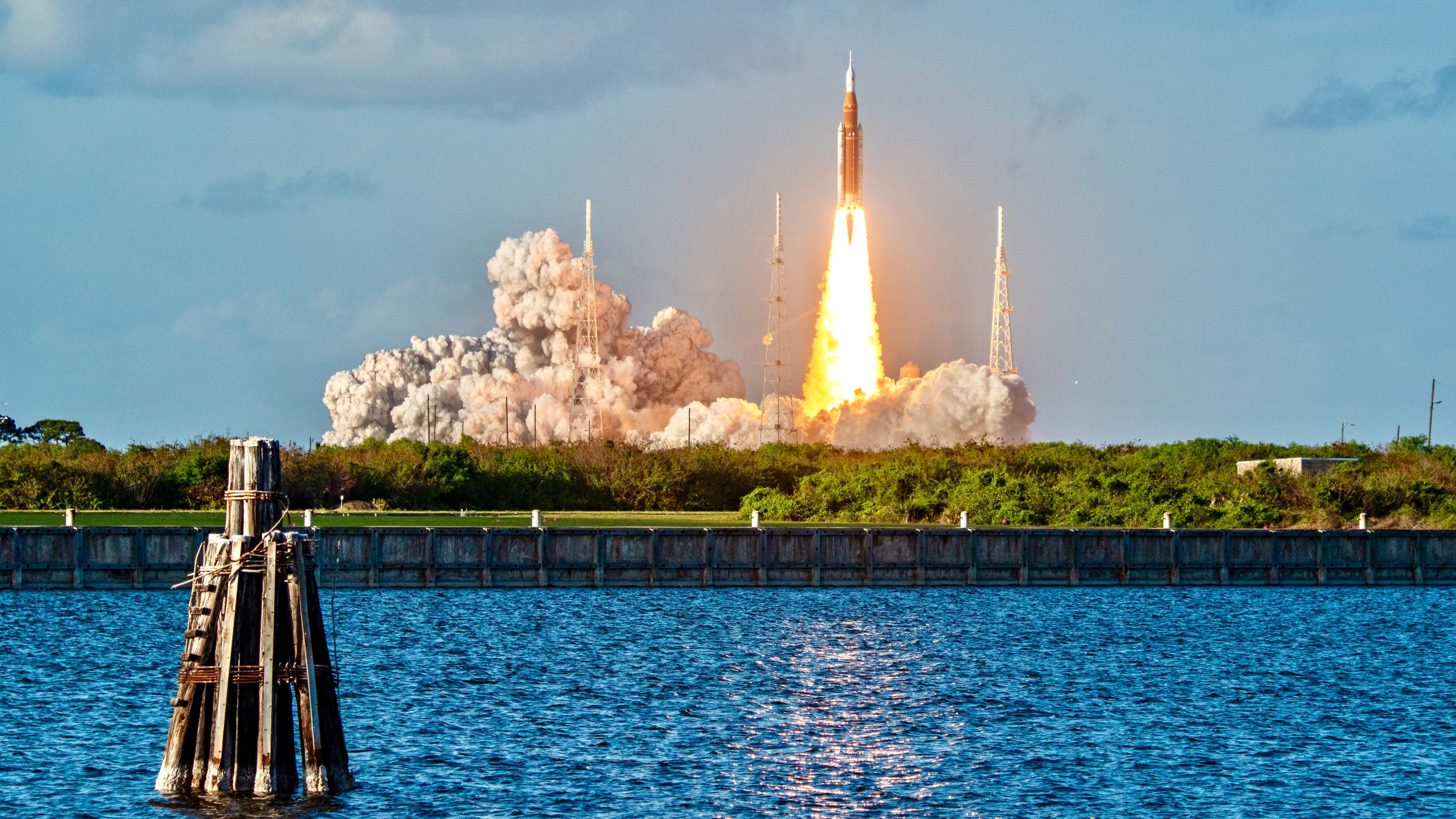
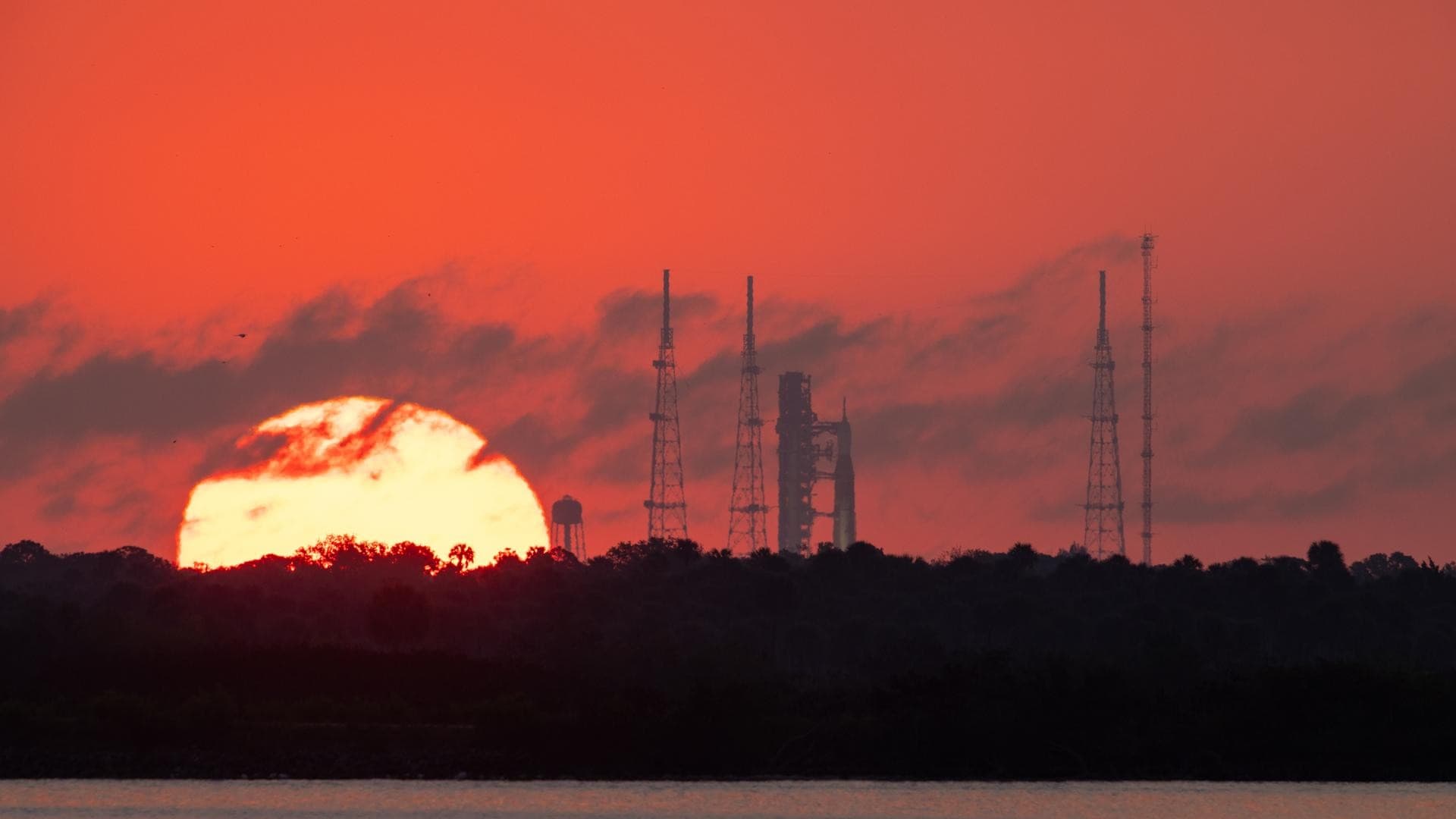
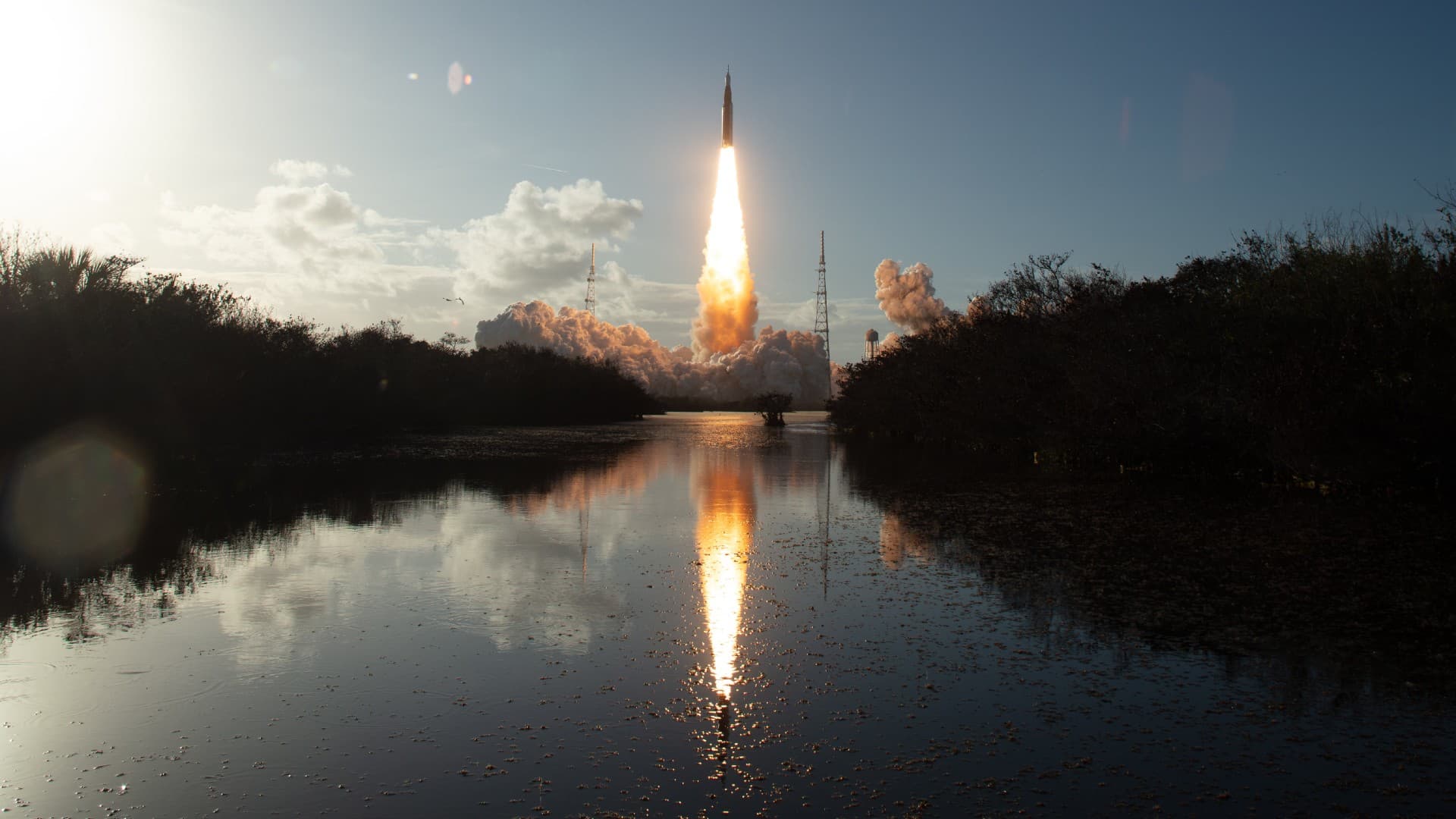
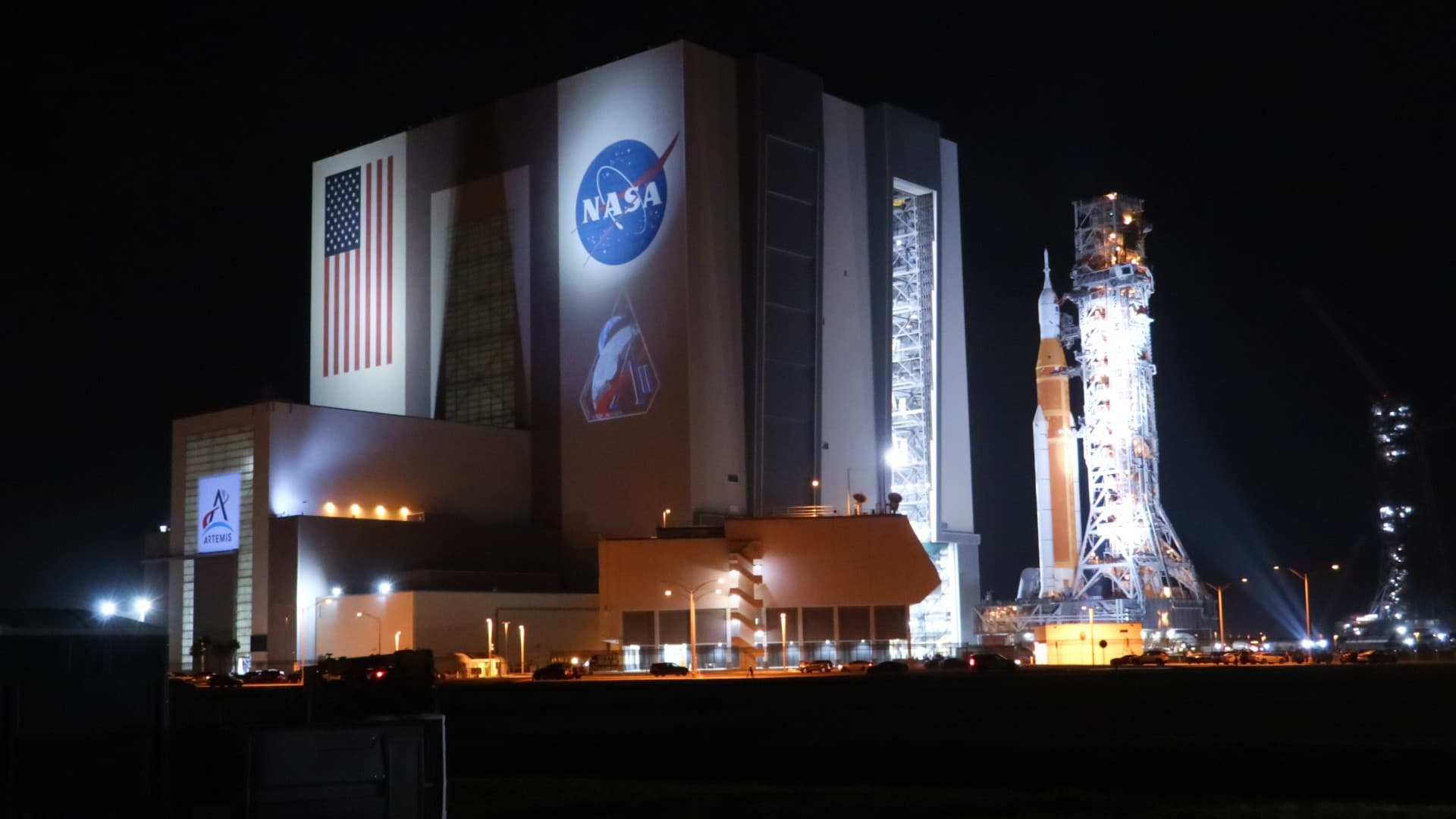
As the world watched, the NASA Artemis 2 rocket launched from the Kennedy Space Center, carrying four astronauts on a historic journey around the moon. This mission is a significant step towards establishing a human presence on the lunar surface and eventually sending humans to Mars.
- The Artemis 2 mission is a crewed flight test of the Space Launch System (SLS) rocket and the Orion spacecraft
- The mission will test the performance of the SLS rocket and the Orion spacecraft in a lunar environment
The Power of the Space Launch System (SLS) Rocket
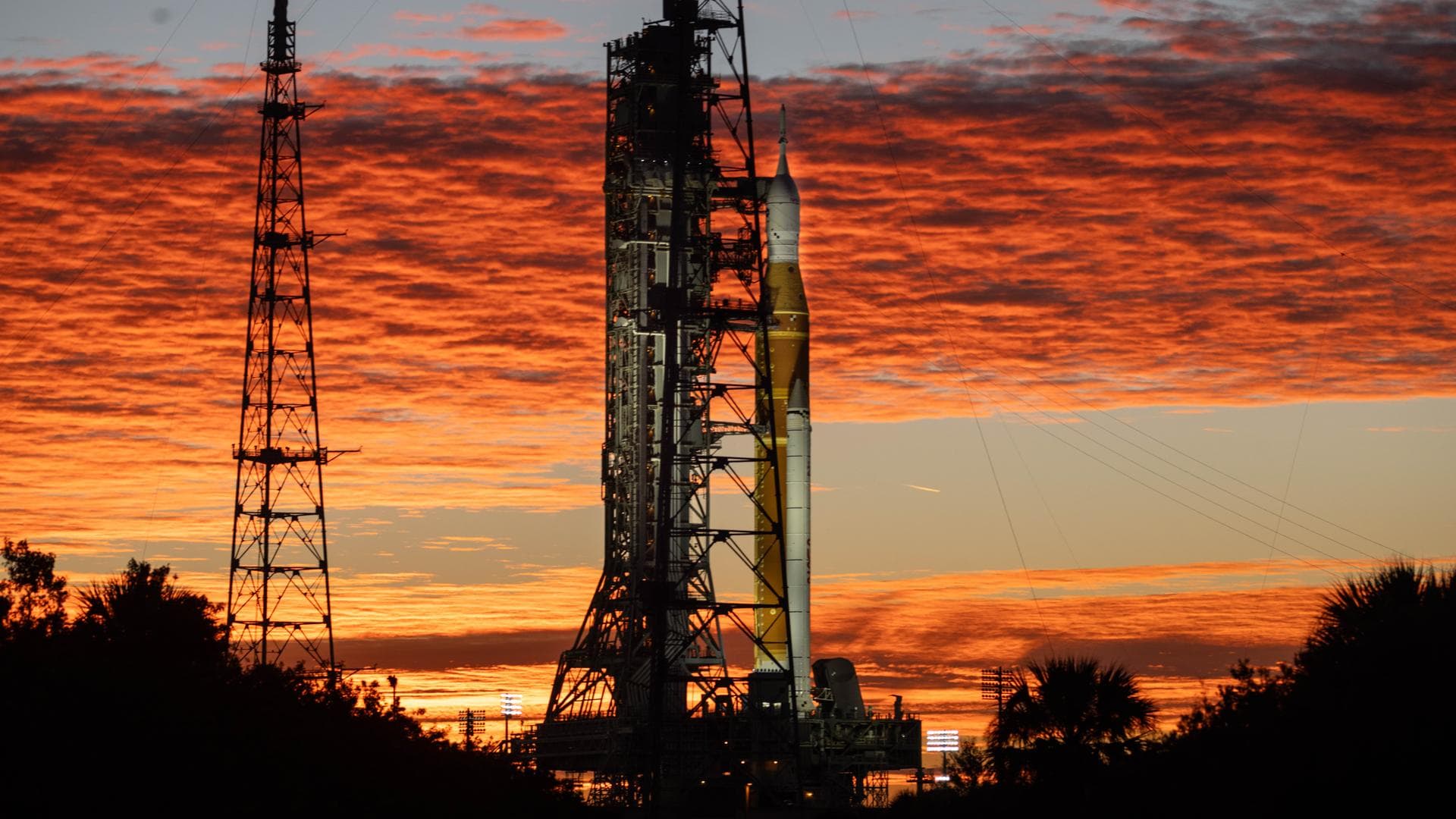
The Space Launch System (SLS) rocket is the most powerful rocket ever built, with the capability to launch humans and cargo beyond low Earth orbit. The SLS rocket is designed to be flexible and adaptable, with the ability to carry out a variety of missions, from lunar exploration to deep space missions.
- The SLS rocket has a payload capacity of over 260,000 pounds
- The SLS rocket is designed to be reusable, with the ability to launch multiple missions
The Objectives of the Artemis 2 Mission
The Artemis 2 mission has several key objectives, including testing the performance of the SLS rocket and the Orion spacecraft in a lunar environment. The mission will also test the crew's ability to operate in a lunar environment and conduct scientific experiments.
- The mission will test the crew's ability to navigate and communicate in a lunar environment
- The mission will conduct scientific experiments, including studying the lunar regolith and the effects of space radiation on humans
The Historic Significance of the Artemis 2 Mission
The Artemis 2 mission marks a significant milestone in space exploration, with the first crewed mission to the moon in over 50 years. This mission is a precursor to a manned mission to Mars and marks a major step towards establishing a human presence in space.
- The Artemis 2 mission is a major step towards establishing a sustainable human presence on the lunar surface
- The mission will pave the way for future deep space missions, including a manned mission to Mars
A Unique Convergence: The Artemis 2 Launch and Passover
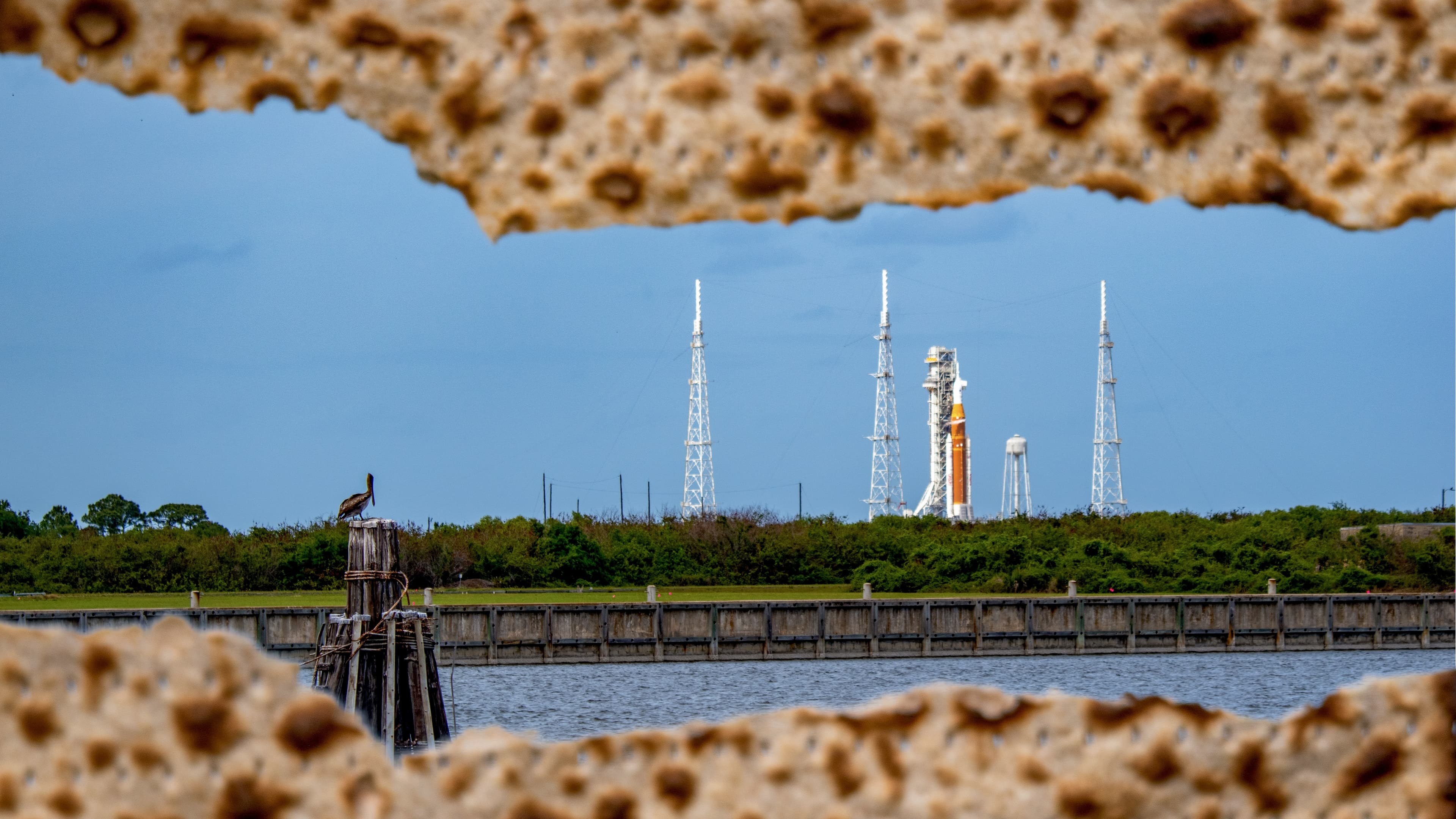
As the Artemis 2 rocket launched, a group of Jewish journalists gathered to mark the holiday of Passover, which commemorates the Israelites' escape from slavery in Egypt. The convergence of the launch and the holiday was seen as a unique coincidence, with some journalists noting the parallels between the two events.
- The launch of the Artemis 2 rocket coincided with the start of the Passover holiday
- Some journalists noted the parallels between the Israelites' escape from slavery and the crew's journey to the moon
Reflections on the Artemis 2 Mission
As the Artemis 2 mission begins, it's clear that this is a historic moment in space exploration. Here's what some of the key players have to say about the mission.
“Our ancestors fled Egypt with dough that had no time to rise. Freedom came suddenly. You have to be ready to move when the window opens. There are no launch windows that wait for yeast.”
— Artemis edition of a Passover Hagadah
Final Thoughts
As the Artemis 2 mission continues, it's clear that this is just the beginning of a new era in space exploration. With the power of the Space Launch System (SLS) rocket and the Orion spacecraft, NASA is pushing the boundaries of what's possible and paving the way for a human presence on the moon and beyond. The future of space travel is bright, and the Artemis 2 mission is just the first step on this incredible journey.
Sources & Credits
Originally reported by Latest from Space.com
Manaal Khan
Tech & Innovation Writer
Produced with AI assistance and reviewed by the Logicity editorial team. Learn more in our Editorial Policy.