Key Takeaways
- The trial's core issue is whether Sam Altman is trustworthy, not just contract law
- Musk seeks $150 billion in damages for OpenAI's nonprofit-to-profit transition
- The trust question applies to all AI labs operating as private companies with limited transparency
The Trial Is About Trust, Not Just Contracts
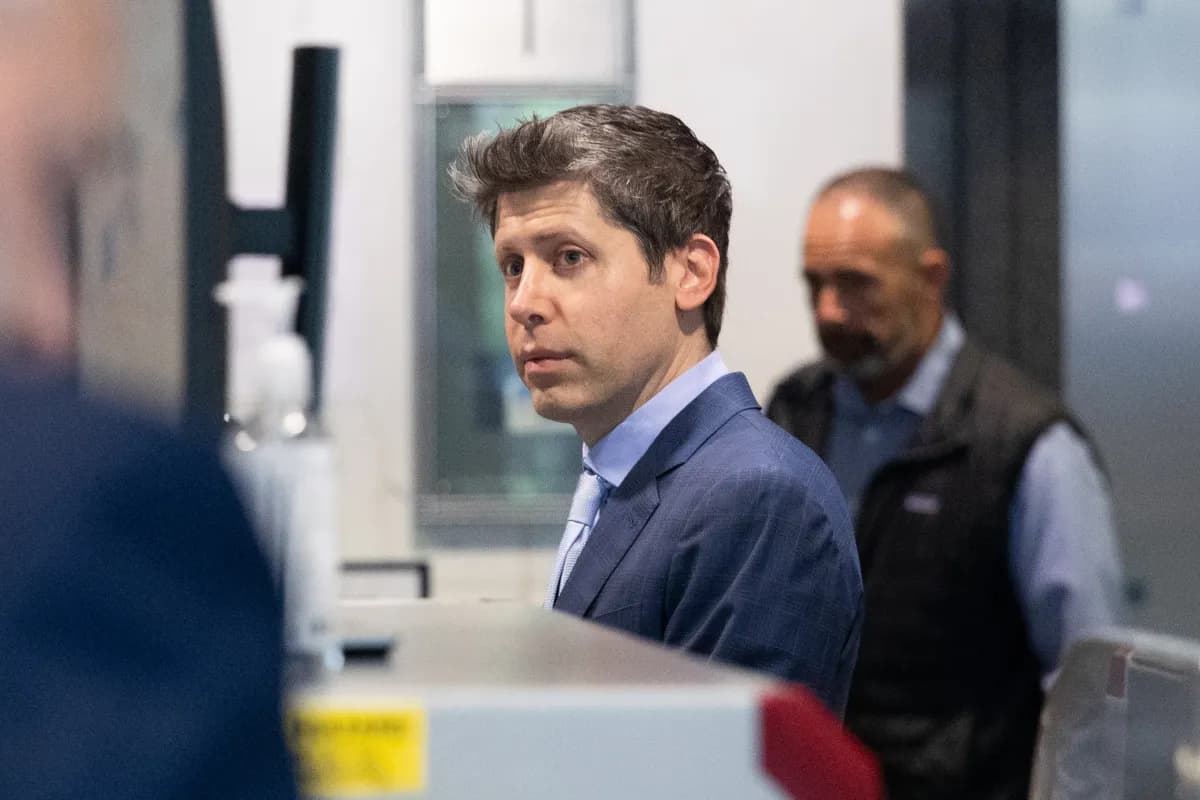
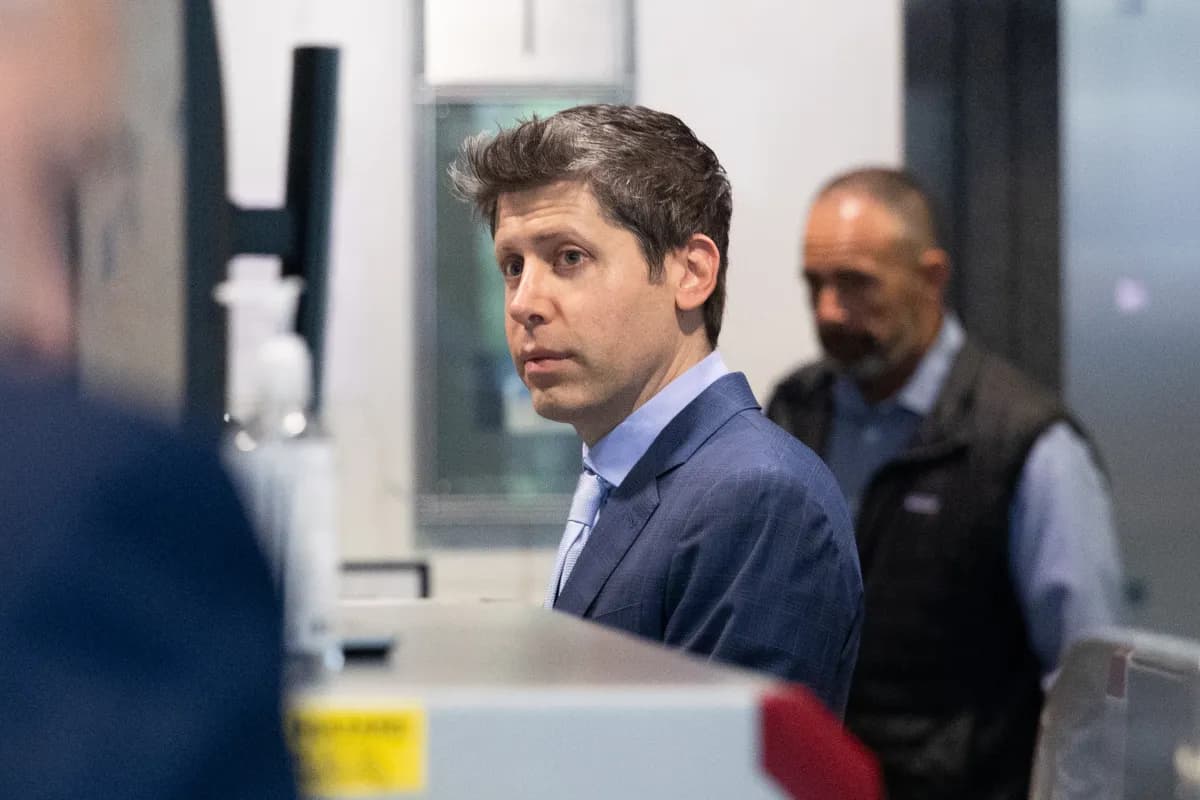
Lawyers for Elon Musk and OpenAI delivered their closing arguments this week. The jury now decides whether OpenAI violated any agreements when it shifted from a nonprofit to a for-profit structure. But the legal question has taken a backseat to something more fundamental: Can you believe Sam Altman?
Musk's attorney Steve Molo made trust the centerpiece of his closing. He grilled Altman on whether statements made during congressional testimony were truthful. He asked the jury to imagine a bridge built on Altman's version of the truth.
“Imagine a wooden bridge over a gorge, 100 feet below. A woman says, 'Don't worry, the bridge is built on Sam Altman's version of the truth.' Would you walk across that bridge?”
— Steven Molo, Musk's attorney, during closing arguments
The courtroom drama captured a concern that extends well beyond this lawsuit. As TechCrunch journalist Kirsten Korosec noted on the Equity podcast, the trust issue affects how journalists, policymakers, and consumers view all AI labs.
“This is a fundamental question for a lot of tech journalists, policymakers, and more and more consumers, about all the AI labs. It's really come down to trust, because we don't have the insight, necessarily — these are all privately held companies, there's a lot behind the veil still.”
— Kirsten Korosec, TechCrunch
What Musk Is Actually Seeking
Musk claims OpenAI's leadership "stole a charity" when they pivoted from a nonprofit mission to a multi-billion dollar for-profit entity backed heavily by Microsoft. He argues this breached a founding agreement to develop artificial general intelligence for humanity's benefit. OpenAI counters that no binding contract ever existed.
The stakes are enormous. OpenAI's valuation hit $852 billion following a $122 billion funding round. The company projects $29.4 billion in revenue for 2026 and claims 900 million weekly active users across its platforms. What began as a research nonprofit has become one of the most valuable private companies in history.
Former Colleagues Testified Against Altman
The trial surfaced testimony from people who worked closely with Altman. Former CTO Mira Murati took the stand and didn't hold back.
"I couldn't trust Sam Altman's words regarding safety standards," Murati said during her testimony.
This echoes the 2023 board crisis, which OpenAI now calls "The Blip." That executive power struggle revealed deep fractures within the company about Altman's leadership style. Multiple people who worked with Altman have publicly questioned whether they can trust him.
Altman has acknowledged some of the criticism. He's spoken about being conflict averse and telling people what they want to hear. He says he's working on it. Whether the jury finds that explanation satisfying will determine the outcome.
Musk Has His Own Trust Problems
The trial isn't a one-sided examination of Altman's credibility. Musk has made plenty of misleading statements over the years. From Tesla production timelines to Autopilot capabilities to Twitter acquisition financing, his track record on truthfulness is far from spotless.
Musk's 2020 tweet calling out OpenAI was entered as evidence: "OpenAI should be more open... it is essentially captured by Microsoft." But Musk's own companies have faced repeated scrutiny over transparency and broken promises.
As TechCrunch's Sean O'Kane observed, the trial may have accomplished little beyond mutual reputational damage.
"The trial primarily served to damage the reputations of everyone involved," O'Kane said. "It didn't really accomplish much other than make all these people look bad."
The Bigger Question for AI
Whatever the jury decides, the trial has exposed a structural problem with how AI development works. The most powerful AI systems are built by private companies with limited public accountability. Shareholders, employees, and users must trust that leaders will honor stated missions and safety commitments.
Korosec's point lands hard: we simply don't have the insight we need. OpenAI, Anthropic, Google DeepMind, and other labs make claims about safety practices and capabilities that outsiders cannot verify. Maybe future IPOs will force more disclosure. Until then, trust is all we have.
Public skepticism toward AI companies is growing beyond boardrooms
The jury's verdict will determine whether Musk gets his $150 billion. But the trust question will outlast this trial. Every major AI announcement, every safety claim, every corporate pivot will be filtered through the same lens: Do you believe them?
Logicity's Take
Frequently Asked Questions
What is Elon Musk suing OpenAI for?
Musk claims OpenAI breached a founding agreement by transitioning from a nonprofit focused on benefiting humanity to a for-profit company backed by Microsoft. He seeks $150 billion in damages.
Why is trust the central issue in the Musk vs. OpenAI trial?
Musk's lawyers argued that Sam Altman cannot be trusted, citing testimony from former colleagues and questioning statements Altman made to Congress. The legal case hinges on whether the jury believes Altman's version of events.
What did former OpenAI CTO Mira Murati say about Sam Altman?
Murati testified that she could not trust Altman's words regarding safety standards, adding to concerns raised by other former OpenAI employees.
How much is OpenAI worth in 2026?
OpenAI reached an $852 billion valuation following a $122 billion funding round. The company projects $29.4 billion in revenue for 2026.
When will the Musk vs. OpenAI verdict be announced?
Closing arguments finished this week and the case is now with the jury. No specific timeline for the verdict has been announced.
Need Help Implementing This?
Source: TechCrunch / Anthony Ha
Jury Rejects Musk's Claims, Citing Statute of Limitations
The new article reports the definitive outcome of the trial: a jury ruled in favor of OpenAI, rejecting Elon Musk's claims. The verdict was based on a unanimous decision that Musk waited too long to sue, failing to meet the three-year statute of limitations.
Manaal Khan
Tech & Innovation Writer
Produced with AI assistance and reviewed by the Logicity editorial team. Learn more in our Editorial Policy.




