Key Takeaways
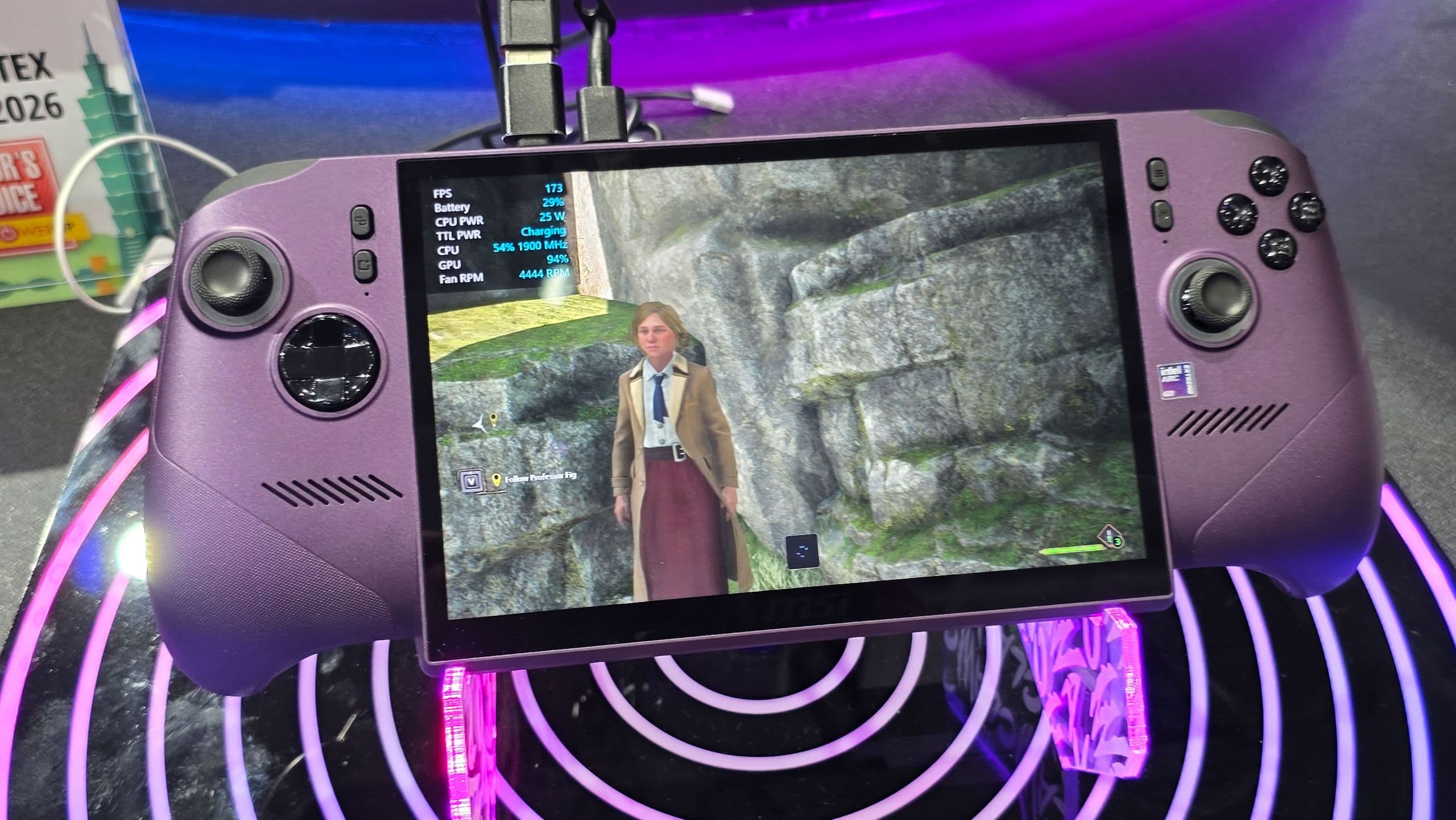
- MSI Claw 8 EX AI+ launched at $1,799 with Intel Arc G3 Extreme APU and 32GB LPDDR5X RAM
- MSI warns memory and storage costs may force additional price hikes this year
- The handheld costs nearly double competitors like the ROG Ally X at $999
MSI's new Claw 8 EX AI+ handheld gaming PC is now listed at $1,799 on the company's website, making it one of the most expensive Windows handhelds ever released. The device packs Intel's Arc G3 Extreme APU with integrated B390 graphics and 32GB of LPDDR5X memory. MSI says even this price may not hold, warning that memory and storage costs could force another increase before year's end.
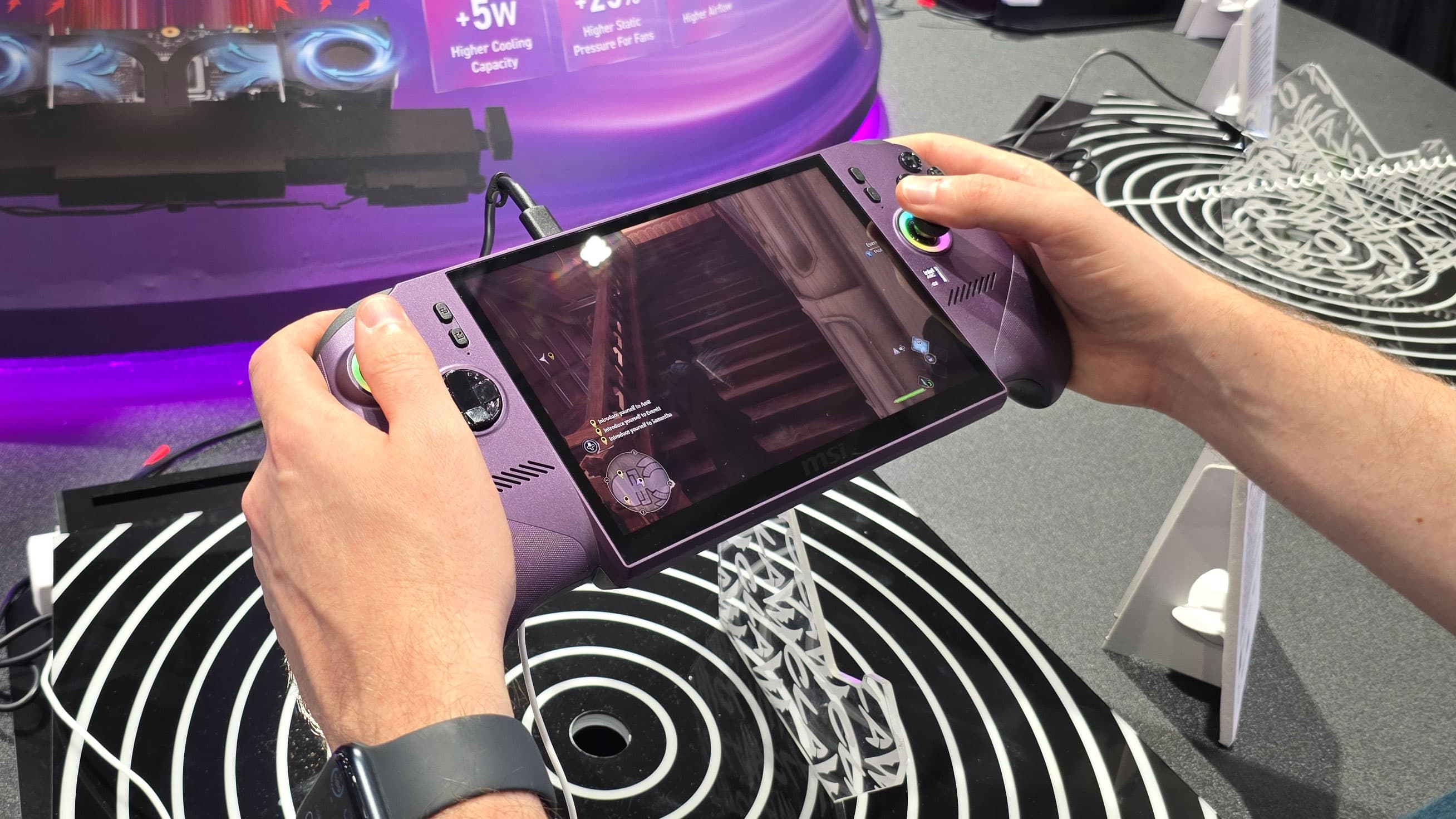
"It's a really difficult year for Intel and especially the OEM like us," Andy Chu, MSI's product marketing lead, told FRVR. "We also need to take those cost hikes for those key components like memory and also storage."
Newegg has the device listed at $1,699, a hundred dollars below MSI's direct price. But even at that discount, the Claw 8 EX AI+ costs significantly more than its closest competitors.
How does MSI Claw 8 AI+ pricing compare to competitors?
The pricing gap is stark. ASUS sells its ROG Ally X with AMD's Ryzen Z2 Extreme for $999. That's AMD's direct answer to Intel's Arc G3 Extreme. Valve's Steam Deck OLED, still the market's volume leader, retails at $949 despite running on older hardware.
MSI's handheld does offer more raw capability. The 32GB of LPDDR5X memory doubles what most competitors provide. The Intel Arc G3 Extreme represents the first Battlemage-class integrated graphics in a handheld form factor. Whether those specs justify an $800 premium over the ROG Ally X depends on how much you value headroom over immediate value.
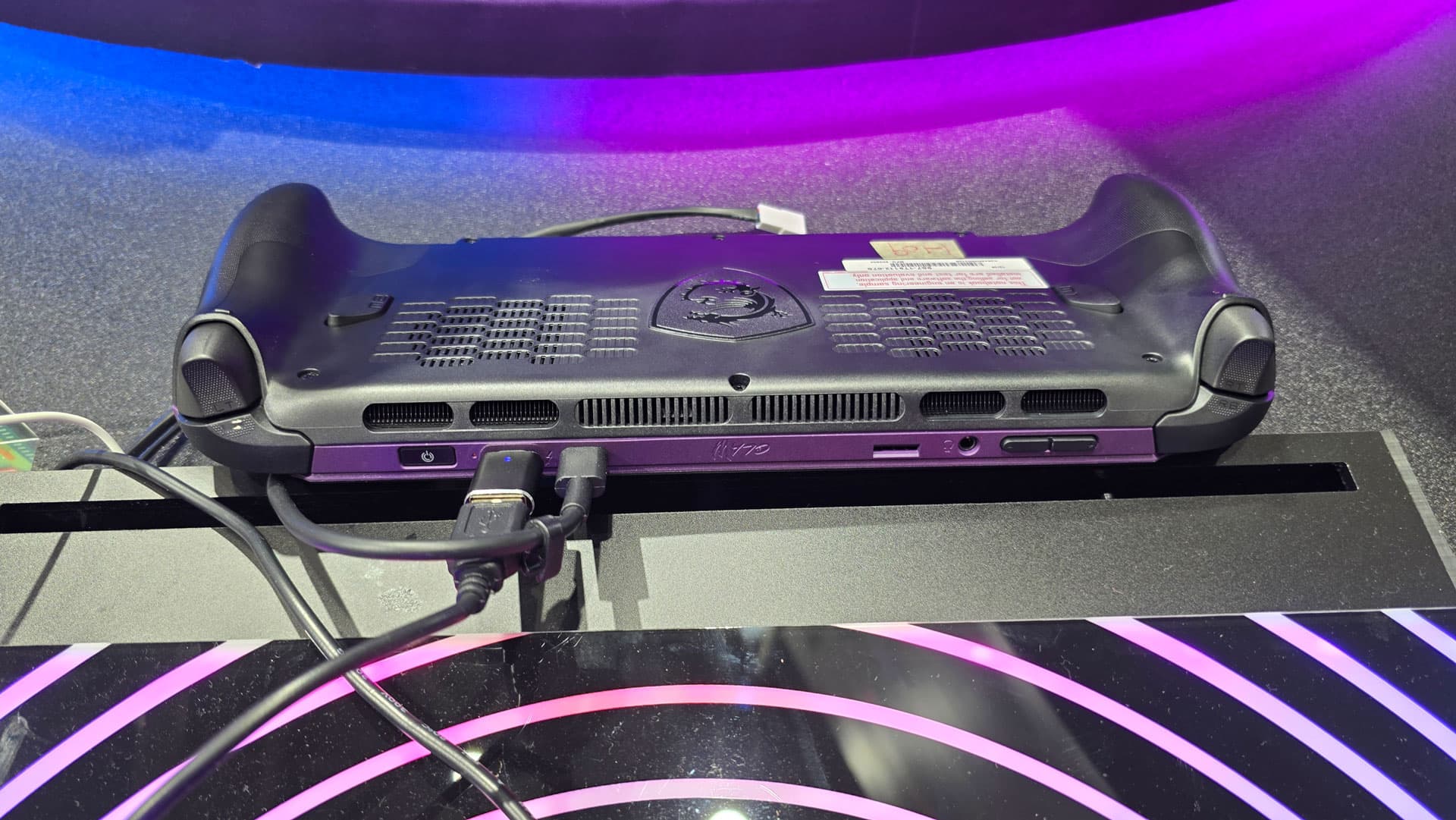
For reference, AMD's Strix Halo handhelds start above $2,000. Those machines offer even more capability, but they're positioning themselves as laptop replacements rather than portable gaming devices. The Claw 8 EX AI+ sits awkwardly between mainstream handhelds and that premium tier.
Why are handheld gaming PC prices rising?
DRAM and NAND prices have climbed sharply over the past several months. Hyperscale data centers, building out AI infrastructure, have absorbed enormous amounts of memory production capacity. Consumer electronics manufacturers are competing for what remains, often at worse margins than they'd get selling to cloud providers.
"All I can say is we have tried every approach to get the memory and also storage at a lower cost," Chu said. "Like, deepen the relationship between us and also those suppliers, like to have some deals. And I think we have done everything we can do to make our system as affordable as possible."
There's some irony in MSI branding a product "AI+" while publicly blaming AI infrastructure for driving up component costs. The company didn't invent the naming convention, but the tension is real. Every company wants to market AI features. Few want to absorb the supply chain pressure those same AI buildouts create.
Could MSI have priced the Claw 8 lower?
Intel mandates specific memory speeds for Panther Lake silicon, which limits MSI's flexibility. But the 32GB memory pool wasn't strictly necessary. MSI could have shipped configurations with 24GB or 12GB to hit lower price points. The company chose not to, positioning the Claw 8 EX AI+ as a premium-only device.
That decision makes sense if MSI believes the mainstream handheld market belongs to Steam Deck and ROG Ally. Rather than compete directly, the Claw 8 targets buyers willing to pay for maximum specs. It's a smaller market, but potentially more profitable per unit.
The risk is that $1,799 moves the device from "expensive" to "niche." At that price, buyers start comparing against gaming laptops with full-size GPUs. Panther Lake laptops with similar silicon cost less than $2,000 and offer larger screens, better cooling, and actual keyboards.
What happens if prices rise again?
Chu warned there's "much room for another price hike." If memory costs continue climbing, MSI may push the Claw 8 EX AI+ above $1,800 in coming months. At that point, the device enters territory where only dedicated enthusiasts will consider it.
"Unfortunately, I think the situation, the result is what you see right here," Chu said. "So, I would say, yes, it will be a tough year for us and for the gamers."
The broader handheld market is feeling the same pressure. Every major console now costs more than it did at launch. Valve raised Steam Deck prices. ASUS increased Ally pricing. The era of $400 capable handhelds appears to be over, at least until memory production catches up with demand.
Frequently Asked Questions
What specs does the MSI Claw 8 EX AI+ have?
The MSI Claw 8 EX AI+ features Intel's Arc G3 Extreme APU with integrated Arc B390 graphics, 32GB of LPDDR5X memory, and an 8-inch display. It runs Windows and supports full PC gaming libraries.
Why is the MSI Claw 8 AI+ so expensive?
MSI cites surging memory and storage costs driven by AI infrastructure demand. Hyperscale data centers have absorbed significant production capacity, forcing consumer electronics makers to pay higher prices for components.
How does MSI Claw 8 compare to Steam Deck?
The Claw 8 EX AI+ offers significantly more powerful hardware with Intel's latest APU and 32GB RAM versus Steam Deck's 16GB. However, it costs nearly double the Steam Deck OLED's $949 price.
Will MSI Claw 8 prices increase further?
MSI has warned that additional price hikes are possible if memory and storage costs continue rising through 2025.
Where can I buy the MSI Claw 8 EX AI+?
The device is available on MSI's website for $1,799 and Newegg for $1,699.
Logicity's Take
MSI's pricing reflects a calculated bet that the handheld gaming market will stratify into budget and premium tiers, with little room in between. By loading maximum specs into the Claw 8 EX AI+, MSI avoids competing directly with Valve and ASUS on value. The gamble is whether enough buyers exist at $1,800 to make the product viable. If Intel eventually releases a base Arc G3, expect MSI to launch a cheaper Claw variant. Until then, this device is essentially a technology showcase with a price to match.
Need Help Implementing This?
Our team at Logicity can help you navigate hardware purchasing decisions, compare device specifications, and understand total cost of ownership for enterprise deployments. Contact us for a consultation on your portable computing strategy.
Source: Latest from Tom's Hardware
Huma Shazia
Senior AI & Tech Writer
Produced with AI assistance and reviewed by the Logicity editorial team. Learn more in our Editorial Policy.