Key Takeaways
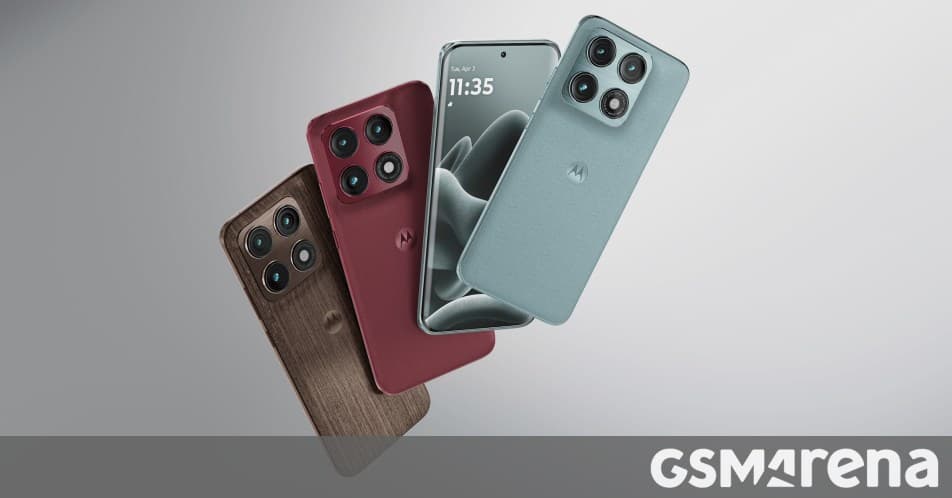
- The Edge 70 Pro+ packs a 6.8-inch AMOLED display with 5,200 nits peak brightness and 144Hz refresh rate
- A 6,500mAh silicon-carbon battery with 90W wired and 15W wireless charging powers the device
- Motorola promises 3 years of OS upgrades and 5 years of security patches with Android 16 out of the box
Motorola has pulled back the curtain on its upcoming flagship. The Edge 70 Pro+ will launch on June 4 with specifications that push battery life and display brightness into territory few phones have reached.
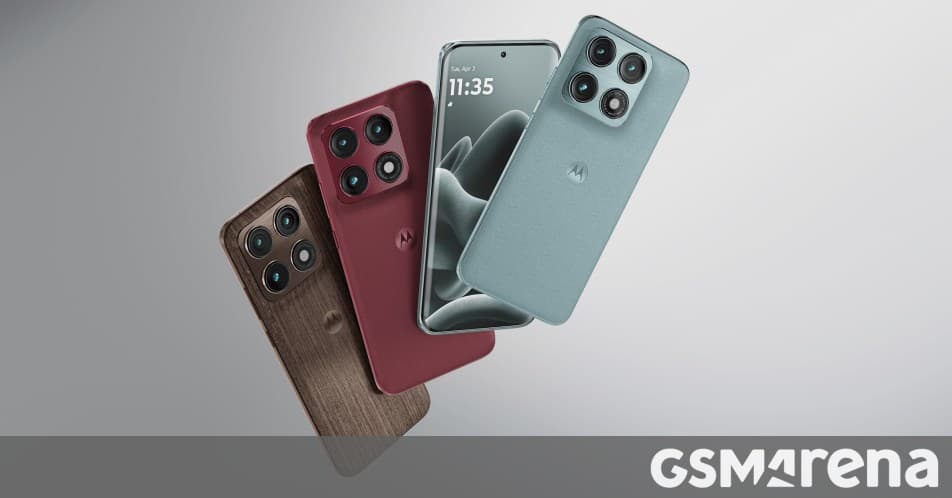
The company had previously teased the phone's color options and unique back finishes. Now we have the complete picture of what's inside.
Display and Performance
The Edge 70 Pro+ features a 6.8-inch AMOLED panel with Full HD+ resolution and a 144Hz refresh rate. That 5,200 nits peak brightness figure matters for anyone who uses their phone outdoors. Direct sunlight typically washes out screens around 1,000 to 2,000 nits. This display should remain readable in nearly any lighting condition.
The panel supports HDR10+ and includes an in-display fingerprint scanner. These are expected features at this price point, but the brightness figure sets it apart from most competitors.
Under the hood, MediaTek's Dimensity 8500 Extreme chipset handles processing duties. Motorola pairs it with up to 12GB of LPDDR5X RAM and 256GB of UFS 4.1 storage. The Dimensity 8500 Extreme is a 4nm chip positioned below MediaTek's Dimensity 9000 series but above standard mid-range options.
How MediaTek's latest chipset architecture compares
Battery and Charging
The standout spec here is a 6,500mAh silicon-carbon battery. Traditional lithium-ion batteries at this capacity would make a phone uncomfortably thick and heavy. Silicon-carbon cells pack more energy into less space.
Charging speeds hit 90W wired and 15W wireless. The wired speed matches or beats most flagships. Wireless charging at 15W is conservative by current standards, where some phones reach 50W wirelessly. But for most users, overnight wireless charging doesn't need to be fast.
Camera System
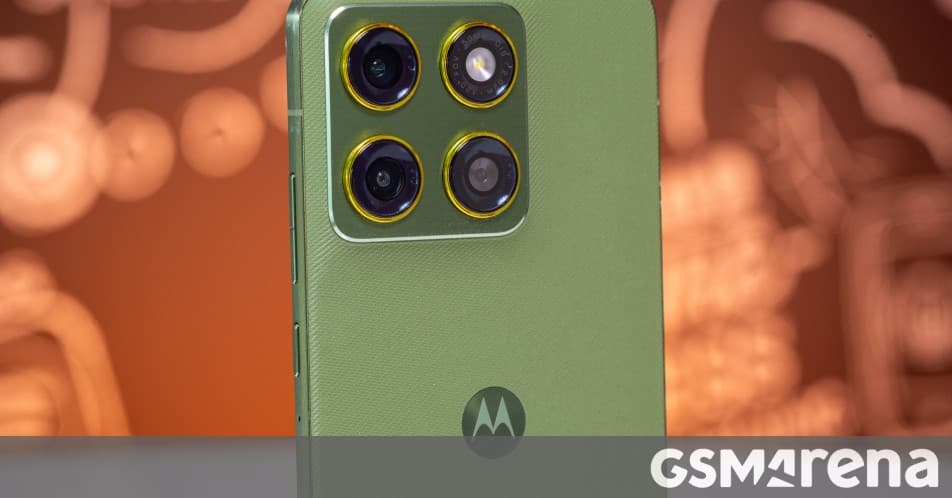
Motorola went with a triple 50MP rear camera setup. The main sensor is Sony's Lytia 710, paired with a 50MP ultrawide that includes autofocus and a 50MP periscope telephoto with optical image stabilization and 3.5x optical zoom.
The front camera is also 50MP with autofocus. High megapixel counts on selfie cameras often matter less than sensor quality, but autofocus helps with video calls and group shots.
Software and Durability
The Edge 70 Pro+ ships with Android 16, making it one of the first phones to launch with Google's latest OS version. Motorola commits to 3 years of OS upgrades and 5 years of security patches. That's competitive with Samsung's policies and better than most Android manufacturers offer.
For durability, the phone carries IP68 and IP69 ratings plus MIL-STD 810H certification. IP68 means water resistance in fresh water up to 1.5 meters for 30 minutes. IP69 adds resistance to high-pressure, high-temperature water jets. MIL-STD 810H covers drop resistance, temperature extremes, and other stress tests.
“The Edge 70 Pro+ represents our most balanced flagship yet, merging high-end performance with a design language that feels distinctly human and tactile.”
— Satya Sahu, Head of Product Marketing at Motorola
Connectivity and Design
Standard flagship connectivity is present: 5G, Bluetooth 5.4, NFC, Wi-Fi 6E, and GPS. Dual speakers with Dolby Atmos handle audio output.
Motorola has teased unique back finishes for this generation, including woven and wood-grain textures. This marks a departure from the glass backs that dominate the flagship market. Glass looks premium but collects fingerprints and shatters on impact. Textured backs trade some visual flash for grip and durability.
What the Community Is Saying
Discussion on r/Android and tech forums has been positive about the brightness and battery specs. The main debate centers on MediaTek's Dimensity 8500 Extreme versus Qualcomm's Snapdragon chips for sustained gaming performance. MediaTek has closed the gap on benchmarks, but some users remain skeptical about thermals during extended gaming sessions.
The textured back finishes have earned praise from users tired of fingerprint-magnet glass designs. It's a small detail, but one that affects daily use more than most spec sheet items.
Full Specifications
- Display: 6.8-inch AMOLED, Full HD+, 144Hz, 5,200 nits peak, HDR10+
- Processor: MediaTek Dimensity 8500 Extreme
- RAM: Up to 12GB LPDDR5X
- Storage: 256GB UFS 4.1
- Rear cameras: 50MP Sony Lytia 710 main, 50MP ultrawide with AF, 50MP periscope telephoto with 3.5x optical zoom and OIS
- Front camera: 50MP with autofocus
- Battery: 6,500mAh silicon-carbon
- Charging: 90W wired, 15W wireless
- OS: Android 16 with 3 years OS updates, 5 years security patches
- Durability: IP68/IP69, MIL-STD 810H
- Connectivity: 5G, Bluetooth 5.4, NFC, Wi-Fi 6E, GPS
- Audio: Dual speakers with Dolby Atmos
Logicity's Take
Frequently Asked Questions
When does the Motorola Edge 70 Pro+ launch?
The official launch date is June 4, 2025. Pricing and regional availability should be confirmed at the launch event.
How long will Motorola support the Edge 70 Pro+ with updates?
Motorola promises 3 years of Android OS upgrades and 5 years of security patches, starting from Android 16.
Is the Motorola Edge 70 Pro+ waterproof?
The phone has IP68 and IP69 ratings, meaning it can withstand submersion in fresh water up to 1.5 meters for 30 minutes and high-pressure water jets.
What processor does the Motorola Edge 70 Pro+ use?
It uses MediaTek's Dimensity 8500 Extreme chipset, a 4nm processor positioned in the upper mid-range of MediaTek's lineup.
How does the Edge 70 Pro+ battery compare to other flagships?
At 6,500mAh with silicon-carbon technology, it's significantly larger than most flagships, which typically range from 4,500mAh to 5,500mAh.
Need Help Implementing This?
Source: GSMArena.com / Siddharth
Huma Shazia
Senior AI & Tech Writer
Produced with AI assistance and reviewed by the Logicity editorial team. Learn more in our Editorial Policy.