Key Takeaways
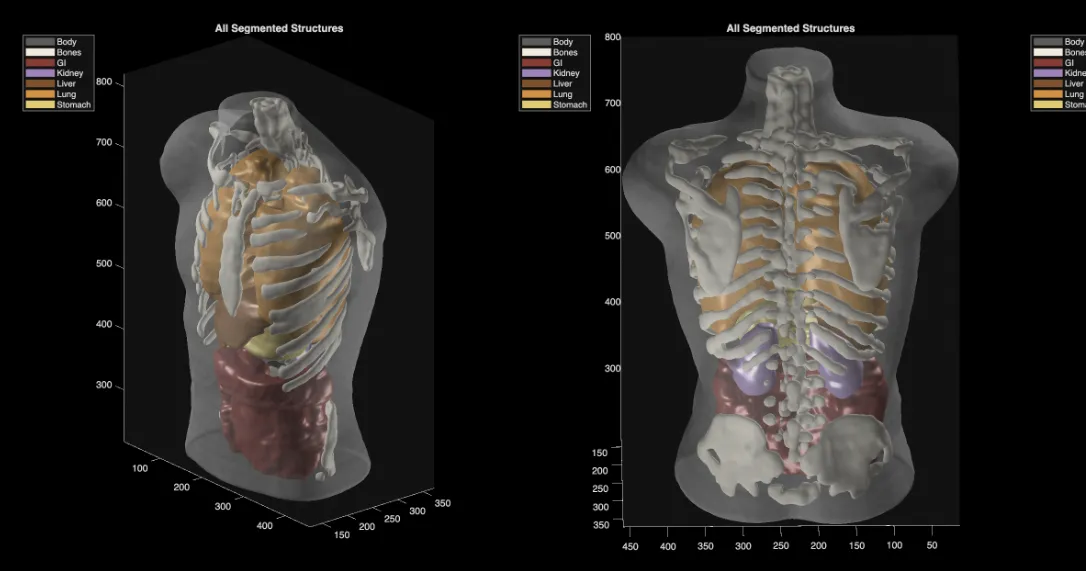
- Midjourney announced a water-immersion ultrasound scanner it compares to MRI, but experts say the company has provided no clinical evidence
- The scanner is not being marketed as a medical device initially, avoiding FDA clearance requirements
- Multiple radiologists questioned whether the technology can deliver on claims of 60-second full-body scans rivaling MRI quality
Midjourney, the AI startup behind one of the most popular image generators, announced last week that it's building a full-body ultrasound scanner it claims could rival MRI. The problem: medical imaging experts say the company has shown almost no evidence that it can deliver on any of its promises.
The concept sounds like science fiction. Users would step into a vat of water, get lowered onto a platform, and a ring of underwater sensors would fire sound waves into their bodies. Sixty seconds later, they'd emerge with detailed internal images. Midjourney compares the experience to a spa visit and the output to MRI scans.

Radiologists and clinicians who spoke to The Verge weren't buying it. Not because the idea is impossible, but because Midjourney hasn't shown the receipts. Where are the clinical studies? The peer-reviewed data? The FDA filings?
Why are experts skeptical of Midjourney's medical claims?
The core issue is straightforward: ultrasound technology has existed for decades. Its capabilities and limitations are well understood. Claiming your new scanner can produce images "as powerful as MRI" requires extraordinary proof, and Midjourney hasn't provided any.
CEO David Holz has suggested the system could eventually surpass MRI. That's a bold statement. MRI machines use powerful magnets and radio waves to generate detailed soft-tissue images. Ultrasound uses sound waves. They're fundamentally different technologies with different strengths. You can't just throw AI at the problem and assume physics will cooperate.
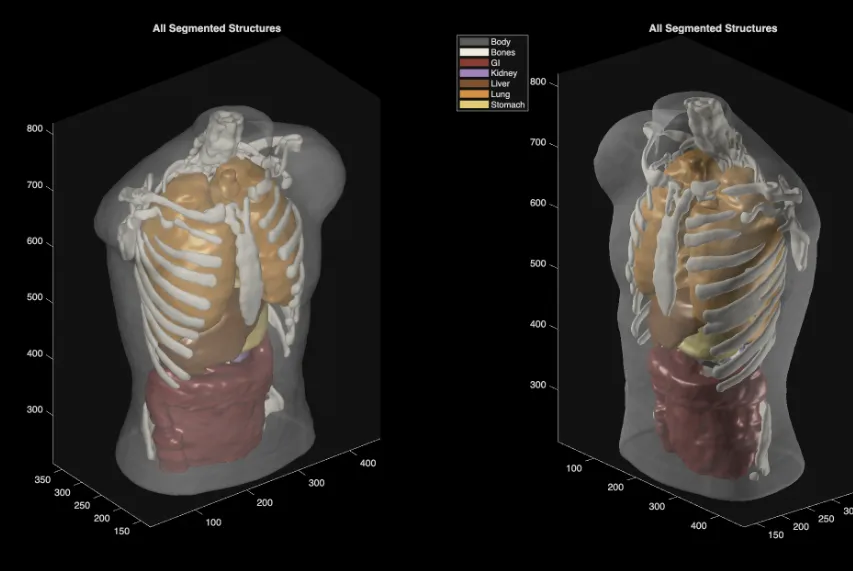
Tom Calloway, Midjourney's head of medical, told The Verge that AI handles the "unthinkably huge amounts of data and processing power" needed to execute scans, plus enables lossless compression. That describes software processing, not evidence that the output images match MRI diagnostic value.
Is this a medical device or a wellness gadget?
Here's where things get murky. Midjourney isn't framing the scanner as a diagnostic medical device. That would require FDA clearance and rigorous clinical trials. Instead, the company describes it as a tool to give people "more information about their bodies."
This is a familiar playbook. Wellness devices face lighter regulation than medical devices. You can sell a gadget that shows people pictures of their insides without proving those pictures have clinical value. Midjourney says it plans to expand into medical applications later, but "later" is doing a lot of work in that sentence.
The company's blog post makes medical-sounding claims. It quotes statistics that "the world could avoid 30% of all deaths and 50% of all healthcare costs" with more early imaging. But it's not offering to prove those outcomes with its own device. At least not yet.
What does Midjourney actually claim the scanner can do?
According to the announcement, the scanner would complete a full-body scan in under 60 seconds. For context, a typical ultrasound takes around 30 minutes. MRI scans often take longer and require patients to lie motionless in a narrow, noisy tube.
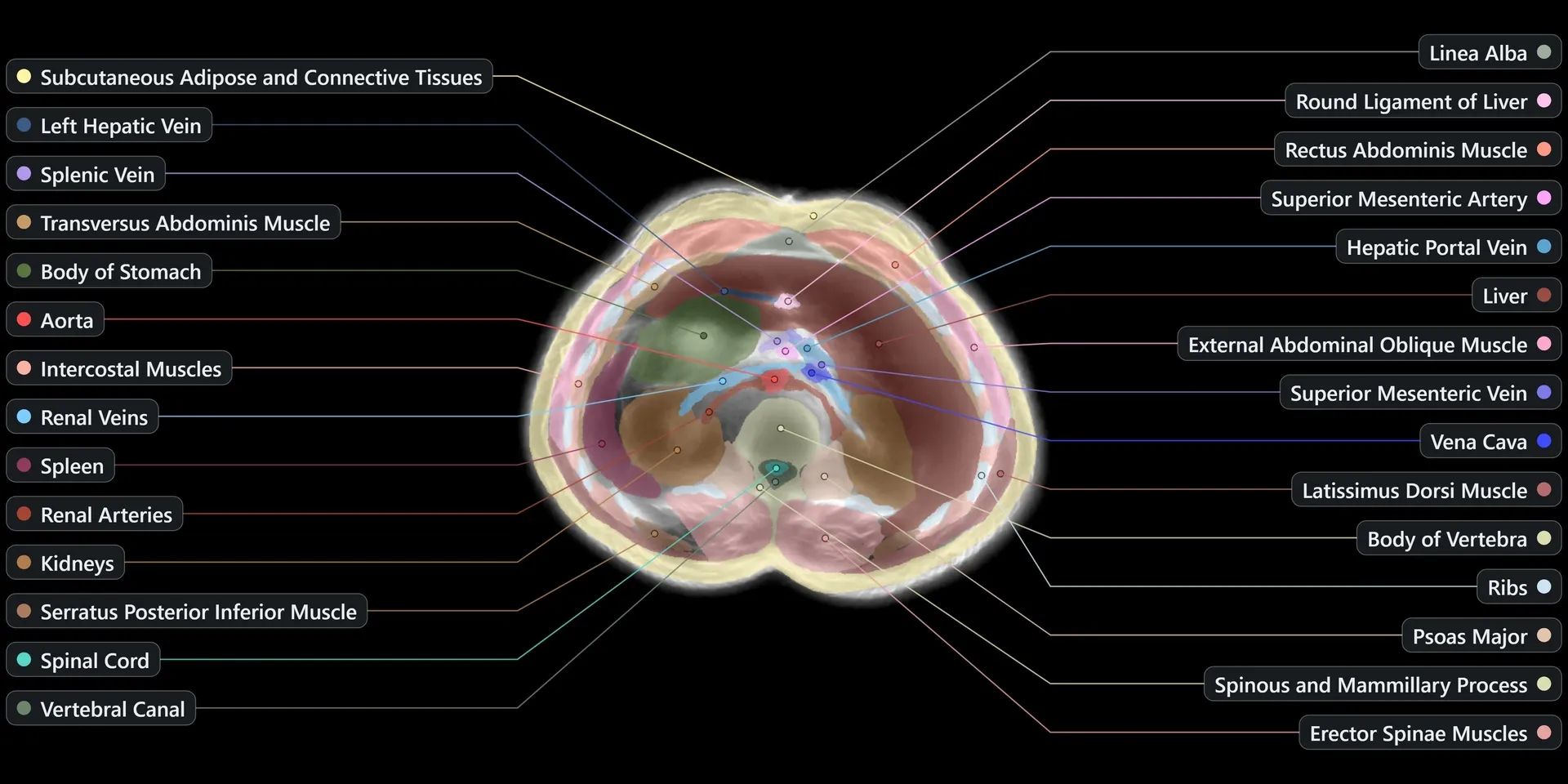
The speed claim is technically possible with enough sensors firing simultaneously. But speed means nothing if the images aren't clinically useful. One expert quoted by The Verge noted there's still "a long road ahead to generating high-quality images and then to understand the clinical value and demonstrate net benefit to patients."
Why is Midjourney pivoting to medical imaging?
The company hasn't explained how body scanners connect to its existing AI image generation business. The blog post announcing the project barely mentions AI. That's strange for a company whose entire reputation rests on AI-generated imagery.
Midjourney has built a profitable business with about 40 employees and an estimated $200 million in annual revenue. It's done this without outside funding. The medical imaging market is worth over $45 billion and growing. If Midjourney can capture even a fraction of that, the financial upside is obvious.
Online reaction split along predictable lines. Tech enthusiasts praised the announcement as exactly the kind of moonshot Silicon Valley should pursue. Medical professionals asked for evidence. That gap says a lot about how different communities evaluate claims.
Can AI actually improve ultrasound to MRI quality?
AI can enhance ultrasound images. That's well established. Machine learning algorithms can reduce noise, improve resolution, and help identify structures that human eyes might miss. But enhancement isn't the same as transformation.
MRI excels at soft-tissue contrast because of how magnetic fields interact with hydrogen atoms in water. Ultrasound excels at real-time imaging and doesn't involve radiation or claustrophobic tubes. They're complementary technologies, not interchangeable ones. Claiming your ultrasound system will match MRI is like claiming your motorcycle will match a submarine. They're both vehicles. They do different things.
The experts who spoke to The Verge weren't dismissive of the idea entirely. Several said the concept is "genuinely exciting" and "maybe even plausible." But plausibility isn't proof. Medical imaging requires validation. Peer review. Clinical trials. Published data. Midjourney has offered none of these.
Logicity's Take
Midjourney built its reputation on letting people generate impressive images without understanding how. That works for art. It's dangerous for medicine. The company's decision to launch in the wellness space rather than seek FDA clearance suggests it knows the scanner can't yet meet medical standards. If the technology eventually proves out, Midjourney will have a head start. If it doesn't, they'll have sold expensive body scans to people who thought they were getting something medically meaningful.
Frequently Asked Questions
Is Midjourney's body scanner FDA approved?
No. Midjourney is not initially marketing the scanner as a medical device, which means it doesn't require FDA clearance. The company says it plans to pursue medical applications later, but hasn't specified a timeline.
How does Midjourney's scanner compare to MRI?
Midjourney claims the scanner could produce images "as powerful as MRI," but the company hasn't published clinical evidence supporting this. MRI and ultrasound use fundamentally different physics, and experts question whether AI processing can bridge that gap.
How long does a Midjourney body scan take?
The company claims scans will take under 60 seconds. Traditional ultrasounds typically take 30 minutes or more, while MRI scans can take even longer.
Why is Midjourney building medical devices?
The company hasn't explained the connection to its AI image generation business. The medical imaging market is worth over $45 billion, which may explain the financial motivation.
What do doctors think of Midjourney's medical scanner?
Radiologists and imaging experts interviewed by The Verge said the concept is interesting but unproven. They've asked to see clinical evidence, which Midjourney hasn't provided.
Another startup applying AI to an unexpected physical domain
Need Help Implementing This?
Evaluating AI healthcare tools or building a strategy for emerging medical technology? Our team can help you separate hype from reality. Contact Logicity for expert guidance on AI adoption in regulated industries.
Huma Shazia
Senior AI & Tech Writer
Produced with AI assistance and reviewed by the Logicity editorial team. Learn more in our Editorial Policy.




