Key Takeaways
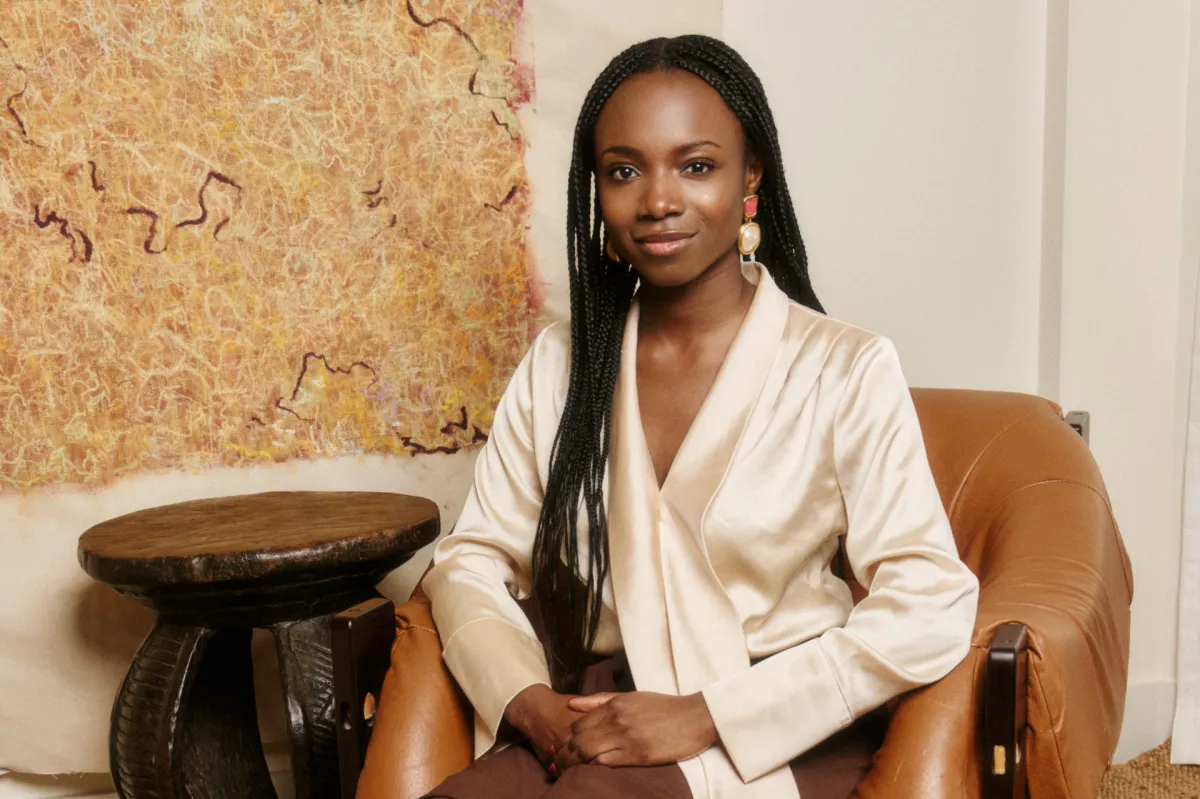
- HaloBraid raised $7 million in seed funding led by Seven Seven Six to build a robotic braiding assistant for professional stylists
- The device lets stylists start a braid and hand off the remainder to the machine, finishing in seconds rather than hours
- Founder Yinka Ogunbiyi, a Harvard-trained engineer, spent years developing the technology after spending four days braiding her own hair during lockdown
HaloBraid, a robotics startup building an automated braiding assistant for hair salons, has raised $7 million in seed funding led by Alexis Ohanian's venture firm Seven Seven Six. The company plans to launch its first device later this year, targeting a process that can take up to 12 hours in a salon chair.
Founder Yinka Ogunbiyi came up with the idea during the COVID-19 pandemic. Stuck alone in her London apartment, she tried braiding her own hair. It took four days.
Ogunbiyi holds an MS in engineering from Harvard and an MBA. She previously founded a smart cooking appliance company. After years researching the problem, she built HaloBraid to tackle what she calls one of the "trickiest substrates in the world to manipulate."
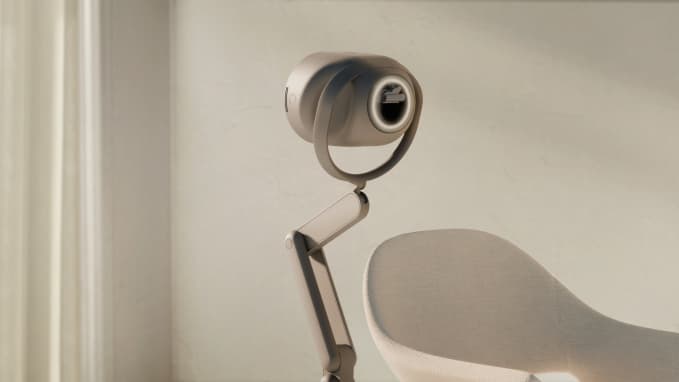
How the HaloBraid device works
Ogunbiyi kept technical details scarce, citing pending patents. But the basic workflow is straightforward: a stylist starts the braid manually, then hands off to the HaloBraid device, which finishes the remainder in seconds. The product handles both knotless and box braids and is designed to be gentle on hair.
The device is positioned as an assistant, not a replacement. Professional stylists still initiate each braid. The machine accelerates the repetitive portion of the work.
Building it required borrowing techniques from unexpected places. Ogunbiyi pulled methods from material science and inkjet printing to handle hair's unpredictable behavior. Textured hair, with its varied curl patterns and densities, presents challenges that simpler materials do not.
Why investors bet on this market
Ogunbiyi's research found that people spend an estimated 8 billion hours braiding hair each year. In a survey of 2,000 people, 95% said they would get their hair braided more often if it took less time. That suggests latent demand constrained by the time commitment.
The supply side has problems too. Stylists work marathon sessions and face repetitive strain injuries like carpal tunnel and arthritis. A device that reduces physical toll could extend careers and increase throughput.
Ohanian, who led the round, has personal experience with the problem. He is married to Serena Williams, a Black woman known for her braided hairstyles on the tennis court. He has two Black children who wear braided styles.
“I've studied exactly how long these braiding sessions take. My oldest daughter loves the ritual for the first few hours, but by hour nine, everyone's ready to call it a night.”
— Alexis Ohanian, Seven Seven Six
Ohanian pointed to Dyson's success transforming hair tools like dryers and stylers while tech for textured hair remains underdeveloped, despite, as he put it, "a loyal audience that's eager to spend." He called the automated braider "eminently buildable" and "genuinely differentiated."
Other investors in the seed round include AlleyCorp and Bling Capital.
Competitive landscape and technical moat
HaloBraid does not face crowded competition. The most notable rival is Braidiant. Ogunbiyi attributes the sparse field to the difficulty of the problem. Hair is unpredictable. It tangles, varies in texture, responds differently to tension. Braiding is not assembly line work.
That technical difficulty is also HaloBraid's moat. Anyone attempting to compete must solve the same hard problem. The years Ogunbiyi spent in research and the pending patents suggest the company has at least a head start.
What comes after launch
The $7 million will fund product development, manufacturing, and salon partnerships. The company employs around 15 people.
Ogunbiyi is already thinking beyond the first device. Next up: a machine that can undo braids. Takedown, as the process is called, often takes as long as braiding itself. Solving both ends of the appointment could meaningfully change how salons operate.
"HaloBraid is our first product, but our larger vision is to create breakthrough technology that makes textured haircare faster, easier, more comfortable, and more joyful," Ogunbiyi said.
Logicity's Take
HaloBraid is a real hardware bet in a category dominated by software-first pitches. The cultural specificity is both a strength and a constraint. The market is underserved precisely because mainstream beauty tech ignored textured hair for decades. If HaloBraid delivers on speed without sacrificing quality or causing damage, it could become standard equipment in salons. But hardware at scale is punishing. Manufacturing, distribution, and salon training are hard. The company needs to nail launch before the vision matters.
Frequently asked questions
Frequently Asked Questions
How much funding did HaloBraid raise?
HaloBraid raised $7 million in a seed round led by Alexis Ohanian's Seven Seven Six, with participation from AlleyCorp and Bling Capital.
When will the HaloBraid device launch?
The company plans to launch its first device later in 2026. Specific dates have not been announced.
Does HaloBraid replace professional stylists?
No. The device is designed as an assistant. Stylists start the braid manually and hand off to the machine to finish the repetitive portion.
What hairstyles can HaloBraid handle?
The device works with knotless braids and box braids. The company has not disclosed plans for other styles.
Who founded HaloBraid?
Yinka Ogunbiyi, who holds an MS in engineering from Harvard and an MBA. She previously founded a smart cooking appliance company.
Need Help Implementing This?
Whether you're a salon owner evaluating new technology or an investor tracking beauty tech, Logicity covers the tools and trends reshaping consumer hardware. Subscribe to our newsletter for weekly analysis on emerging tech markets.
Source: Startups | TechCrunch / Dominic-Madori Davis
Manaal Khan
Tech & Innovation Writer
Produced with AI assistance and reviewed by the Logicity editorial team. Learn more in our Editorial Policy.




