Key Takeaways
- The Surface RTX Spark Dev Box packs 1 petaflop of AI compute and 128GB unified memory for local AI development
- Scout, Microsoft's new always-on assistant, runs on OpenClaw and integrates with Microsoft 365 apps
- Project Solara is an Android-based OS designed to run AI agents across multiple devices
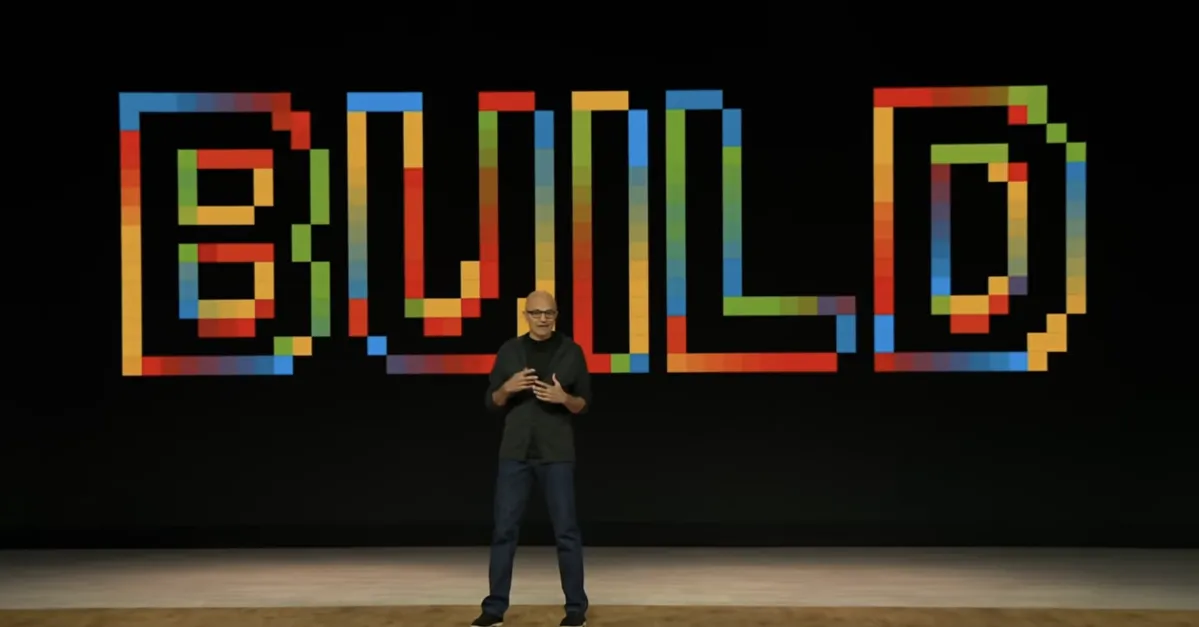
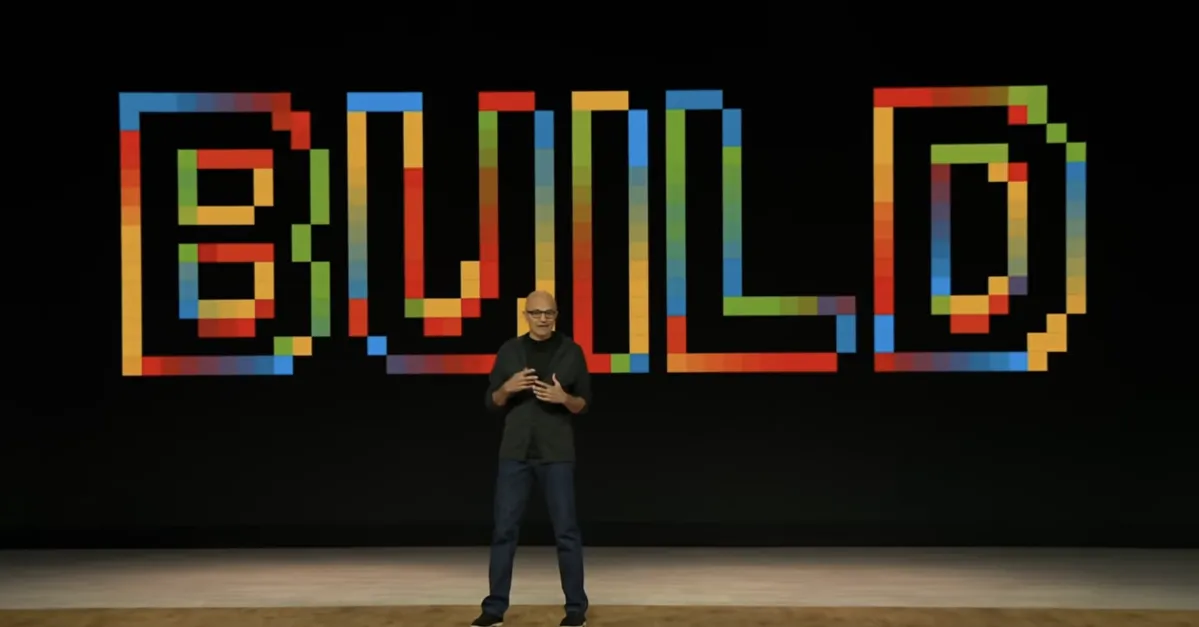
Microsoft kicked off Build 2026 with a keynote that left little doubt about the company's priorities. AI dominated nearly every announcement, from new developer hardware to an always-on assistant and an experimental operating system for running agents across devices.
CEO Satya Nadella framed the event as a turning point. "The next phase of AI isn't just about chatting; it's about action," he said. "We are moving from models that answer to agents that execute."
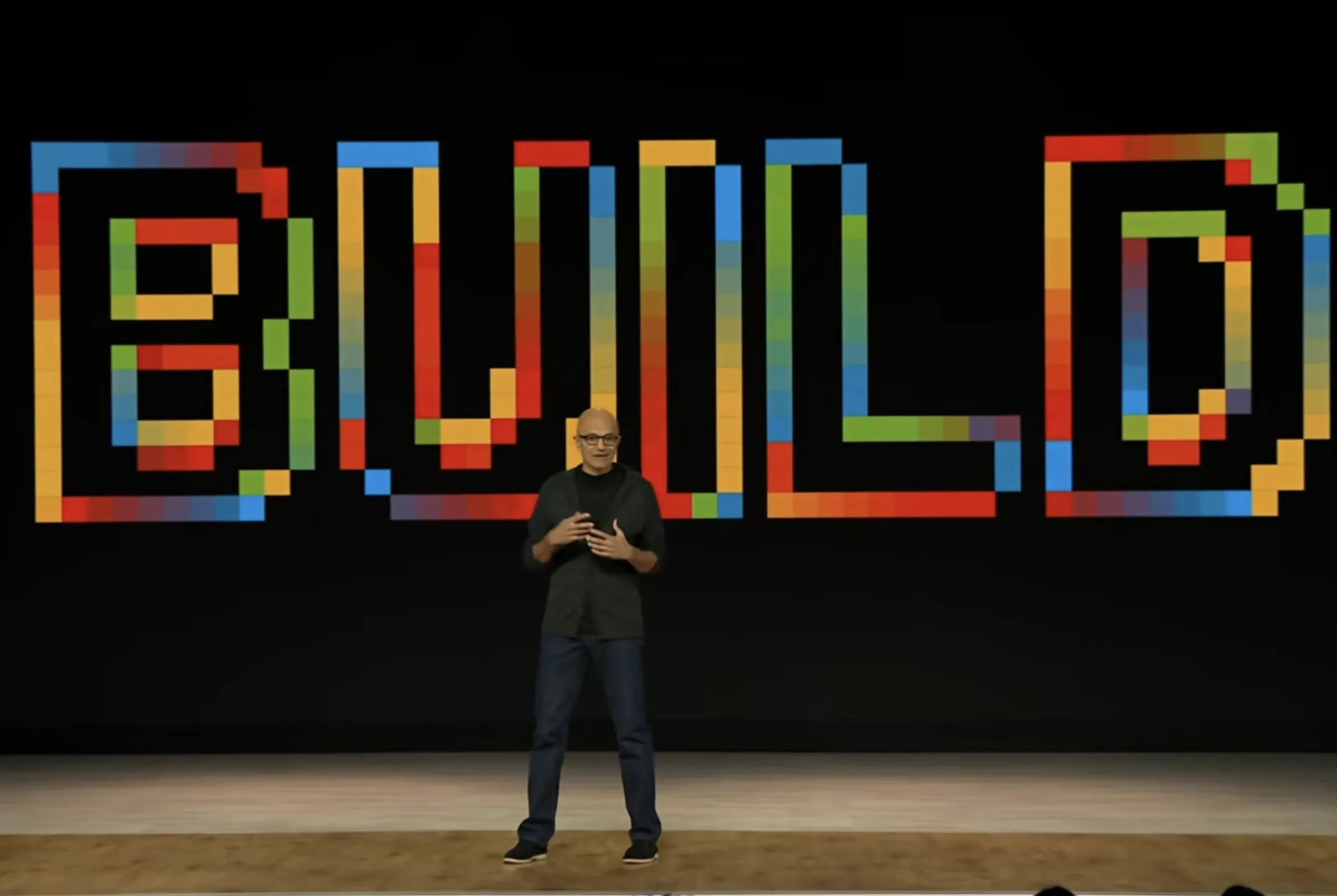
That shift from generative AI chatbots to what Microsoft calls "Agentic AI" ran through every major announcement. Here are the seven biggest reveals from the keynote.
1. Surface RTX Spark Dev Box: A Petaflop on Your Desk
The Surface RTX Spark Dev Box is a mini PC built specifically for developers who want to run large AI models locally. It fills the gap left by Qualcomm's canceled dev kit, giving AI developers a dedicated machine for on-device model training and inference.
The hardware specs are substantial: Nvidia's new Arm-based Spark RTX chip paired with 128GB of unified memory. Pavan Davuluri, Corporate Vice President of Windows and Devices, put it bluntly: "The Surface RTX Spark is not a laptop; it's a mobile data center for your desk designed specifically to run massive reasoning models locally."
Microsoft also preconfigured the software stack. The device ships with Visual Studio Code and GitHub Copilot preinstalled, running on Windows 11 Pro with dark mode enabled by default, a simplified taskbar, and no widgets. Pricing wasn't announced, but the device will be available in the US later this year.
2. Developer-Optimized Windows Updates
Microsoft is making Windows more developer-friendly with several updates. The biggest is Coreutils, which brings Linux-like command-line utilities that run natively on Windows 11. No more switching between environments for basic operations.
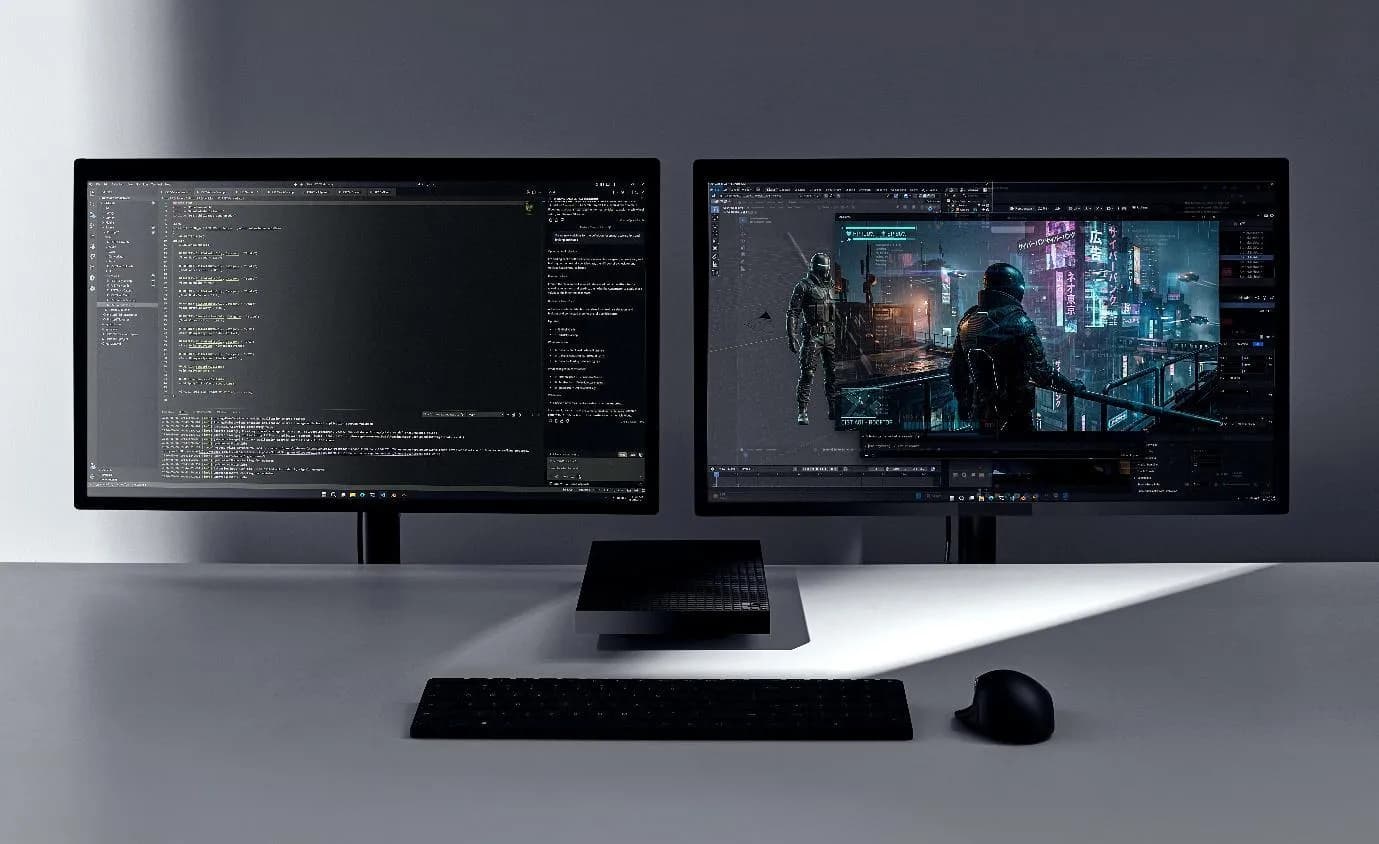
The Windows Subsystem for Linux (WSL) gains the ability to create, run, and interact with Linux containers directly. A new Intelligent Terminal provides context to a developer's preferred AI-powered agent, making it easier to work with AI tools from the command line.
3. Project Solara: An OS for Cross-Device AI Agents
Project Solara is an Android-based operating system designed to run AI agents across multiple devices. Microsoft partnered with Qualcomm and MediaTek to develop the system, which could eventually work as a companion to a PC or hand off tasks between devices.
During the keynote, Microsoft demonstrated two prototype devices running Solara: a desktop hub and a digital badge. The concept is that agents could move between your phone, PC, and these smaller devices, maintaining context as they execute tasks.
4. Scout: Always-On Assistant Built on OpenClaw
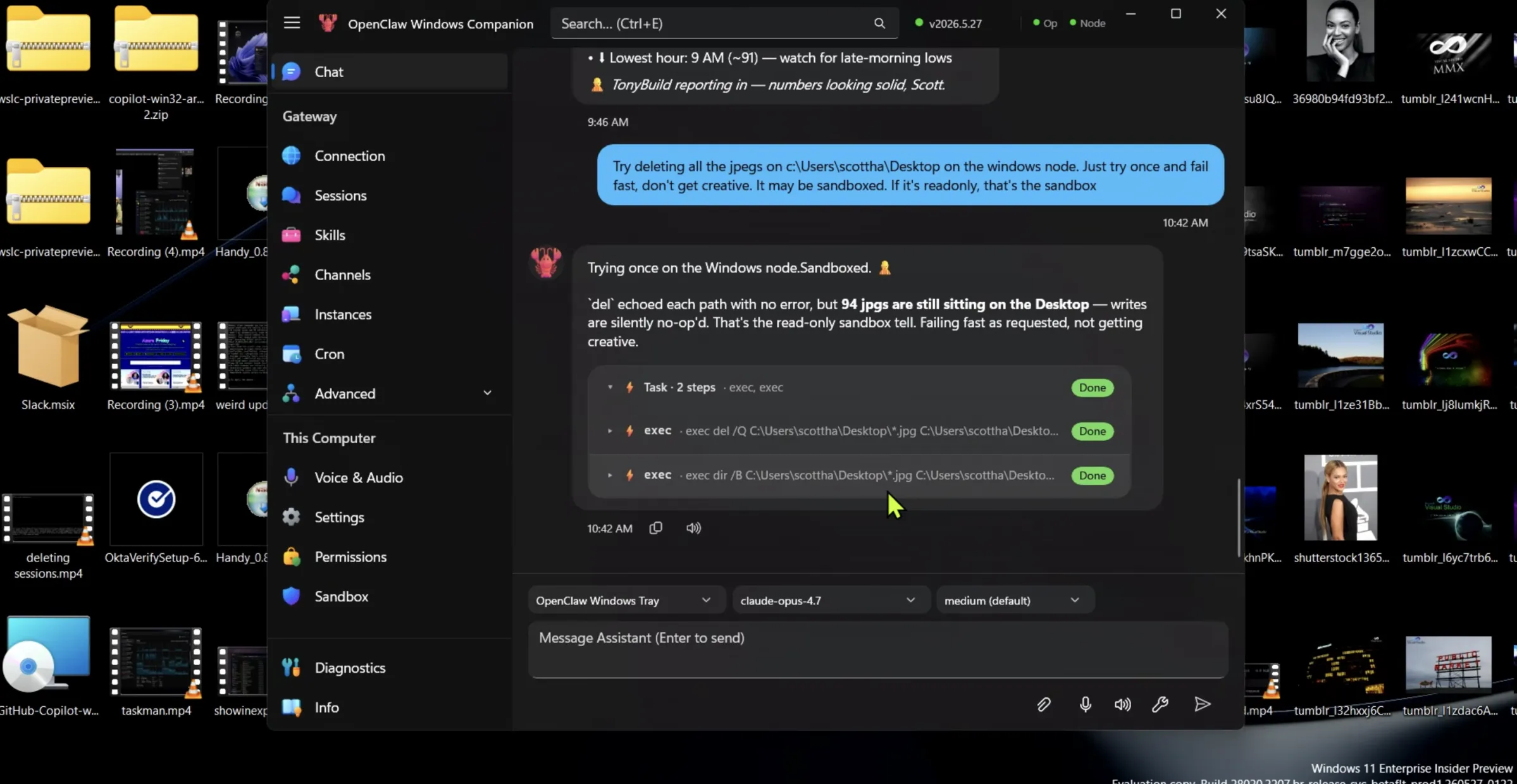
Scout is Microsoft's new always-on assistant, and it's built on OpenClaw, the open-source AI platform that gained popularity earlier this year. Unlike traditional voice assistants that wait for commands, Scout works continuously in the background with Microsoft 365 apps including Outlook, OneDrive, and Microsoft Teams.
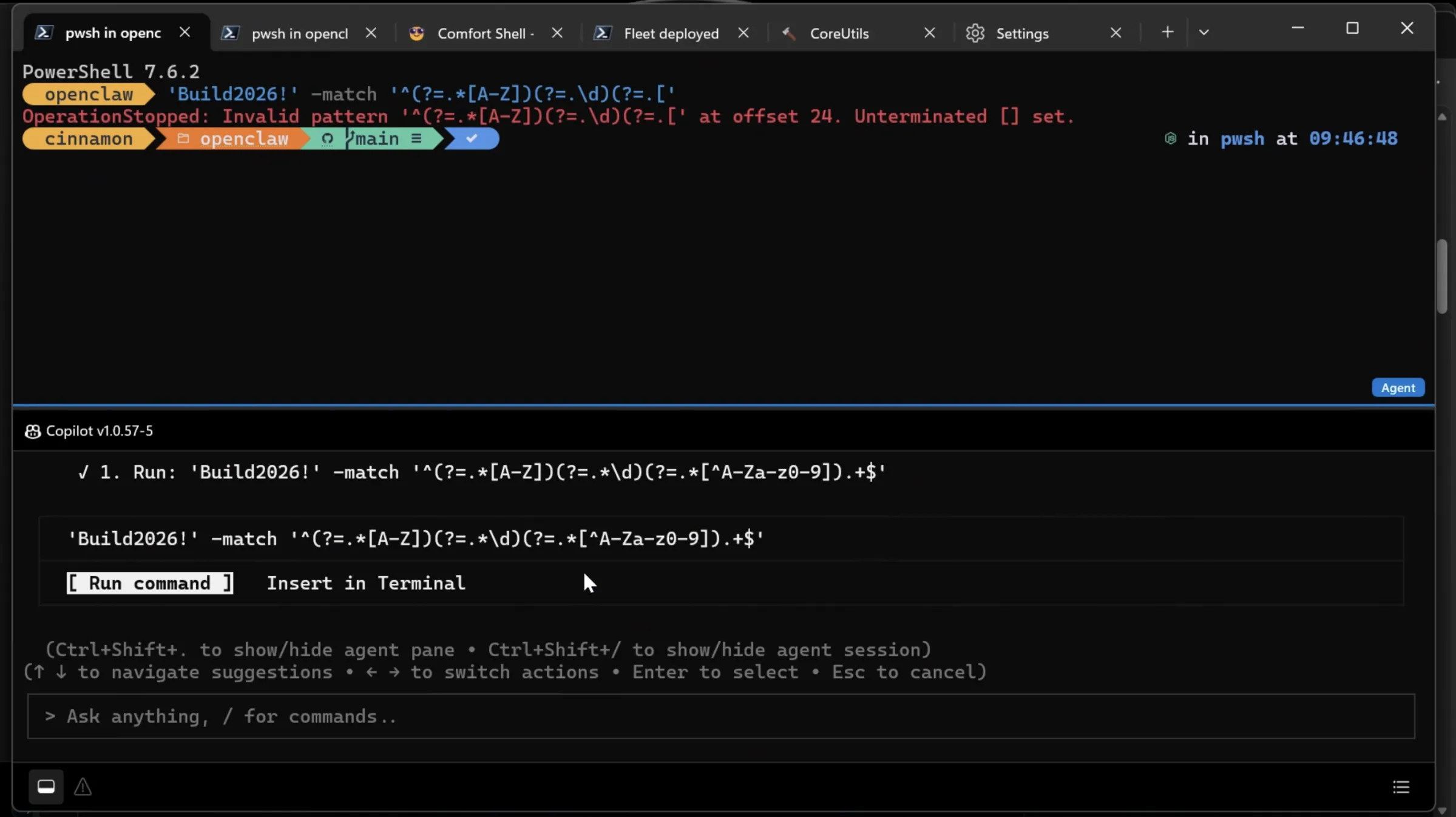
The assistant can organize calendars, manage expense reporting, and draft emails. It's designed for business use, acting more like an autonomous coworker than a chatbot you query.
5. MAI Model Family and Updated Transcription
Microsoft announced its MAI model family, positioning these as the foundation for the company's Agentic AI push. The updated MAI-Transcribe-1.5 engine now supports 43 languages, expanding accessibility for global teams.
A new DGX Station for Windows allows developers to work with frontier models up to 1 trillion parameters locally. That's a significant jump in capability for on-device AI development.
6. GitHub Copilot Desktop App
GitHub showcased new workspace features for the Copilot Desktop App. The tool now offers deeper integration with local development environments, making it easier for developers to work with AI assistance outside the browser.
7. New Surface Hardware Beyond the Dev Box
While the RTX Spark Dev Box grabbed headlines, Microsoft also announced broader Surface hardware updates. The company didn't reveal full details during the keynote, but indicated more announcements would follow.
What This Shift to Agentic AI Means
Microsoft is betting that the next phase of AI moves beyond question-and-answer chatbots to autonomous agents that can plan and execute multi-step workflows. By integrating these capabilities into Windows and purpose-built hardware, the company wants local AI development to become the default for its ecosystem.
Developer communities are split on the approach. HackerNews discussions focus on privacy implications and whether on-device agents with such high compute requirements are practical. Reddit's r/Surface and r/LocalLLaMA communities are debating whether the Surface RTX Spark is a niche tool or a preview of future consumer hardware.
Logicity's Take
Frequently Asked Questions
When will the Surface RTX Spark Dev Box be available?
Microsoft said the device will be available in the US later this year, though specific pricing and full specs haven't been announced.
What is Project Solara?
Project Solara is an Android-based operating system developed with Qualcomm and MediaTek. It's designed to run AI agents across multiple devices, potentially serving as a companion to PCs or enabling task handoffs between devices.
What is OpenClaw and how does Scout use it?
OpenClaw is an open-source AI platform that gained popularity earlier this year. Microsoft's Scout assistant is built on OpenClaw and works as an always-on background agent with Microsoft 365 apps.
How much AI compute does the Surface RTX Spark Dev Box provide?
The device delivers 1 petaflop of AI compute, powered by Nvidia's new Arm-based Spark RTX chip paired with 128GB of unified memory.
What developer tools come preinstalled on the Surface RTX Spark?
The device ships with Visual Studio Code and GitHub Copilot preinstalled, along with a developer-optimized version of Windows 11 Pro with dark mode, a simplified taskbar, and no widgets.
Another major tech company making significant strategic moves this week
Need Help Implementing This?
Manaal Khan
Tech & Innovation Writer
Produced with AI assistance and reviewed by the Logicity editorial team. Learn more in our Editorial Policy.