In a shocking turn of events, Meta has agreed to reduce Instagram's references to PG-13 ratings after a cease-and-desist order from the Motion Picture Association. The move comes as a result of Meta's comparison of its teen content restrictions to movie ratings, which the MPA deemed 'literally false and misleading'. This decision has significant implications for social media content moderation and the way platforms communicate with users.
Key Takeaways
- Meta has agreed to reduce Instagram's PG-13 rating references
- The Motion Picture Association issued a cease-and-desist order over 'false and misleading' comparisons
- The decision affects how social media platforms communicate with users about content moderation
In This Article
- The Dispute: What Happened?
- The Agreement: What It Means
- The Implications: What This Means for Social Media
- The Disclaimer: What It Says
- The Future: What's Next for Social Media Content Moderation?
The Dispute: What Happened?
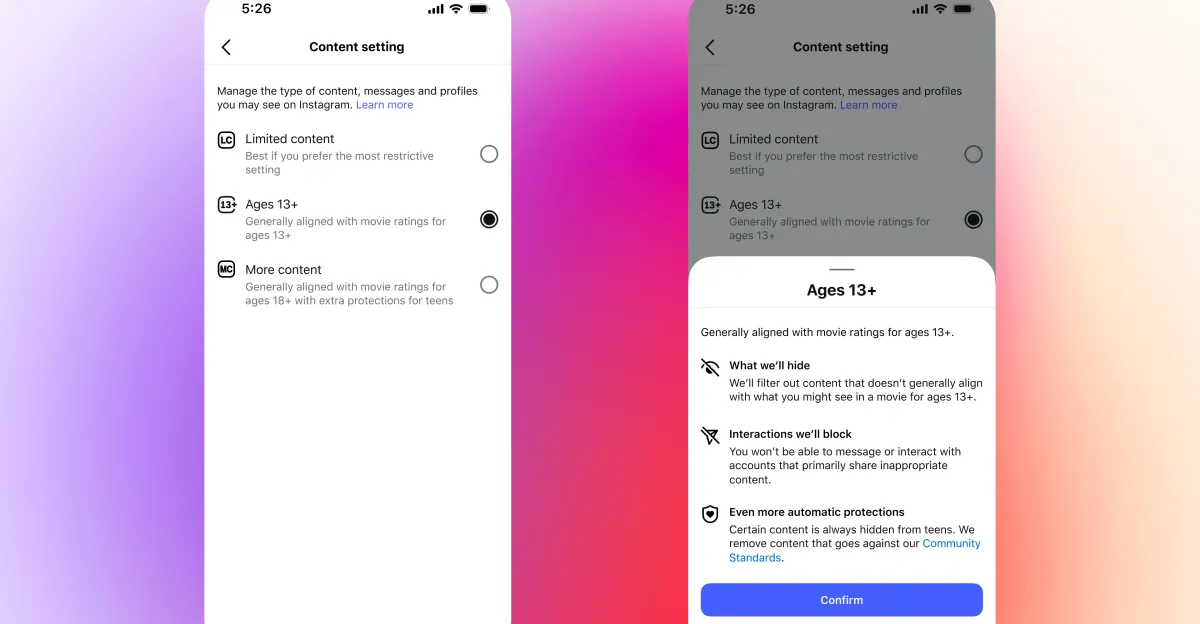
The controversy began when Meta compared its new teen restrictions on Instagram to PG-13 movie ratings. The Motion Picture Association took issue with this comparison, claiming it was 'literally false and misleading'. But what exactly did Meta say, and why did the MPA object?
- Meta's content guidelines for teens are inspired by PG-13 movie ratings
- The MPA claimed Meta's content restrictions don't follow their 'curated process'
The Agreement: What It Means
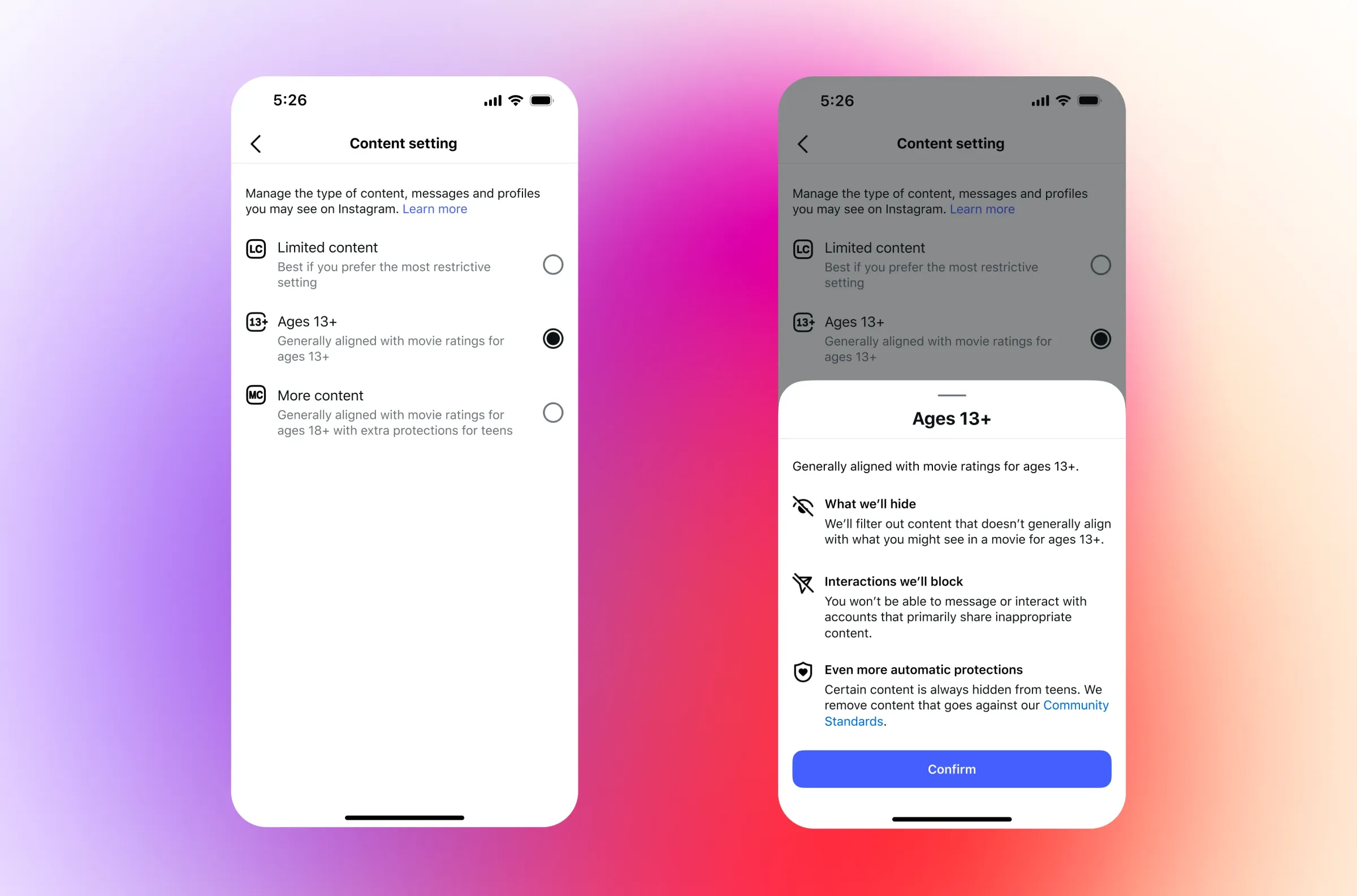
So, what does the agreement between Meta and the MPA entail? Essentially, Meta has agreed to 'substantially reduce' its references to the PG-13 rating when describing Instagram's teen accounts. But that's not all - the platform will also display a disclaimer to clarify the differences between social media and movies.
- Meta must reduce PG-13 rating references for Instagram teen accounts
- A disclaimer will be displayed to clarify the differences between social media and movies
The Implications: What This Means for Social Media
This decision has significant implications for social media content moderation and how platforms communicate with users. It raises important questions about the role of ratings systems in online content and how platforms should approach moderation.
- The decision highlights the complexity of content moderation on social media
- It raises questions about the role of ratings systems in online content
The Disclaimer: What It Says
The disclaimer that Meta will display is an important part of the agreement. It aims to clarify the differences between social media and movies, and how Meta's content moderation systems work.
- The disclaimer states that there are 'lots of differences between social media and movies'
- It clarifies that the MPA did not endorse or approve Meta's content settings
The Future: What's Next for Social Media Content Moderation?
As social media continues to evolve, content moderation will remain a critical issue. This decision highlights the need for platforms to be transparent and clear in their communication with users about content restrictions and moderation practices.
- Social media platforms must prioritize transparency in content moderation
- The decision sets a precedent for how platforms should approach content moderation and communication with users
“We didn’t work with the MPA when updating our content settings, and they’re not rating any content on Instagram, and they’re not endorsing or approving our content settings in any way.”
— Meta Spokesperson
Final Thoughts
In conclusion, the agreement between Meta and the MPA marks an important turning point in the evolution of social media content moderation. As platforms continue to navigate the complexities of online content, transparency, clarity, and cooperation with industry bodies will be essential. The future of social media content moderation is uncertain, but one thing is clear: it will require careful consideration and collaboration to get it right.
Sources & Credits
Originally reported by Unknown — Emma Roth
Huma Shazia
Senior AI & Tech Writer
Produced with AI assistance and reviewed by the Logicity editorial team. Learn more in our Editorial Policy.