Key Takeaways
- HavocAI raised $197.2M in Series A for autonomous defense systems, backed by Lockheed Martin and SAIC
- Telehealth company Nourish closed a $100M+ Series C, reaching $213.1M total funding for nutrition counseling
- Fusion energy startup Thea Energy secured Series B funding, hitting $120M total as clean energy investment accelerates
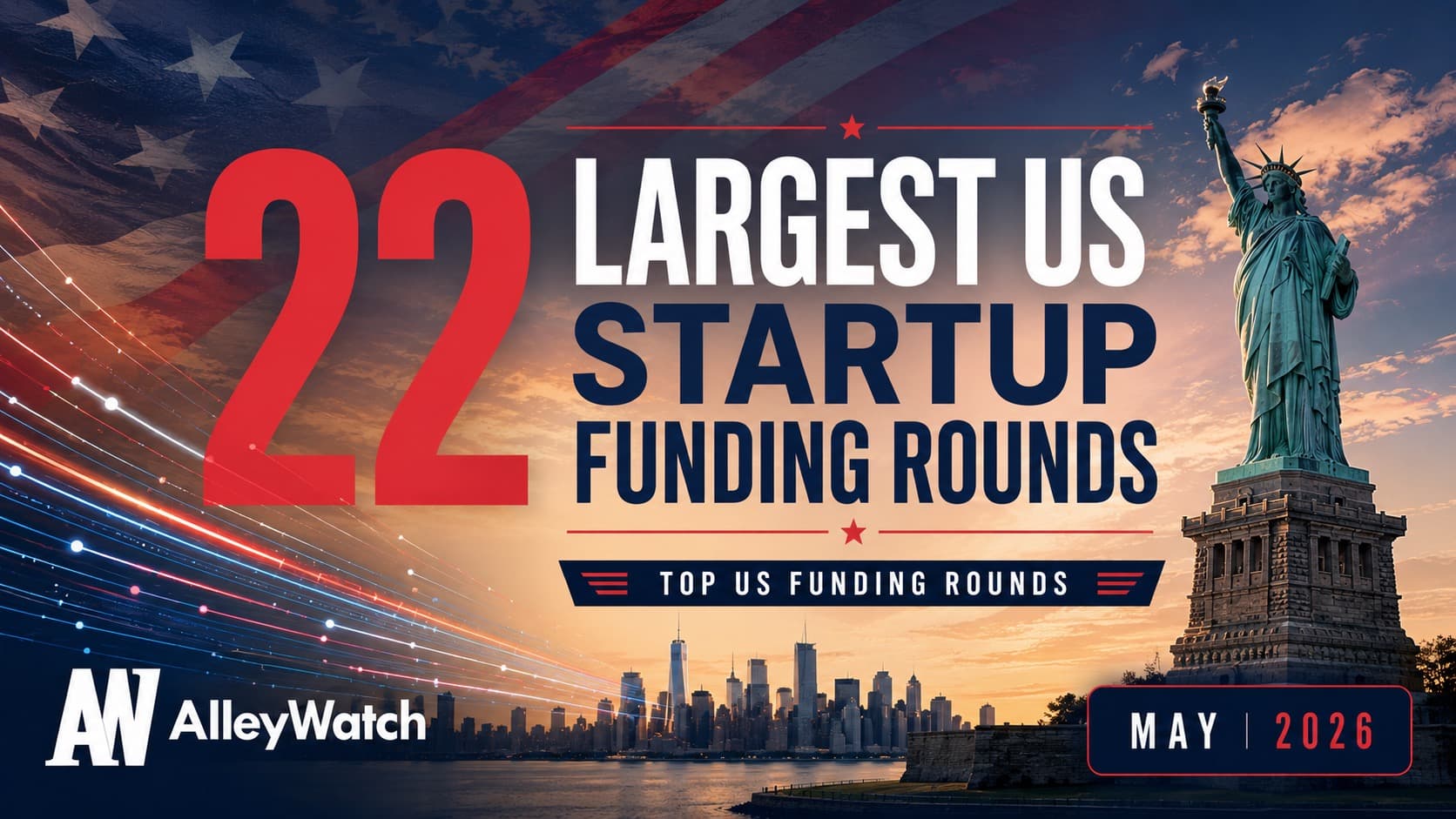
May 2026 saw US venture capital flow heavily into three sectors: AI-powered defense, telehealth, and fusion energy. AlleyWatch's monthly roundup of the 22 largest US funding rounds reveals a market still betting big on infrastructure plays, from autonomous naval systems to stellarator reactors. The rounds ranged from Series A to Series E, with several companies crossing the $100M mark.
Defense AI draws Lockheed Martin money
HavocAI, a Providence-based startup founded in 2024, pulled in $197.2M in Series A funding for its autonomous maritime and defense software. The company builds collaborative autonomy systems for distributed naval operations. What stands out is the investor list: Lockheed Martin and SAIC both participated, signaling that legacy defense contractors are buying into the startup ecosystem rather than building in-house.
Joe Turner and Paul Lwin founded HavocAI just two years ago. Raising nearly $200M at Series A, with defense primes on the cap table, suggests the Pentagon's push for autonomous systems has created a fast lane for startups that can deliver working software. B Capital and Clear Street also joined the round.
Nourish hits $213M as telehealth matures
New York's Nourish closed a Series C round exceeding $100M, bringing total funding to $213.1M. The company provides insurance-covered nutrition counseling through registered dietitians, targeting weight management, diabetes, eating disorders, and digestive health. Atomico, Index Ventures, Thrive Capital, and J.P. Morgan Growth Equity Partners participated.
Founded in 2021 by Aidan Dewar, Sam Perkins, and Stephanie Liu, Nourish represents the second wave of telehealth companies. The first wave sold convenience. Nourish sells outcomes tied to insurance reimbursement. That model scales differently because it doesn't depend on consumer willingness to pay out of pocket.
Fusion energy bets continue
Thea Energy, based in Kearny, New Jersey, raised Series B funding that pushed total equity to $120M. The company develops stellarator fusion systems, a design that trades some efficiency for stability compared to tokamaks. Lowercarbon Capital, Hitachi Ventures, and Prelude Ventures backed the round.
Brian Berzin and David Gates founded Thea Energy in 2022. Stellarators are notoriously difficult to build because they require precisely shaped magnetic coils. The bet here is that advances in computational design and manufacturing make the approach viable. Hitachi's participation suggests industrial buyers see the technology as more than a science project.
Healthcare analytics and insurtech round out the top five
Garner Health raised a Series E round, reaching $320M in total funding. The New York company uses analytics to steer employees toward higher-quality healthcare providers, aiming to reduce employer costs. Sequoia Capital, Founders Fund, and Kaiser Permanente Ventures invested. Nick Reber founded the company in 2019.
Corgi Insurance, a San Francisco startup targeting tech companies, hit $374.5M in total funding after its Series B. Emily Yuan and Nico Laqua founded the company in 2024. TCV led a round that included Kindred Ventures and Repeat Ventures. The premise: startups are underserved by traditional business insurance, and a digital-native approach can capture that market.
Deep Infra, a Palo Alto company providing serverless inference infrastructure for open-source ML models, also appeared on the list. Georgios Papoutsis, Nikola Borisov, and Yessen Kanapin founded the company in 2022.
What the investor mix tells us
The rounds share a pattern. Strategic investors, not just financial VCs, are writing checks. Lockheed Martin in defense AI. Hitachi in fusion. Kaiser Permanente in healthcare analytics. J.P. Morgan in telehealth. Corporate venture arms are deploying capital to buy optionality in sectors where their parent companies expect disruption.
For founders, this creates both opportunity and complexity. Strategic money comes with relationships and distribution. It can also come with constraints. A defense startup backed by Lockheed may find Raytheon less eager to partner.
Logicity's Take
The May 2026 data shows VCs comfortable writing large checks for companies with clear paths to revenue, not just growth metrics. HavocAI's defense contracts, Nourish's insurance reimbursements, Garner's employer savings. Each business model has a buyer who writes checks today, not a projected user base that might pay later. For CTOs evaluating build-vs-buy decisions, the inference infrastructure space is getting crowded. Deep Infra competes with Replicate, Modal, and the hyperscalers' own serverless ML offerings. Pricing and lock-in terms matter more than raw benchmarks.
Another major AI infrastructure bet, this time in custom silicon
Frequently Asked Questions
Which sectors received the most funding in May 2026?
AI defense, telehealth, fusion energy, healthcare analytics, and insurtech dominated the largest rounds. Defense AI startup HavocAI and telehealth company Nourish both raised over $100M in single rounds.
What was the largest Series A round in May 2026?
HavocAI raised $197.2M in Series A funding for autonomous maritime defense software, one of the largest Series A rounds of the year.
Why are defense contractors investing in startups?
Companies like Lockheed Martin and SAIC are investing in AI defense startups to gain access to autonomous systems technology faster than internal R&D allows, and to maintain relationships with emerging suppliers.
How much total funding has Nourish raised?
Nourish has raised $213.1M in total equity funding across multiple rounds, most recently a Series C backed by Atomico, Index Ventures, and Thrive Capital.
What is a stellarator and why is Thea Energy building one?
A stellarator is a type of fusion reactor that uses twisted magnetic coils to confine plasma. Thea Energy believes advances in computation and manufacturing now make stellarators practical for commercial fusion power.
Need Help Implementing This?
Tracking startup funding and competitive intelligence matters for strategic planning. If your team needs help building internal dashboards or data pipelines to monitor market movements, reach out to Logicity's consulting network.
Source: AlleyWatch
Manaal Khan
Tech & Innovation Writer
Produced with AI assistance and reviewed by the Logicity editorial team. Learn more in our Editorial Policy.