Key Takeaways
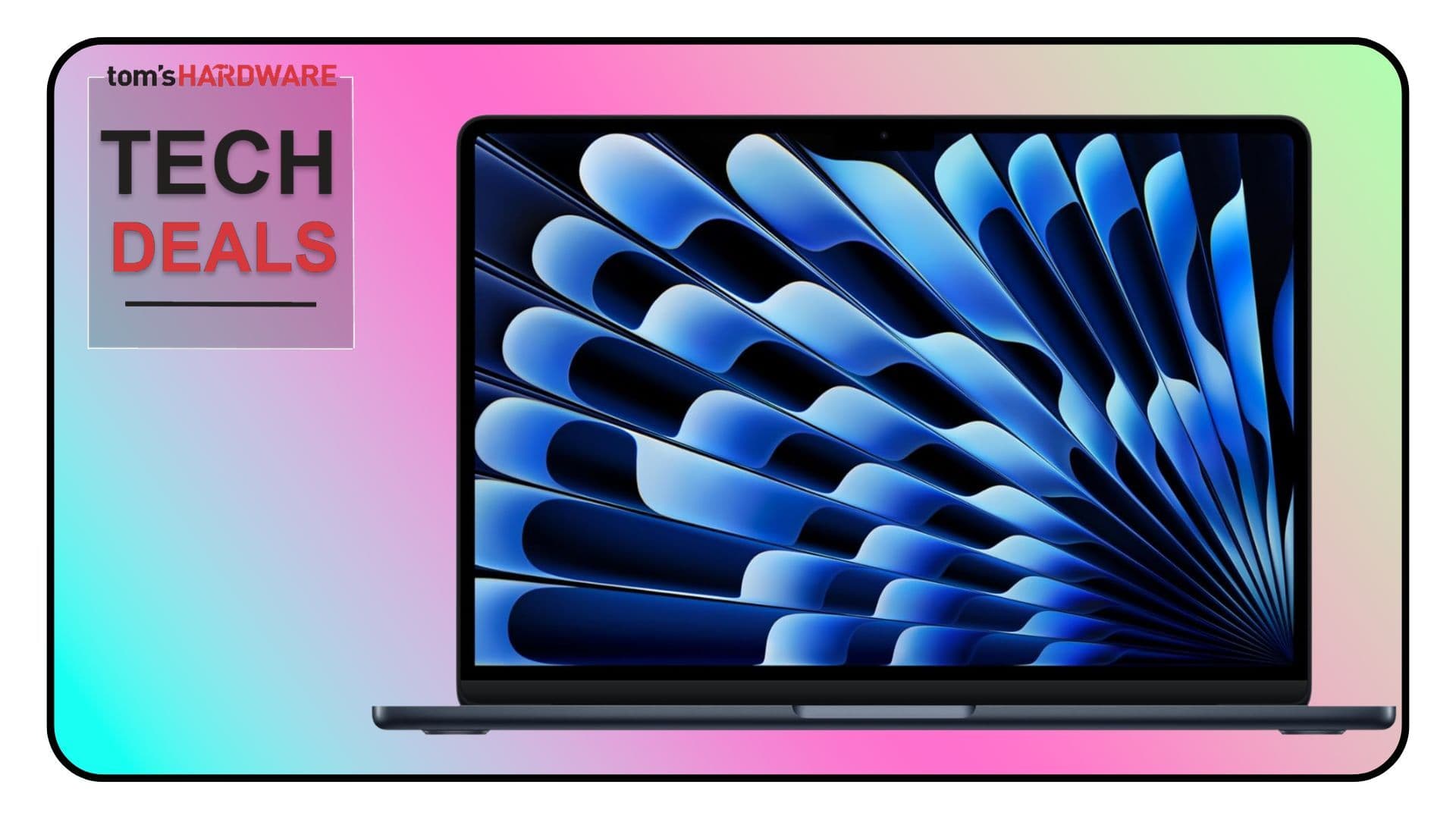
- The 13-inch MacBook Air M5 is now $899, down from $1,099
- The 15-inch model starts at $1,099, saving $200 off the $1,300 retail price
- Both models include 16GB RAM and 512GB SSD as standard
Memorial Day deals are live, and Apple's newest consumer laptop is getting a price cut worth paying attention to. The MacBook Air with the M5 chip, announced in March 2026, is now available for as low as $899 on Amazon. That's $200 off the 13-inch base model.
The 15-inch version sees the same discount, dropping from $1,300 to $1,099. Both configurations come with 16GB of unified RAM and a 512GB SSD. Apple doubled the base storage this generation, which means the entry-level machine finally has enough space for most users without paying for an upgrade.
What You Get at This Price
The M5 chip is the headline feature. According to Apple, it delivers 4x faster AI performance compared to the M4 and 9.5x faster than the original M1. John Ternus, Apple's Senior Vice President of Hardware Engineering, called it "a monumental shift in how we handle on-device AI tasks."
“The M5 chip represents a monumental shift in how we handle on-device AI tasks, making the MacBook Air faster and more efficient than ever before.”
— John Ternus, Senior Vice President of Hardware Engineering at Apple
Tom's Hardware gave the M5 MacBook Air an Editor's Choice award, calling it their top recommendation for best laptops you can buy. Their testing found the M5 matches the most powerful AMD and Intel processors while outpacing them all in single-core performance.
Battery life hits up to 18 hours on a single charge. The machine includes Wi-Fi 7 support through Apple's new N1 wireless chip. It's available in four colors: Midnight, Silver, Sky Blue, and Starlight. The Sky Blue option is generating buzz online, with Reddit users comparing it to classic iMac aesthetics.
13-Inch vs 15-Inch: Which to Pick
The size difference is obvious, but there are a few other distinctions. The 15-inch model upgrades from a 4-speaker to a 6-speaker configuration. It also bumps the GPU from 8 cores to 10 cores.
Weight goes up from 1.24kg to 1.5kg. That's about 250 grams of difference. If you're carrying it in a bag every day, you'll notice it. If it mostly sits on a desk, the bigger screen is worth considering.
| Spec | 13-inch | 15-inch |
|---|---|---|
| Sale Price | $899 | $1,099 |
| Regular Price | $1,099 | $1,299 |
| GPU Cores | 8 | 10 |
| Speakers | 4 | 6 |
| Weight | 1.24 kg | 1.5 kg |
| RAM | 16GB | 16GB |
| Storage | 512GB SSD | 512GB SSD |
The Trade-offs
The MacBook Air is fanless, which keeps it silent but means it can throttle under sustained heavy workloads. Video editors doing occasional work will be fine. Anyone rendering projects for hours should look at the MacBook Pro instead.
Ports are limited. You get two USB-C ports with Thunderbolt 4, a 3.5mm headphone jack, and a MagSafe charging connector. No HDMI, no SD card slot. A dongle or dock is necessary if you connect external monitors or cameras regularly.
Gaming is not this machine's strength. The M5 handles casual titles, but anyone who bought a gaming laptop expecting AAA performance will be disappointed.
✅ Pros
- • M5 chip matches or beats Intel/AMD in productivity tasks
- • 16GB RAM and 512GB SSD now standard at base price
- • 18-hour battery life
- • Fanless, silent operation
❌ Cons
- • Limited ports require dongles for many workflows
- • Thermal throttling under sustained heavy loads
- • Chassis design unchanged from M2/M3 generation
- • Not suitable for demanding gaming
Who Should Buy Now
If you're on an Intel Mac or an early Apple Silicon model like the M1, this is a meaningful upgrade. The AI performance gains are designed specifically for Apple Intelligence features, and the doubled storage removes a common pain point.
M3 or M4 owners probably don't need to rush. The improvements are incremental for typical productivity work. The $200 discount makes this the right time for anyone who was already planning to buy.
Logicity's Take
Frequently Asked Questions
How long will the MacBook Air M5 Memorial Day deal last?
Memorial Day sales typically run through the end of May. Amazon pricing can fluctuate, so the $200 discount may not persist beyond the holiday weekend.
Is 16GB of RAM enough for the MacBook Air M5?
For most users, yes. Apple's unified memory architecture handles RAM more efficiently than traditional laptops. 16GB works well for web browsing, document work, light video editing, and running multiple apps. Heavy video production or running many virtual machines may benefit from more.
Can the MacBook Air M5 run Windows?
Not natively. Apple Silicon Macs don't support Boot Camp. You can run Windows through virtualization software like Parallels, which works well for most productivity applications.
What's the difference between MacBook Air M5 and MacBook Pro?
The MacBook Pro has active cooling with fans, allowing sustained performance under heavy loads. It also offers more ports, ProMotion displays, and more powerful chip options. The Air is lighter, cheaper, and silent.
Testing how well AI assistants handle real tech troubleshooting
Need Help Implementing This?
Source: Latest from Tom's Hardware
Additional Technical Specifications and Warranty Details
The new article provides specific technical hardware details not present in the original, such as the 13.6-inch display resolution (2560x1664), exact processor specs (10-core CPU, 8-core GPU, 16-core NPU), and the inclusion of the new N1 networking chip with Wi-Fi 7. It also confirms that Amazon is an authorized reseller, which retains the official 1-year Apple warranty and eligibility for AppleCare.
Huma Shazia
Senior AI & Tech Writer
Produced with AI assistance and reviewed by the Logicity editorial team. Learn more in our Editorial Policy.




