Key Takeaways
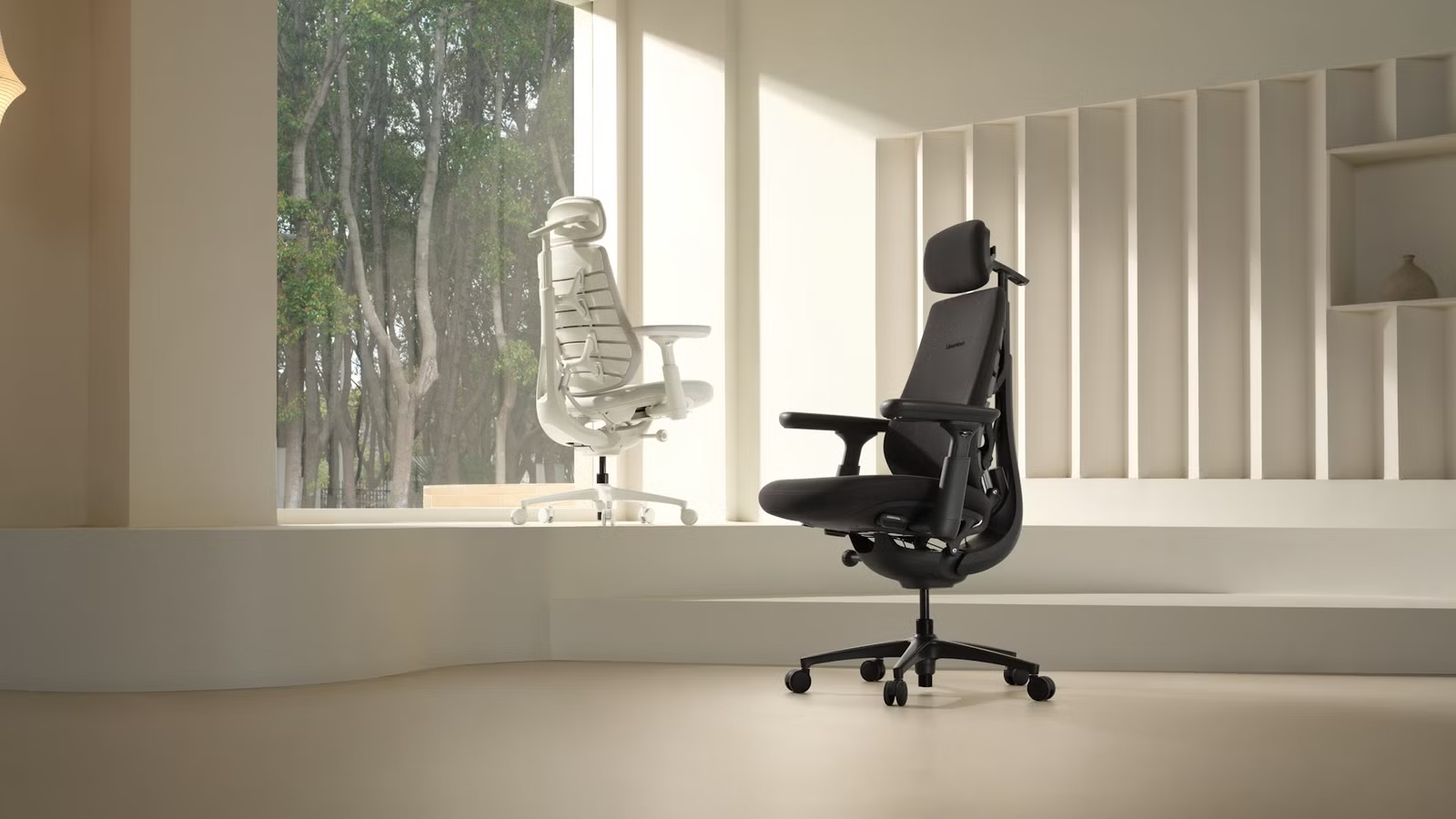
- The Maxis series is purpose-built for users 5'10" to 6'7" with a 399 lb weight capacity
- A 52cm ultra-deep seat and widened backrest address common fit problems with standard chairs
- Three configurations range from manual adjustment to motorized lumbar support
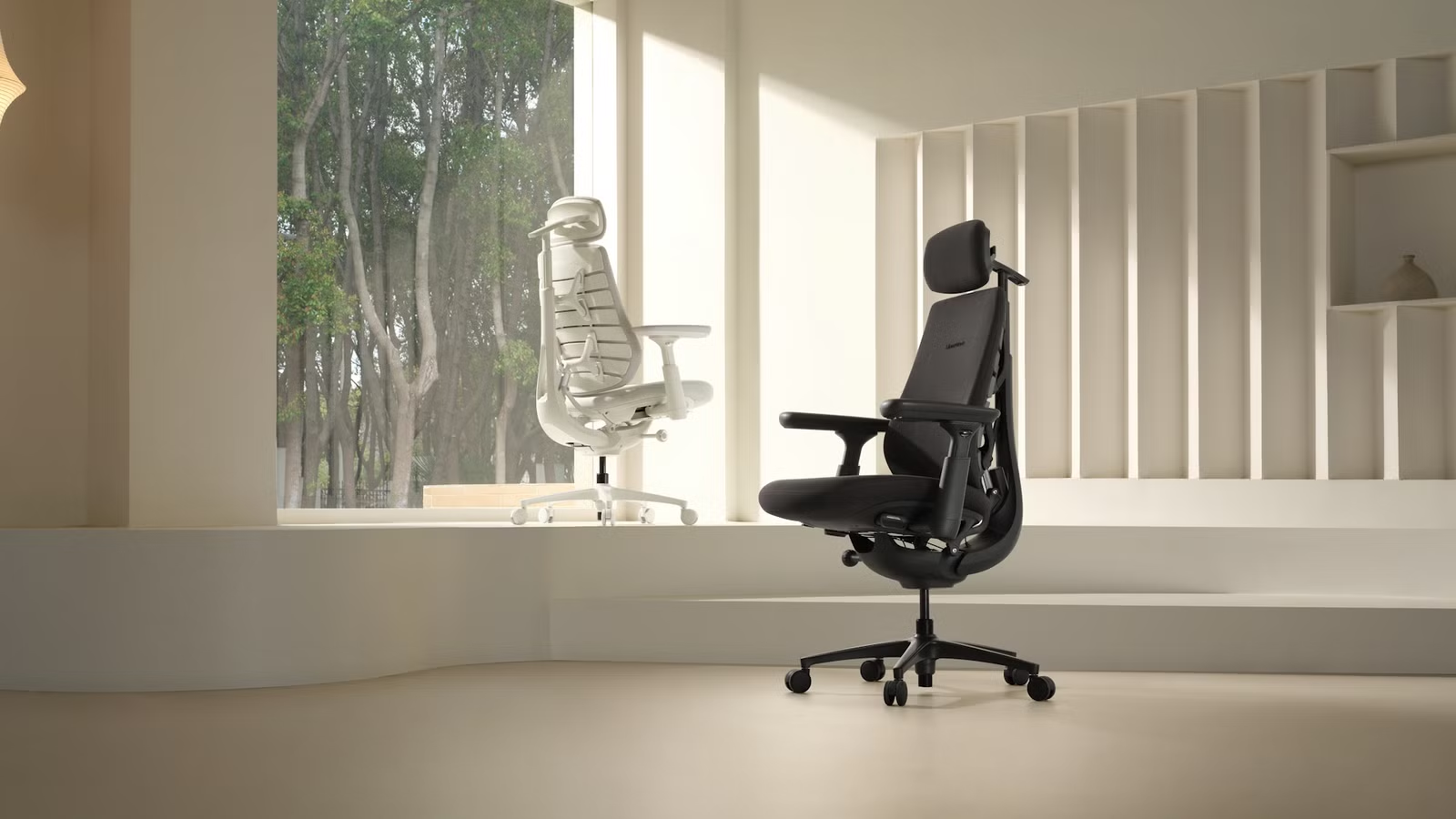
LiberNovo has released the Maxis series, an ergonomic office chair line designed specifically for users between 5'10" and 6'7" tall, with a BIFMA-certified weight capacity of 399 lbs. The company, which won a Red Dot Product Design Award and an iF Design Award in 2026 for its Omni series, rebuilt its engineering from scratch to accommodate larger frames that standard office chairs ignore.
Most ergonomic chairs base their dimensions on average body measurements. For anyone significantly above that average, seat pans are too shallow, backrests too short, and headrests sit at shoulder height instead of supporting the neck. The Maxis addresses each of these problems with specific structural changes rather than just adding padding to an existing design.
What makes the Maxis different from oversized chairs?
The core difference is intentional engineering versus scaling up. The big-and-tall chair market has historically relied on oversized standard chairs. More foam, wider seats, but the same fundamental geometry that doesn't account for longer spines or heavier loads on recline mechanisms.
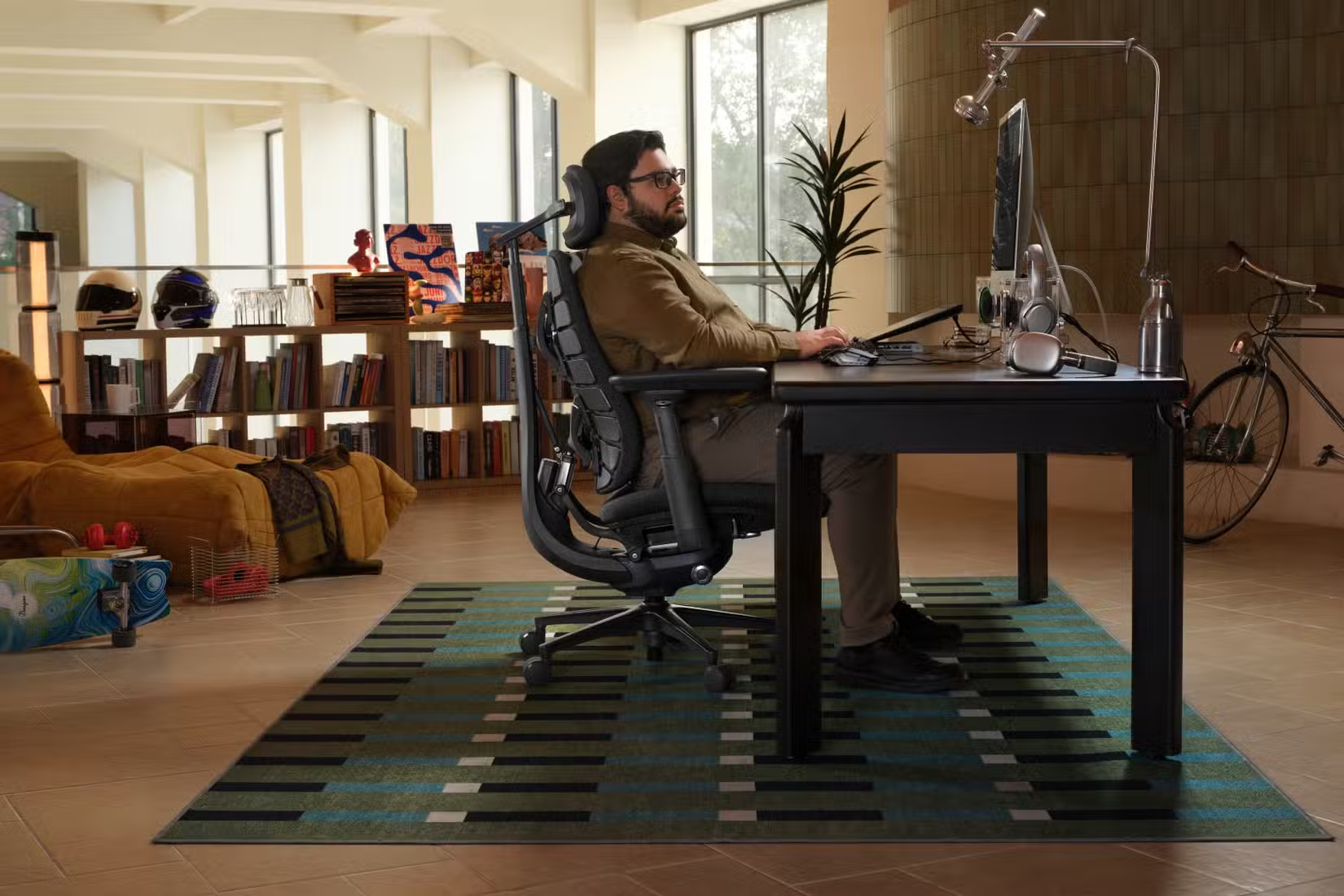
The Maxis starts with a 52cm ultra-deep seat platform. That's considerably deeper than standard chairs, which typically run 40-45cm. The extra depth provides full thigh support, reducing pressure at the seat edge that causes circulation problems during long sessions.
The backrest spans 430mm at the shoulder and 520mm at the waist. Those measurements matter because a backrest that's narrower than your frame leaves the sides of your torso unsupported, shifting load onto muscles that should be at rest. LiberNovo calls its adaptive support system "Bionic FlexFit technology," which adjusts dynamically with movement rather than requiring manual repositioning.
How does the headrest work for taller users?
Headrests on standard chairs often have limited vertical travel. If you're over 6 feet tall, the headrest either sits too low or doesn't reach your head at all. The Maxis headrest offers 140mm of vertical adjustment and 120mm of horizontal reach. The U-shaped design is intended to cradle the neck rather than just touch the back of the head.
Armrests present a similar problem. Straight-edged armrests on standard chairs press into the waist on broader frames. The Maxis uses a curved arc design that follows the natural contour of a larger body, with enough adjustment range to let arms rest on a desk without the armrests pushing into the abdomen.
What's different about the recline mechanism?
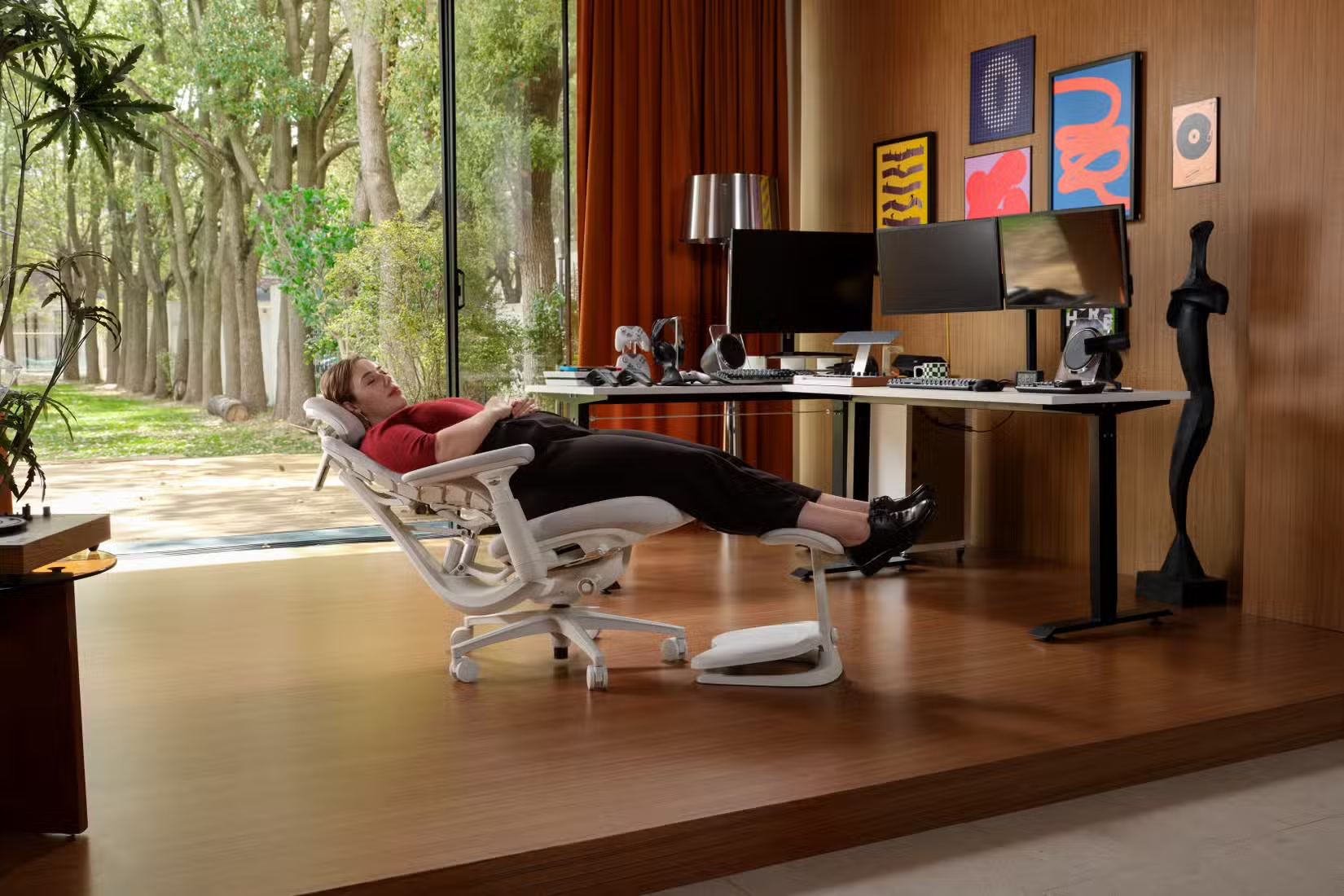
Standard recline systems can feel abrupt or unstable, especially when a chair isn't rated for your weight. The mechanism either locks stiffly or drops suddenly. The Maxis uses a six-spring controlled recline that engages progressively, adjusting resistance based on angle and body mass.
The recline range spans five stages: a 105-degree upright working position through to a 160-degree near-flat recovery position. The progressive resistance is meant to eliminate the sudden drop that makes reclining feel precarious in chairs not rated for heavier loads.
Three configurations with the same reinforced frame
The Maxis series comes in three models. All share the same reinforced BIFMA-certified frame and core ergonomic features, but differ in adjustment options and additional functionality.
The Maxis Manual is the entry point. It includes manually adjusted lumbar support alongside all the structural upgrades. For the core big-and-tall ergonomic benefits without motorized features, this is the straightforward option.
The Maxis Electric adds motorized lumbar adjustment for users who want to fine-tune support without reaching behind themselves. The third configuration, the Maxis Airflow, adds ventilated seating materials for warmer environments or users who run hot.
What are early users saying?
Initial sentiment on Reddit's r/OfficeChairs community is cautious but optimistic. Users highlight the BIFMA certification as a crucial differentiator from chairs that claim high weight capacities without third-party verification. Many are waiting for long-term durability tests before committing to the premium price tag.
The certification matters because weight ratings on cheaper chairs are often manufacturer claims, not tested standards. BIFMA testing involves repeated stress cycles that simulate years of use. A chair that fails certification might hold your weight initially but degrade faster under daily load.
Logicity's Take
The office furniture industry has treated "big and tall" as a marketing category rather than an engineering problem. Add padding, slap a higher weight limit on the box, charge more. LiberNovo's approach, rebuilding dimensions and mechanisms from scratch, is how this category should have worked from the start. The real test will be whether the Maxis holds up over 3-5 years of daily use. That's where cheaper "big and tall" chairs typically fail.
Frequently Asked Questions
What height range is the LiberNovo Maxis designed for?
The Maxis series is optimized for users between 5'10" and 6'7" tall, with structural dimensions specifically engineered for longer torsos and broader frames.
What is the weight capacity of the LiberNovo Maxis chair?
The Maxis supports up to 399 lbs (181 kg) with a BIFMA-certified reinforced frame, meaning the capacity has been verified through standardized stress testing.
How does the Maxis seat differ from standard ergonomic chairs?
The Maxis features a 52cm ultra-deep seat platform, significantly deeper than the 40-45cm typical of standard chairs, providing full thigh support and reducing circulation problems.
What's the difference between Maxis Manual and Maxis Electric?
Both share the same reinforced frame and ergonomic features. The Manual has hand-adjusted lumbar support, while the Electric adds motorized lumbar adjustment for easier fine-tuning.
Is the Maxis chair worth the premium price?
Early community sentiment suggests waiting for long-term durability reviews. The BIFMA certification is a positive sign, but multi-year performance data isn't available yet.
Another common workaround that seems logical but has hidden downsides
Need Help Implementing This?
Setting up an ergonomic workspace involves more than just the chair. If you're equipping a team or building out a home office for tall users, reach out to Logicity for guidance on desk heights, monitor positioning, and accessory compatibility.
Source: How-To Geek
Huma Shazia
Senior AI & Tech Writer
Produced with AI assistance and reviewed by the Logicity editorial team. Learn more in our Editorial Policy.