Key Takeaways
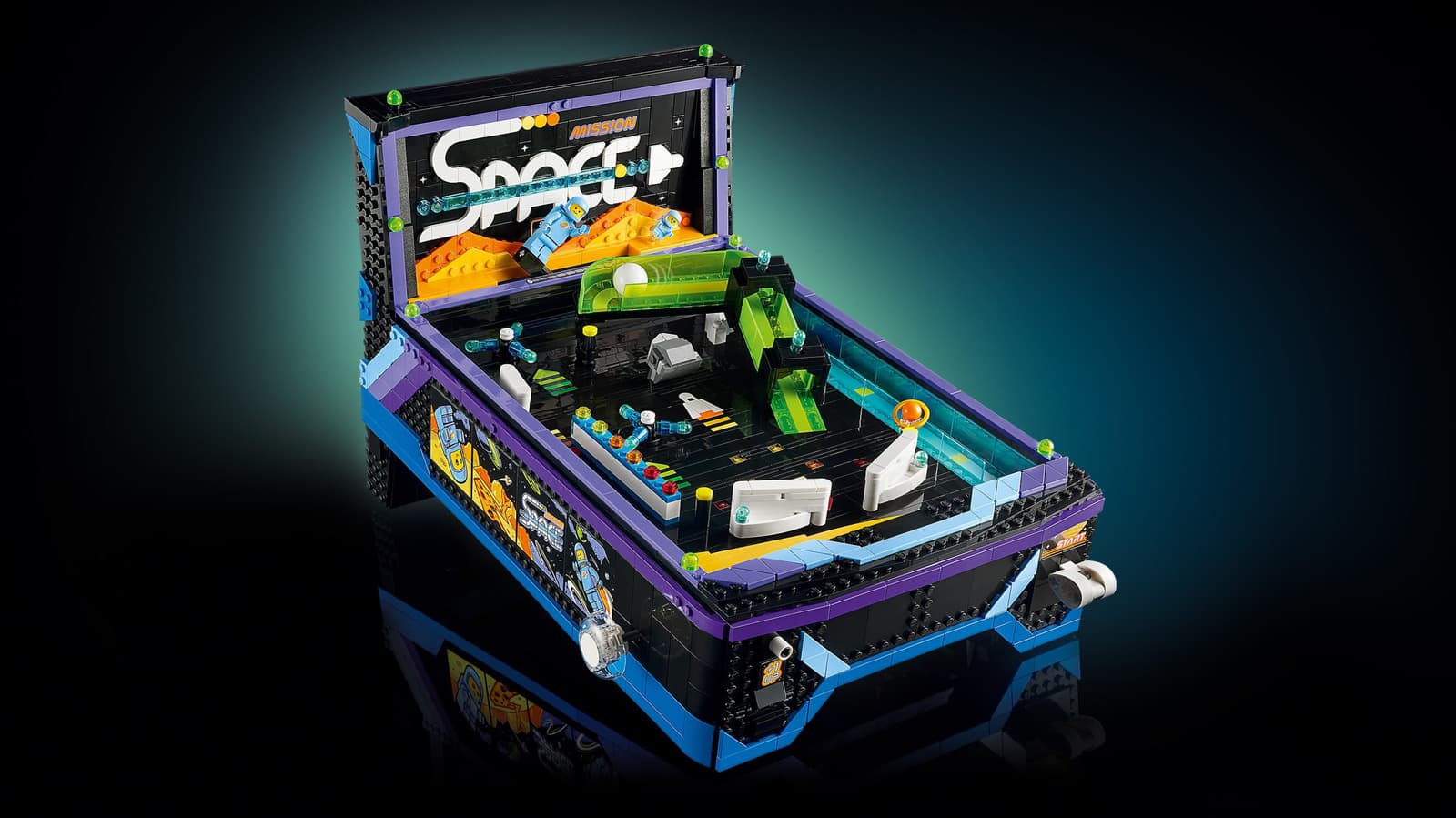
- Lego's first functional pinball machine features 2,274 pieces and mechanical gameplay with no electronics required
- The set costs $229.99 and launches July 1 for Lego Insiders, July 4 for general sale
- Classic Space theme includes a rare light blue astronaut minifigure, sparking nostalgia for 1980s Lego fans
Lego has built its first working pinball machine, a 2,274-piece set that uses spring-loaded mechanics and functional flippers rather than electronics. The Lego Icons Arcade Pinball Machine goes on sale July 1 for Lego Insiders at $229.99, with general availability starting July 4.
The set marks Lego's most ambitious mechanical playset to date. Unlike the company's Smart Brick-powered models, this pinball machine relies entirely on physical engineering: a spring-loaded ball launcher, spinning bumpers, and a ramp bridge that actually works when you pull the plunger and hit the flippers.
What's inside the Lego pinball machine set?
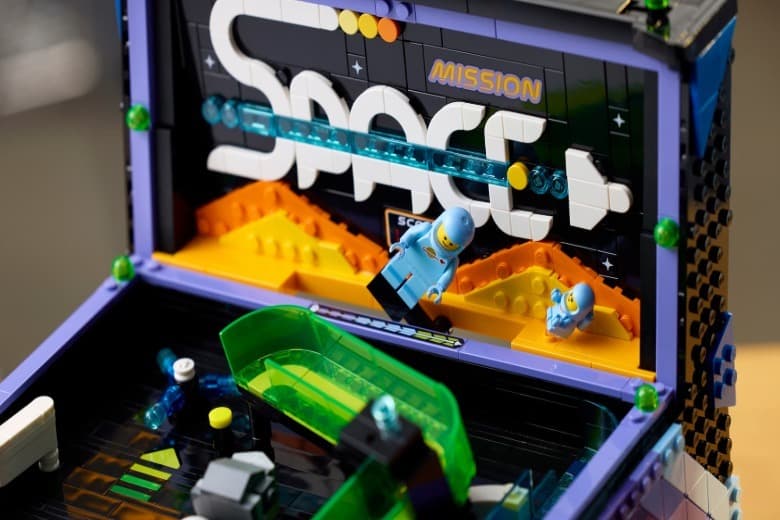
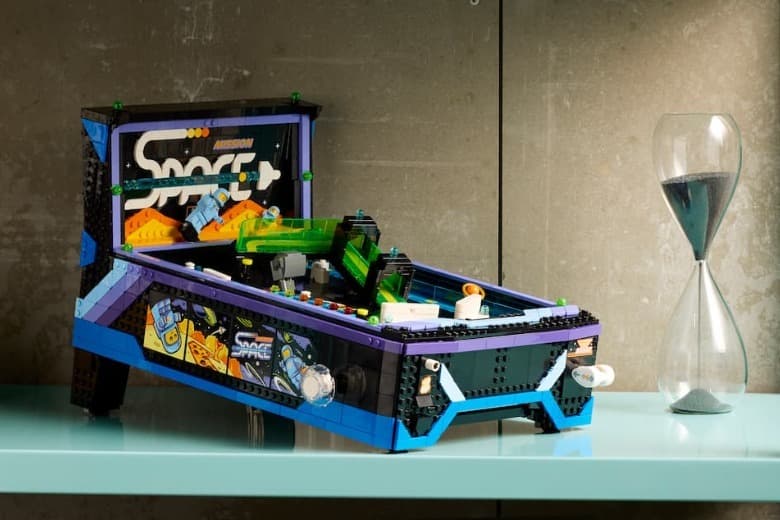
The set ships with everything needed to build a tabletop pinball machine standing 9.5 inches tall. That's compact enough to sit on a desk but large enough to actually play. The Classic Space theme runs through the entire design, from the cabinet graphics to the playfield obstacles.
Two minifigures come in the box: an astronaut and a baby astronaut. The gameplay loop, simple as it is, involves hitting an asteroid target to reunite them. The adult astronaut wears the rare light blue spacesuit that longtime Lego collectors associate with the original 1980s Space sets.
"We wanted to capture the magic of the arcade in a buildable format that challenges our fans' engineering skills while leaning into that deep, retro space nostalgia," a Lego Design Team representative said.
How does it compare to other Lego playsets?
Lego has released interactive sets before. The Pac-Man arcade machine let builders create a cabinet with a scrolling maze effect. But those sets were primarily display pieces with limited actual gameplay.
The pinball machine sits in an interesting middle ground. It functions as a real pinball game, but the lack of electronic scoring or sound effects limits replay value. Without a Smart Brick, there's no way to track points or add lights. That makes this more of a mechanical curiosity and shelf piece than something you'd play for hours.
For builders who struggle with complex sets, the Lego Builder app offers 3D assembly instructions. Given 2,274 pieces and what looks like intricate mechanical linkages, most people will appreciate the guided help.
Community reaction: praise and criticism
The announcement triggered strong reactions on Reddit's r/lego community. Many builders are thrilled by the Space Cadet aesthetic, which evokes both classic Lego sets and the Windows 3D Pinball game that shipped with Windows 95 through XP. The light blue astronaut has collectors excited, since that color rarely appears in modern sets.
But criticism has focused on one specific design choice: stickers. The playfield graphics use stickers rather than printed parts, a decision that sparks perennial debates in the Lego community. Stickers can bubble, peel, and misalign. On a $230 premium set aimed at adult collectors, many expected printed elements.
This isn't a dealbreaker for everyone. Some builders prefer stickers because they can choose not to apply them, creating a cleaner brick-only aesthetic. But for those who want the full arcade look without the anxiety of perfectly placing a dozen decals, the choice stings.
Should you buy it?
At $229.99, the Lego Icons Arcade Pinball Machine costs roughly 10 cents per piece, which falls within the expected range for Icons sets. You're paying for the mechanical complexity and the nostalgia factor, not raw brick value.
The set works best for two audiences: adult collectors who grew up with 1980s Lego Space sets and want a display piece with a conversation hook, and builders who enjoy mechanical challenges over pure aesthetics. If you want a functional toy your kids will play with repeatedly, the limited scoring mechanics make this a harder sell.
Logicity's Take
Lego's pinball machine signals a strategic bet on mechanical nostalgia over connected smarts. While competitors chase app integration and LEDs, this set proves complex physical engineering still commands premium prices from adult fans. The sticker controversy also highlights a tension Lego hasn't resolved: how much should premium sets cost before printed parts become standard? At $230, many collectors expected better.
Frequently Asked Questions
When does the Lego pinball machine release?
Lego Insiders can purchase it on July 1, 2026. General availability starts July 4, 2026.
Does the Lego pinball machine use batteries or electronics?
No. The set uses entirely mechanical components: a spring-loaded launcher, physical flippers, and spinning bumpers. There's no Smart Brick, lighting, or electronic scoring.
How many pieces are in the Lego Icons Arcade Pinball Machine?
The set contains 2,274 pieces and stands 9.5 inches tall when completed.
What minifigures come with the Lego pinball set?
Two minifigures are included: an astronaut in the rare light blue spacesuit and a baby astronaut. The Classic Space theme references 1980s Lego sets.
Does the Lego pinball machine have printed parts or stickers?
The playfield graphics use stickers rather than printed elements, which has drawn criticism from collectors who prefer printed parts on premium sets.
Another look at hardware innovations targeting premium consumer markets
Need Help Implementing This?
Looking for more coverage on premium tech products and collectibles? Subscribe to Logicity's newsletter for daily updates on launches that matter to builders, collectors, and tech enthusiasts.
Source: Engadget
Manaal Khan
Tech & Innovation Writer
Produced with AI assistance and reviewed by the Logicity editorial team. Learn more in our Editorial Policy.




