Key Takeaways
- Bank of Korea warns that massive chip worker bonuses at Samsung and SK hynix threaten national price stability
- IT sector special pay rose 60.6% year-over-year in Q1, versus 2.1% for all other sectors
- Some memory chip workers could collect close to $900,000 in bonuses next year on top of this year's payout
Two semiconductor companies now feature in South Korea's national monetary policy. The Bank of Korea called out Samsung Electronics and SK hynix by name in a June 17 price-stability report, warning that performance bonuses worth hundreds of thousands of dollars per worker could push wages higher across the entire economy and keep inflation above the central bank's 2% target.
The numbers are stark. Special pay in the IT sector jumped 60.6% year-over-year in the first quarter of 2025. Wage growth everywhere else? Just 2.1%. That 58.5 percentage point gap is wide enough to spook central bankers.
How big are these chip worker bonuses?
The AI memory boom has been very, very good to semiconductor workers in South Korea. SK hynix agreed last September to set aside 10% of its operating profit for worker bonuses. Samsung committed to 10.5% of its semiconductor operating profit after its union threatened an 18-day strike in May.
Translate those percentages into cash: a memory worker on a base salary of 80 million won ($52,400) stands to collect roughly 626 million won ($410,000) this year. SK hynix staff could receive more than 700 million won ($454,851) if the company reaches 250 trillion won in annual profit. And the forecast for next year is even larger. SK workers could see close to $900,000 on top of this year's haul.
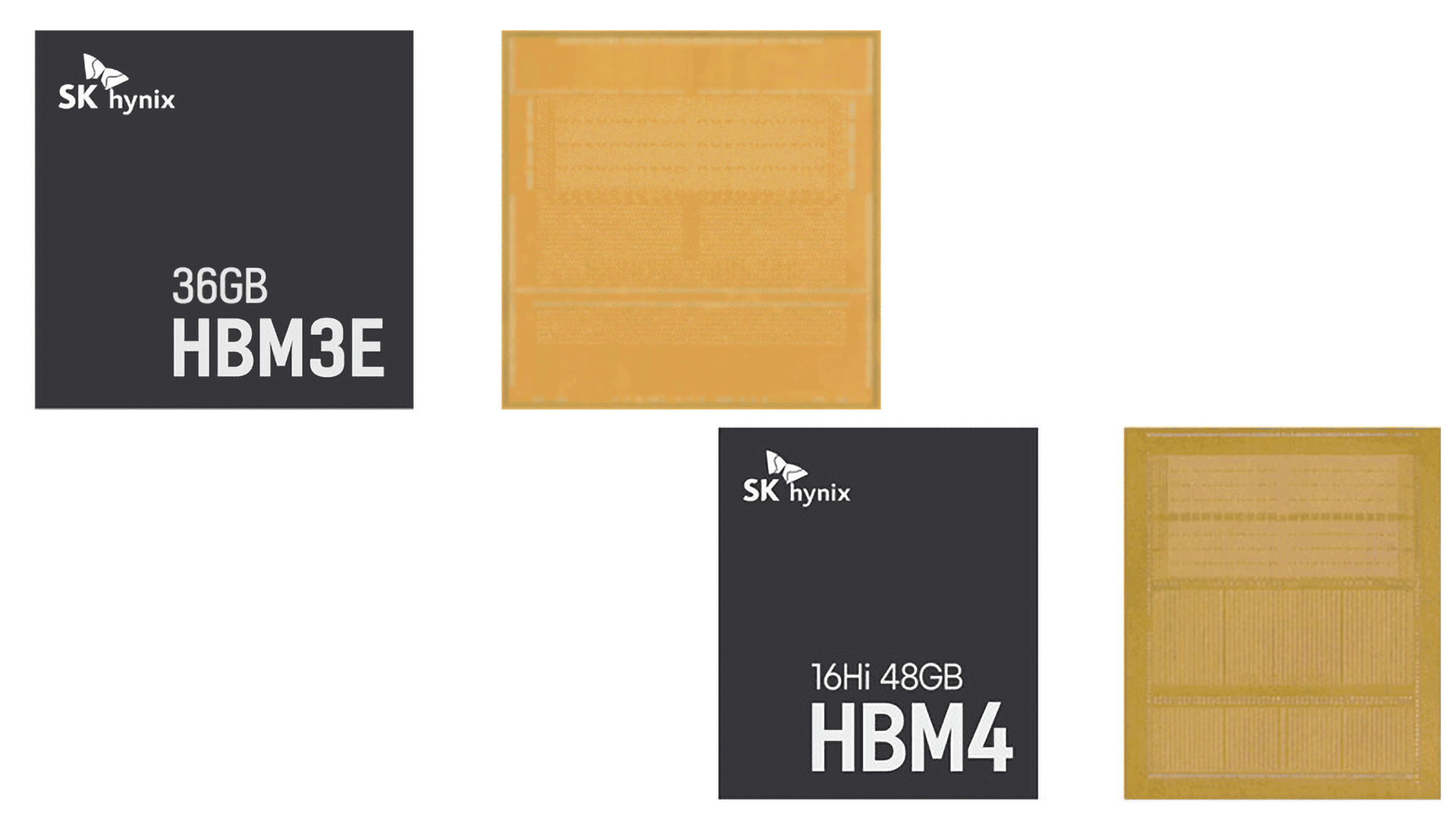
These payouts trace directly to the AI-driven memory supercycle. HBM demand for AI accelerators, the kind NVIDIA uses in its data center GPUs, has handed Samsung and SK hynix record operating profits. The profit-linked bonus deals convert that windfall into enormous personal payouts for workers in the companies' microchip divisions.
Why the Bank of Korea is worried about Samsung and SK hynix bonuses
Central banks care about wages because wages feed prices. The Bank of Korea modeled how concentrated payouts move the needle on inflation. When the share of firms paying top-10% bonuses rises, consumer prices climb 0.05 percentage points roughly five months later. This lag effect doesn't show up with broad, even wage increases. Concentrated windfalls at a handful of companies hit differently.
The bank held its benchmark rate at 2.50% in May and now projects full-year inflation of 2.7%, well above the 2% target. Governor Shin Hyun-song has said consumer prices should stay on a high upward path, with second-half headline inflation near 3%.
The spillover effects are already visible. Labor groups have cited the chip bonuses in minimum wage negotiations for next year. Card spending has risen fastest in Gyeonggi Province, the region surrounding both companies' fabs. Luxury sales in those districts have surged.
The 'national dividend' idea that spooked markets
Senior South Korean policymaker Kim Yong-beom rattled investors last month when he floated the idea of a "national dividend" in a Facebook post. His argument: gains from the AI infrastructure era were built on an industrial foundation the entire nation accumulated over half a century. If two companies capture most of those gains, perhaps the benefits should be shared more broadly.
Seoul officials quickly said the government had no such plans. But the fact that a senior policymaker raised the idea publicly signals how politically charged these bonuses have become. When a memory fab worker earns more in bonuses than most Koreans earn in a decade, the optics matter.
The HBM supercycle driving record profits
Samsung and SK hynix together control roughly 70% of the global DRAM market and an even larger share of high-bandwidth memory. South Korea produces about 80% of the world's HBM, the specialized memory that AI accelerators demand in massive quantities. When Jensen Huang needs memory for NVIDIA's latest chips, he calls Seoul.
DRAM and NAND contract prices have climbed through 2025 and into 2026 projections. AI data centers are consuming memory supply faster than manufacturers can expand capacity. For Samsung and SK hynix, this translates to operating profits large enough that 10% of them can make individual workers millionaires several times over.
The profit-sharing formulas made sense when unions negotiated them. Workers share in upside. Management gets labor peace. But nobody modeled what would happen when the upside turned into a supercycle. The bonuses are now large enough to affect national monetary policy.
What happens next?
The Bank of Korea has flagged the risk. It hasn't proposed a solution. Forcing private companies to restructure worker compensation would be politically explosive and legally fraught. But if the AI memory boom continues, and if bonuses keep climbing, the central bank may face an awkward choice: tolerate above-target inflation, or raise rates to cool an economy that's running hot partly because two companies are too profitable.
For now, the bonuses will flow. Samsung and SK hynix workers will spend. Luxury retailers in Gyeonggi Province will thrive. And the Bank of Korea will watch its inflation projections and wonder how long two chipmakers can remain a macroeconomic variable.
Logicity's Take
This is an unusual case of microeconomic success creating macroeconomic headaches. South Korea's semiconductor dominance, a strategic asset in the AI era, is producing concentrated wealth gains that ripple through the broader economy. The real question is whether other nations with chip ambitions should pay attention: if the U.S. CHIPS Act or European semiconductor investments succeed, similar wage dynamics could emerge in Chandler, Arizona or Dresden, Germany. Extreme industry concentration cuts both ways.
Frequently Asked Questions
How much are Samsung and SK hynix chip workers earning in bonuses?
Workers at Samsung could earn roughly $410,000 in bonuses this year on top of a $52,400 base salary. SK hynix workers could receive over $454,000 this year, with projections reaching nearly $900,000 next year if profit targets are met.
Why is the Bank of Korea concerned about semiconductor bonuses?
The central bank found that concentrated bonus payouts at top-paying firms increase consumer prices by 0.05 percentage points about five months later. With IT sector special pay up 60.6% while other sectors grew 2.1%, the gap is large enough to push national inflation above the 2% target.
What is driving Samsung and SK hynix's record profits?
The AI boom has created unprecedented demand for high-bandwidth memory (HBM) chips used in AI accelerators. South Korea produces about 80% of global HBM, giving Samsung and SK hynix pricing power and record operating profits.
What was the 'national dividend' proposal that spooked markets?
Senior policymaker Kim Yong-beom suggested in a Facebook post that AI-era gains should be shared more broadly since they were built on national industrial investment over 50 years. Seoul officials quickly denied any government plans to implement such a policy.
Need Help Implementing This?
Understanding how semiconductor supply chains and AI infrastructure investments affect your business strategy requires expert guidance. Contact Logicity for insights on navigating the evolving tech landscape and its economic implications.
Source: Latest from Tom's Hardware
Huma Shazia
Senior AI & Tech Writer
Produced with AI assistance and reviewed by the Logicity editorial team. Learn more in our Editorial Policy.