Key Takeaways
- Stockholm court awards Klarna's PriceRunner subsidiary $1.97 billion in antitrust damages against Google
- The ruling builds on the EU's 2017 €2.42 billion fine against Google for favoring its own comparison shopping service
- Klarna acquired PriceRunner in 2022 for $700 million, adding price comparison to its buy-now-pay-later app
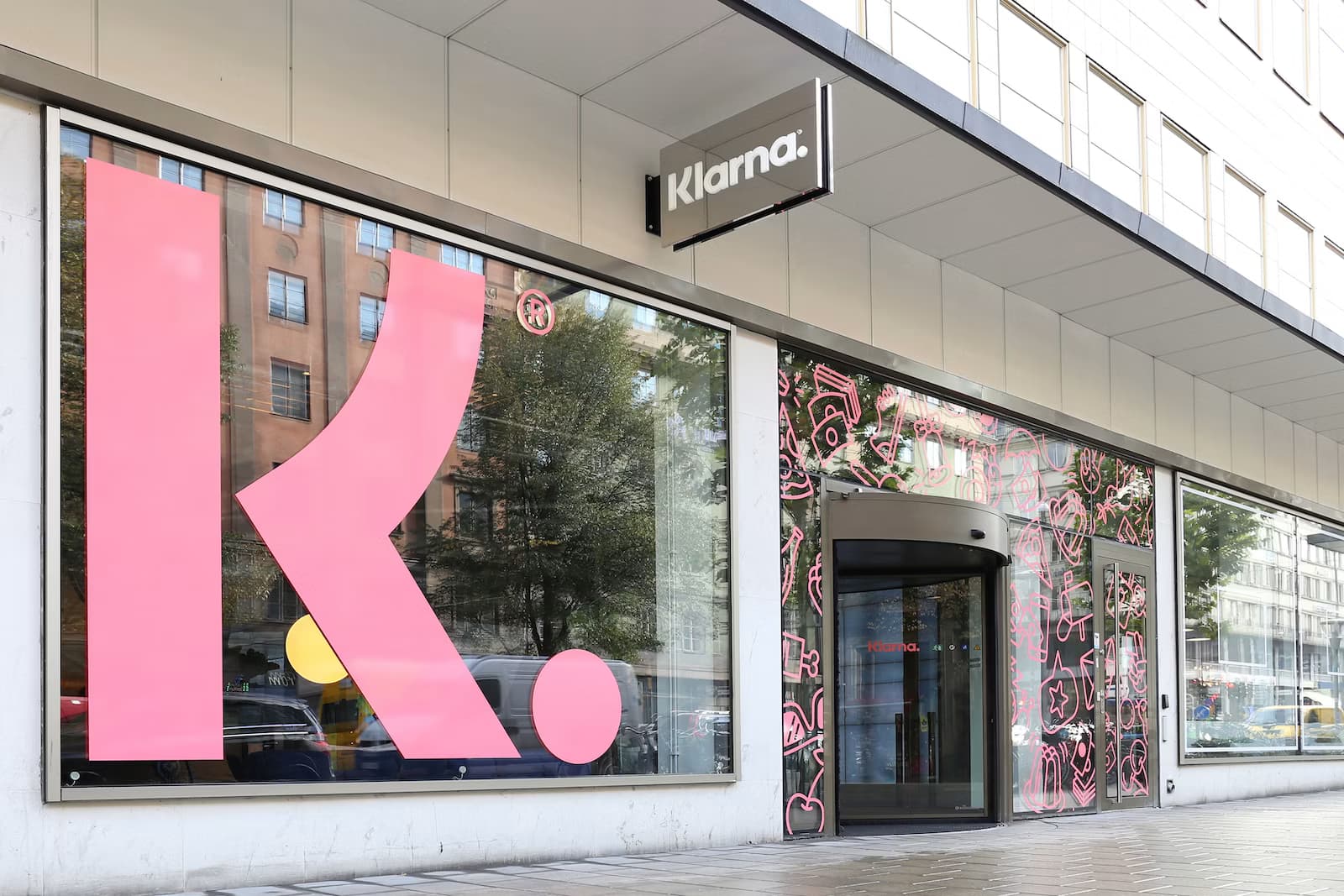
Klarna just secured one of the largest antitrust payouts in European fintech history. A Stockholm court ordered Google to pay $1.97 billion in damages to PriceRunner, the price comparison service Klarna acquired in 2022. The ruling centers on Google's practice of promoting its own shopping comparison tools while burying independent competitors in search results.
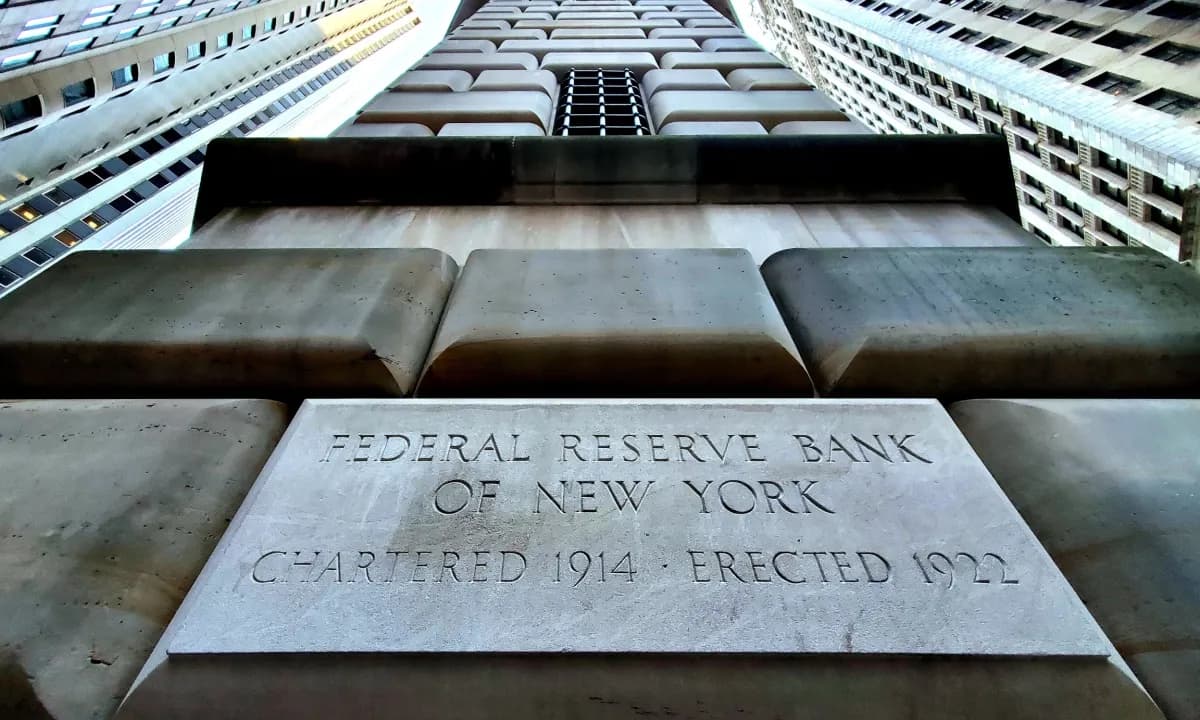
The decision from Sweden's Patent and Market Court follows a legal path carved out by the European Commission in 2017, when regulators hit Google with a €2.42 billion fine for the same behavior. That original ruling gave competitors like PriceRunner the legal footing to pursue private damages claims.
What did Google do wrong?
PriceRunner's complaint alleged that Google systematically favored its own comparison shopping service in search results. When users searched for products, Google placed its Shopping results in prominent positions with images and pricing, while independent comparison sites were demoted to standard blue links further down the page.
The effect was predictable. Traffic to independent comparison sites dropped. PriceRunner claimed it lost significant revenue as a direct result. The company also argued that consumers paid higher prices because they couldn't easily find better deals on competing platforms.
"This ruling supports a healthier, more competitive market for the way people compare products and services, and that is good for everyone who shops," said Dan Greaves, Klarna's head of communications and policy.
Why Klarna bought a price comparison site
Klarna paid $700 million for PriceRunner in May 2022. At the time, the acquisition seemed like a strategic play to expand beyond payments. Klarna wanted to own more of the shopping journey, not just the checkout. Adding product discovery, reviews, and price comparison to its app made the service stickier for its 150 million global users.
The lawsuit was already in progress when Klarna bought PriceRunner. Whether the potential damages factored into Klarna's acquisition price is unclear, but a $1.97 billion award on a $700 million purchase looks like a windfall.
Google's likely response
Google has consistently appealed antitrust rulings in Europe. The company challenged the EU Commission's 2017 Shopping decision and has fought similar cases across multiple jurisdictions. An appeal of this Swedish ruling is expected.
The tech giant commands over 90% of the European search market. That dominance puts it under constant regulatory scrutiny. Beyond the Shopping case, Google faces ongoing EU investigations into its advertising technology business and has already paid billions in fines related to Android and AdSense practices.
What this means for startups competing with platform giants
The Klarna ruling is part of a broader pattern. European courts and regulators have grown increasingly willing to penalize dominant platforms for self-preferencing. Apple faces similar scrutiny over App Store practices. Amazon has been investigated for using seller data to compete with third-party merchants.
For startups building products that compete with services offered by Google, Apple, or Amazon, the legal environment has shifted. Pursuing antitrust claims is expensive and slow, but the payouts can be substantial. PriceRunner filed its original complaint in 2010. Fourteen years later, the company is set to collect nearly $2 billion.
Logicity's Take
This verdict hands Klarna a war chest at an interesting moment. The company has been cutting costs and pushing toward profitability ahead of its anticipated IPO. Nearly $2 billion in damages, if the award survives appeal, changes the calculus for acquisition targets and product expansion. For founders building services that get buried by platform incumbents, the ruling is a reminder that EU competition law has teeth. The legal process is glacial, but the payouts increasingly justify the fight.
Frequently Asked Questions
How much did Klarna win in its antitrust case against Google?
The Stockholm Patent and Market Court awarded Klarna's PriceRunner subsidiary $1.97 billion in antitrust damages.
Why did PriceRunner sue Google?
PriceRunner alleged that Google gave preferential treatment to its own comparison shopping service in search results, which caused PriceRunner to lose revenue and drove up costs for consumers.
When did Klarna acquire PriceRunner?
Klarna acquired PriceRunner in May 2022 for approximately $700 million to add product discovery, reviews, and price comparison to its app.
Will Google appeal the Klarna antitrust ruling?
Google has consistently appealed antitrust rulings in Europe, including the EU Commission's 2017 Shopping decision. An appeal of this Swedish ruling is widely expected.
How does this ruling relate to the EU's 2017 Google Shopping fine?
The EU Commission fined Google €2.42 billion in 2017 for the same anti-competitive behavior. That ruling established the legal precedent that enabled PriceRunner to pursue private damages in Swedish court.
Another major funding milestone in the startup ecosystem
Need Help Implementing This?
If you're a startup founder navigating competitive dynamics with platform giants, Logicity covers the regulatory and strategic developments that matter. Subscribe to our newsletter for weekly analysis on tech policy, funding, and market shifts.
Source: Sifted
Manaal Khan
Tech & Innovation Writer
Produced with AI assistance and reviewed by the Logicity editorial team. Learn more in our Editorial Policy.