Key Takeaways
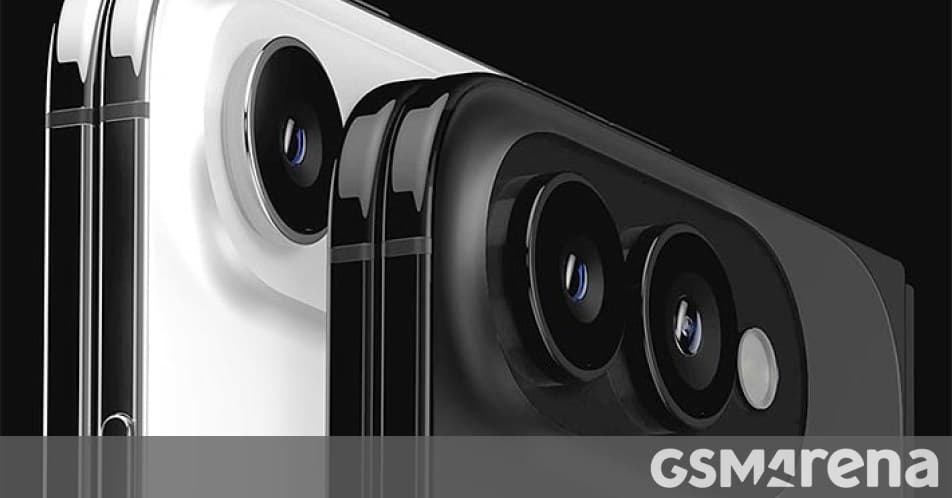
- Apple has reportedly started work on iPhone Ultra 2, expected alongside iPhone 18 Pro in September
- The iPhone Air 3 may be cancelled entirely if iPhone Air 2 underperforms
- iPhone Ultra 2 will allegedly use the same wide folding screen as the first-generation model
Apple has reportedly greenlit the iPhone Ultra 2 before the first-generation foldable even reaches customers. The claim comes from Digital Chat Station, a prolific leaker on Weibo, who suggests development has already begun on the successor while the original iPhone Ultra remains months from its expected September debut.
The move mirrors how streaming services sometimes renew shows before season one airs. Apple would know that playbook well, given its investment in Apple TV+. But applying it to hardware, particularly an unproven foldable phone line, signals unusual confidence in a product category where Apple is a latecomer.
What do we know about iPhone Ultra 2?
According to the leak, iPhone Ultra 2 will retain the same wide folding screen as its predecessor. Digital Chat Station suggests Apple may use the exact same panel from the first-generation model. That's a practical choice. Display technology for large foldables is expensive to develop and manufacture. Reusing a proven panel lets Apple iterate on other components, software, and overall refinement without gambling on an untested screen.
The iPhone Ultra 2 is expected to launch in September alongside the iPhone 18 Pro and iPhone 18 Pro Max. That timeline puts it roughly one year after the original iPhone Ultra, matching Apple's typical annual upgrade cycle for flagship devices.
What "confirmed" actually means here remains unclear. The leak doesn't specify whether Apple has signed off on final specifications, begun component orders, or simply approved the project for continued development. Any of these interpretations would explain the phrasing.
iPhone Air 3 faces uncertain future
The same leak paints a less optimistic picture for Apple's thin phone line. According to Digital Chat Station, work on iPhone Air 3 has not started. The device's existence depends entirely on how well iPhone Air 2 sells.
iPhone Air 2 is expected to arrive next spring alongside the standard iPhone 18 and iPhone 18e. If sales disappoint, Apple may cancel the Air family altogether. That's a notable contrast to the Ultra line, which Apple appears willing to nurture regardless of immediate commercial performance.
The difference in treatment makes strategic sense. Foldables represent a new product category where Apple needs to establish a foothold. Samsung has dominated this space since 2019 with the Galaxy Z Fold and Z Flip lines. Apple can't afford to abandon foldables after one generation without conceding the category permanently.
The Air line, by contrast, competes in a crowded thin-phone segment where Apple already sells premium devices. If customers don't want a thinner iPhone badly enough to pay for it, Apple loses little by walking away.
Another major smartphone leak pointing to 2026 flagship plans
Why Apple is betting big on foldables
Apple spent $29.5 billion on R&D in fiscal 2023, a record for the company. A portion of that budget has gone toward foldable development, which analysts expect will finally bear fruit this year. The company rarely enters a market first. But when it does enter, it typically aims to define the category rather than follow existing conventions.
Positioning the foldable as "Ultra" rather than "Fold" or "Flex" suggests Apple plans to sell it as a tier above Pro Max, similar to how Apple Watch Ultra sits above the standard Apple Watch. Analysts have predicted pricing between $1,899 and $2,499, competitive with Samsung's Galaxy Z Fold line.
Committing to a second-generation device before the first ships reduces risk for suppliers and manufacturing partners. It signals long-term intent, which can improve pricing and capacity agreements. Apple has roughly 1.2 billion active iPhone users worldwide. Even modest foldable adoption from that base would represent a substantial market.
The reliability question
Digital Chat Station has a mixed track record. The leaker has correctly predicted several Apple and Android device details but has also been wrong. Weibo leakers operate in a different information ecosystem than Western analysts like Ming-Chi Kuo or Bloomberg's Mark Gurman. Corroboration from multiple sources would strengthen this claim considerably.
Still, the underlying logic holds. Apple would be foolish to treat its foldable debut as a one-off experiment. The company's entry into foldables validates the category for mainstream consumers who have hesitated to buy Samsung or other Android foldables. Walking away after one generation would damage Apple's credibility in future emerging categories.
Frequently Asked Questions
When will iPhone Ultra 2 be released?
According to the leak, iPhone Ultra 2 is expected to launch in September alongside iPhone 18 Pro and iPhone 18 Pro Max, roughly one year after the original iPhone Ultra.
Will iPhone Air 3 be cancelled?
The leak suggests iPhone Air 3 has not entered development and its future depends entirely on iPhone Air 2 sales. If that device underperforms, Apple may discontinue the Air line.
How much will iPhone Ultra cost?
Analysts have predicted pricing between $1,899 and $2,499 for the first-generation iPhone Ultra, positioning it above the Pro Max tier.
What screen will iPhone Ultra 2 use?
The leak claims iPhone Ultra 2 will use the same wide folding screen as the first-generation model, possibly the exact same panel.
Logicity's Take
The asymmetry between Ultra and Air treatment reveals Apple's priorities. Foldables are a strategic necessity where Apple will accept short-term losses to establish market position. The Air line is a nice-to-have. This framing also manages expectations: if iPhone Air 2 flops, Apple has already signaled it might exit. That's damage control in advance.
Need Help Implementing This?
Building a mobile strategy for 2026 and beyond? Logicity helps technology leaders navigate hardware transitions and platform shifts. Contact us for strategic consulting on device roadmaps and ecosystem planning.
Source: GSMArena.com / Vlad
Huma Shazia
Senior AI & Tech Writer
Produced with AI assistance and reviewed by the Logicity editorial team. Learn more in our Editorial Policy.