Key Takeaways
- iPhone 18 reportedly gets 12GB RAM, double the iPhone 17's 8GB, to run advanced Siri AI features locally
- Apple may absorb increased RAM costs, keeping the base iPhone 18 at $799
- iPhone 17 owners will miss iOS 27's most demanding AI features due to insufficient memory
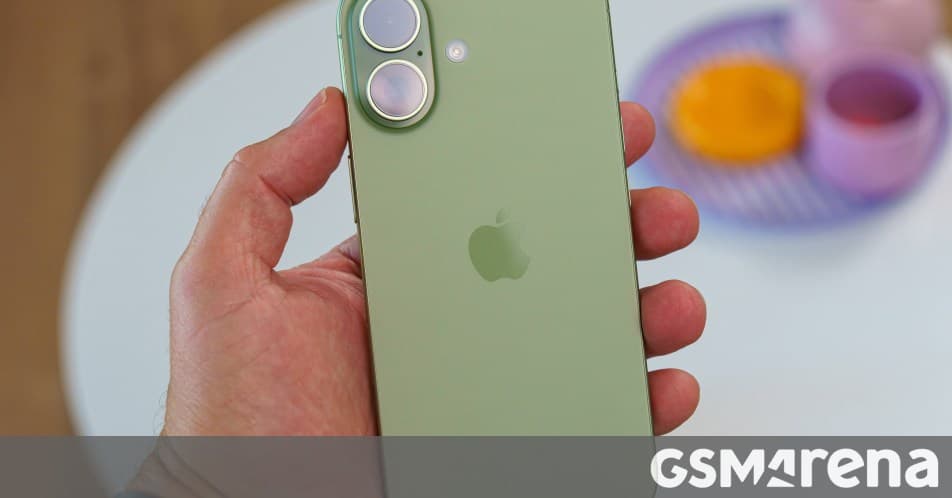
Apple's iPhone 18 will ship with 12GB of RAM, according to a new Taiwan supply chain report that corroborates earlier leaks dating back to October 2025. The upgrade from the iPhone 17's 8GB is driven by one thing: Siri's next-generation on-device AI, which requires a minimum 12GB memory floor to run its most demanding features.
The better news? Apple is reportedly eating the cost of elevated RAM prices rather than passing them to buyers. If accurate, the base iPhone 18 will launch at $799, the same as the iPhone 17.
Why does Siri need 12GB of RAM?
iOS 27, expected in fall 2027, brings a rebuilt Siri with generative voice capabilities. Users will get expressive, customizable voices via personality sliders, plus what Apple describes as major accuracy improvements to system-wide dictation. These features run the most powerful on-device AI model Apple has built to date.
The catch: that model demands 12GB of RAM at minimum. iPhone 17 owners will be locked out of these headline features when iOS 27 drops because the device ships with only 8GB. This creates an unusual situation where a phone released in 2026 cannot run the flagship software feature released just one year later.
Hardware analyst Ming-Chi Kuo has separately noted that Apple is transitioning to LPDDR5X RAM for its next-generation on-device AI requirements. The shift aligns with Apple's broader privacy strategy of processing sensitive queries locally rather than in the cloud.
How is Apple holding the $799 price?
DRAM prices have climbed throughout 2025 and 2026, raising expectations that Apple would bump iPhone pricing to protect margins. Instead, the company appears willing to absorb the cost increase.
The strategy makes sense competitively. At $799, the base iPhone 18 would undercut several flagship Android phones while offering double the RAM of its predecessor. Apple has historically let margins flex slightly during memory price spikes, betting on volume and ecosystem lock-in to compensate.
The decision also sidesteps a PR problem. Announcing a price hike alongside a RAM increase would invite direct comparisons to Android phones that have shipped 12GB or 16GB for years. By holding the line, Apple frames the upgrade as value-add rather than catch-up.
iPhone 18 lineup and launch timing
Apple is reportedly splitting its 2027 iPhone launches across two seasons. The Pro models, iPhone 18 Pro, iPhone 18 Pro Max, and a new iPhone Ultra, arrive in September 2026 with the company's annual fall event. The standard iPhone 18 and iPhone 18e follow in spring 2027, possibly alongside an iPhone Air 2.
This staggered approach gives Apple two major product moments per year and may help manage supply chain constraints for the 2nm A20 chip expected in the Pro lineup.
Is 12GB a real requirement or planned obsolescence?
Online discussion has been predictably skeptical. Threads on Reddit's r/Apple and Hacker News debate whether 12GB is a genuine technical threshold or a convenient way to push iPhone 17 owners toward an upgrade cycle.
The skeptics have a point. Apple could, in theory, run a lighter AI model on 8GB with some feature compromises. But the company has historically preferred to gate features by hardware rather than offer degraded experiences. The pattern holds here: if you want the full Siri rebuild, you need the new phone.
Enthusiasts counter that on-device large language models genuinely consume significant memory, especially when running alongside other apps. A 12GB floor keeps headroom for multitasking without constant model unloading.
Microsoft's latest Surface devices also prioritize on-device AI with upgraded Snapdragon silicon.
What this means for iPhone 17 buyers
If you bought or plan to buy an iPhone 17, the calculus is straightforward. You will get iOS 27, and most features will work. But the showcase Siri capabilities, expressive voices, personality customization, improved dictation, will require an iPhone 18 or later.
Whether that matters depends on how central voice interaction is to your workflow. For users who rarely touch Siri, the 8GB phone remains perfectly functional. For those who rely on dictation or want Apple's latest AI tricks, the writing is on the wall.
Frequently Asked Questions
How much RAM will the iPhone 18 have?
The iPhone 18 is expected to ship with 12GB of RAM, double the 8GB found in the iPhone 17.
Will the iPhone 18 cost more than the iPhone 17?
Current leaks suggest Apple will hold the $799 base price despite higher RAM costs.
Why can't iPhone 17 run the new Siri AI features?
The advanced on-device AI model in iOS 27 requires a minimum of 12GB RAM, which the iPhone 17's 8GB cannot provide.
When does the iPhone 18 launch?
The standard iPhone 18 and iPhone 18e are expected in spring 2027, while Pro models arrive in September 2026.
Logicity's Take
Apple is doing something unusual here: admitting upfront that a current-generation product won't run next year's headline feature. That's either refreshing transparency or a calculated push to accelerate upgrade cycles. Either way, the 12GB floor sets a new baseline for premium smartphones in 2027. Android OEMs already there can position themselves as AI-ready; those still shipping 8GB flagships will face awkward comparisons.
Need Help Implementing This?
For enterprise guidance on mobile device strategy, AI integration, or hardware refresh planning, reach out to the Logicity team at contact@logicity.in.
Source: GSMArena.com / Vlad
Huma Shazia
Senior AI & Tech Writer
Produced with AI assistance and reviewed by the Logicity editorial team. Learn more in our Editorial Policy.