Key Takeaways
- iOS 27 extends support to iPhone 11 series, marking six years of updates for 2019 hardware
- macOS 27 Golden Gate completely drops Intel Mac support, requiring Apple Silicon
- Advanced Siri AI features limited to devices with M3/A17 Pro chips and 12GB unified memory
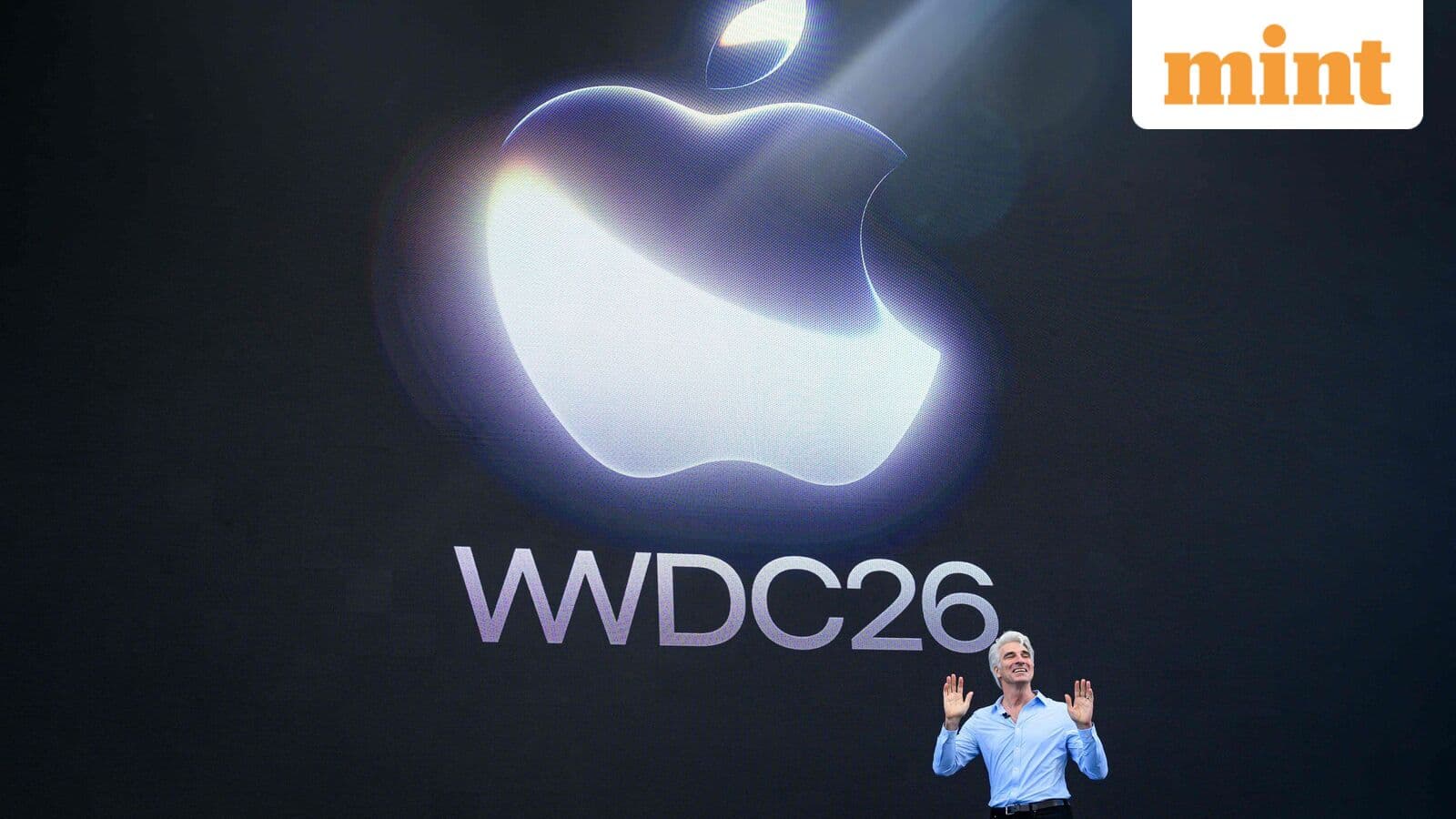
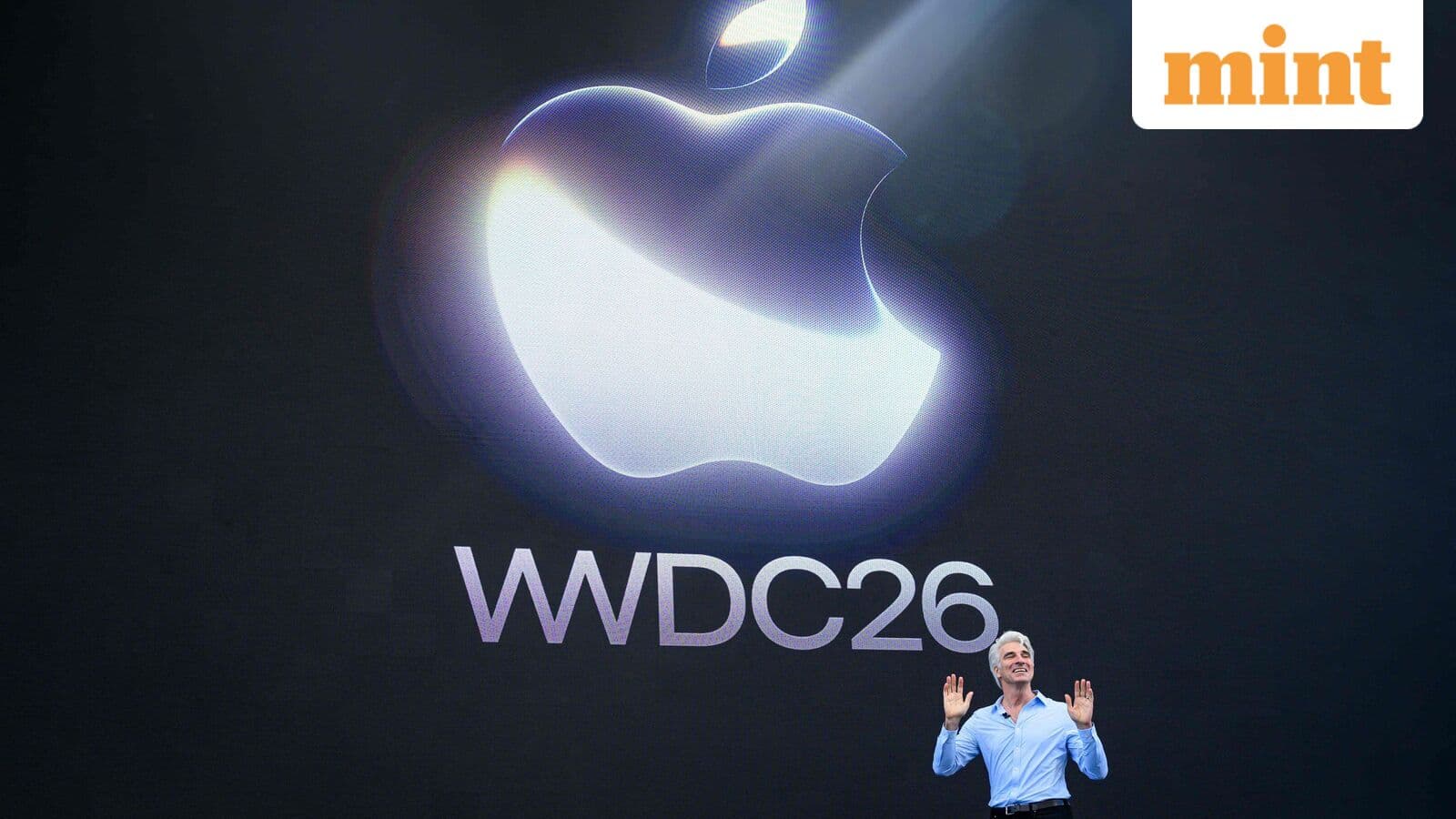
Apple confirmed at WWDC 2026 that every iPhone running iOS 26 will also run iOS 27. The iPhone 11 series, now approaching its sixth year, makes the cut. But the real news is what Apple left behind: macOS 27 Golden Gate officially ends support for every Intel-based Mac.
The company's compatibility announcements split neatly into two camps. Legacy hardware gets the software update, the new Liquid Glass design language, and basic features. But advanced Apple Intelligence capabilities, including the overhauled Siri AI, require recent silicon with at least 12GB of unified memory.
Which iPhones and iPads support iOS 27 and iPadOS 27?
Apple kept the compatibility floor where it was. The iPhone 11, iPhone 11 Pro, and iPhone 11 Pro Max from 2019 all qualify for iOS 27. This means roughly 1.4 billion active iPhone devices running iOS 26 will be eligible for the upgrade when it ships this fall.
Six years of major OS updates for a single device generation is notable. Most Android flagships receive three to four years of support. Apple's extended lifecycle gives the iPhone 11 lineup software parity with phones released half a decade later, at least for core functionality.
iPadOS 27 follows a similar pattern. All iPads that ran iPadOS 26 will receive the new version. However, the M4-powered iPads and newer models with at least 12GB unified memory get exclusive access to the full Apple Intelligence suite.
macOS 27 Golden Gate: Intel Macs are done
The macOS story is different. Apple is finalizing its transition away from Intel processors, and Golden Gate draws a hard line. Only Apple Silicon Macs qualify.
John Ternus, Apple's Senior Vice President of Hardware Engineering, framed the decision in architectural terms: "With Golden Gate, we are finalizing the transition to a fully unified, silicon-first ecosystem, ensuring that every macOS user experiences the full power of Apple Intelligence."
The supported Mac lineup includes:
- MacBook Pro M5/M5 Pro/M5 Max (14-inch and 16-inch, 2024)
- MacBook Pro M3/M3 Pro/M3 Max (14-inch and 16-inch, 2023)
- MacBook Pro M1 Pro/M1 Max (14-inch and 16-inch, 2021)
- All other Apple Silicon Macs from the M1 generation onward
Apple estimates 93% of current Mac users on Apple Silicon will be able to upgrade on launch day. The remaining 7%, still on Intel machines from 2020 or earlier, will stay on macOS 26 indefinitely.
Apple faces regulatory scrutiny in Europe over its software ecosystem policies
What hardware do you need for the new Siri AI?
The next-generation Siri was one of WWDC's headline features. It runs on-device, handles multi-step tasks, and integrates deeply with Apple Intelligence. It also requires specific hardware.
On iPhone, you need an iPhone 17 Pro, iPhone 17 Pro Max, or iPhone Air. On iPad, you need an M4-powered model or newer with at least 12GB unified memory. On Mac, you need an M3 or later chip, again with 12GB minimum.
The 12GB threshold matters. Earlier M-series Macs and iPads with 8GB configurations will receive iOS 27, iPadOS 27, and macOS 27 Golden Gate. They will not receive the full Apple Intelligence feature set. This creates a two-tier experience within the same operating system version.
Liquid Glass: more than a visual refresh
Craig Federighi called Liquid Glass "the most significant architectural overhaul of our UI since the move to flat design in 2013." The design language introduces translucent, depth-aware interface elements across iOS 27, iPadOS 27, macOS 27, and watchOS 27.
Unlike previous visual updates, Liquid Glass appears to require computational overhead that older hardware handles differently. Apple has not detailed whether Liquid Glass features will be scaled back on older devices, but the pattern from recent years suggests some visual effects may be simplified on A13-era chips.
watchOS 27 requirements
watchOS 27 requires pairing with an iPhone 11 or newer running iOS 27. Apple Watch compatibility details were not fully disclosed in the keynote, but the pairing requirement means anyone on an iPhone XS or older will need to upgrade their phone before updating their watch.
Logicity's Take
Apple is betting that on-device AI is compelling enough to drive hardware upgrades. The 12GB memory requirement for full Apple Intelligence creates a clear upsell path: you can stay on your current device and get the new look, or buy new hardware and get the new brain. This is deliberate product segmentation, not technical necessity. Expect the next iPhone SE and entry-level iPads to conveniently ship with exactly the specs required for Apple Intelligence.
The community response
Discussions on Reddit's r/apple and HackerNews have been sharp. Users appreciate the continued iOS support for older iPhones, but the strict hardware limits for Apple Intelligence features drew criticism. Some called it "aggressive obsolescence." Others pointed out that a 2021 MacBook Pro with 16GB unified memory can run the new Siri, but a 2020 Intel MacBook Pro with 64GB of RAM cannot run macOS 27 at all.
The frustration is understandable. Intel Mac owners bought machines Apple sold as premium products. Those machines are now three major releases from their last supported OS, which will likely arrive in 2027 or 2028.
Frequently Asked Questions
Will my iPhone 11 get all iOS 27 features?
iPhone 11 will receive iOS 27 and the Liquid Glass design, but advanced Apple Intelligence features, including the new Siri AI, require an iPhone 17 Pro, iPhone 17 Pro Max, or iPhone Air.
Can I install macOS 27 Golden Gate on an Intel Mac?
No. macOS 27 Golden Gate requires Apple Silicon. All Intel-based Macs are excluded from this update.
What is the memory requirement for Apple Intelligence?
Full Apple Intelligence features require at least 12GB of unified memory on M3 or newer Macs, and M4 or newer iPads.
Does watchOS 27 work with older iPhones?
watchOS 27 requires pairing with an iPhone 11 or newer running iOS 27. Older iPhones cannot pair with watches running the new OS.
When will iOS 27 and macOS 27 be released?
Apple typically releases major OS updates in September following WWDC announcements. Expect public availability in fall 2026.
Need Help Implementing This?
Planning device upgrades or enterprise rollout for the new Apple OS versions? Logicity's consulting team can help you assess compatibility across your fleet and build a migration timeline. Get in touch at consulting@logicity.in.
Source: mint
Huma Shazia
Senior AI & Tech Writer
Produced with AI assistance and reviewed by the Logicity editorial team. Learn more in our Editorial Policy.




