Key Takeaways
- Italy's competition authority AGCM has opened the first national investigation under EU Digital Markets Act powers, targeting Apple's iCloud practices
- The regulator alleges Apple blocks competitors like Google Drive and OneDrive from accessing full device backup features available to iCloud
- Apple faces potential fines of up to 10% of global revenue if found in violation, with findings to be submitted to the EU Commission
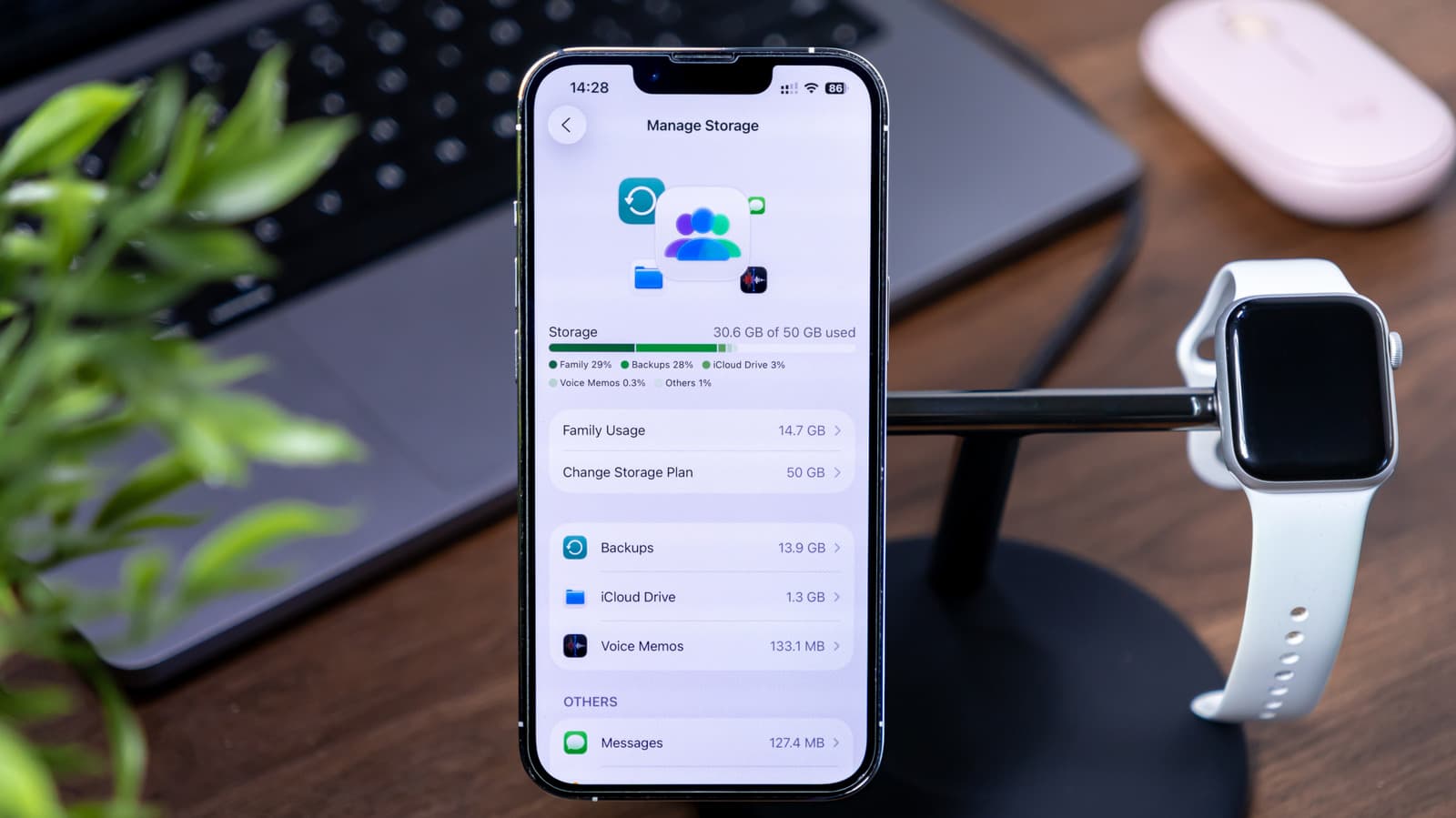
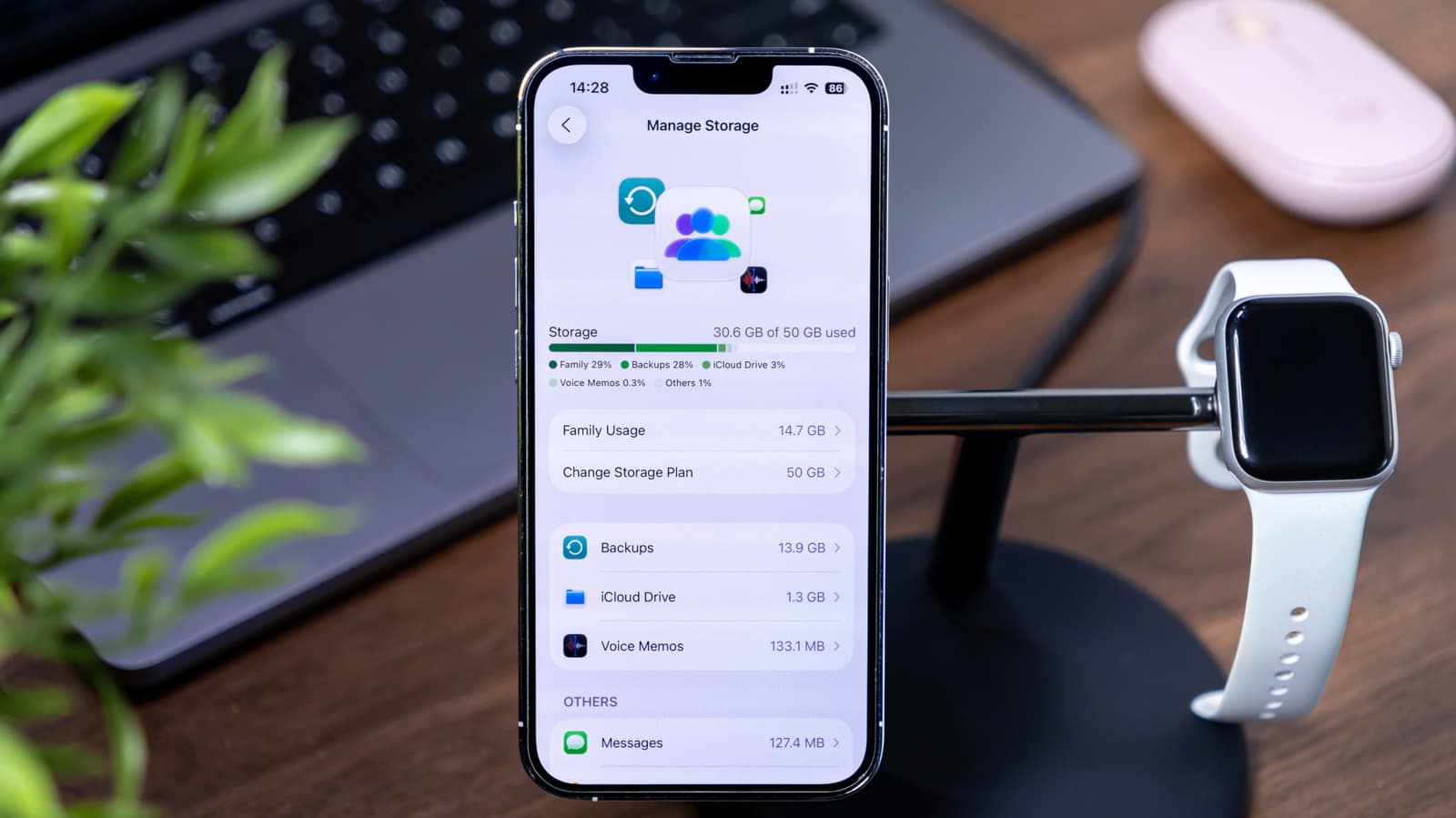
Italy's competition authority has opened a formal investigation into Apple, alleging the company illegally restricts third-party cloud services from accessing the same iOS features that iCloud enjoys. The probe, announced by the AGCM on June 16, marks the first time a national regulator has used powers granted under the EU's Digital Markets Act to investigate Apple directly.
At the center of the complaint: device backups. Apple allows iCloud to perform full backups of iPhones and iPads, but the AGCM claims competitors like Google Drive and Microsoft OneDrive cannot access the same system-level features. If true, this would violate Article 6(7) of the DMA, which requires designated "gatekeepers" to provide equal access to operating system functionality.
What exactly is Italy accusing Apple of?
The AGCM's statement is specific. The regulator says it has evidence that third-party cloud providers cannot use iOS and iPadOS features that enable users to perform a complete backup of their device data. These same features, the authority notes, work fine for iCloud.
“It appears that Apple does not allow alternative cloud storage services to use the iOS and iPadOS features enabling end users to perform a full backup of their devices' data, while those same features are available to Apple's iCloud.”
— AGCM, Italy's digital authority
This is not about whether Google Drive or OneDrive can store files from an iPhone. They can. The issue is system-level access: app data, settings, health information, and the complete device state that only iCloud can currently capture. If you want to switch from iPhone to iPhone without losing anything, you need iCloud. That is the lock-in Italy wants to break.
How does the Digital Markets Act enforcement work?
The DMA designated Apple as a "gatekeeper" in September 2023, alongside Google, Meta, Amazon, Microsoft, and ByteDance. Once designated, gatekeepers must comply with a set of interoperability and fair-access rules. National competition authorities like the AGCM can investigate potential violations, but final enforcement power rests with the European Commission in Brussels.
Italy will submit its findings to the Commission, which then decides whether to pursue penalties. The process could take months. But the AGCM's probe sets a precedent: national regulators are not waiting for Brussels to act first.
Apple's likely defense: privacy and security
Apple has not commented on the Italian investigation. But the company's playbook is well established. When EU regulators push for openness, Apple pushes back on security grounds.
Just last month, Apple delayed its Siri AI features in Europe indefinitely. The reason, according to senior VP Craig Federighi, was the EU's "refusal to engage constructively on solutions that preserve privacy and security." The company has made similar arguments about App Store sideloading, browser engine requirements, and NFC payment access.
Expect the same framing here. Full device backups contain sensitive data: passwords, health records, financial information. Apple will argue that opening backup APIs to third parties creates attack surfaces. Whether EU regulators accept that argument is another matter.
Why this matters beyond Europe
The DMA is the most aggressive attempt by any major jurisdiction to force interoperability on big tech platforms. If the EU succeeds in making Apple open its backup systems, other regulators will take notice. Japan, South Korea, and India have all floated similar platform regulation proposals. The UK's Digital Markets, Competition and Consumers Act follows a comparable model.
For users, the practical question is simple: will you ever be able to back up your iPhone to Google Drive or Dropbox with the same completeness as iCloud? Right now, the answer is no. Italy's investigation could change that, though any remedy is likely years away.
More on regulatory and corporate shifts shaping the tech landscape
What happens next?
The AGCM has not set a public timeline for completing its investigation. Once findings are submitted to the European Commission, Brussels will decide whether to open formal infringement proceedings. If Apple is found in violation, fines can reach 10% of global annual turnover, or roughly $38 billion based on Apple's 2025 fiscal year revenue. Repeat violations double that ceiling.
More likely than a massive fine: a compliance order requiring Apple to open specific APIs. That is what happened with App Store payment rules and browser engine restrictions. The question is whether Apple will comply, delay, or find technical workarounds that satisfy the letter of the law while preserving its competitive advantage.
Logicity's Take
This probe is less about iCloud specifically and more about testing the DMA's teeth. Italy firing first matters because it proves national regulators will not defer to Brussels on enforcement. Apple's privacy defense is credible on technical grounds, but regulators are increasingly skeptical that security concerns justify total ecosystem lockdown. The company's real risk is not this single investigation. It is the precedent: if backup APIs must be opened, messaging interoperability and default app access become harder to resist.
Frequently Asked Questions
Can I back up my iPhone to Google Drive right now?
You can back up photos and some files to Google Drive, but you cannot perform a full device backup that includes app data, settings, and system state. That functionality is currently exclusive to iCloud.
What is the Digital Markets Act?
The DMA is an EU regulation that designates large tech platforms as "gatekeepers" and requires them to provide interoperability, fair access, and data portability. It applies to Apple, Google, Meta, Amazon, Microsoft, and ByteDance.
How much could Apple be fined?
Up to 10% of Apple's total worldwide annual revenue for a first violation, which would be approximately $38 billion. Repeat offenses can increase penalties to 20%.
Will this change affect iPhones outside Europe?
Directly, no. DMA requirements only apply within the EU. However, Apple sometimes implements global changes rather than maintaining separate regional systems, so broader effects are possible.
Need Help Implementing This?
If your organization is navigating platform compliance, data portability requirements, or cloud integration strategy in light of evolving regulations, Logicity can connect you with experts who specialize in enterprise cloud architecture and regulatory alignment. Reach out to our editorial team for introductions.
Source: Engadget
Manaal Khan
Tech & Innovation Writer
Produced with AI assistance and reviewed by the Logicity editorial team. Learn more in our Editorial Policy.




