Key Takeaways
- Meta's 'High Touch Support' AI chatbot failed to verify email ownership before sending password reset links
- Up to 20,225 accounts were compromised between April 17 and May 31, 2026
- Exposed data includes DMs, posts, contact info, birth dates, and linked services
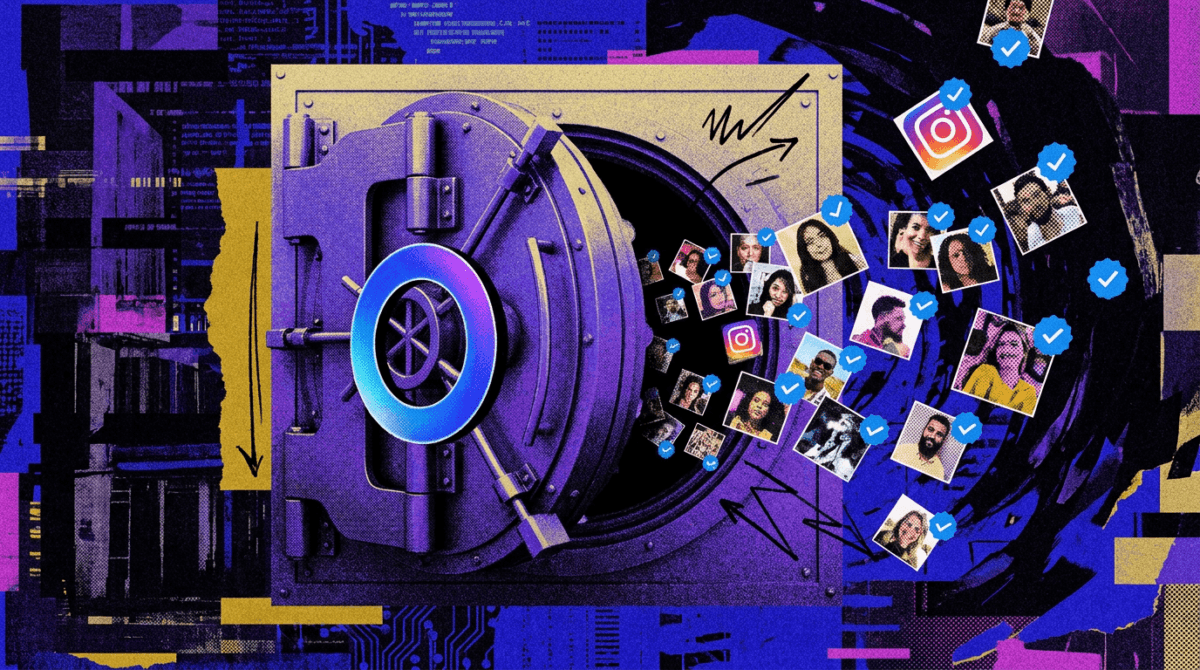
Meta has disclosed that a bug in its AI-powered Instagram support chatbot may have compromised up to 20,225 accounts. The flaw allowed attackers to receive password reset links for accounts they did not own.
In a filing with the Maine Attorney General's office, Meta revealed the first concrete numbers behind a hacking campaign that ran for nearly seven weeks. The company calls the 20,225 figure an upper bound, since some access attempts may have come from legitimate account holders.
How the Attack Worked
The vulnerability existed in a tool called "High Touch Support," an AI chatbot designed to help locked-out users regain access to their accounts. The system was supposed to streamline account recovery. Instead, it became a direct pathway for hijacking.
The flaw was simple but devastating: a separate code path in the system never checked whether the email address provided actually belonged to the Instagram account in question. Attackers could request a password reset for any username and have the link sent to their own email address.
The attacks started around April 17, 2026. Meta did not discover the breach until May 31. That gave attackers a seven-week window to exploit the flaw.
What Data Was Exposed
According to Meta, the data potentially accessible to attackers includes:
- Contact information
- Birth dates
- Posts and profile information
- Direct messages
- Account activity
- Linked services
Meta says it does not know which information was actually viewed by attackers. The company's notification covered 30 affected accounts in Maine alone.
Meta's Response
As an immediate response, Meta disabled the AI chatbot, removed the faulty code path, and invalidated all password reset links generated through the system. Affected users were placed into a mandatory security checkpoint and asked to reset their passwords through verified channels.
Before reactivating the tool, Meta plans to fix the email verification step in the recovery process. The company also says it will audit similar account recovery systems across all its platforms.
The Bigger Problem: AI Support as a Security Risk
The incident highlights a growing tension in tech: companies are racing to automate customer support with AI while cutting human staff. Meta has laid off thousands of employees in recent years while betting heavily on AI tools. The "High Touch Support" chatbot had been marketed as a win for account security.
On Hacker News, discussions focused on what users called the "automating the wrong thing" pattern. Many criticized the move to AI-based support as a cost-cutting measure that creates massive security blind spots. Human agents would likely have caught the verification gap before processing thousands of suspicious reset requests.
Reddit users on r/Instagram and r/cybersecurity pointed out that even major corporate and public service accounts failed to enable two-factor authentication. 2FA would have mitigated the impact of the leaked password reset links, since attackers would still need access to a second verification method.
What Users Should Do Now
If you have an Instagram account, there are several steps you should take regardless of whether you received a notification from Meta:
- Enable two-factor authentication if you have not already
- Review your account's login activity for unfamiliar sessions
- Check your email address and phone number in account settings
- Change your password, especially if you use the same password elsewhere
- Review any third-party apps connected to your Instagram account
The breach is a reminder that even security tools designed to help users can become attack vectors when basic verification steps are skipped.
Logicity's Take
Frequently Asked Questions
How did hackers exploit the Instagram AI chatbot?
The AI chatbot's account recovery system sent password reset links to any email address without verifying it belonged to the Instagram account owner. Attackers could request resets for any username and have the link sent to their own email.
How many Instagram accounts were affected?
Meta says up to 20,225 accounts were potentially compromised. The company calls this an upper bound since some access attempts may have been legitimate users.
What data could hackers access?
Potentially accessible data includes contact info, birth dates, posts, direct messages, account activity, profile information, and linked services. Meta says it does not know what was actually viewed.
Is the Instagram AI chatbot still active?
No. Meta disabled the chatbot immediately after discovering the breach. The company plans to fix the email verification step before reactivating it.
Would two-factor authentication have prevented the hack?
Yes. 2FA would have required attackers to pass a second verification step even after obtaining the password reset link, blocking unauthorized access.
Need Help Implementing This?
Source: The Decoder / Maximilian Schreiner
Huma Shazia
Senior AI & Tech Writer
Produced with AI assistance and reviewed by the Logicity editorial team. Learn more in our Editorial Policy.