Key Takeaways

- Indian D2C brands have outpaced multinational FMCG companies in intimate care by investing in consumer education rather than traditional shelf placement
- The category has expanded beyond sanitary pads to include period underwear, postpartum recovery, men's hygiene, and adult incontinence care
- Quick commerce and ecommerce platforms have enabled private purchasing, giving startups nationwide reach without traditional retail dependence
Indian D2C startups are winning the intimate care market because they did what legacy FMCG companies refused to do: educate consumers on topics those companies considered too taboo for quarterly earnings calls.

Three recent moves signal the category's momentum. Ugees, an intimate care startup, partnered with premium innerwear brand Krvvy earlier this year. HealthFab, focused on menstrual hygiene, raised ₹20 crore from Atomic Capital. And the founders of Sirona bought back their feminine hygiene brand from Good Glamm Group. These are not isolated events. They point to a broader shift in how India thinks about intimate health.
What does intimate care actually include now?
The category has expanded well past sanitary pads and tampons. Today it covers period underwear, intimate washes, postpartum recovery products, baby rash care, anti-chafing solutions, men's hygiene products, sexual wellness items, and adult incontinence care.
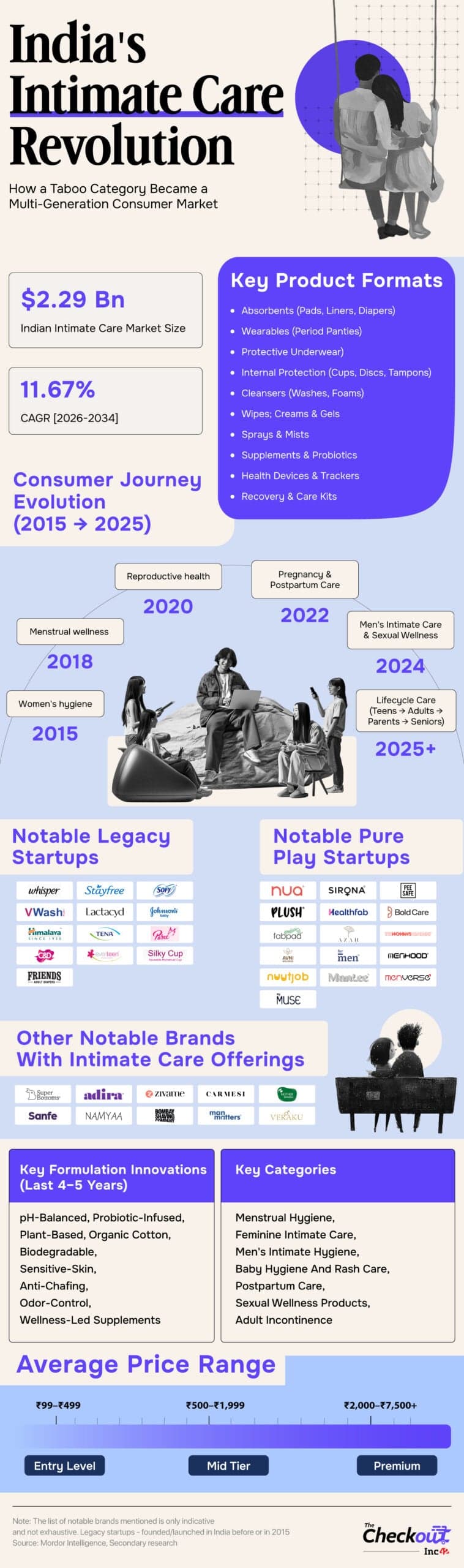
Sanitary pads remain the largest segment within menstrual care, according to Rithish Kumar, cofounder of Pee Safe. But adjacent categories are growing faster than traditional FMCG segments as consumers become more comfortable discussing intimate health openly.
“Over time, these products can move beyond being purely functional purchases and become part of consumers' lifestyle and wellness routines.”
— Rithish Kumar, Pee Safe cofounder
Why D2C brands beat the multinationals
The answer is simple. Multinational FMCG companies knew these categories existed. They chose not to build them. Educating a taboo market did not fit their quarterly model.
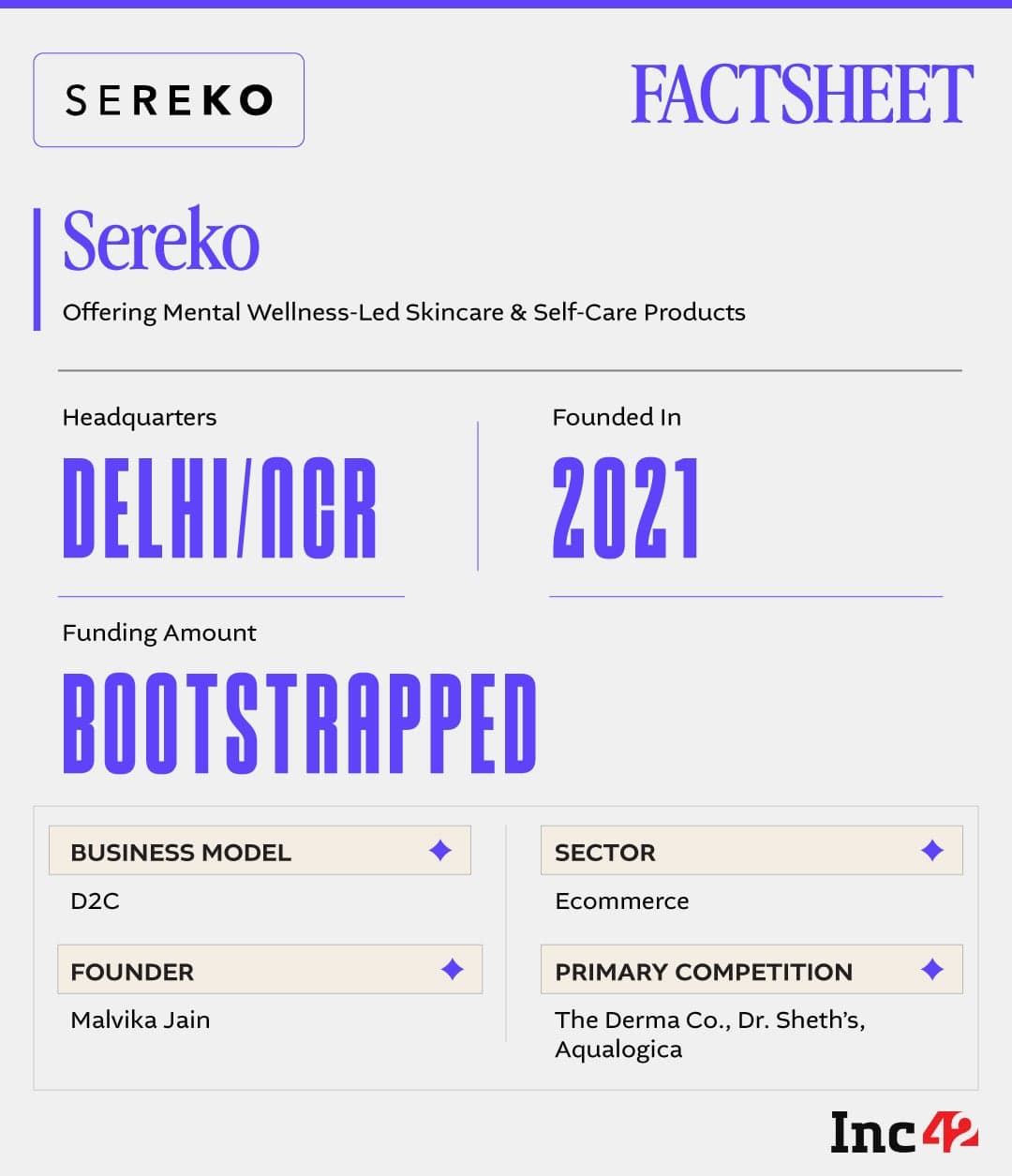
Indian founders had no such luxury. They had to educate or fail. This forced discipline became their competitive advantage. Brands like Nua, Mother Sparsh, Pee Safe, Sirona, and SuperBottoms invested heavily in conversations around periods, parenting, postpartum recovery, and hygiene concerns that consumers were already searching for but rarely discussing openly.
“Traditional FMCG knew these categories existed. They chose not to build them because educating a taboo market didn't fit their quarterly model. D2C brands had no such luxury — we had to educate or perish. This forced discipline became our moat.”
— Deep Bajaj, Sirona founder
There is also a localization problem. Many multinational companies bring products designed for global markets into India without fully adapting them to local consumer behavior, body types, lifestyles, and use cases. Indian founders understand these nuances.
How Sirona launched PeeBuddy without a single retail shelf
Sirona's launch of PeeBuddy illustrates the D2C playbook. Rather than relying solely on ecommerce listings, the startup introduced the product through marathons, doctors, influencers, and women's sporting events.
The goal was ground-level conversation. Put the product physically in the hands of women who had never considered that such a product could exist. Traditional FMCG shelf placement cannot replicate this approach.

Ecommerce changed the purchase psychology
Intimate care is naturally suited to online retail. The purchase journey is private, information-heavy, and trust-driven. Consumers want to compare ingredients, understand usage, and read reviews before buying. Online channels make that significantly easier than walking into a pharmacy.
Quick commerce platforms have accelerated this further. They improved access dramatically, allowing consumers to discover and purchase products privately while giving brands nationwide reach without traditional retail dependence.
The market is fragmented, but the opportunity is clear
The total intimate care market size in India is difficult to measure holistically due to fragmented categories. Menstrual hygiene remains the largest segment. But the adjacent categories are growing faster than traditional FMCG.
Multinational and legacy brands still control a significant share of the market. However, Kumar believes Indian brands will capture an increasing share over time.
Success will come down to three things: product quality, brand trust, and distribution. This is a highly repeat-purchase category, which means customer loyalty matters more than customer acquisition over the long term.
What happens next
The interesting question is whether FMCG giants will finally enter these categories now that D2C brands have done the hard work of education. If they do, they will face brands with loyal customer bases, established trust, and deep category expertise. That is a harder competitive dynamic than entering a greenfield market.
Frequently Asked Questions
Why are D2C brands leading India's intimate care market?
D2C brands invested in consumer education on taboo topics that traditional FMCG companies avoided. This created trust and category expertise that multinationals cannot easily replicate.
What products are included in India's intimate care category?
Beyond sanitary pads and tampons, the category now includes period underwear, intimate washes, postpartum recovery products, baby rash care, anti-chafing solutions, men's hygiene, sexual wellness products, and adult incontinence care.
How has ecommerce changed intimate care purchasing in India?
Online channels enable private purchasing, ingredient comparison, and review reading. Quick commerce has improved access nationwide without requiring traditional retail presence.
What is the size of India's intimate care market?
The total market is difficult to size holistically due to fragmented categories. Menstrual hygiene is the largest segment, while adjacent categories are growing faster than traditional FMCG.
Which Indian intimate care startups have raised funding recently?
HealthFab raised ₹20 crore from Atomic Capital. Other notable brands in the space include Pee Safe, Sirona, Nua, Mother Sparsh, and SuperBottoms.
Logicity's Take
The D2C intimate care playbook offers a template for other taboo categories in India. Mental health, sexual health, and elder care face similar dynamics: multinational companies hesitant to educate, consumers searching privately online, and a trust gap waiting to be filled. The brands that win these categories will be the ones willing to have uncomfortable conversations publicly before they have comfortable conversations about revenue.
Need Help Implementing This?
If you're building in consumer health or D2C wellness, reach out to Logicity's editorial team at hello@logicity.in for coverage opportunities or to share your story.
Source: Inc42 Media / Meha Agarwal
Huma Shazia
Senior AI & Tech Writer
Produced with AI assistance and reviewed by the Logicity editorial team. Learn more in our Editorial Policy.