Key Takeaways
- Deep-sky objects fall into three categories: galaxies, nebulas, and star clusters
- Binoculars work well for beginners; telescopes reveal more detail
- Dark skies and patience matter more than expensive equipment
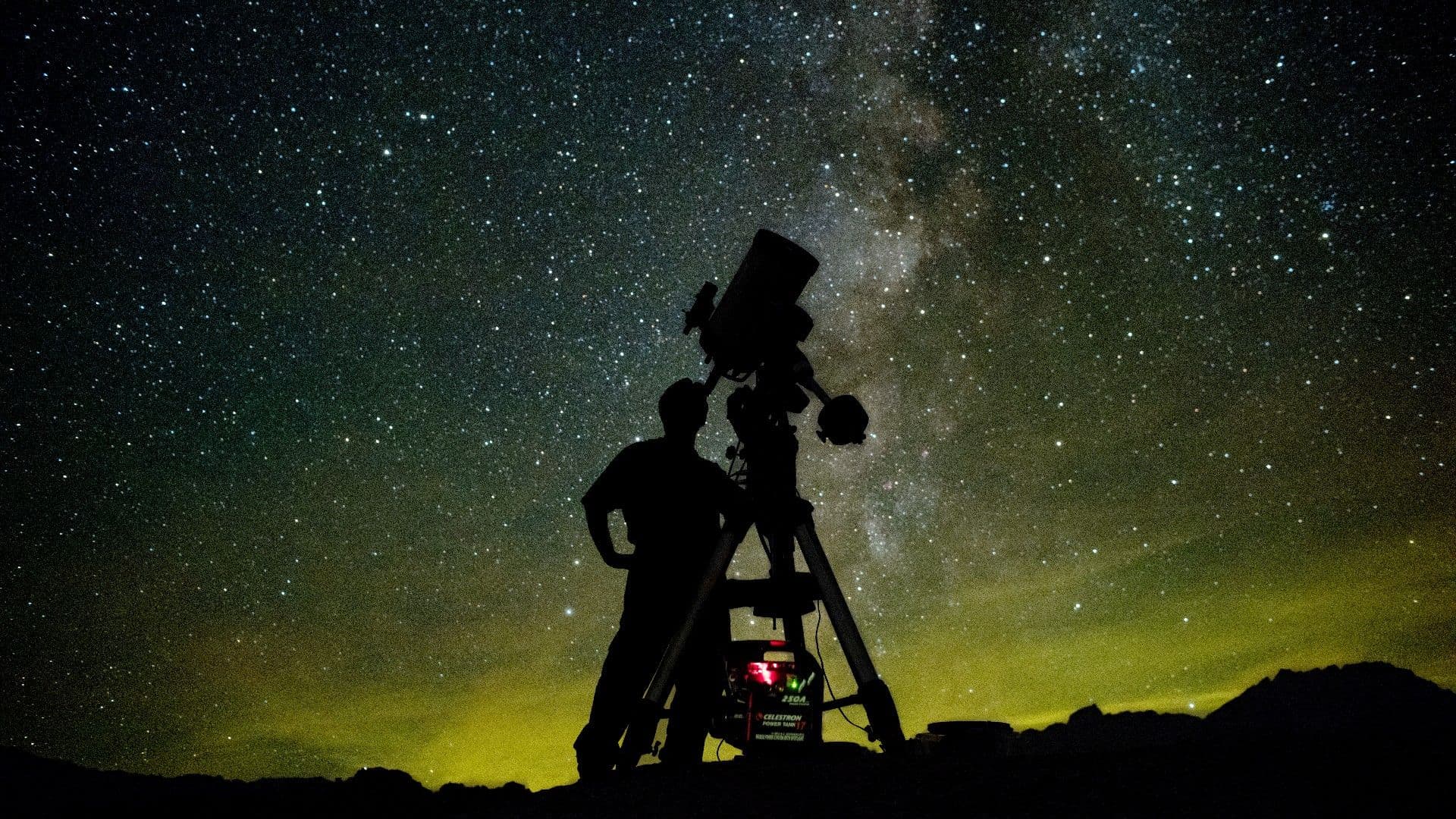
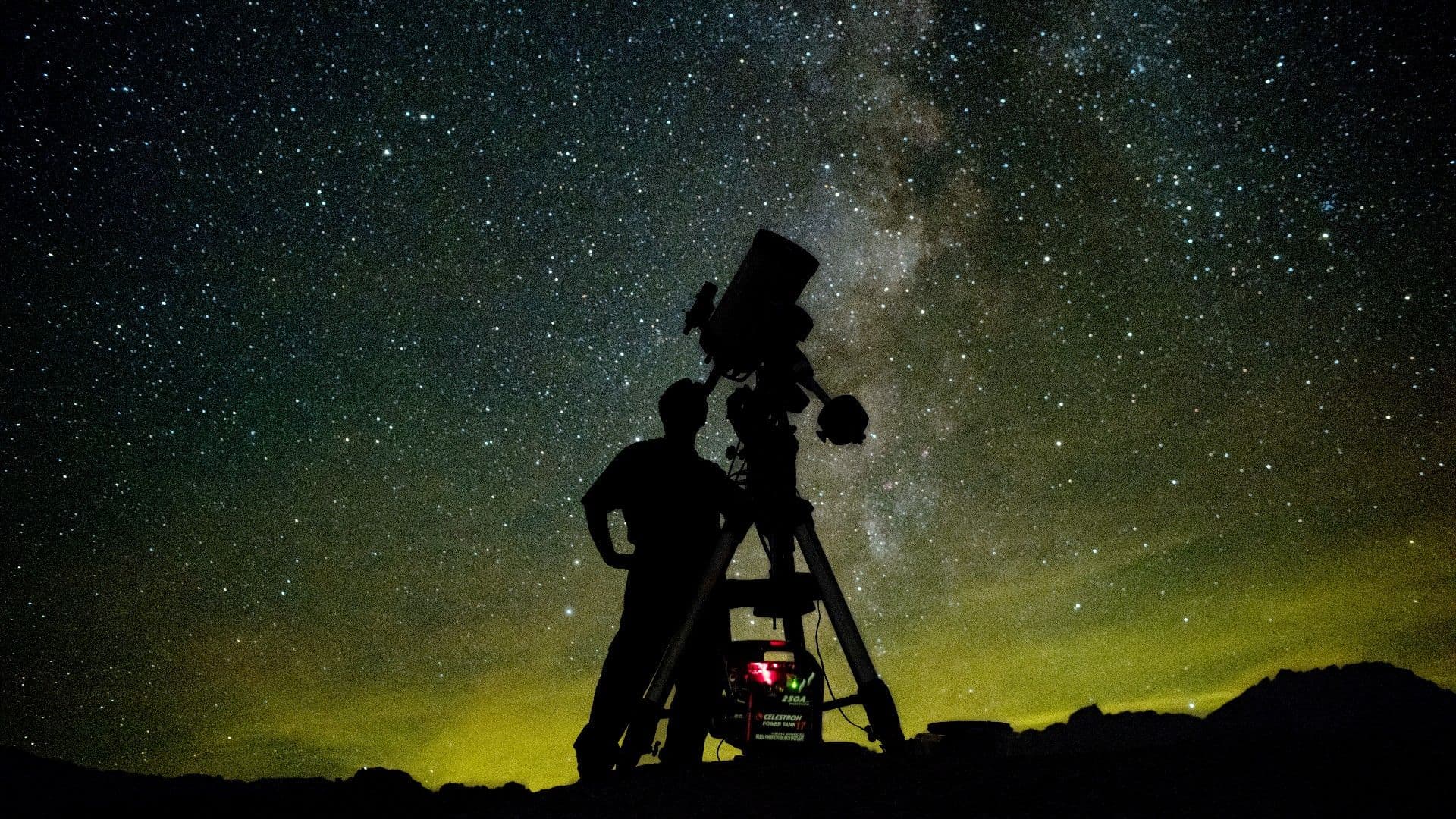
You've learned the constellations. You can spot Saturn and trace the Big Dipper around Polaris. What's next? Deep-sky objects. These are the galaxies, nebulas, and star clusters that sit far beyond our solar system. They're not bright points of light like planets or individual stars. They're vast structures with subtle shapes and a faint glow spread across large patches of sky.
Observing them takes patience. It also takes some optical equipment. But the reward is seeing objects that tell stories about the universe's formation and evolution.
What Counts as a Deep-Sky Object?
Deep-sky objects, often abbreviated DSOs, are celestial targets beyond our solar system. They fall into three main categories.
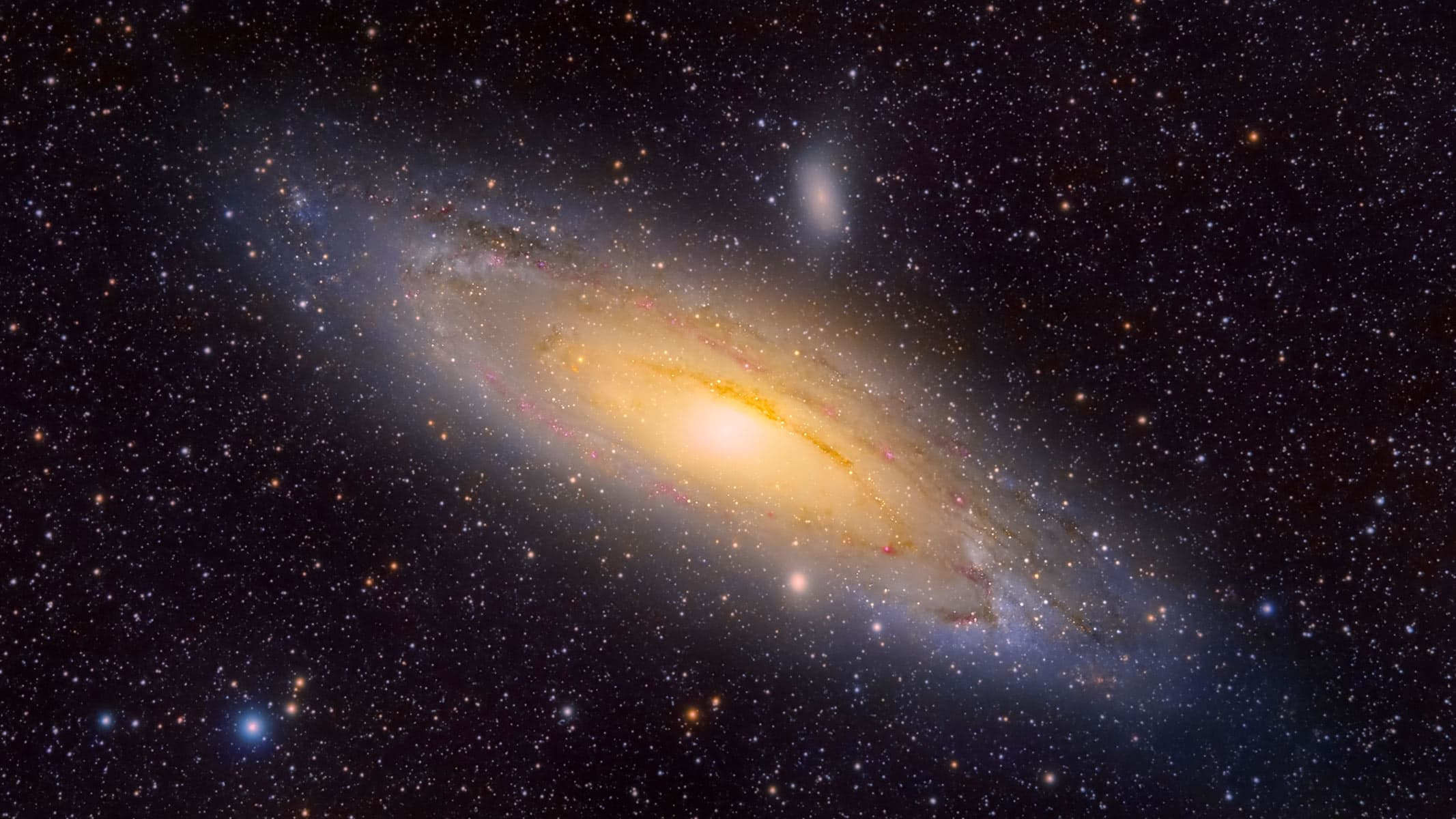
Galaxies
Galaxies are vast systems containing billions of stars. Our own Milky Way is one. From Earth, you can see other galaxies face-on (showing their spiral arms) or edge-on (appearing as thin streaks). The Andromeda Galaxy (M31) is one of the brightest and easiest to observe.
Nebulas
Nebulas are interstellar clouds of dust and gas. They come in several types based on their origin and how they interact with light. Emission nebulas glow from ionized gas. Reflection nebulas scatter light from nearby stars. Dark nebulas block light entirely. Planetary nebulas form when dying stars shed their outer layers. Supernova remnants mark where massive stars exploded.
Star Clusters
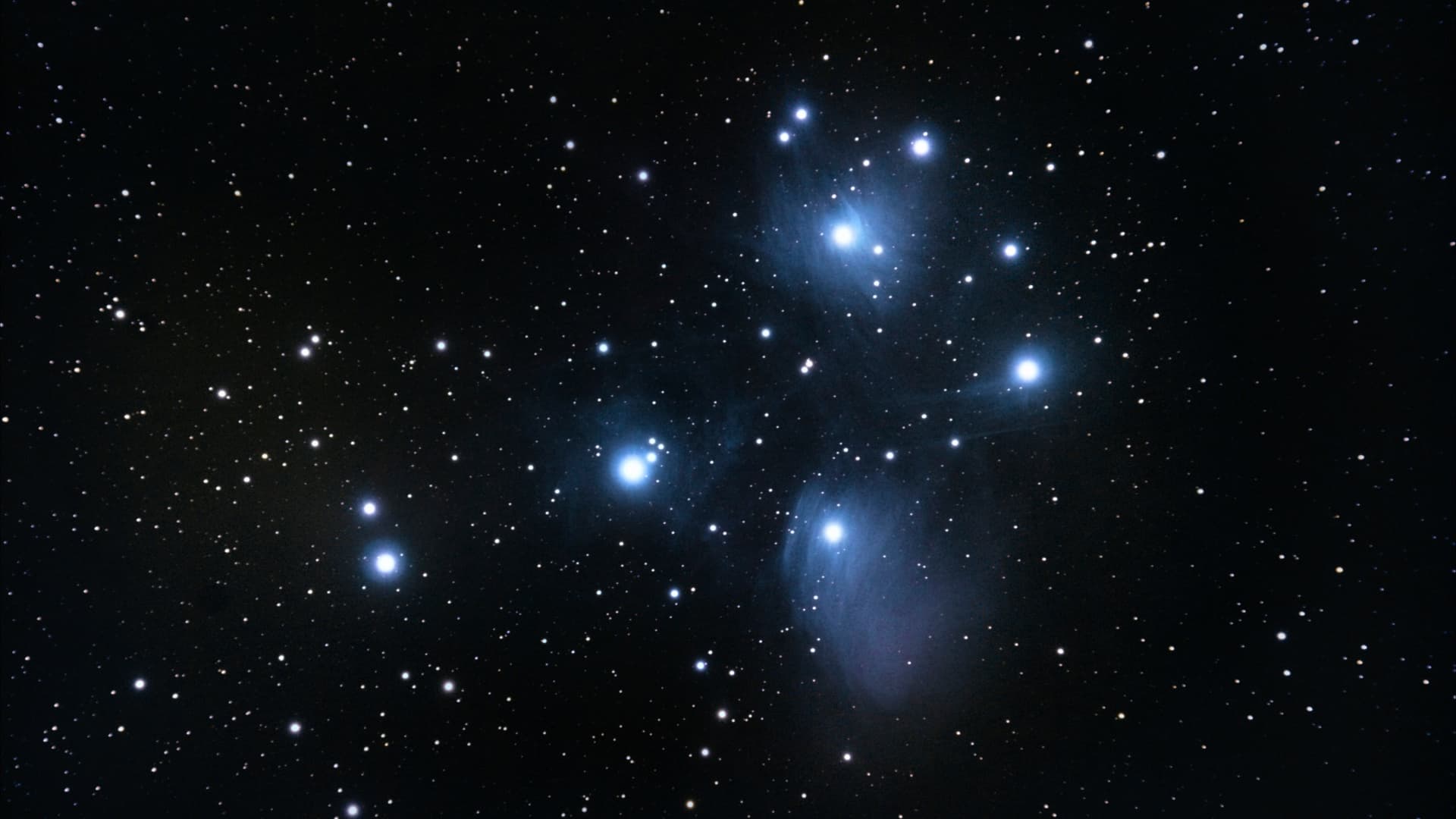
Star clusters are groups of stars held together by gravity. Open clusters are young, loose collections relatively close to our solar system. The Pleiades is a famous example. Globular clusters are ancient, tightly packed spheres of stars found in the halo around the Milky Way. The Great Globular Cluster in Hercules (M13) contains hundreds of thousands of stars.
Set Realistic Expectations
You've seen the colorful images from Hubble and the James Webb Space Telescope. Those images use long exposures and special filters. Through your binoculars or telescope, deep-sky objects look different. Expect shades of grey rather than vivid colors. Expect subtle shapes rather than crisp details. The trade-off for seeing these objects with your own eyes is accepting what the human eye can actually perceive.
What Optics Do You Need?
You have three main options for observing deep-sky objects. Each has trade-offs between cost, portability, and capability.
Binoculars
Binoculars are the most affordable entry point. A pair of 7x50 or 10x50 binoculars provides enough magnification to see many bright DSOs while maintaining a wide field of view. They're portable, require no setup, and let you use both eyes. For extended viewing, mount them on a tripod to eliminate shake.
Traditional Telescopes
A telescope with a 4-inch to 8-inch aperture opens up fainter targets. Larger aperture gathers more light, revealing detail in galaxies and resolving individual stars in clusters. The learning curve is steeper. You'll need to learn how to align, point, and focus. But the views reward the effort.
Smart Telescopes
Smart telescopes handle alignment and tracking automatically. They can locate objects for you and stack multiple exposures to reveal more detail. They cost more than manual scopes but reduce the technical barrier.
Planning Your Observation
Equipment matters, but planning matters more. Dark skies make the biggest difference. Light pollution washes out faint objects. If you live in a city, drive to darker locations when possible. Even suburban skies limit what you can see.
Moon phase affects visibility. A bright moon acts like artificial light pollution. Plan your DSO viewing around the new moon or when the moon sets early.
Give your eyes time to adapt. It takes 20 to 30 minutes for your eyes to reach full dark adaptation. Avoid looking at your phone or other bright lights during this time. Use a red flashlight if you need to check charts.
Targets for Northern Hemisphere Observers
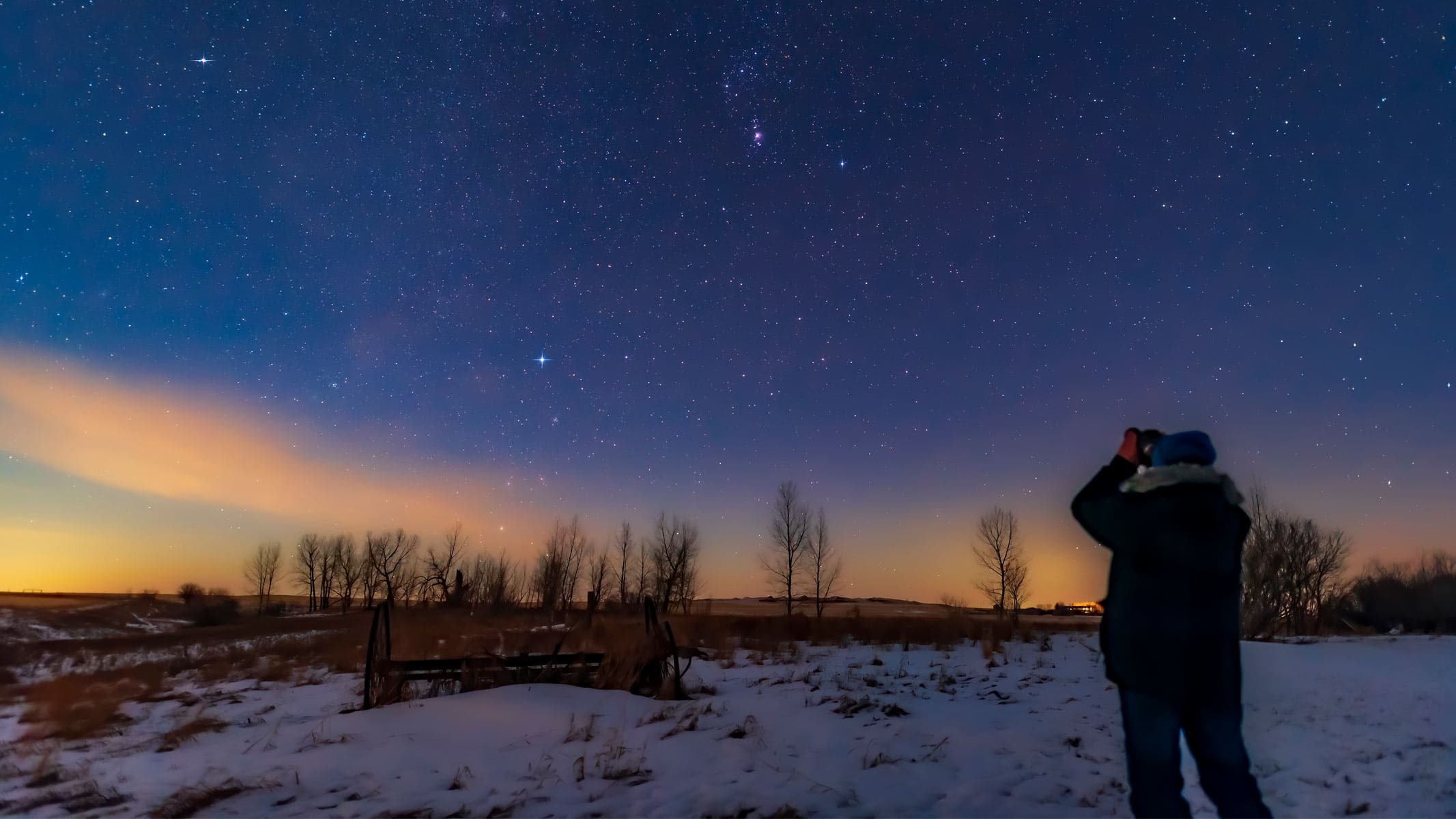
Start with bright, easy targets before moving to fainter objects. The Orion Nebula (M42) is visible in winter and early spring. It's bright enough to see with binoculars and shows structure through a small telescope. The Andromeda Galaxy (M31) is visible much of the year and appears as an elongated smudge in binoculars. The Pleiades (M45) is a stunning open cluster visible to the naked eye. Binoculars reveal dozens of stars.
In summer, look for the Great Globular Cluster in Hercules (M13). Through a telescope, it resolves into a dense ball of stars. Bode's Galaxy (M81) in Ursa Major is another good target, visible most of the year from northern latitudes.
Logicity's Take
Frequently Asked Questions
Can I see deep-sky objects without a telescope?
Yes. Some bright objects like the Andromeda Galaxy and the Pleiades are visible to the naked eye under dark skies. Binoculars show many more targets.
Why do galaxies look grey through a telescope instead of colorful?
Human eyes lack the sensitivity to detect color in faint light. Long-exposure photographs gather more photons and reveal colors our eyes cannot perceive directly.
What's the best time to observe deep-sky objects?
New moon periods offer the darkest skies. Late night is better than early evening because atmospheric turbulence often settles. Winter often provides clearer skies in many regions.
How much does a beginner telescope for deep-sky viewing cost?
A capable 6-inch Dobsonian telescope costs between $300 and $500. Binoculars suitable for astronomy start around $50 to $100.
What's the difference between an open cluster and a globular cluster?
Open clusters are young, loosely bound groups of stars within the Milky Way's disk. Globular clusters are ancient, densely packed spheres containing hundreds of thousands of stars in the galaxy's halo.
Need Help Implementing This?
Source: Latest from Space.com
Manaal Khan
Tech & Innovation Writer
Produced with AI assistance and reviewed by the Logicity editorial team. Learn more in our Editorial Policy.