Key Takeaways
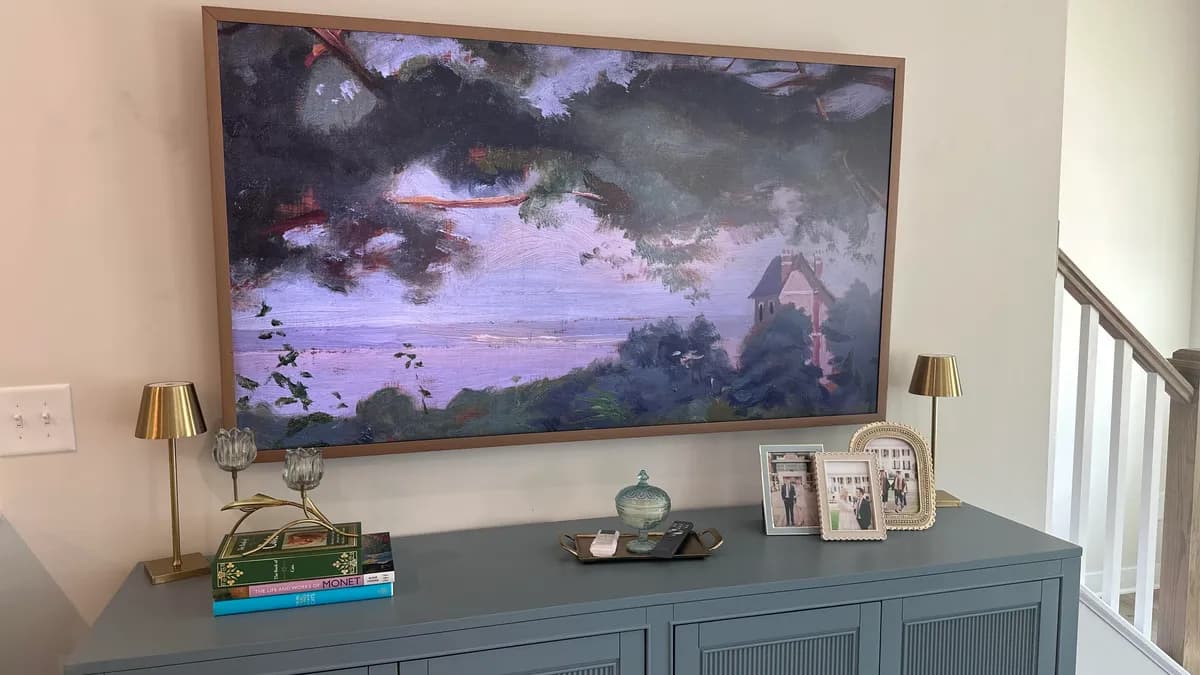
- The 65-inch Hisense CanvasTV S7 is on sale for $750, a 32% discount and $350 off retail
- Samsung's Frame TV costs $1,299-$1,499 for comparable sizes, making Hisense roughly 40% cheaper
- Both TVs use QLED panels with matte anti-reflection coatings, but Hisense runs Google TV while Samsung uses Tizen
The Hisense CanvasTV S7 is selling for $750 this July 4th weekend, a 32% discount that brings the 65-inch art TV to its lowest price in 90 days. That's $350 off list and roughly half what Samsung charges for a comparable Frame TV. For buyers who want a TV that disappears into their décor, this is the cheapest credible option on the market.
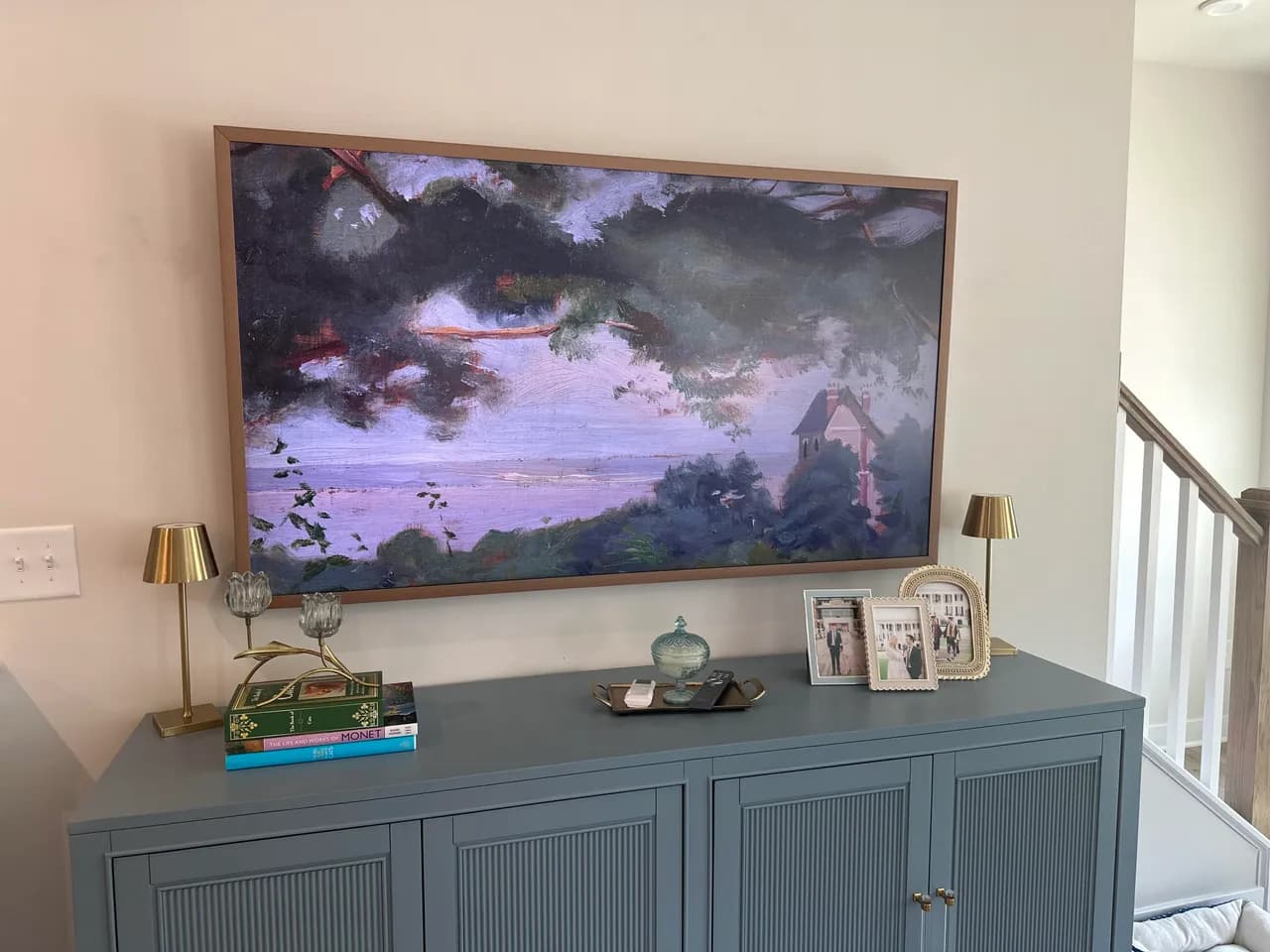
What makes the Hisense CanvasTV S7 different from a regular TV?
Art TVs solve a specific problem: the black rectangle dominating your wall when nobody's watching. Samsung pioneered this category with The Frame in 2017, wrapping a QLED panel in a wooden border and adding a matte, anti-reflection coating that mimics canvas texture. When the TV's off, it displays artwork instead of going dark.
Hisense copied the formula almost exactly. The CanvasTV S7 uses the same QLED technology, the same matte coating, and similar wooden borders. It ships with a library of free artwork you can rotate through, and you can upload your own images. The difference is price: Samsung's 65-inch Frame retails for $1,499. Hisense undercuts that by nearly 50% at full price, and by more during sales.
How does picture quality compare to Samsung?
Art TVs aren't built for videophiles. The matte coating that makes them look like paintings also diffuses light, which softens contrast and mutes highlights compared to a glossy panel. Both the Hisense and Samsung suffer from this tradeoff.
ZDNET's Editor in Chief Kerry Wan tested the CanvasTV S7 and concluded it's not for buyers chasing peak picture quality. It's for buyers who prioritize aesthetics. If your TV sits in a bright living room and you care more about how it looks off than on, that's a reasonable trade. If you watch a lot of HDR content or play games competitively, a conventional QLED or OLED will outperform either art TV.
Google TV vs Samsung Tizen: which OS is better?
One area where Hisense has an edge: software. The CanvasTV S7 runs Google TV, which gives you access to the full Google Play Store, Chromecast built-in, and tight integration with other Google services. Samsung's Frame runs Tizen, Samsung's proprietary platform. Tizen has improved over the years, but its app library is smaller and its interface less intuitive.
ZDNET's reporting notes that many customers prefer Google TV specifically because it handles third-party apps better. If you're deep in the Google ecosystem or rely on niche streaming apps, the Hisense is the safer bet.
Is this deal actually good?
Yes. The $750 price matches what early adopters paid during Cyber Week 2025 when stacking promo codes. Getting that price outright, without coupon hunting, is notable. Hisense also just released its 2026 CanvasTV models, which explains why the S7 (a 2025 model) is being discounted aggressively. Retailers are clearing inventory.
The CanvasTV S7 was ZDNET's fifth best-selling TV of 2025. That's not a guarantee of quality, but it does suggest the product resonated with buyers looking for the Frame TV aesthetic at a more accessible price.
Who should buy an art TV?
Art TVs make sense in specific situations. You have a smaller room where the TV dominates the space. You entertain frequently and don't want a black slab as your focal point. You prioritize home aesthetics over peak display performance. If any of those apply, the CanvasTV S7 at $750 is compelling.
They don't make sense if you're a cinephile, a competitive gamer, or someone who watches most content in a dark room. The matte coating hurts contrast in low light. A conventional OLED or high-end QLED will outperform both the Hisense and Samsung for pure viewing quality.
Logicity's Take
The art TV category is a premium niche that Samsung has owned since 2017, but Hisense is proving you don't need to pay premium prices for the core experience. At $750, the CanvasTV S7 hits the sweet spot: good enough display quality, better software than Samsung, and a price that doesn't require justification. For businesses outfitting waiting rooms, lobbies, or executive offices where a TV needs to look intentional rather than intrusive, this is the obvious choice. The Samsung Frame still exists for buyers who want the brand cachet, but the functional gap no longer justifies a $700+ price difference.
Frequently Asked Questions
Does the Hisense CanvasTV S7 come with free artwork?
Yes. The TV ships with a library of artwork you can display when it's not in use, and you can upload your own images at no extra cost.
Can you wall-mount the Hisense CanvasTV S7?
Yes. The TV is designed for wall mounting and includes a slim-fit mount option to sit flush against the wall like a picture frame.
Is the Hisense CanvasTV good for gaming?
The S7 supports 120Hz refresh rates, which is better than many lifestyle TVs. But the matte coating reduces contrast, so serious gamers will prefer a conventional display.
How long will this July 4th deal last?
The sale is tied to July 4th weekend, so it will likely end by July 7th or when inventory runs out.
Need Help Implementing This?
Logicity helps tech teams evaluate hardware and software decisions with clear, actionable analysis. Subscribe to our newsletter for weekly breakdowns of the tools and products that matter.
Source: Latest news
Manaal Khan
Tech & Innovation Writer
Produced with AI assistance and reviewed by the Logicity editorial team. Learn more in our Editorial Policy.