Key Takeaways
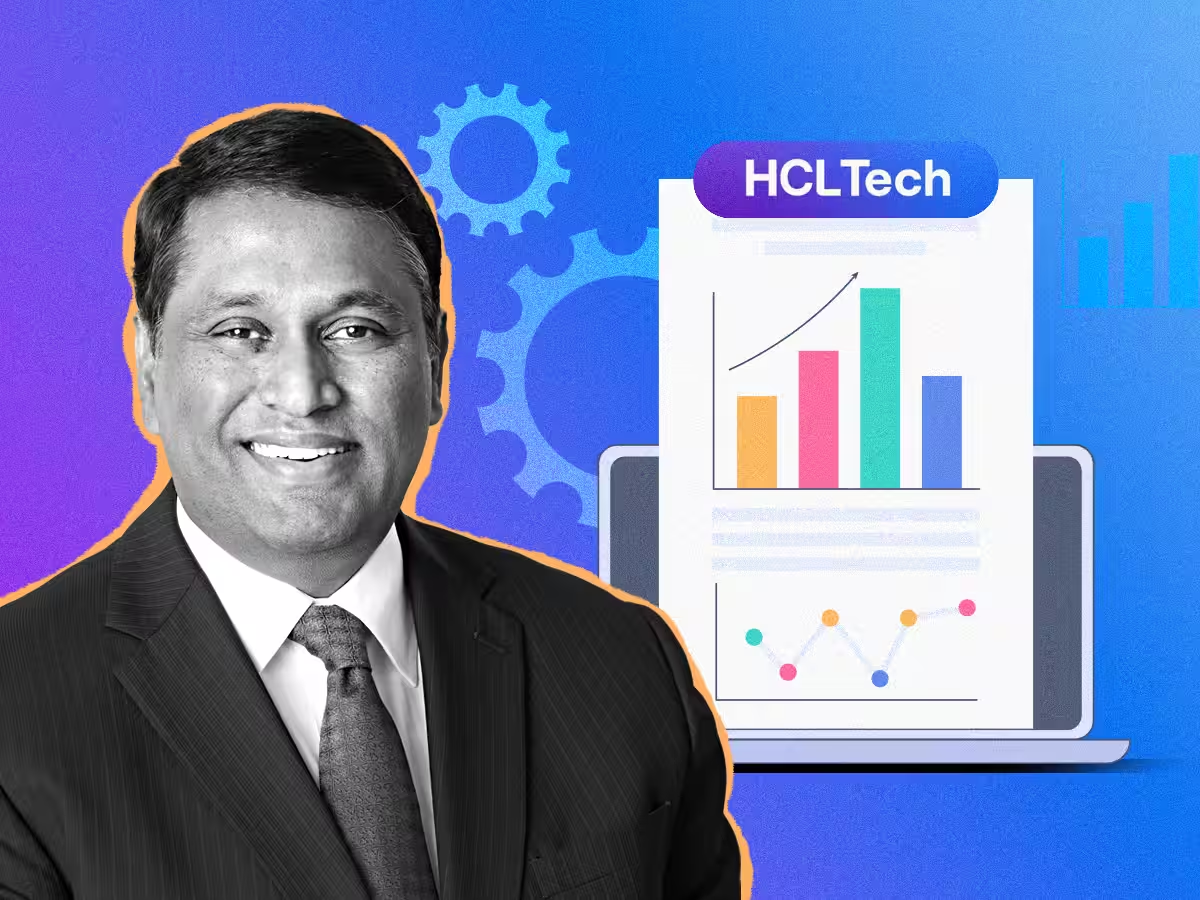
- Vijayakumar's $18.13M package is 291.9 times HCLTech's median employee salary
- Stock options and long-term incentives accounted for $13.34M of his total pay
- His compensation dwarfs peers: TCS CEO at ₹28 crore, Wipro CEO at $5.29M
C Vijayakumar, CEO of HCLTech, earned $18.13 million in FY26, a 67% jump from the previous year. The bulk of that increase came from restricted stock units he exercised during the fiscal year, worth $9.4 million. His total package now far exceeds every other IT services CEO in India.
The compensation breakdown, disclosed in HCLTech's annual report, shows a base salary of $2.48 million and a performance bonus of $2 million. Benefits and perquisites added another $310,000. But the real story is in the long-term incentives: a cash component of $3.94 million plus those $9.4 million in RSUs.
Strip out the LTI payment and RSU value, and the increase would have been a more modest 22.86%. The company is clearly betting on stock-linked compensation to align Vijayakumar's interests with shareholders.
How does this compare to other Indian IT CEOs?
Vijayakumar's pay package is in a league of its own among Indian IT services firms. TCS CEO K Krithivasan took home ₹28 crore in FY26, up 6.3% year over year. Infosys's Salil Parekh earned ₹82.60 crore, a 2% increase. Wipro's Srinivas Pallia drew $5.29 million, roughly ₹49.64 crore.
At ₹175 crore, Vijayakumar earns more than double what Parekh does at Infosys, and over six times what Krithivasan earns at TCS. Part of this gap reflects his US-based role. He draws his salary from HCL America Inc., the company's wholly owned subsidiary, where compensation norms skew toward American tech standards.
The pay ratio tells another story
Vijayakumar's compensation is 291.9 times the median pay at HCLTech. That median increased 5.4% during the fiscal year. The company employed 170,811 permanent staff as of March 31, with another 56,370 at subsidiaries.
A 292x ratio is not unusual by US standards. Equilar reported the median S&P 500 CEO-to-worker pay ratio at 272:1 in 2023. But it's eye-catching for an Indian-headquartered firm, even one with a global footprint.
Company performance: revenue up, profit down
HCLTech's FY26 results present a mixed picture. Revenue climbed 11.18% to ₹130,144 crore. Net profit, however, fell 4.3% to ₹16,642 crore from ₹17,390 crore the year before.
That profit decline didn't dent the CEO's pay. Long-term incentive plans typically vest based on targets set in prior years, so current-year profitability may not directly affect current-year payouts. Still, shareholders watching a profit dip alongside a 67% CEO pay increase might have questions.
Why the heavy tilt toward stock compensation?
Stock-heavy packages are now standard at global tech firms. They reduce cash burn, tie executive wealth to share price, and, when structured well, encourage long-term thinking over quarterly hits.
For HCLTech, which competes for talent against Accenture, IBM, and the hyperscalers, offering a US-competitive package to a US-based CEO makes strategic sense. Vijayakumar has led the company since 2016 and oversaw its expansion into cloud, AI, and digital engineering. The board clearly values continuity.
Logicity's Take
The $18.13 million figure will dominate headlines, but the structure matters more than the number. HCLTech is pushing over 70% of CEO pay into performance-linked and equity-based components. That's aggressive even by US standards. If the stock underperforms, future payouts shrink. The real test is whether this framework cascades down: do HCLTech's senior leadership and key technical talent see similar equity exposure? Indian IT firms have historically been stingy with stock grants below the C-suite. That gap could become a retention problem as AI reshapes who the most valuable employees are.
What this signals for Indian IT compensation
Indian IT services companies have long underpaid executives relative to US peers while overpaying relative to the Indian median. Vijayakumar's package suggests the industry is tilting further toward global norms at the top.
Whether median employee wages follow is another matter. The 5.4% increase in HCLTech's median pay barely outpaces inflation. The gap between top and median is widening, not narrowing.
Frequently Asked Questions
How much did HCLTech CEO C Vijayakumar earn in FY26?
Vijayakumar earned $18.13 million (approximately ₹175 crore), a 67% increase from the previous year.
What drove the large increase in HCLTech CEO compensation?
Long-term incentives and exercised restricted stock units accounted for $13.34 million of his total pay, the primary drivers of the increase.
How does Vijayakumar's pay compare to other Indian IT CEOs?
He earns significantly more than peers: TCS's CEO earned ₹28 crore, Infosys's CEO earned ₹82.60 crore, and Wipro's CEO earned $5.29 million.
What is the CEO-to-median-employee pay ratio at HCLTech?
Vijayakumar's compensation is 291.9 times the median employee remuneration at HCLTech.
Did HCLTech's profits increase alongside CEO pay?
No. Net profit fell 4.3% to ₹16,642 crore in FY26, though revenue rose 11.18% to ₹130,144 crore.
Need Help Implementing This?
If you're building executive compensation frameworks or benchmarking leadership pay for your tech company, reach out to the Logicity team for analysis and consulting referrals.
Source: Tech-Economic Times / ET
Huma Shazia
Senior AI & Tech Writer
Produced with AI assistance and reviewed by the Logicity editorial team. Learn more in our Editorial Policy.