Key Takeaways

- Google will pay SpaceX $920 million monthly for AI compute capacity from October 2026 through June 2029
- The contract includes 110,000 Nvidia GPUs that SpaceX must deliver by September 2027
- SpaceX's data center revenue is projected to exceed its combined Starlink, launch services, and AI revenue in 2025
SpaceX just closed a compute deal that dwarfs its rocket business. Google agreed to pay $920 million per month for access to 110,000 Nvidia GPUs, with the contract running from October 2026 through June 2029.
The deal, reported by Reuters, includes GPUs, CPUs, memory, and all hardware needed for AI processing. It marks SpaceX's second massive data center contract in months, following Anthropic's agreement to use the company's Colossus 1 facility.
Contract Terms and Delivery Schedule
SpaceX won't deliver all 110,000 GPUs at once. Google will pay reduced monthly fees as the company brings server racks online through September 30, 2027. That's the deadline for SpaceX to hit full capacity.
If SpaceX misses the target, even after a one-month grace period, Google has two options. It can cancel the agreement entirely or accept fewer GPUs with proportionally lower monthly payments.
Both parties can exit after December 31, 2027, with 90 days notice. The structure suggests Google sees this as bridge capacity while it builds out its own infrastructure.
“We are securing bridge capacity to support the unprecedented demand we are seeing for our Gemini Enterprise agentic AI platform.”
— Google Cloud spokesperson
The Anthropic Deal and Colossus 1's Hidden Problem
This is SpaceX's second major data center announcement in months. Anthropic secured the entire computing power of SpaceX's Colossus 1 data center in early May.
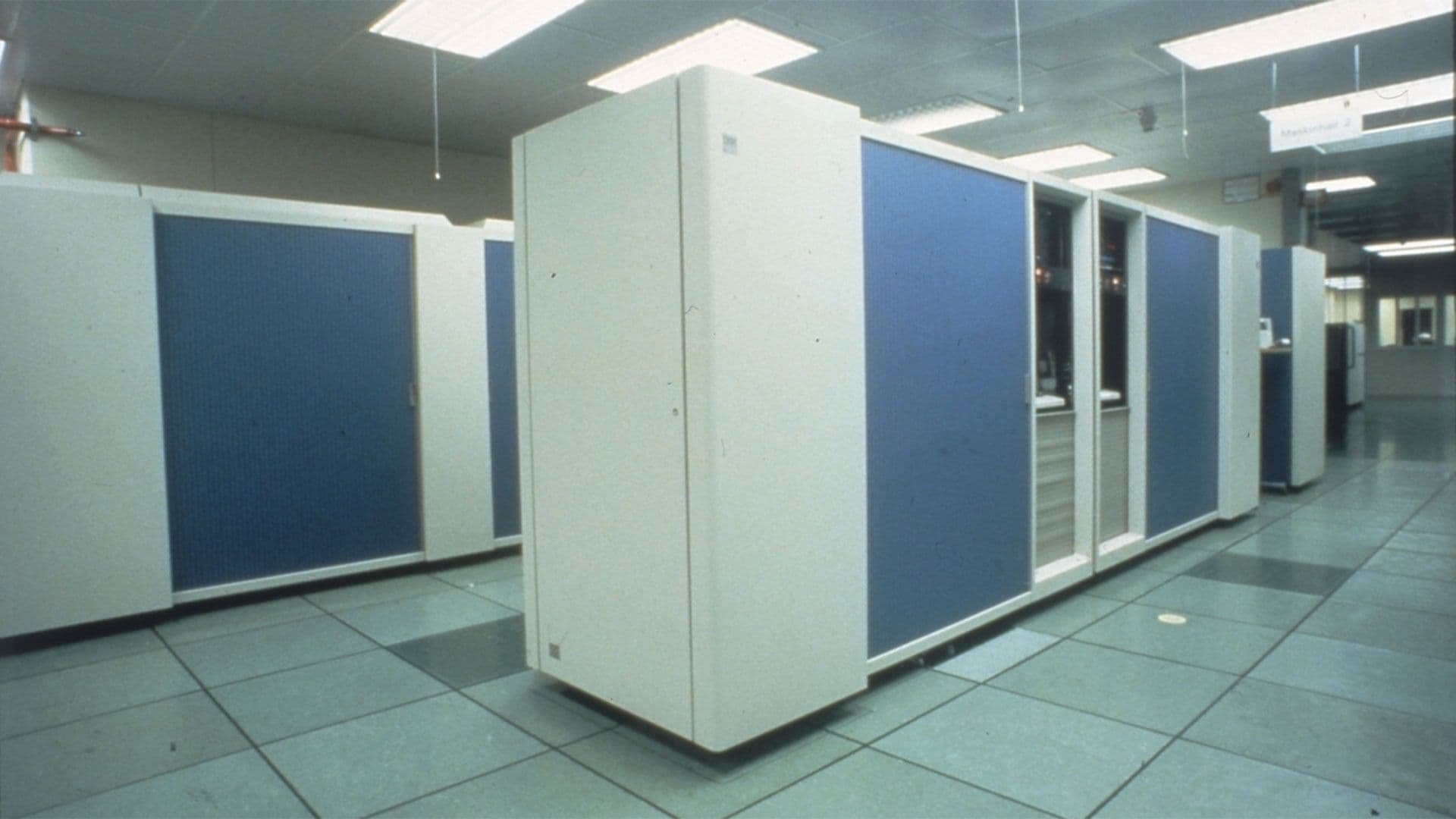
Colossus 1 was Elon Musk's showcase project. He launched it in 19 days. That speed came with a tradeoff. The facility runs a mix of H100, H200, and GB200 GPUs. For training AI models, this creates bottlenecks. The faster GB200 chips sit idle waiting for older GPUs to complete each step.
Anthropic found a better use. It's running inference workloads, where the mixed hardware matters less, to serve its growing user base.
Data Centers Now Outpace Rockets and Starlink
The math is striking. Reuters estimates these two deals alone will generate more than $25 billion annually for SpaceX. That exceeds the less than $20 billion the company made from Starlink, launch services, and AI revenue combined in 2025.
SpaceX built its reputation launching satellites cheaper than NASA. It built Starlink into a global internet provider. Now its data center business is bigger than both.
IPO and Orbital Data Center Ambitions
These contracts total more than $70 billion. They're timed to lift SpaceX's valuation ahead of its targeted $1.75 trillion IPO on June 12, 2026.
SpaceX isn't stopping at ground-based data centers. The company acquired xAI earlier this year. It filed documents with the FCC detailing plans for orbital data centers. Google is reportedly in talks to use that space-based compute capacity too.
Why Google Needs Outside Compute
Google invented the TPU. It operates some of the world's largest data centers. Why lease Nvidia GPUs from a rocket company?
The answer is demand. Enterprise adoption of Gemini and other AI products is outpacing Google's ability to build infrastructure. Hardware manufacturing has its own bottlenecks. Leasing from SpaceX provides capacity faster than constructing new facilities.
Online discussions on Reddit and Hacker News focus on this paradox. Users express surprise that Google depends so heavily on Nvidia hardware leased through a competitor's parent company. Many speculate that compute capacity is now the primary bottleneck for the entire AI industry.
What This Means for the AI Infrastructure Market
Two of the world's largest AI companies are now paying SpaceX for compute. Google and Anthropic chose Musk's data centers over building their own capacity fast enough. This signals that GPU access has become more valuable than launch contracts or satellite subscriptions.
SpaceX's pivot also pressures traditional cloud providers. AWS, Azure, and Google Cloud all sell GPU compute. Now they're competing with a company that can build data centers in 19 days and has $70 billion in committed contracts.




Logicity's Take
Frequently Asked Questions
How much is Google paying SpaceX for compute?
Google will pay $920 million per month for access to 110,000 Nvidia GPUs. The contract runs from October 2026 through June 2029, totaling over $25 billion.
What happens if SpaceX can't deliver all 110,000 GPUs?
SpaceX has until September 30, 2027, plus a one-month grace period, to reach full capacity. If it fails, Google can cancel the deal or accept fewer GPUs at proportionally lower rates.
Why is Google leasing GPUs instead of using its own TPUs?
Demand for Google's Gemini Enterprise platform is outpacing its infrastructure expansion. Leasing from SpaceX provides bridge capacity while Google builds out its own data centers.
How does SpaceX's data center revenue compare to its other businesses?
Reuters estimates the Google and Anthropic deals will generate over $25 billion annually. That exceeds SpaceX's combined 2025 revenue from Starlink, launch services, and AI, which totaled less than $20 billion.
When is SpaceX's IPO?
SpaceX is targeting a $1.75 trillion IPO on June 12, 2026. These data center contracts are timed to boost the company's valuation ahead of that date.
Need Help Implementing This?
Source: Latest from Tom's Hardware
Manaal Khan
Tech & Innovation Writer
Produced with AI assistance and reviewed by the Logicity editorial team. Learn more in our Editorial Policy.