Key Takeaways
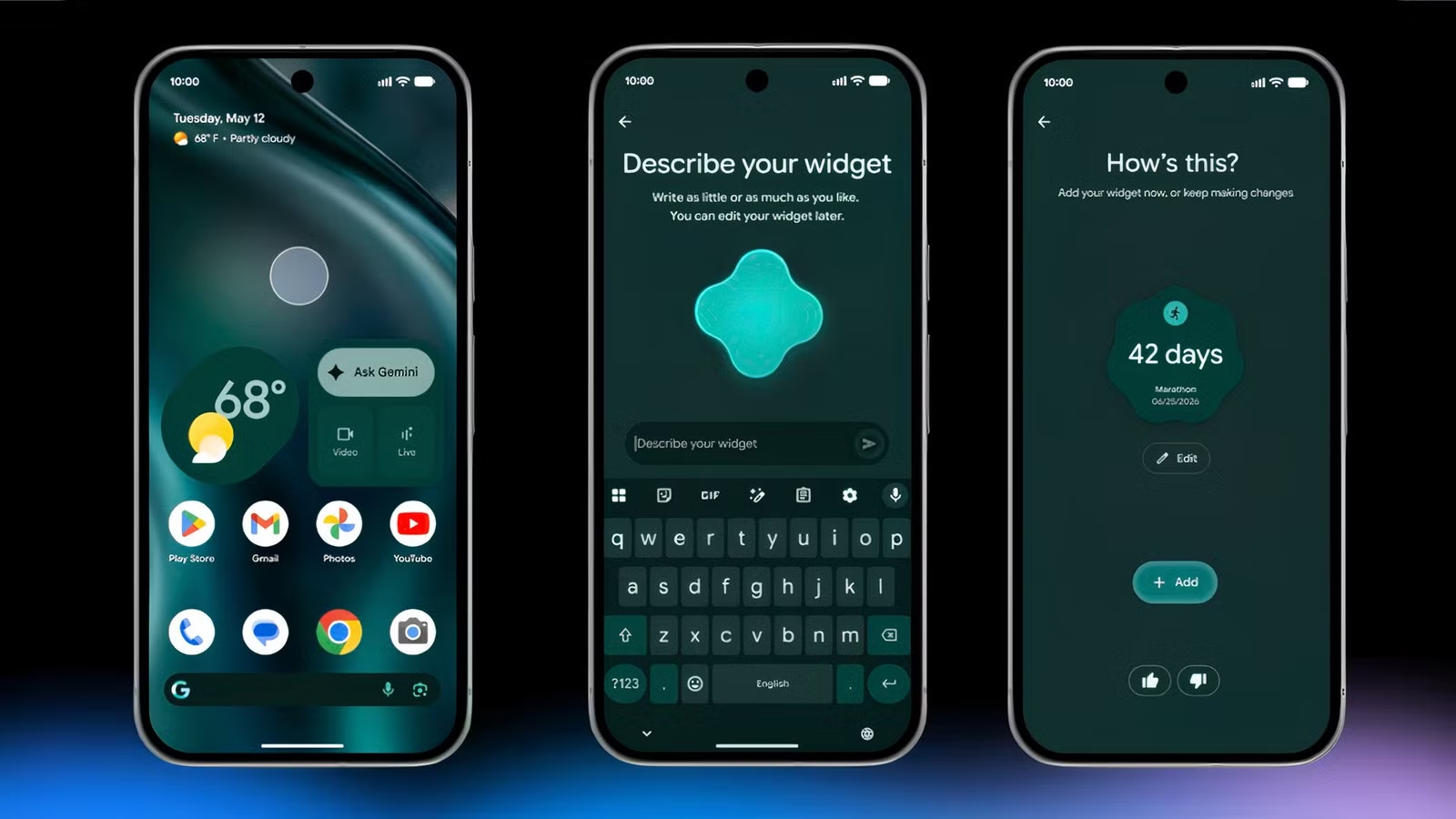
- Create My Widget generates custom Android widgets from plain-language descriptions
- Agentic AI can handle multi-step tasks across apps while you confirm results at the end
- Rolling out this summer to Samsung Galaxy, Pixel, and Wear OS devices
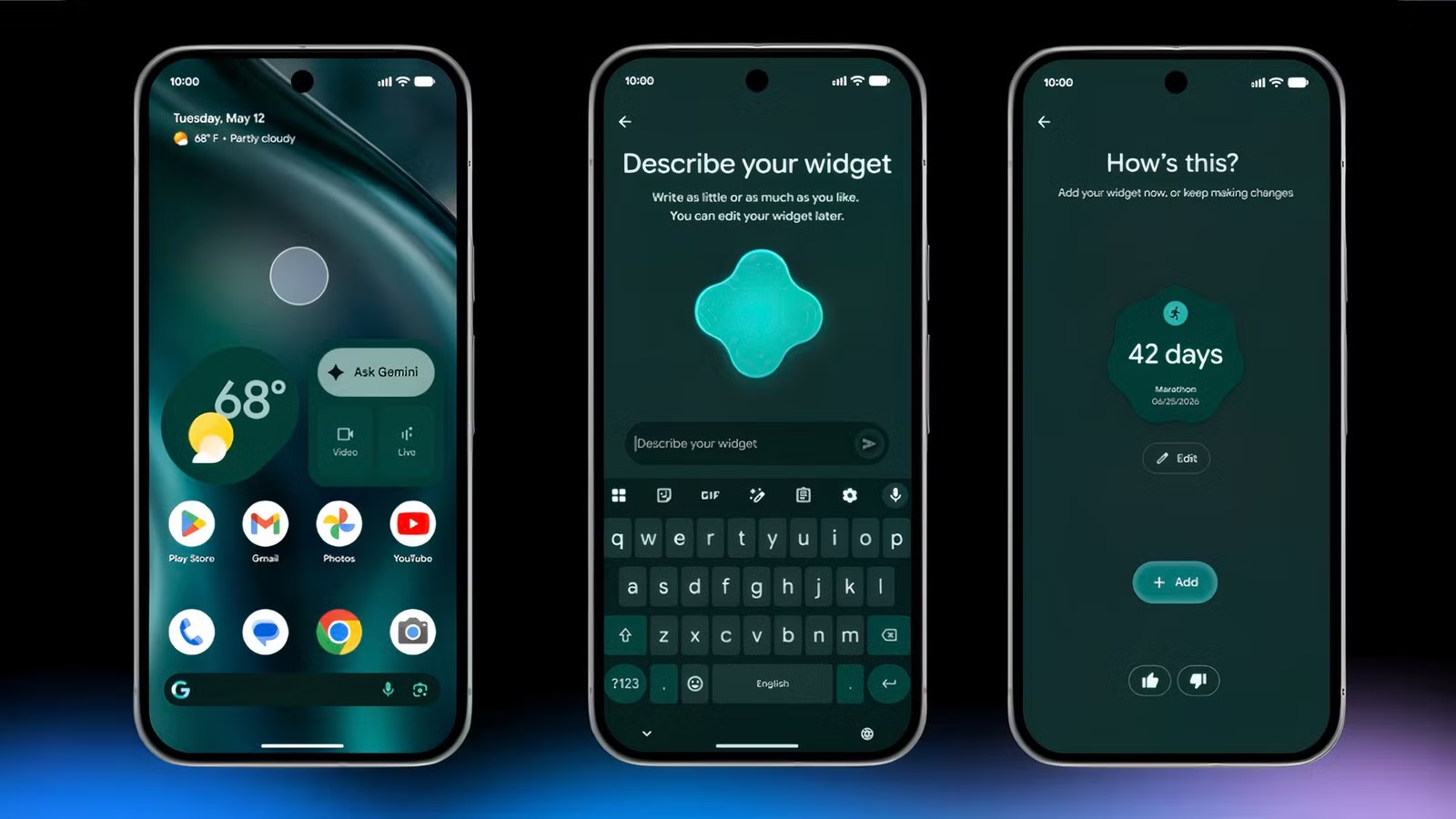
Google has announced Gemini Intelligence for Android, a significant update arriving this summer that brings AI-generated widgets and task automation to Samsung Galaxy and Pixel devices. The centerpiece is Create My Widget, a tool that builds custom home screen widgets based on text descriptions.
Create My Widget: Describe It, Get It
The concept is simple. You tell Gemini what you want a widget to do, and it builds one. Google's example: a meal prepper could say "Suggest three high-protein meal prep recipes every week," and Gemini generates a dashboard widget that can be added and resized on the home screen.
These widgets aren't static. Google says they adapt to your needs over time, pulling from Gemini's underlying AI capabilities. The feature also works on Wear OS watches, so the same personalized information surfaces on your wrist.
This is Google taking a swing at generative UI. Instead of developers building every possible widget configuration, users describe what they need and the system generates it. It's a departure from Android's traditional widget approach, where you pick from a fixed menu of options.
Agentic AI: Multi-Step Task Automation
Beyond widgets, Gemini Intelligence brings what Google calls agentic AI. This is automation that can handle multiple steps across different apps without constant supervision.
Google offered several examples. You could ask Gemini to reserve a front-row bike at your spin class. Or find a class syllabus buried in Gmail, then add the required books to a shopping cart. The AI handles the navigation and logistics. You confirm at the end.
- Long-press the power button to activate Gemini for quick commands
- Snap a photo of a travel brochure and ask Gemini to find similar tours on Expedia
- Build grocery delivery carts from a shopping list
- Track task progress through live notifications
Food delivery and ride share apps also get integration. The system uses screen and image context, meaning it can see what you're looking at and act on it. This puts Google in direct competition with Apple's Siri automation efforts and third-party tools like Shortcuts.
Personal Intelligence: Smarter Form Filling
Google also announced Personal Intelligence, which expands autofill capabilities across Android apps. The company says it fills in more text instantly, though specifics on which fields and apps are supported weren't detailed in the announcement.
A separate feature called Rambler converts spoken thoughts into concise text. You talk, it summarizes. Google says no audio is stored, addressing a common privacy concern with voice processing.
Samsung Galaxy devices will receive Gemini Intelligence features
Availability and Device Support
Gemini Intelligence rolls out this summer to the latest Samsung Galaxy devices, Google Pixel phones, and Wear OS watches. Google did not specify minimum hardware requirements or whether older devices will receive the features.
The timing aligns with Google's broader push to embed Gemini across its product lineup. The company has been integrating the AI model into Search, Workspace apps, and now the Android operating system itself.
Google's broader AI hardware and software strategy
Logicity's Take
Create My Widget is the most interesting part of this announcement. AI that writes code for you is everywhere now. AI that builds UI for you is still rare. If Google executes well, describing a widget could become easier than hunting through settings menus. The agentic automation features sound useful in demos but will live or die on reliability. One wrong purchase confirmation and users will turn it off permanently.
Frequently Asked Questions
When does Gemini Intelligence release for Android?
Google says Gemini Intelligence rolls out this summer to Samsung Galaxy and Pixel devices.
How does Create My Widget work?
You describe what you want in plain language, like 'suggest three high-protein recipes every week,' and Gemini builds a custom widget you can add to your home screen.
Does the agentic AI require approval for each action?
Google says you track progress through notifications and confirm you're happy with results at the end, suggesting you review before final actions complete.
Will older Android phones get Gemini Intelligence?
Google only mentioned the latest Samsung Galaxy and Pixel devices. No details on minimum hardware requirements or older device support.
Does Rambler store voice recordings?
Google says Rambler converts spoken thoughts to text without storing audio.
Need Help Implementing This?
If your organization is building Android apps that need to work with Gemini's new widget and automation features, we can connect you with developers who specialize in Google's AI integrations. Reach out to our team for guidance on preparing your apps for the Gemini Intelligence rollout.
Source: MakeUseOf
System-Wide Integration and Premium Hardware Targets
The new article specifies that Gemini Intelligence will be integrated into Chrome on Android and system-wide autofill suggestions. It also identifies the Galaxy S26 series as a primary target for these premium features and mentions a new 'Liquid Glass' visual interface design.
New Productivity Tools and Cross-Device Expansion
The new article reveals specific features coming to Chrome in June, such as Auto Browse for booking appointments and content summarization. It also introduces 'Rambler' for Gboard, which filters natural speech disfluencies, and confirms the suite's expansion to cars, glasses, and laptops later this year.
Auto Browse and Enhanced App Automation
The new source introduces the 'Auto Browse' feature for Android 12 and higher, arriving in late June to handle multi-step web tasks via Chrome. It also clarifies that current app automations are restricted to specific categories like food delivery and ride-hailing, while providing new examples like extracting book lists from Gmail or booking travel from photos.
Android 17 Creator Tools and Instagram Enhancements
The new article provides details on Android 17's creator features, including Screen Reactions for simultaneous front-camera and screen recording. It also highlights major Instagram enhancements like Ultra HDR support, Night Sight integration, and the upcoming arrival of Adobe Premiere on Android.
Huma Shazia
Senior AI & Tech Writer
Produced with AI assistance and reviewed by the Logicity editorial team. Learn more in our Editorial Policy.