Key Takeaways
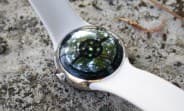
- Four model numbers certified: G0F3Y, G1XJ6, G25QD, and GFW3R covering 41mm/45mm sizes and Wi-Fi/cellular variants
- The watch will reportedly feature a custom Tensor chip, replacing the Qualcomm Snapdragon used in previous generations
- Health sensors include heart rate, SpO2, pulse monitoring, and skin temperature tracking
Four Models, Two Sizes
Google's next smartwatch just took a significant step toward launch. India's Bureau of Indian Standards (BIS) has certified four Pixel Watch 5 model numbers: G0F3Y, G1XJ6, G25QD, and GFW3R. The four variants likely represent the full product lineup: 41mm and 45mm case sizes, each available in Wi-Fi-only and cellular versions.
BIS certification is a standard regulatory requirement for electronics sold in India. While it doesn't reveal a launch date, products typically reach certification within months of their commercial release. Given Google's pattern of launching Pixel hardware in the fall, the Pixel Watch 5 will likely debut alongside the next Pixel smartphone lineup.
That Scuba Diving Leak
The certification follows one of the stranger leaks in recent memory. Earlier this week, images surfaced of what appeared to be a Pixel Watch 5 prototype found underwater by a scuba diver. The leaked unit was the 45mm version and revealed several hardware details that the certification now indirectly confirms.
Reddit's r/PixelWatch community has been skeptical about the leak's authenticity. Some users suspect it was a deliberate viral marketing stunt rather than a genuine accident. Whether staged or not, the leak succeeded in generating significant attention for Google's upcoming wearable.
What We Know About the Hardware
Between the underwater leak and earlier rumors, a picture of the Pixel Watch 5's capabilities is emerging. The watch will include a heart rate sensor, pulse sensor, SpO2 monitoring, and skin temperature tracking. A UWB chip is also confirmed, enabling precise location tracking and device-finding features.
The most significant rumored change is under the hood. Previous Pixel Watches used Qualcomm Snapdragon processors, but the Pixel Watch 5 is expected to switch to a custom Tensor chip. This would bring Google's wearable in line with its smartphone strategy of using proprietary silicon.
“The move to a custom Tensor chip in the wearable space signals Google's commitment to vertical integration and specialized AI-driven health tracking, finally distancing the lineup from reliance on external silicon.”
— Elena Rossi, Senior Wearable Analyst at TechInsights
The display may also see a major upgrade. Rumors point to an LTPO AMOLED panel branded "Actua" with a peak brightness of 3,000 nits. For context, the Apple Watch Series 9 peaks at 2,000 nits. Brighter displays improve outdoor visibility, particularly useful for fitness activities.
Why Custom Silicon Matters
Google's Tensor chips in Pixel phones have focused heavily on AI and machine learning tasks. A wearable version could improve on-device health data processing, voice recognition, and battery efficiency. The Pixel Watch has faced criticism for battery life compared to competitors, so any efficiency gains would address a genuine weakness.
Vertical integration also gives Google more control over software optimization. When the same company designs both the chip and the operating system, it can fine-tune performance in ways that third-party silicon doesn't allow. Apple has used this approach with the S-series chips in Apple Watch for years.
Another recent hardware launch pushing battery and display improvements
What's Still Unknown
Several key details remain unconfirmed. Pricing hasn't leaked, though expect incremental increases if the Tensor chip and display upgrades prove true. Battery capacity and estimated life are also unknown. The previous Pixel Watch 4 offered roughly 24-hour battery life, a figure that competitors have surpassed.
Design changes are unclear as well. The leaked images suggest continuity with the circular aesthetic of previous models, but photos from a waterlogged prototype don't reveal subtle refinements. Band compatibility with older Pixel Watch accessories would be convenient for existing users but hasn't been confirmed.
Logicity's Take
Frequently Asked Questions
When will the Google Pixel Watch 5 be released?
No official date has been announced. Based on Google's typical release pattern and the timing of BIS certification, expect a launch alongside the Pixel 10 smartphones in fall 2026.
What sizes will the Pixel Watch 5 come in?
The certification lists four model numbers suggesting 41mm and 45mm case sizes, each available with Wi-Fi-only or cellular connectivity.
Will the Pixel Watch 5 have a new processor?
Rumors indicate a switch from Qualcomm Snapdragon to a custom Google Tensor chip, though this hasn't been officially confirmed.
What health features will the Pixel Watch 5 include?
Confirmed sensors include heart rate monitoring, pulse sensor, SpO2 blood oxygen tracking, and skin temperature measurement.
Is the Pixel Watch 5 scuba diving leak real?
A prototype was reportedly found underwater by a scuba diver. Some online communities suspect it may have been a deliberate marketing stunt, but the device shown matches expected specifications.
Need Help Implementing This?
Source: GSMArena.com / Michail
Huma Shazia
Senior AI & Tech Writer
Produced with AI assistance and reviewed by the Logicity editorial team. Learn more in our Editorial Policy.