Key Takeaways
- The $99 Google Home Speaker doubles the entry-level price by discontinuing the $49 Nest Mini
- Sound quality beats HomePod mini but falls short of the discontinued Nest Audio's dedicated tweeter setup
- A $10/month Google Home subscription unlocks key features like Gemini Live and camera notifications
Nine months after Google announced its new smart speaker, the $99 Google Home Speaker finally reaches store shelves. Engadget rates it 8/10, praising the compact design and improved audio over the Nest Mini while questioning whether Gemini for Home is ready to run your connected devices. The bigger issue: Google no longer sells a speaker under $99, and several features now require a monthly subscription.
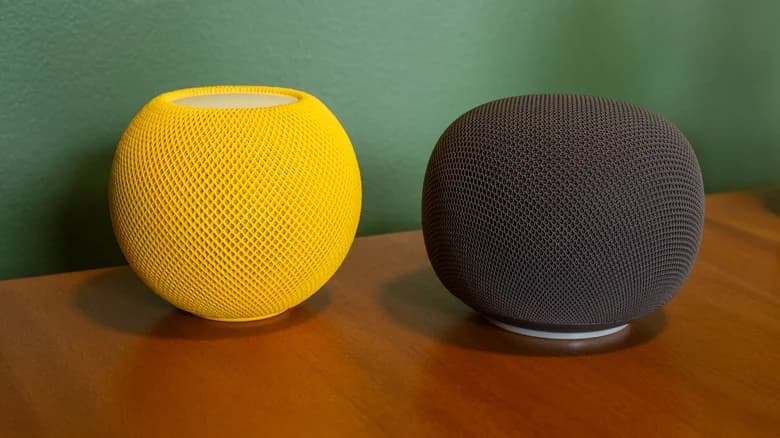
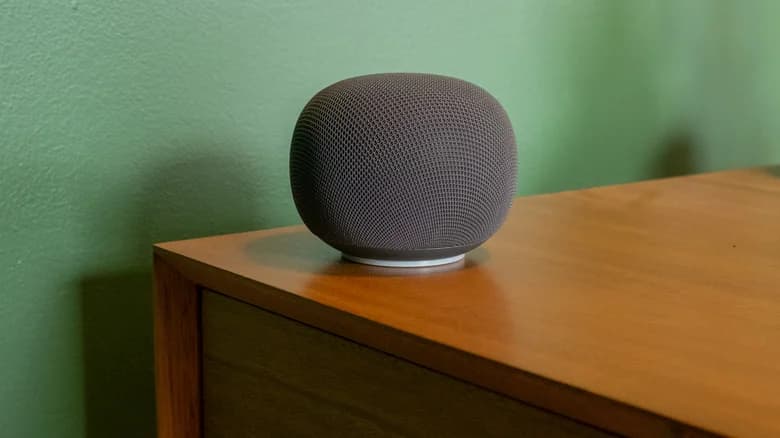
The speaker looks like Apple's HomePod mini. It fires audio in 360 degrees, uses far-field microphones for voice commands, and comes in four colors: off-white, dark grey, berry, and sage. Nothing here changes the game. But Google hadn't updated its smart speaker hardware in six years (Nest Audio) to seven years (Nest Home Mini), so any refresh was overdue.
How does the Google Home Speaker sound?
This speaker replaces both the $99 Nest Audio and $49 Nest Mini. Google effectively killed its budget option. The Home Speaker packs a 58mm driver compared to the Nest Mini's 40mm, delivering what Google claims is 2.5x stronger bass. Reviewer Nathan Ingraham confirms it's a clear upgrade from the Mini, which he never wanted to use for anything beyond casual playback.
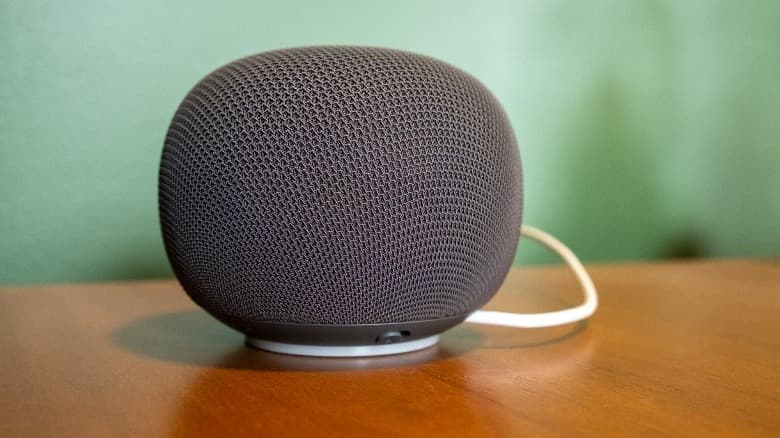
Against the discontinued Nest Audio, the new speaker takes a step back. The Nest Audio had a dedicated tweeter plus a 75mm woofer. The Home Speaker's single-driver setup can't match that separation. Still, it fills small to medium rooms with decent sound, plays louder than the HomePod mini, and matches Amazon's $99 Echo Dot Max on bass presence.
“I don't understand why it took the company so long to get it to market, as there's nothing that particularly changes the game here hardware-wise.”
— Nathan Ingraham, Engadget
Is Gemini for Home a capable smart home assistant?
The hardware story is straightforward. The software story is messier. This is Google's first speaker built explicitly for Gemini for Home rather than the original Google Assistant. A light ring around the base changes color when you speak, when Gemini processes, and when it responds. Three far-field microphones pick up commands across the room, even over music.
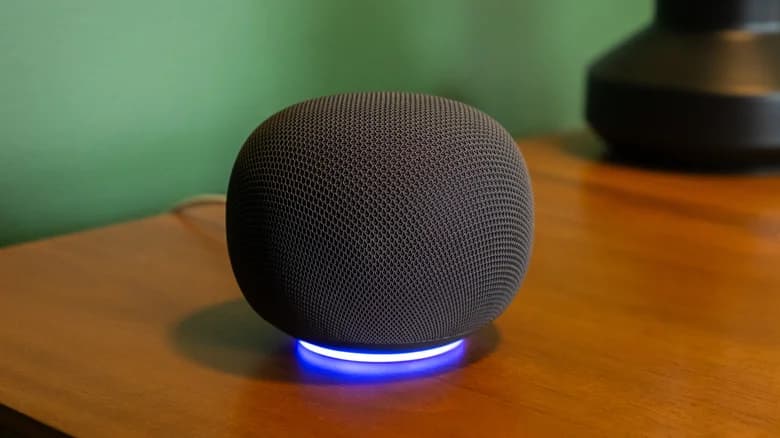
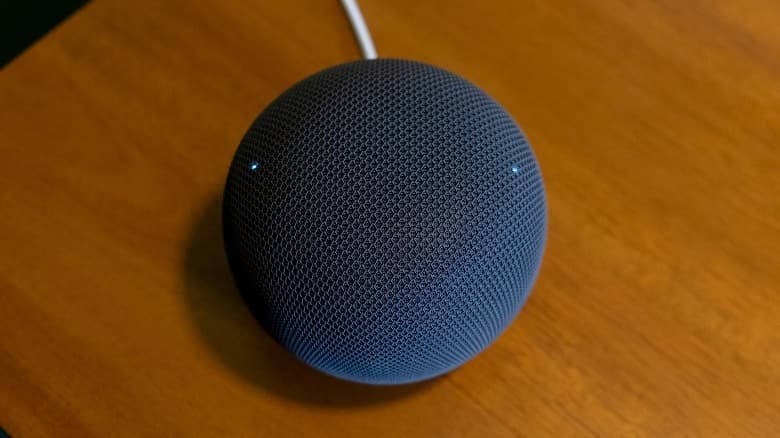
Touch controls sit on top: tap left or right for volume, tap the middle to pause or resume. The microphones performed well in testing. But Engadget flags that the Google Home platform has been buggy lately, which matters more than microphone sensitivity when your lights won't turn off.
What do the Google Home subscription plans include?
Google now offers two subscription tiers that gate features previously included free. The Standard plan costs $10/month ($100/year). The Premium plan runs $20/month ($200/year).
Standard includes 30 days of event-based video history from cameras and doorbells, Gemini Live for conversational interactions, familiar face recognition alerts, garage door notifications, package alerts, and smoke or CO2 alarm notifications.
Premium doubles video history to 60 days, adds 10 days of continuous 24/7 recording for wired cameras and doorbells, enables video history search, and provides daily summaries of recorded events with more detailed notifications.
Unless you run a serious video security setup, the Standard plan covers most households. The subscription requirement for Gemini Live conversations feels like the bigger ask. Interactive AI chat is a headline feature, and paywalling it pushes Google closer to Amazon's playbook with Alexa+.
Should you buy the Google Home Speaker?
At 8/10, Engadget recommends the speaker with reservations. The pros are real: good sound for the size, a compact design that doesn't dominate a shelf, and that tasteful light ring. The cons sting. Google killed its sub-$99 option. Platform bugs persist. And the subscription model locks away features that define why you'd want a Gemini speaker in the first place.
If you're already in Google's ecosystem with Nest cameras and smart home devices, this is the obvious upgrade path. If you're starting fresh, the subscription math adds up fast. A $99 speaker plus $100/year for Standard means you're spending $199 in year one for the full experience.
✅ Pros
- • Good sound quality for the price and size
- • Compact, unobtrusive design in four colors
- • Light ring provides clear visual feedback
- • Reliable far-field microphones
❌ Cons
- • No Google speaker under $99 anymore
- • Subscription required for Gemini Live and camera features
- • Google Home platform has stability issues
- • Sound quality below the discontinued Nest Audio
Frequently Asked Questions
How much does the Google Home Speaker cost?
$99, which replaces both the $99 Nest Audio and $49 Nest Mini. Google no longer sells a budget smart speaker.
Do I need a subscription for the Google Home Speaker?
Basic functions work without a subscription, but Gemini Live conversations, camera event history, and smart home alerts require the $10/month Standard or $20/month Premium plan.
Is the Google Home Speaker better than HomePod mini?
Engadget reports it's significantly louder with stronger bass than the HomePod mini. Design-wise, they're similar compact orbs.
Does the Google Home Speaker use Google Assistant or Gemini?
It's the first Google speaker built for Gemini for Home, the AI-powered replacement for Google Assistant.
What colors does the Google Home Speaker come in?
Four options: off-white, dark grey, berry (pinkish-red), and sage (light green).
Logicity's Take
The subscription model is the story here, not the hardware. Google is following Amazon's lead with Alexa+, but doing it less gracefully. Amazon kept a free tier with real utility. Google is charging $10/month for Gemini Live, the feature that justifies calling this a Gemini speaker at all. For enterprises evaluating smart home platforms, the total cost of ownership just got harder to calculate, and Google's recent platform instability makes that math riskier.
How AI agents are reshaping consumer-facing technology beyond smart home devices
Need Help Implementing This?
Planning a smart home or office deployment? Logicity covers the tech decisions that matter for business. Subscribe for analysis on AI assistants, IoT platforms, and the subscription economics reshaping enterprise hardware.
Source: Engadget
أوامر Gemini العملية: كيف تستفيد من مساعد Google الجديد في منزلك الذكي
المقال الجديد يقدم أوامر عملية محددة لاستخدام Gemini في المنزل الذكي، مثل البحث في سجل الكاميرات بالصوت ومشاهدة البث المباشر على شاشة Nest Hub. كما يتضمن تجربة شخصية حول نقاط قوة Gemini مثل تعدد المهام والفهم المحادثي، وهي تفاصيل تطبيقية غير موجودة في مقالنا الأصلي.
Manaal Khan
Tech & Innovation Writer
Produced with AI assistance and reviewed by the Logicity editorial team. Learn more in our Editorial Policy.