Key Takeaways
- Google's new $99.99 Home Speaker is its first standalone smart speaker since the Nest Audio launched in September 2020
- Gemini integration allows natural language requests, multi-step commands, and mid-sentence corrections
- Advanced features like Gemini Live require a $10/month Google Home Premium subscription after a 6-month free trial
Google announced a $99.99 Google Home Speaker on Wednesday, its first standalone smart speaker since the Nest Audio debuted in September 2020. The device runs on Gemini AI natively, letting users speak in natural language rather than rigid command phrases. Pre-orders start now, with shipping later this month.
The nearly six-year gap tells a story. When the Nest Audio launched, smart speakers were essentially voice-activated remote controls. They played music, set timers, and controlled lights, but only if you phrased your request exactly right. Miss a keyword, get an error. Google is betting Gemini changes that equation.
What can Gemini actually do on this speaker?
The core pitch is flexibility. Instead of memorizing command syntax, you talk like a human. Google's examples include "turn off all the lights except for my bedside lamp" and "dim the kitchen lights, play some relaxing music, and set a timer for 20 minutes." Multi-step requests in a single breath.
More interesting: mid-sentence corrections. Say "turn off the coffee maker... I mean, turn it on!" and Gemini parses the correction without forcing you to start over. That sounds minor, but anyone who has repeated themselves three times to a smart speaker knows the frustration.
The speaker ships with 10 new voices and supports two-way conversations on general topics, not just smart home controls. A "Continued Conversation" feature keeps the microphone briefly active after a response, so follow-up questions don't require another "OK, Google" wake phrase.
The hardware: familiar form, new indicator
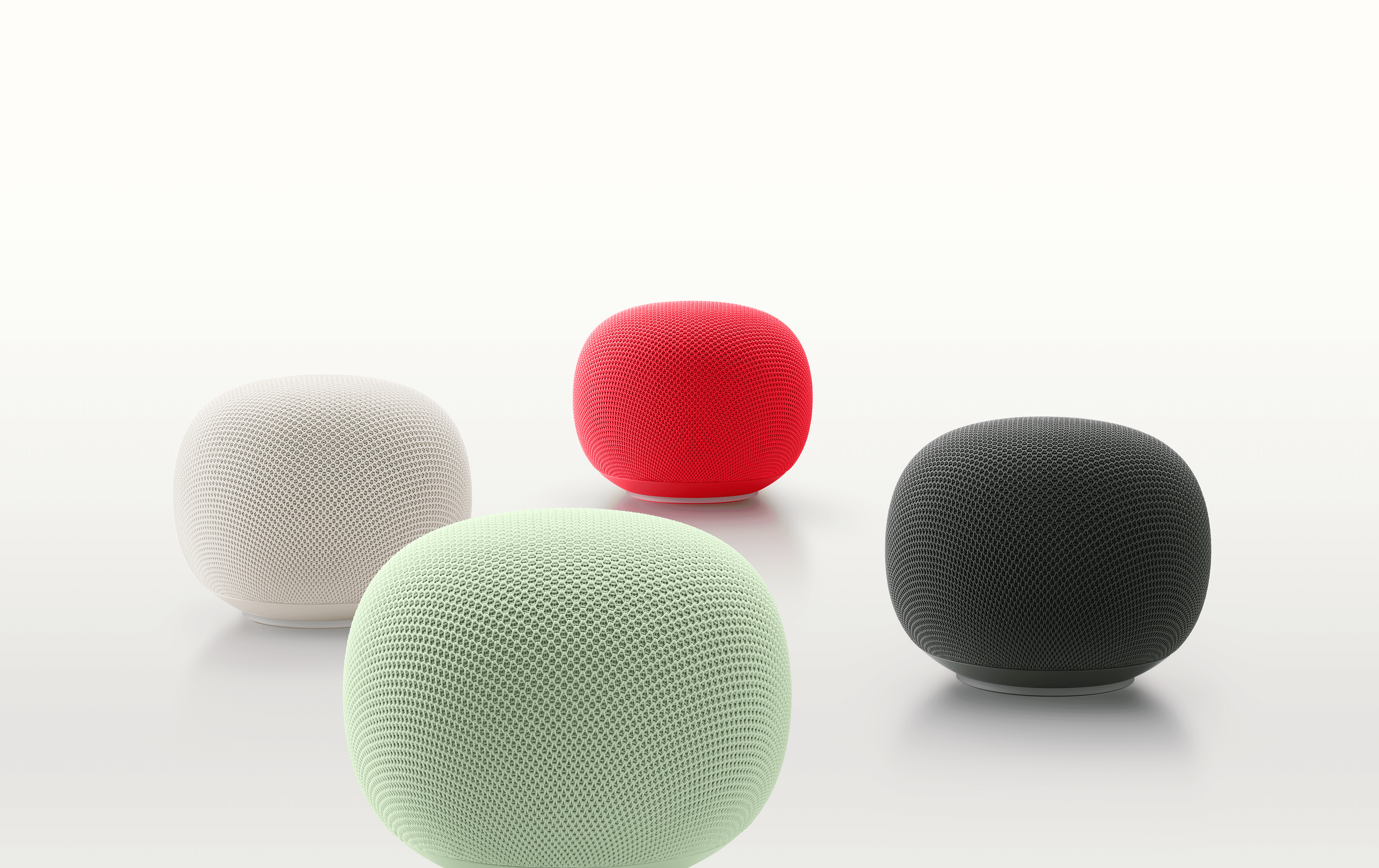
Physically, Google played it safe. The speaker measures 3.4 x 4.2 inches with a 3D-knit textile wrap, similar to previous Nest devices. U.S. buyers get Jade and Berry color options alongside the global Hazel and Porcelain variants.
One visible change: a ring light at the bottom indicates whether the speaker is listening, processing, or responding. Google claims 2.5x better bass performance compared to the original Nest Mini, though that comparison skips the more recent Nest Audio entirely.
What does Google Home Premium include?
Here's the catch. The headline Gemini features are free, but Google is launching a subscription tier for power users. Google Home Premium costs $10 per month or $100 annually and unlocks three main capabilities.
- Gemini Live: free-flowing conversations initiated with "Hey Google, let's chat"
- Nest camera integration: ask questions about activity captured on your home cameras and receive AI-generated summaries
- Home activity summaries: get a recap of what happened in your house while you were away
Pre-orders made before September 30, 2026 include six months of Premium free. Google is clearly betting that once users try the advanced features, they'll keep paying. Whether that bet pays off depends on how compelling those features prove in daily use.
Why Google waited this long
The smart speaker market stalled. Amazon's Echo, Google's Nest, and Apple's HomePod all hit a wall where incremental microphone and speaker improvements couldn't justify upgrades. Users bought one device and kept it for years. Revenue flatlined.
Generative AI offers a reason to buy again. If Gemini genuinely removes the friction of voice control, Google can restart the upgrade cycle and layer subscription revenue on top. The strategy mirrors what the company did with Pixel phones and Google One storage.
The subscription gamble
Ten dollars a month sounds modest, but it enters a crowded field. Households already juggle streaming services, cloud storage, and security subscriptions. Google is asking users to add another line item for smarter home AI.
The free tier needs to feel complete, not crippled. If basic Gemini commands work well, users may never feel the need to upgrade. If Google walls off too much functionality, reviews will turn hostile. The six-month trial suggests confidence, or at least a willingness to let the product sell itself before the paywall kicks in.
More on getting the most from your existing tech hardware
What this means for Amazon and Apple
Amazon has been integrating generative AI into Alexa, but the company has been quieter about standalone hardware refreshes. Apple's HomePod lineup leans heavily on audio quality and Apple ecosystem integration rather than conversational AI. Google moving first with a Gemini-native device puts pressure on both.
The next 12 months will likely see responses. If Google's approach gains traction, expect Amazon to accelerate its own AI speaker plans and Apple to consider how Siri's overhaul translates to home devices.
Logicity's Take
Google's real innovation here isn't the hardware. It's proving whether consumers will pay monthly for AI features they can already access free on their phones. The speaker is a Trojan horse for Google Home Premium subscriptions. If the conversion rate from free trial to paid subscriber exceeds 20%, expect every major tech company to copy this model within 18 months.
Frequently Asked Questions
When does the new Google Home Speaker ship?
Pre-orders are open now, with shipping expected later in June 2026.
Do I need a subscription to use Gemini on the Google Home Speaker?
No. Basic Gemini features including natural language commands and multi-step requests work without a subscription. Google Home Premium at $10/month adds Gemini Live conversations, Nest camera integration, and home activity summaries.
How does Google Home Speaker compare to Nest Audio?
The new speaker adds Gemini AI for natural language processing, 10 new voices, and Continued Conversation mode. Hardware dimensions are similar, but Google claims 2.5x better bass than the Nest Mini.
What colors does the Google Home Speaker come in?
U.S. buyers can choose Jade, Berry, Hazel, or Porcelain. International markets get Hazel and Porcelain only.
Is the six-month free trial available to everyone?
The free Google Home Premium trial applies to pre-orders made before September 30, 2026. Orders after that date may not include the promotion.
Need Help Implementing This?
Planning a smart home upgrade or evaluating AI assistant platforms for your organization? Reach out to Logicity's editorial team for vendor-neutral guidance on the latest connected home and enterprise voice AI solutions.
Source: TechCrunch / Sarah Perez
تفاصيل إضافية وموعد الإطلاق
The new article provides specific logistical updates, including that preorders are officially open and the device will launch on Thursday, June 25. It also details additional functionality such as the 'Continue Conversation' feature that keeps the microphone live for follow-ups and mentions 'Gemini Live' mode for natural back-and-forth interactions.
Huma Shazia
Senior AI & Tech Writer
Produced with AI assistance and reviewed by the Logicity editorial team. Learn more in our Editorial Policy.




