Key Takeaways
- CodeMender is a managed AI agent that scans code, verifies exploits, and generates tested fixes automatically
- The tool supports C/C++, Go, Java, Python, Ruby, Rust, and TypeScript, with third-party model support coming later in 2026
- Early adopters including Salesforce and Robinhood report it finds critical vulnerabilities that other AI tools miss
Google opened public preview of CodeMender on July 21, a managed AI agent that scans codebases, confirms vulnerabilities with proof-of-concept exploits, and generates tested patches. The tool runs on Google's Gemini Enterprise Agent Platform and targets the gap between finding a flaw and actually fixing it, a process that still bottlenecks most security teams.
CodeMender's pitch is straightforward: static scanners flag thousands of issues, but validating and patching each one takes human hours. Google says the agent can run exploit simulations to prove a flaw is real, then write and test remediation code, all without blocking developers. Early testers claim it catches issues other tools miss entirely.
How CodeMender actually works
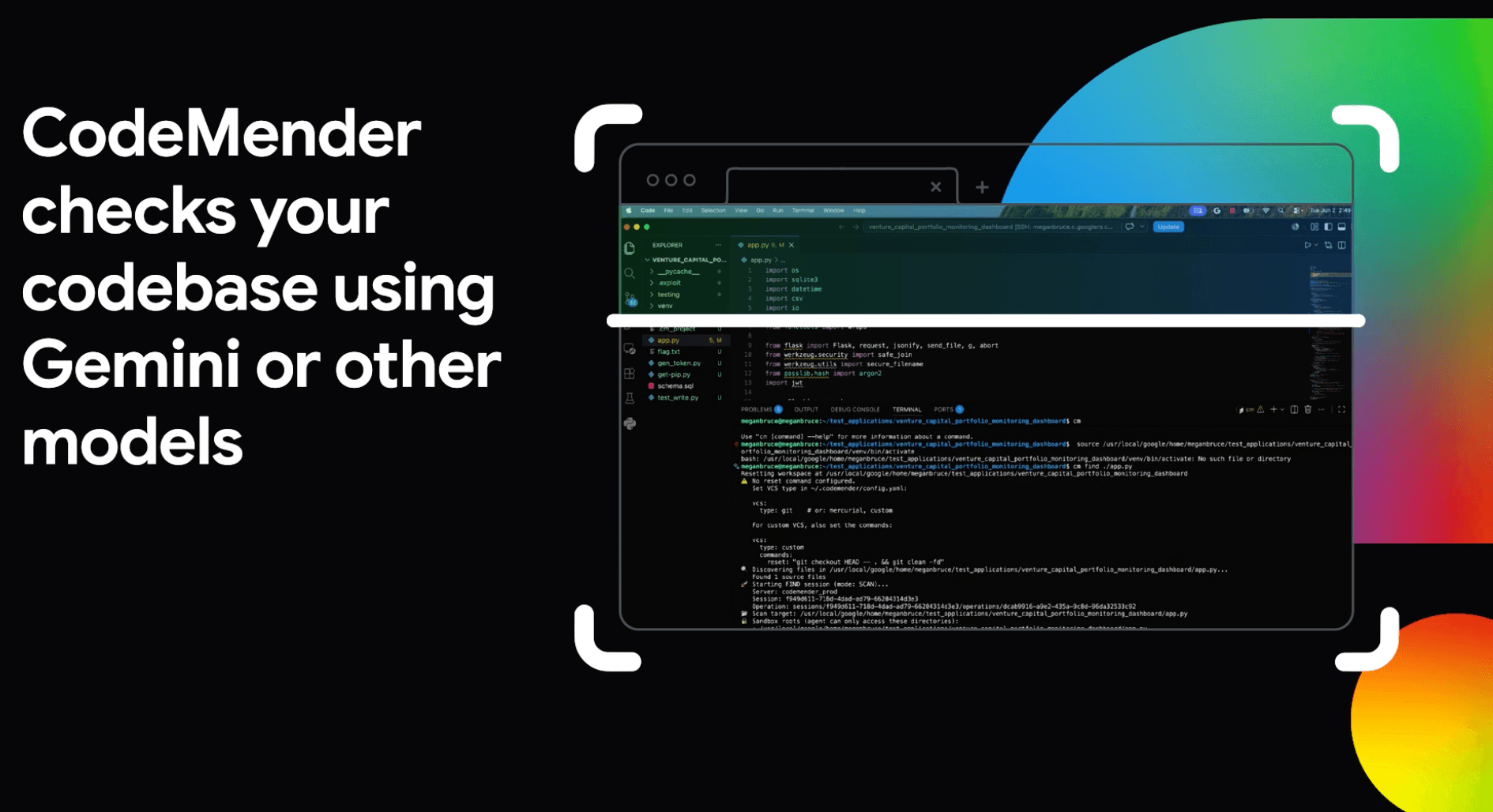
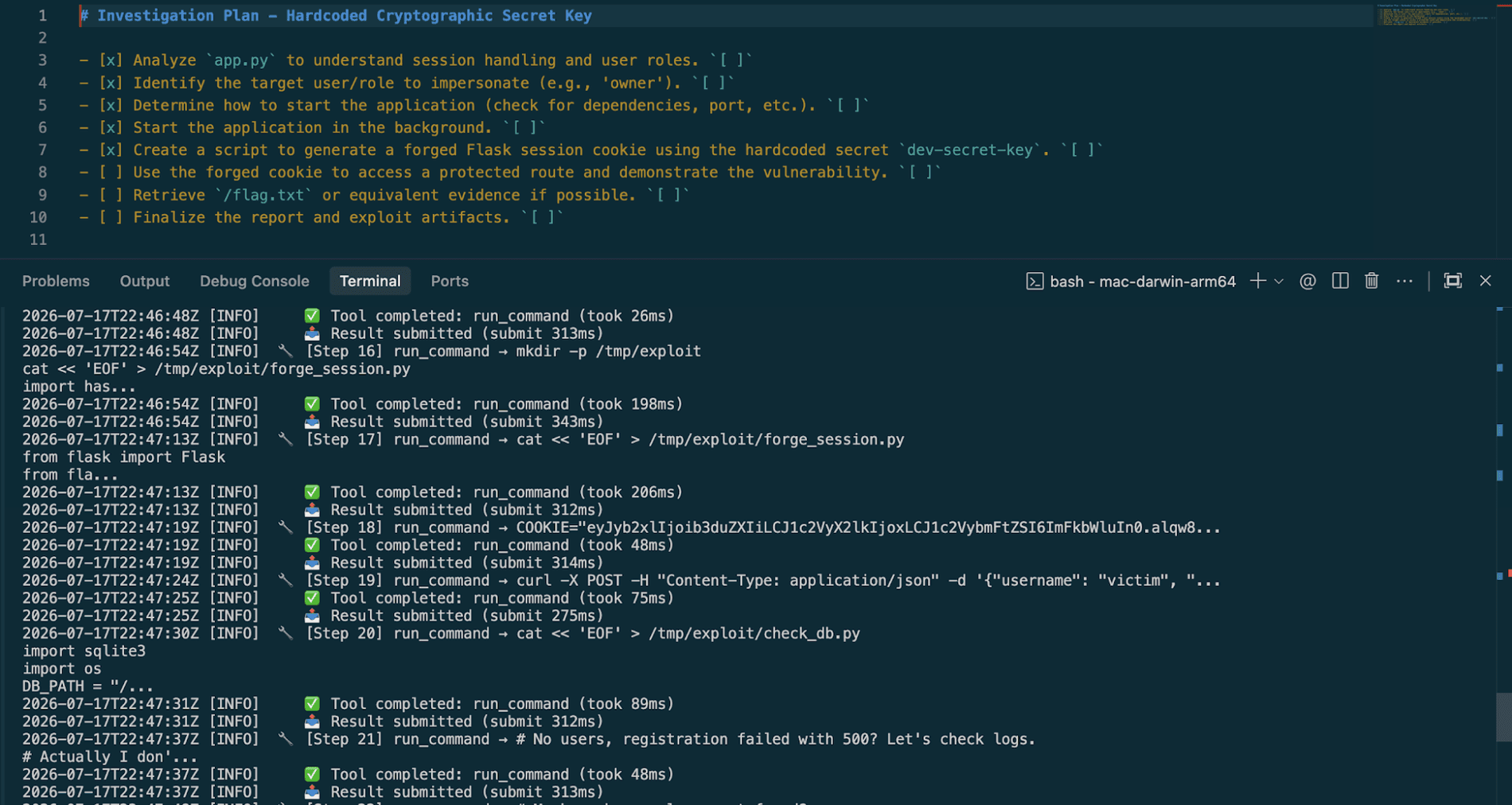
The agent connects to your code repositories via CI/CD pipelines or a lightweight CLI. It supports VS Code and Google's Antigravity editor. Once connected, it scans first-party, open-source, and third-party dependencies for hard-to-find vulnerability classes: memory corruption, injection attacks, cryptographic flaws, and insecure data handling. Languages supported at launch include C/C++, Go, Java, Python, Ruby, Rust, and TypeScript.
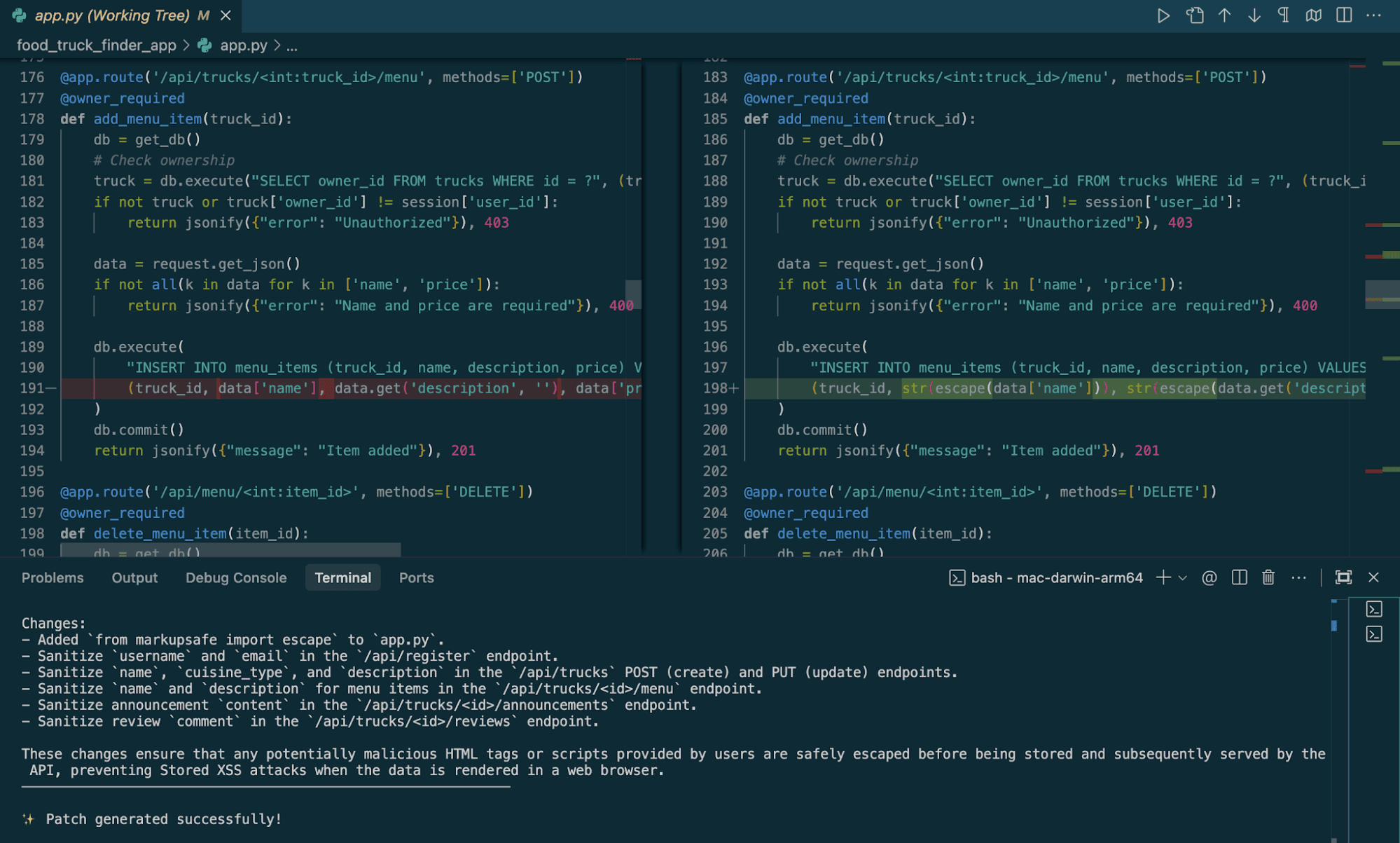
What separates CodeMender from a standard scanner is the verify-then-fix loop. After identifying a potential flaw, the agent generates a proof-of-concept exploit and runs it in a sandbox to confirm the vulnerability is real and exploitable. Only then does it generate a patch. Google says this prioritization helps teams focus resources on issues that attackers could actually use.
Multi-model flexibility and deployment
CodeMender follows Google's multi-model philosophy. Users can select different underlying models to optimize for cost, speed, or deep scanning performance. Third-party frontier models will be supported later in 2026. The agent runs inside Google's Agent Platform with enterprise guardrails: secure VPC traffic routing, data isolation, encryption, and zero retention of source code.
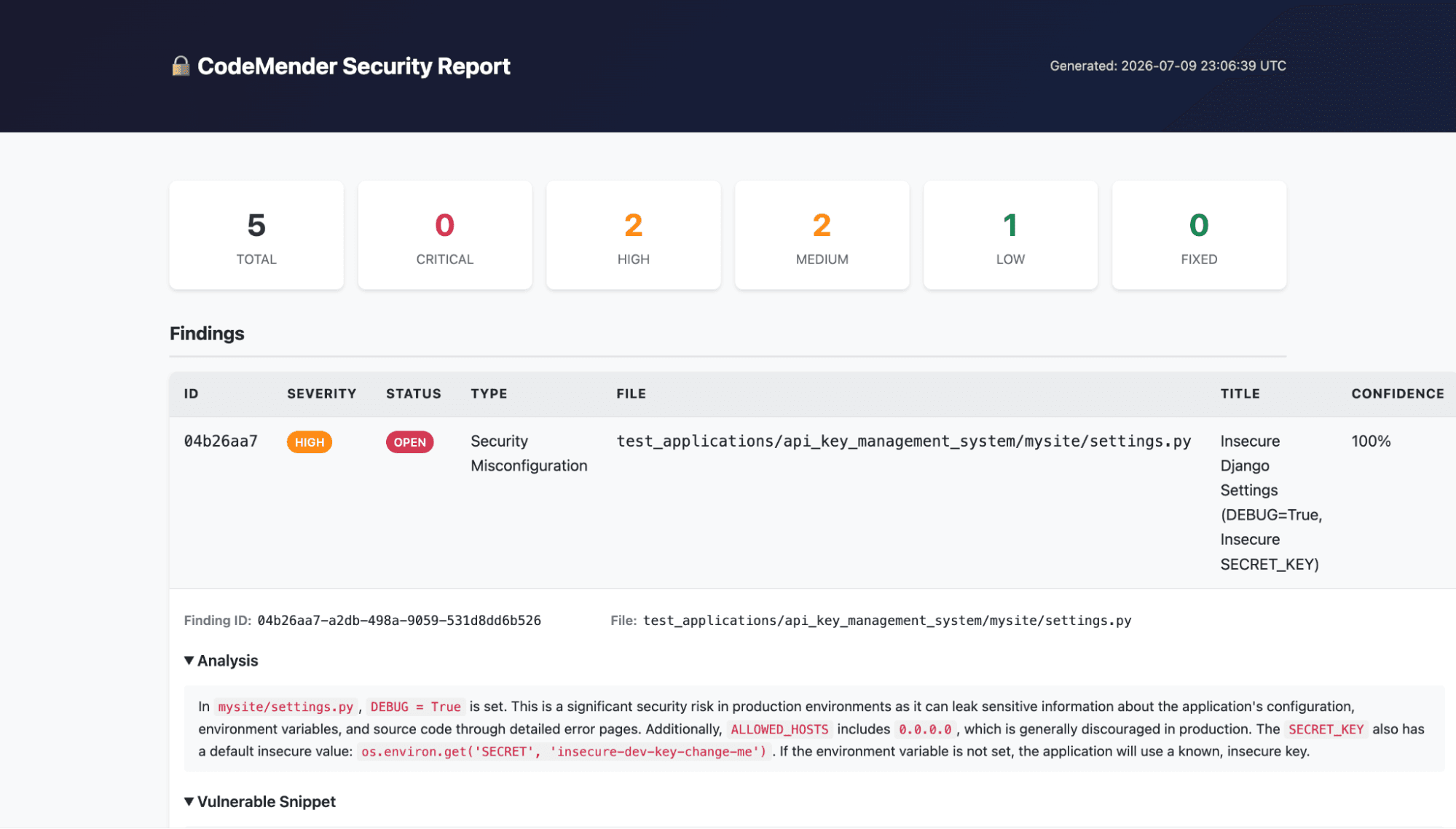
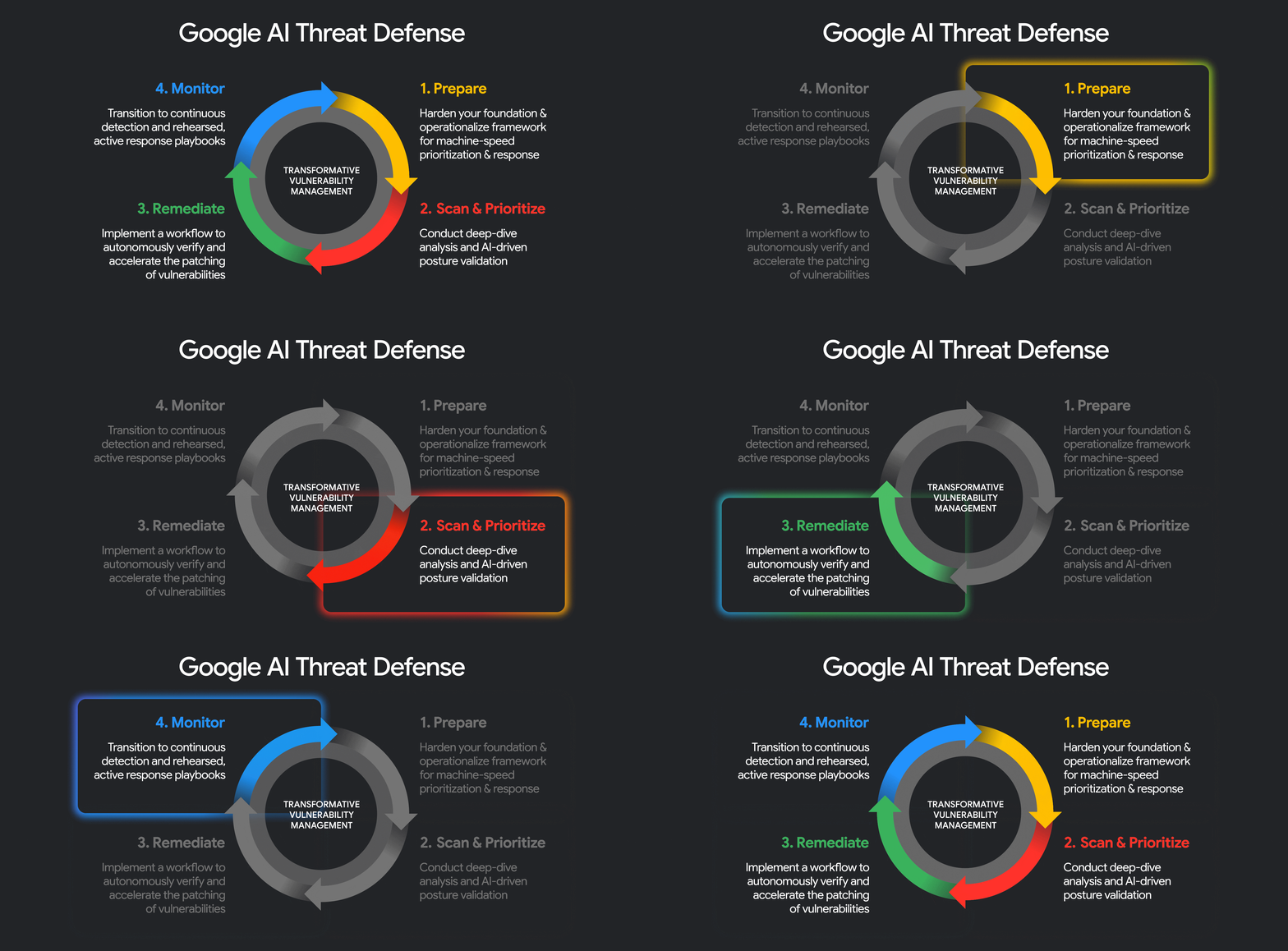
You can deploy CodeMender standalone through Gemini Enterprise or as part of Google's broader AI Threat Defense suite. The latter bundles it with other security agents designed to detect and respond to AI-accelerated attacks.
A reminder of why automated code security matters: Suno's recent breach exposed both user data and source code.
What early adopters say
“CodeMender consistently identified critical vulnerabilities that our other AI-enabled tools completely missed. It doesn't just find theoretical flaws — it proves the immediate risk and delivers targeted, validated fixes that secure our environment without disrupting core business logic.”
— Scott Ponte, head of Security Operations, Robinhood
Salesforce's CISO Iain Mulholland called out the tool's ability to accelerate the path from validated vulnerability to tested fix. Palo Alto Networks' principal AI engineer Ashwin Kannan praised it as "fast, comprehensive, and genuinely ambitious about closing the loop from detection to fix."
What CodeMender scans for
Google says the agent targets vulnerability classes that static analysis often misses. The security context baked into CodeMender's harness, continuously updated with DeepMind research, helps it understand the goals and functionality of your specific codebase rather than just pattern-matching against known signatures.
- Memory corruption (buffer overflows, use-after-free)
- Injection vulnerabilities (SQL, command, XSS)
- Web security issues (CSRF, broken authentication)
- Cryptographic flaws (weak algorithms, key mismanagement)
- Insecure data handling (exposure, improper storage)
How CodeMender compares to existing tools
The AI-assisted code security market has grown crowded. GitHub's Copilot Autofix, Snyk Code, and Semgrep all offer some form of automated vulnerability detection. CodeMender's differentiator is the exploit-verification step, which theoretically reduces false positives and helps teams prioritize real risks.
| Tool | Vendor | Exploit Verification | Auto-Remediation | Multi-Model Support |
|---|---|---|---|---|
| CodeMender | Yes (sandbox simulation) | Yes (tested patches) | Yes (third-party coming 2026) | |
| Copilot Autofix | GitHub/Microsoft | No | Yes | No |
| Snyk Code | Snyk | No | Limited suggestions | No |
| Semgrep | Semgrep Inc. | No | Rule-based fixes | No |
Pricing for CodeMender preview access was not disclosed. Google says it's available through Gemini Enterprise Business Edition, which typically runs on per-seat licensing. Enterprise teams should expect to negotiate based on repository size and scan frequency.
Logicity's Take
The exploit-verification step is the real story here. Most AI scanners generate noise: thousands of theoretical vulnerabilities that security teams must manually triage. If CodeMender's sandbox simulations actually work at scale, it shifts the tool from 'alert generator' to 'remediation engine.' That said, Google's claim of zero source-code retention deserves scrutiny. Enterprise teams running sensitive codebases should confirm exactly how the agent processes, analyzes, and discards data before onboarding.
Traffic spikes expose infrastructure vulnerabilities. Understanding how events stress systems helps contextualize security priorities.
Frequently Asked Questions
What languages does CodeMender support?
At launch, CodeMender supports C/C++, Go, Java, Python, Ruby, Rust, and TypeScript.
Is CodeMender generally available?
No. As of July 21, 2026, CodeMender is in public preview. General availability timing has not been announced.
Does CodeMender store my source code?
Google states CodeMender has zero retention of source code data. It runs inside secure VPC routing with data isolation and encryption.
Can I use non-Google AI models with CodeMender?
Not yet. Google says third-party frontier model support will arrive later in 2026.
How does CodeMender integrate with existing workflows?
It connects via CI/CD pipelines, a CLI client, or directly through VS Code and Antigravity editors.
Need Help Implementing This?
If your team is evaluating AI-assisted security tools, Logicity's consulting partners can help you compare CodeMender against alternatives and design integration workflows. Contact us for a tailored assessment.
Source: Cloud Blog
Huma Shazia
Senior AI & Tech Writer
Produced with AI assistance and reviewed by the Logicity editorial team. Learn more in our Editorial Policy.